

Industries we clean for
Sixteen industries, from bus depots to watchmakers. Find yours on the left: what gets cleaned, how the machine is set up and which series fit.

Mobility and transport
Automotive repair and remanufacturing
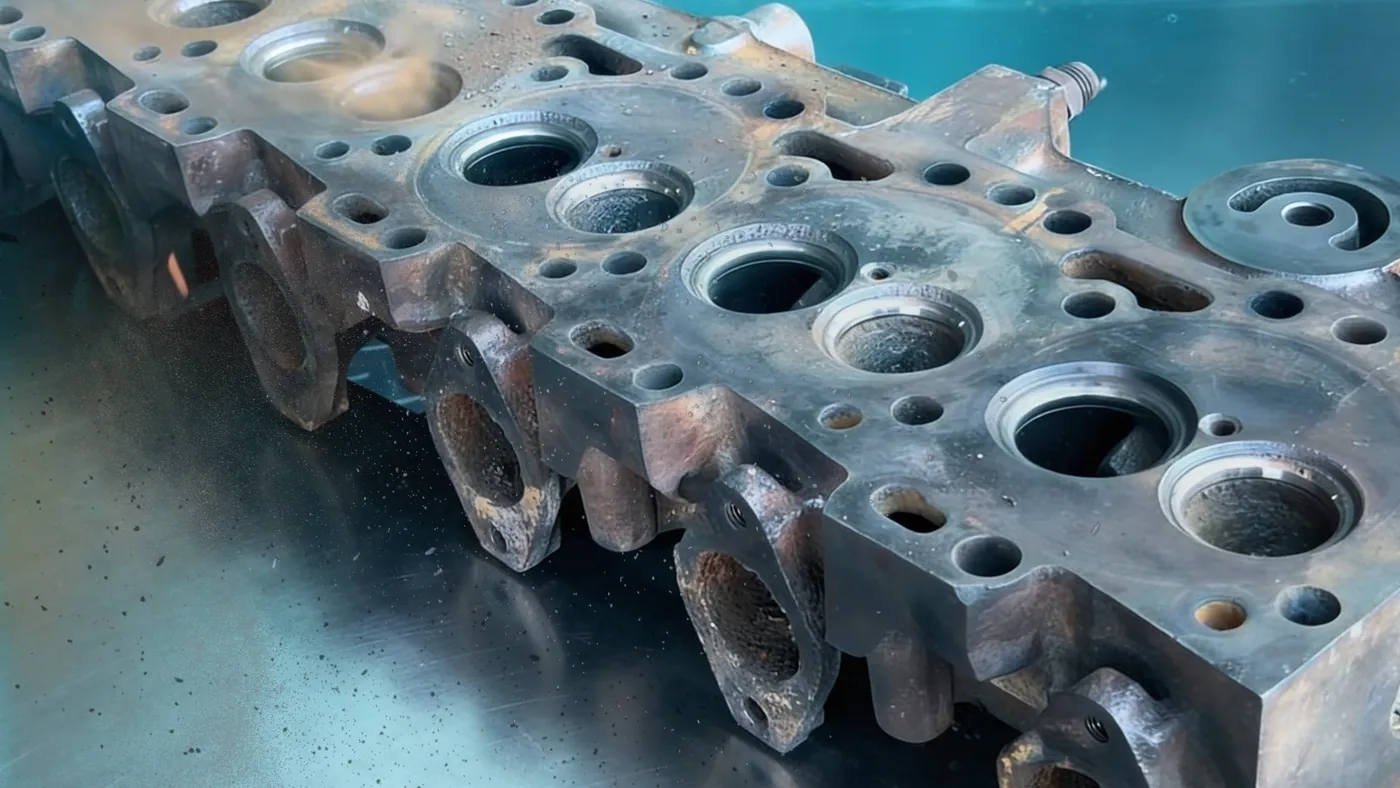
Cylinder heads, injectors and calipers cleaned of carbon, sludge and baked oil before inspection, machining or reassembly.
An engine that comes in for overhaul brings carbon on valves and combustion chambers, baked-on oil in the head, sludge in the oil galleries and lacquer on injector needles. Brake calipers arrive with brake dust and dried fluid, transmission valve bodies with varnish in narrow bores. Brushes and solvent reach the surfaces you can see; cavitation also works in passages, threads and blind holes, so the part can be measured and crack-tested on clean metal.
Heads, blocks and housings are heavy, cast and heavily soiled: 28 kHz, an alkaline cleaner at 60–70 °C and enough time do the work, with an inhibited cleaner for aluminium. An AL lowers and raises the basket on its lift, so loosened soil leaves the passages and nobody lifts a wet head. ST tanks suit a workshop that cleans in batches; an SPR spray washer strips heavy grease first. Injectors and carburettors go into an STS.
Cylinder headsEngine blocksDiesel injectorsCarburettorsTurbochargersBrake calipers
Machines that fit

Mobility and transport
Trucks, buses and rail
Heavy-duty heads, blocks, gearbox housings and bogie parts need big baskets, real lifting capacity and a bath that copes with a lot of oil.
Fleet workshops and overhaul shops for trucks, buses and rolling stock work with large, heavy parts: cylinder heads and blocks of heavy diesel engines, EGR coolers and valves, turbochargers, gearbox and axle housings, brake components, axle boxes and bogie parts. The soil is diesel soot, baked oil, sludge from sumps and housings, road grime and brake dust, often several millimetres thick in corners and oil galleries.
Parts this size are loaded by crane or forklift, so the machine needs a lift and a basket rated for the load. An AL lowers, agitates and raises the basket on a PLC cycle; an AU adds a servo platform and double filtration with oil skimmer for high oil loads and a long bath life. An SPR spray washer takes off the bulk of the grease before the ultrasonic step. 28 kHz and 60–80 °C suit this soil.
Heavy-duty cylinder headsEGR coolers and valvesGearbox housingsAxle housingsBrake componentsBogie parts
Machines that fit

Mobility and transport
Ship and marine maintenance
Coolers, fuel injectors, separator discs and pump parts from the engine room, cleaned of scale, salt deposits and heavy-fuel residues.
In the engine room, most cleaning work comes from coolers and separators. Sea-water coolers and plate heat exchangers collect scale, salt deposits and marine fouling; fuel injectors and pump elements carry heavy-fuel residues; the disc stacks of fuel and lube-oil separators fill with sludge. Valves, strainers and pump housings arrive at every dry-docking or overhaul with a mix of oil, rust and deposits.
The chemistry follows the soil: an acid descaler for scale and salt, matched to copper-nickel, titanium or steel, and an alkaline cleaner for oil and fuel residues. Plate packs and tube bundles need a long tank with a lift; an AL or AU holds them upright in racks. An SF keeps oil out of the bath with its skimmer and filtration when many oily parts pass through during one overhaul.
Sea-water coolersPlate heat exchangersFuel injectorsSeparator discsPump housingsStrainers
Machines that fit
Mobility and transport
Aerospace and MRO
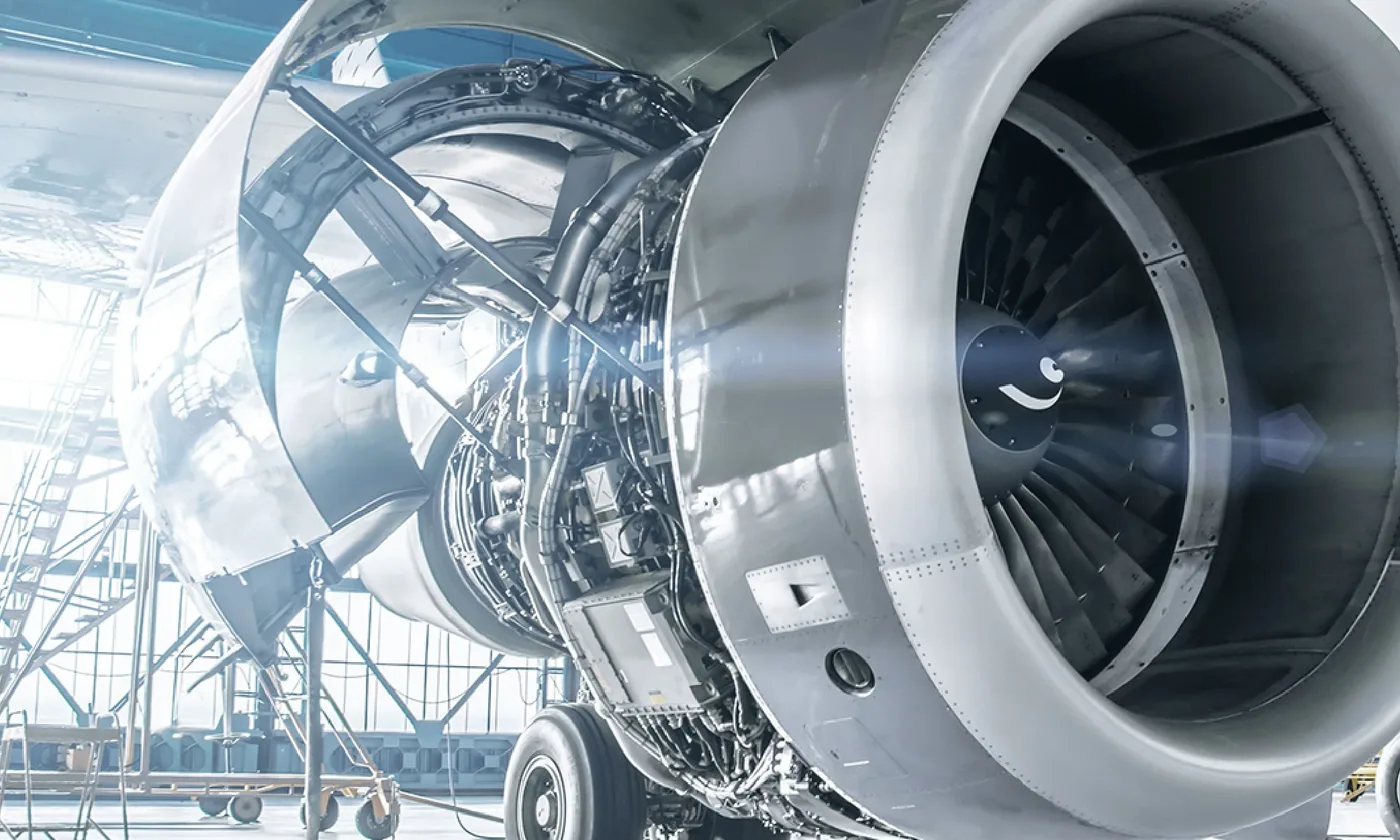
Engine parts, hydraulic components and fittings cleaned of carbon, oil and hydraulic fluid before inspection, repair or reassembly.
MRO shops clean engine parts with carbon and coked oil from the hot section, gearbox and accessory parts with oil and wear particles, and hydraulic components with residues of hydraulic fluid. Before fluorescent penetrant or eddy-current inspection the surface must be free of oil and deposits, or indications are masked. In production, machined parts lose cutting fluid and chips before assembly or surface treatment.
Aircraft maintenance follows the maintenance manual and its listed cleaning agents, so the tank is built around the process, not the other way round. ST tanks at 28 or 40 kHz take single parts and baskets, with heating and a timer per programme. An SF adds filtration and an oil skimmer where oily parts run every day. An MT line puts wash, rinse and hot-air drying in sequence for repeatable batch cleaning.
Engine partsGearbox componentsHydraulic componentsFittings and fastenersMachined parts
Machines that fit
Industry and manufacturing
CNC and machined parts
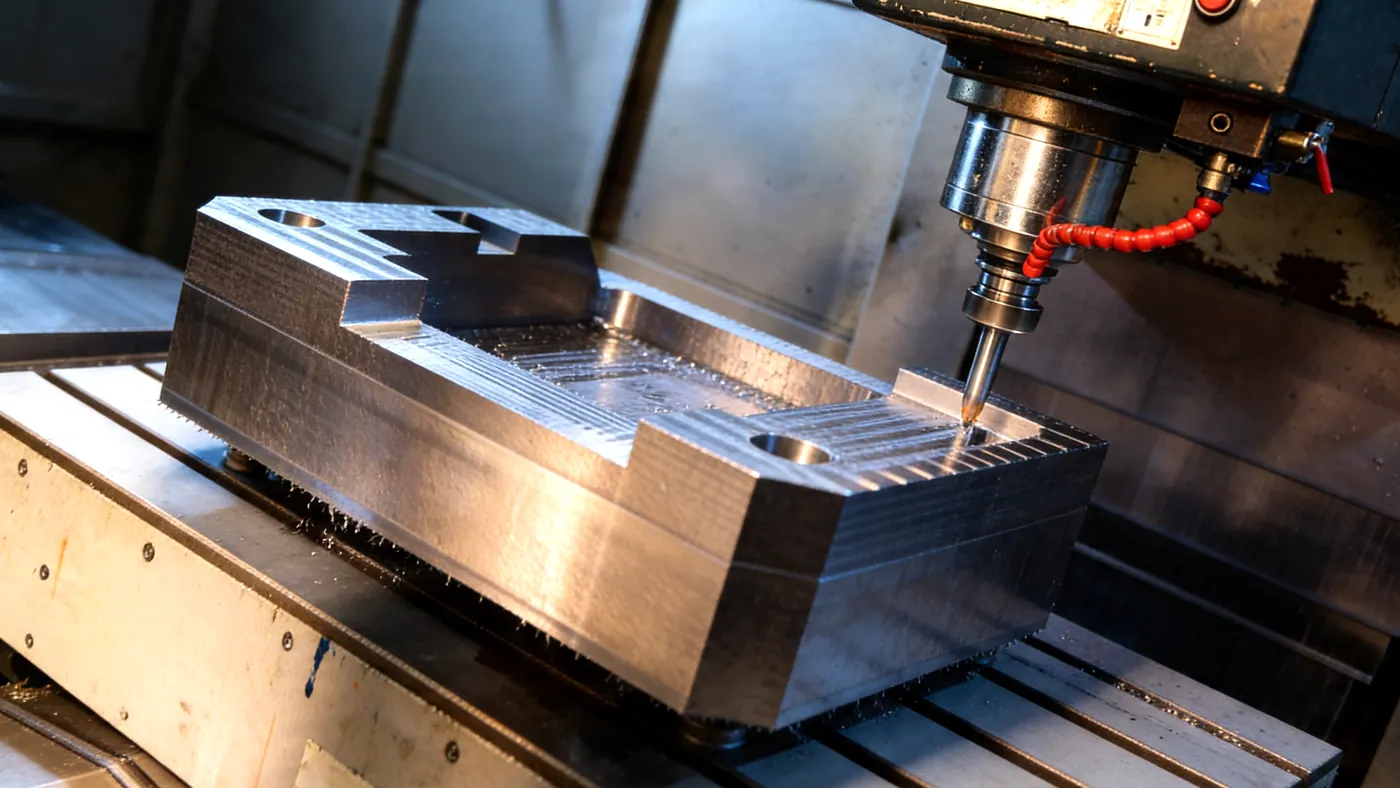
Chips, coolant and oil out of blind holes, threads and cross-drillings before assembly, coating or measuring.
After turning, milling and drilling, a part carries cutting fluid or emulsion, oil, fine chips and burrs in blind holes, threads and cross-drillings. Left there, chips damage seals and bearings at assembly, a coolant film spoils coating adhesion, and residues falsify measurements on the CMM. Customers increasingly specify a residual-dirt limit, so cleaning has become a production step with its own parameters.
A mildly alkaline cleaner at 50–60 °C and 28 kHz for steel and cast parts, 40 kHz for fine bores and thin walls. Tilt the parts so air can escape from blind holes. Chips settle; an SF or a UMX with filtration pumps them out before they build up. Then rinse and dry with hot air against flash rust: an MT line combines wash, rinse and dry for larger volumes, an ST tank covers batch work.
Turned partsMilled housingsShafts and gearsThreaded partsValve bodies
Machines that fit
Industry and manufacturing
Moulds, dies and tooling
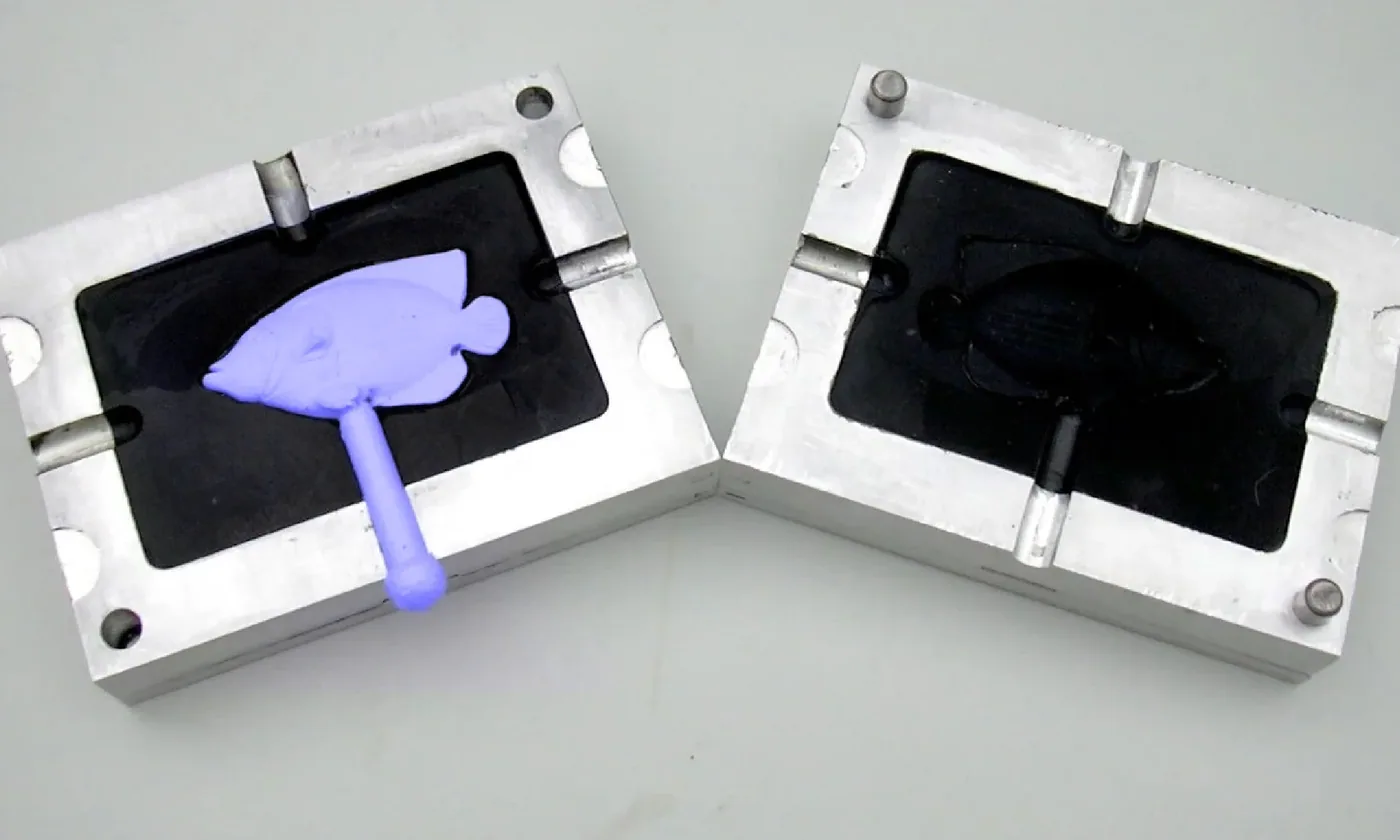
Release agent, outgassing deposits and burnt polymer removed from cavities, vents and ejector bores without blasting the surface.
Injection moulds collect release agent, outgassing condensate and burnt polymer in vents, on parting lines and around ejector pins; extrusion dies and calibrators carry degraded material, and forming tools carry drawing lubricant and metal fines. Dry-ice or abrasive blasting wears edges and polished or textured surfaces over time. In a bath, cavitation removes deposits from vents and narrow ribs without mechanical contact with the steel.
Mould halves can weigh hundreds of kilos, so tank size and lifting decide the machine. An ST takes inserts, slides and small moulds; an AL lowers heavy halves on a lift that is loaded by crane. Use a cleaner matched to the polymer and 40 kHz for polished and textured cavities, then rinse, dry with hot air and protect against rust straight away. An SPR pre-wash suits heavily greased forming tools.
Injection mould halvesMould inserts and slidesExtrusion diesCalibratorsForming tools
Machines that fit
Industry and manufacturing
Valves, pumps and hydraulics
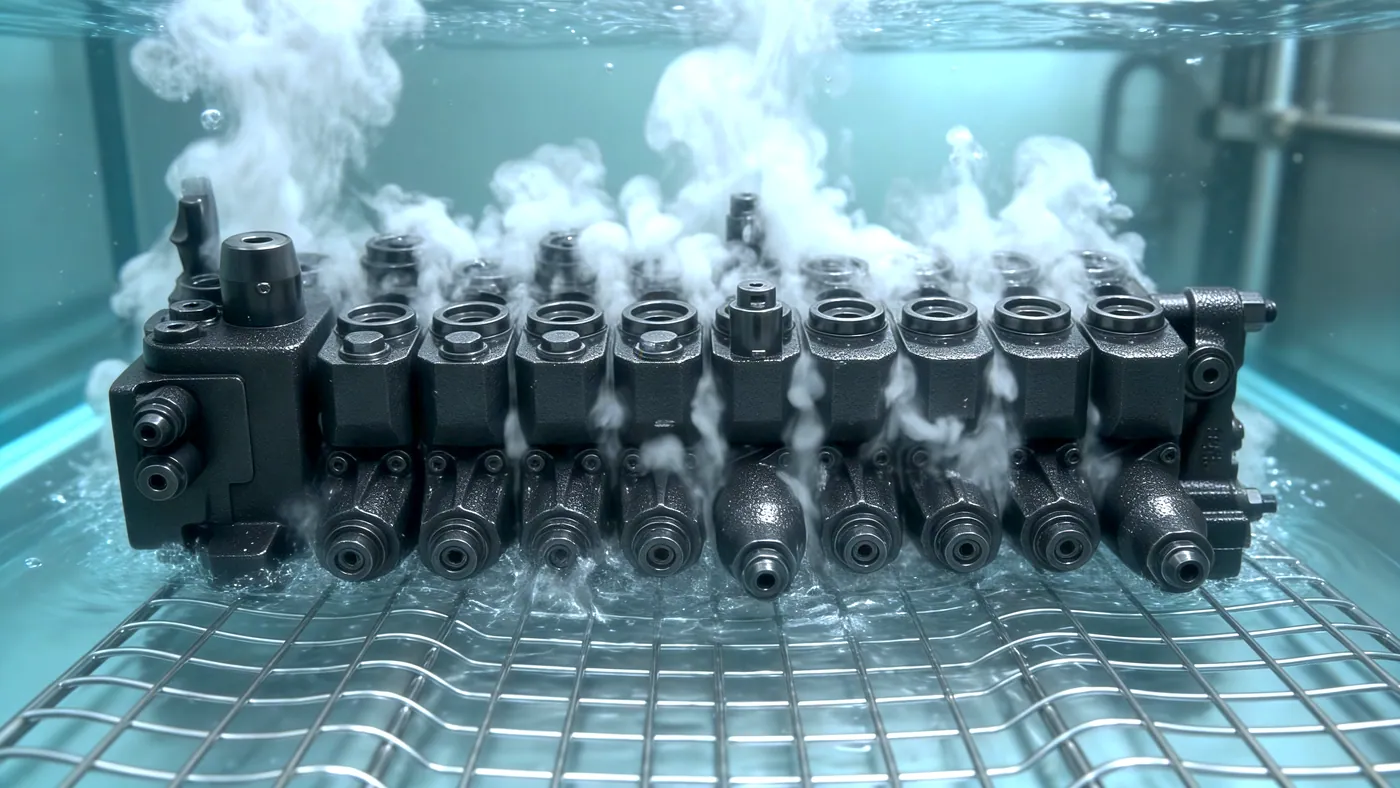
Valve banks, manifold blocks, pump housings and cylinders cleaned of oil, varnish and metal particles in bores and cross-drillings.
Hydraulic and process components fail on dirt the eye does not see: metal particles from machining or wear, varnish from aged oil, seal fragments and sludge in the cross-drillings of a manifold block. Valve banks, pump housings, impellers, spools and cylinder parts arrive from new production with chips and coolant, and from repair with oil, varnish and corrosion. A sticking spool or a leaking seat is often a cleaning problem.
Oil dominates the soil, so filtration and an oil skimmer keep the bath usable: the SF has both, with a buffer tank. ST tanks at 28 kHz handle cast housings; 40 kHz suits spools and small valves with fine clearances. Heavy blocks and pump casings go into an AL with lift. After a rinse, dry with hot air and protect the bores with oil or an inhibitor before assembly.
Valve banksManifold blocksPump housingsImpellersSpools and sleevesHydraulic cylinders
Machines that fit
Industry and manufacturing
Heat exchangers and energy
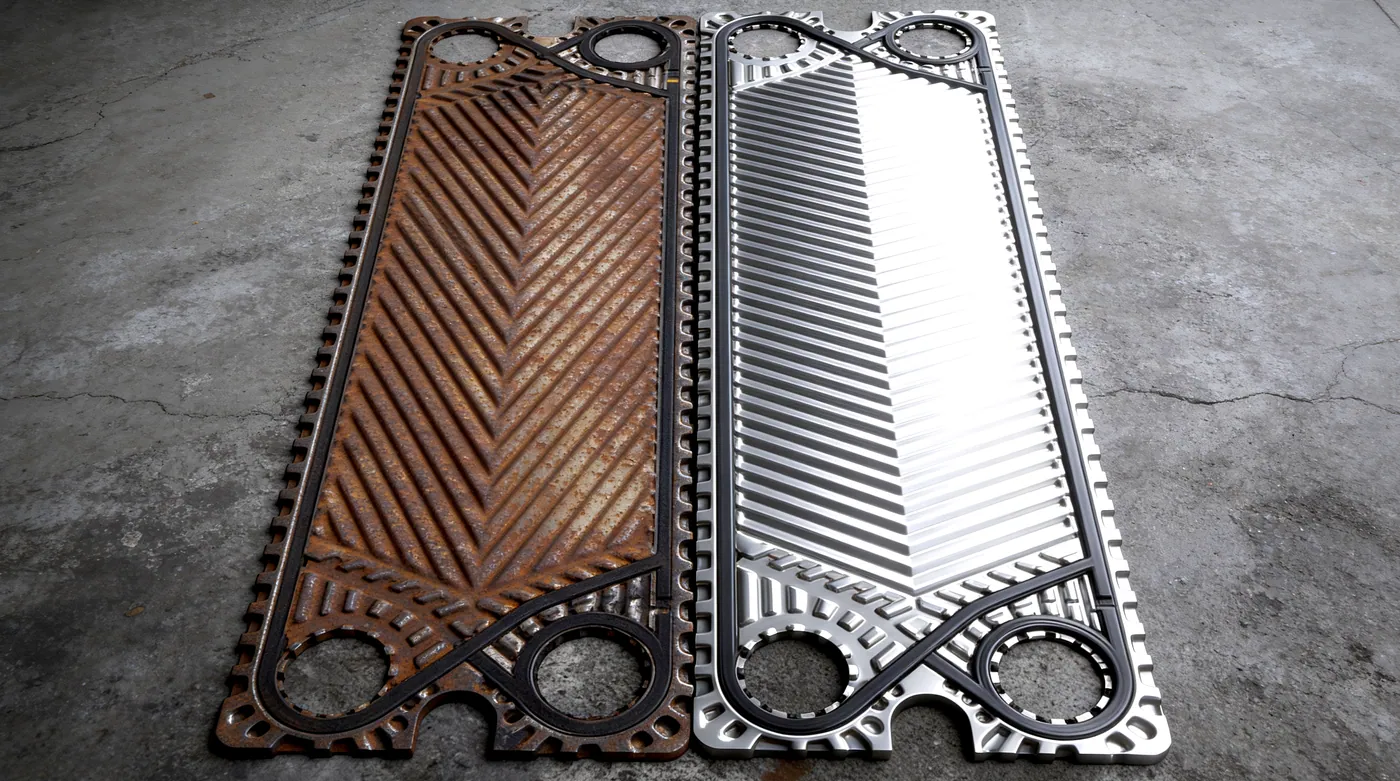
Plate packs, tube bundles, turbine blades and generator parts cleaned of scale, biofilm, oil and carbon during a planned shutdown.
Plate heat exchangers lose capacity as scale, biofilm, product deposits and corrosion products build up between the plates; tube exchangers foul on the inside of the tubes. In power plants, turbine blades carry oxide and deposits, and generator and switchgear parts collect oil and dust. Cleaning usually happens during a shutdown, so throughput per hour and a repeatable result matter as much as the cleaning itself.
Plates are cleaned standing in a rack, a gap apart, so every surface sees the bath. Remove the gaskets or check them against the chemistry: an alkaline cleaner for organic and oily deposits, an acid descaler for scale, often in that order with a rinse between. An AL lowers the rack on its lift; an AU adds a servo platform and filtration for large plate packs. A DT dryer tank dries smaller parts with hot air afterwards.
Heat-exchanger platesTube bundlesTurbine bladesGenerator partsSwitchgear parts
Machines that fit
Industry and manufacturing
Filters, screens and nozzles
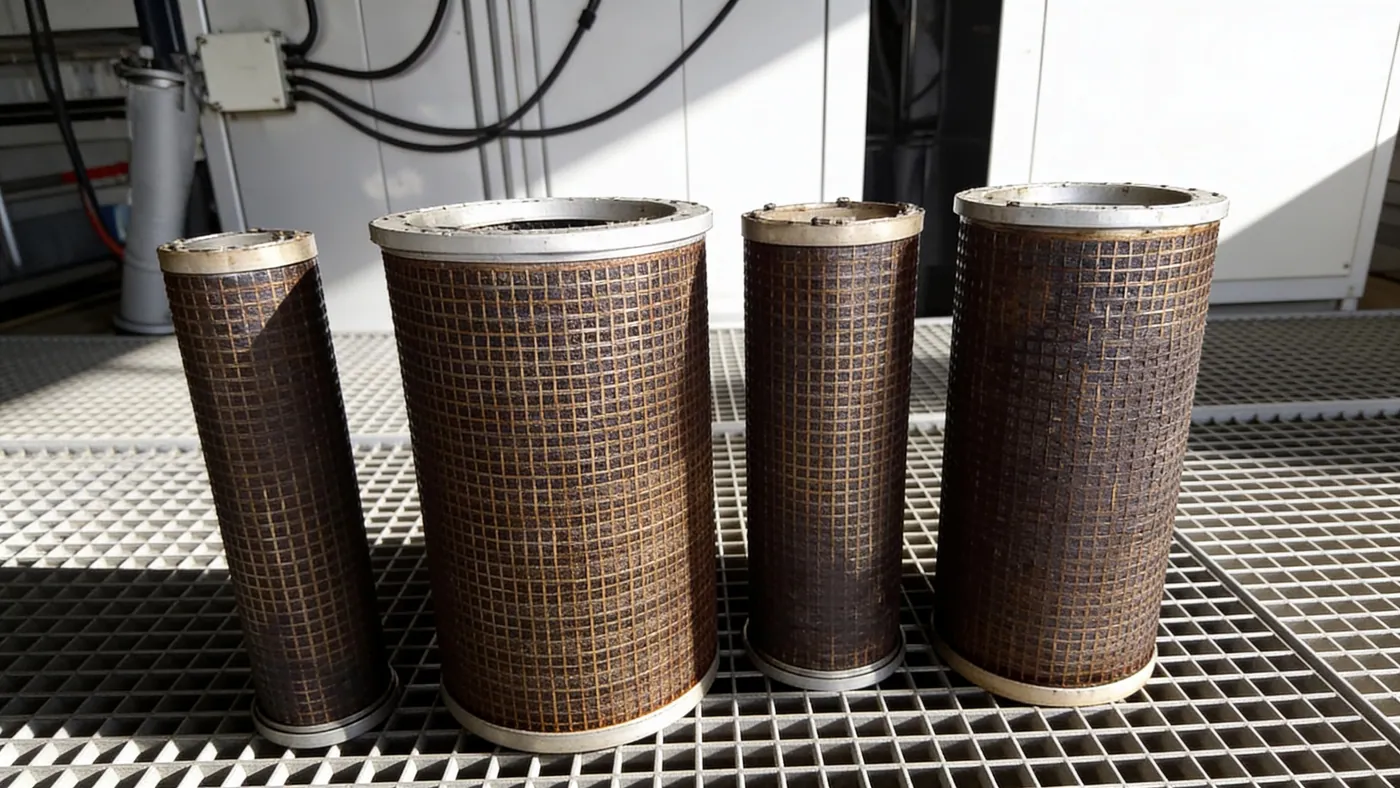
Sintered, mesh and candle filters, strainers and spray nozzles cleaned out of the pores instead of brushed or blasted.
A clogged filter element is expensive to replace and slow to clean by hand. Sintered metal, wire mesh and wedge-wire screens trap particles deep in the medium; polymer melt filters still carry residue after burn-off, candle filters from food and chemical processes carry product and scale, and spray nozzles clog with lime and dried product. Brushing and high-pressure water push dirt deeper or deform the mesh; cavitation lifts it out of the pores.
Fine meshes and sintered elements are cleaned at 40 kHz, coarse strainers and heavy loads at 28 kHz. Hold the elements so the bath reaches the inside, and turn them during the cycle. The cleaner follows the soil: alkaline for oil and organic residues, acid for scale. An SF or a UMX with filtration keeps loosened particles out of the bath; an ST can be built to the length of long candles. Compare the flow before and after.
Sintered metal filtersWire-mesh filtersCandle filtersPolymer melt filtersStrainersSpray nozzles
Machines that fit
Industry and manufacturing
Surface treatment and coating
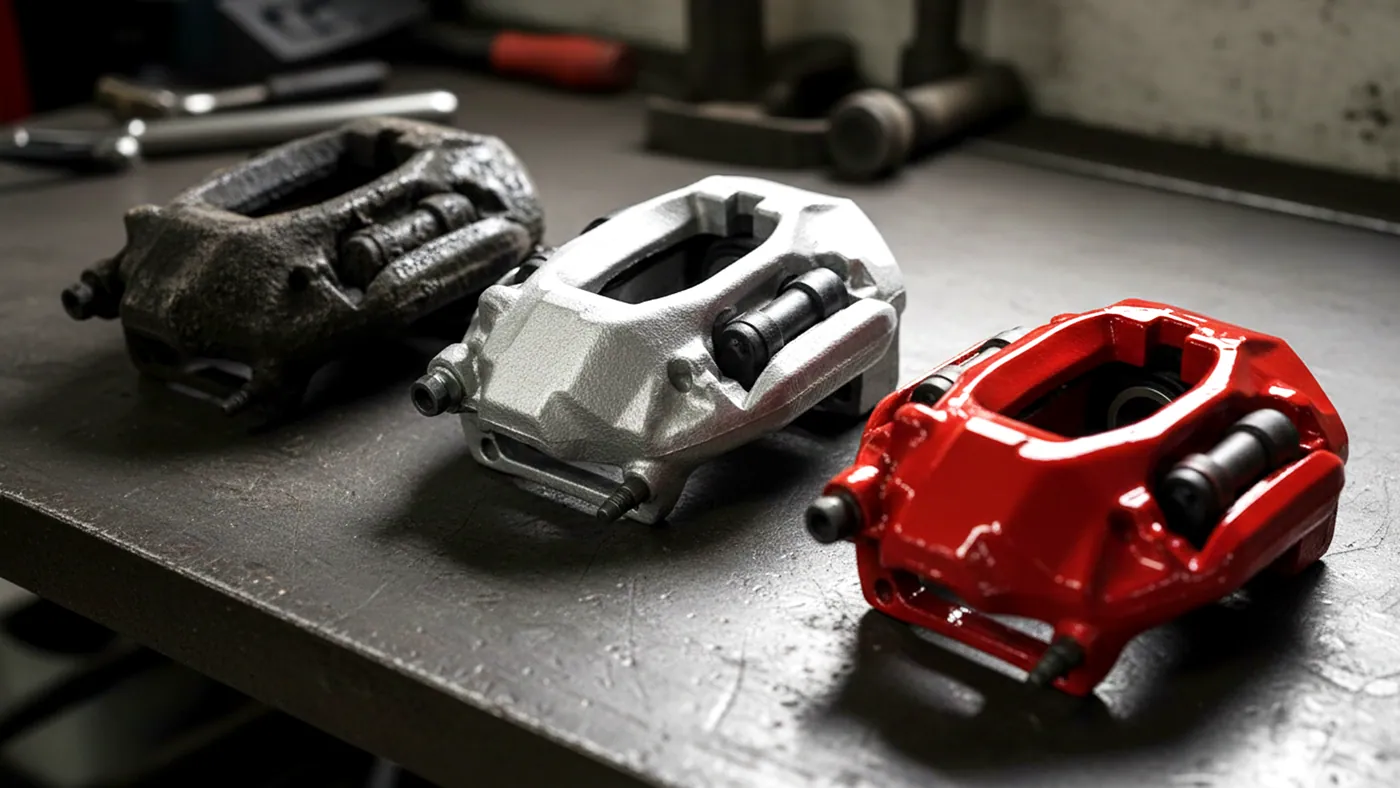
Degreasing before painting, powder coating, plating, anodising or bonding, where rinse quality decides whether the coating holds.
Paint, powder, plating and adhesive bond only to a surface free of oil, drawing compound, polishing paste, fingerprints and oxide. Residues show up later as blisters, poor adhesion, stains or plating that does not cover. Pressed, machined and polished parts with recesses, threads or overlapping seams hide oil where spray degreasing does not reach. A water-break test shows whether the surface is ready: water should sheet off, not bead.
Degreasing for coating is a sequence: ultrasonic wash, at least one rinse, often a final rinse in demineralised water, then drying. An MT line runs this sequence with automatic basket transport and can include passivation. An AL with lift suits single-stage degreasing of large batches; an ST tank takes small series. Use an inhibited cleaner for aluminium and zinc. A DT dries the basket with hot air before coating.
Pressed partsMachined partsPolished partsParts before platingParts before bonding
Machines that fit
Process industries
Food and beverage
Moulds, knives, filler parts, belt modules and hole plates cleaned of fat, protein, burnt-on product and scale.
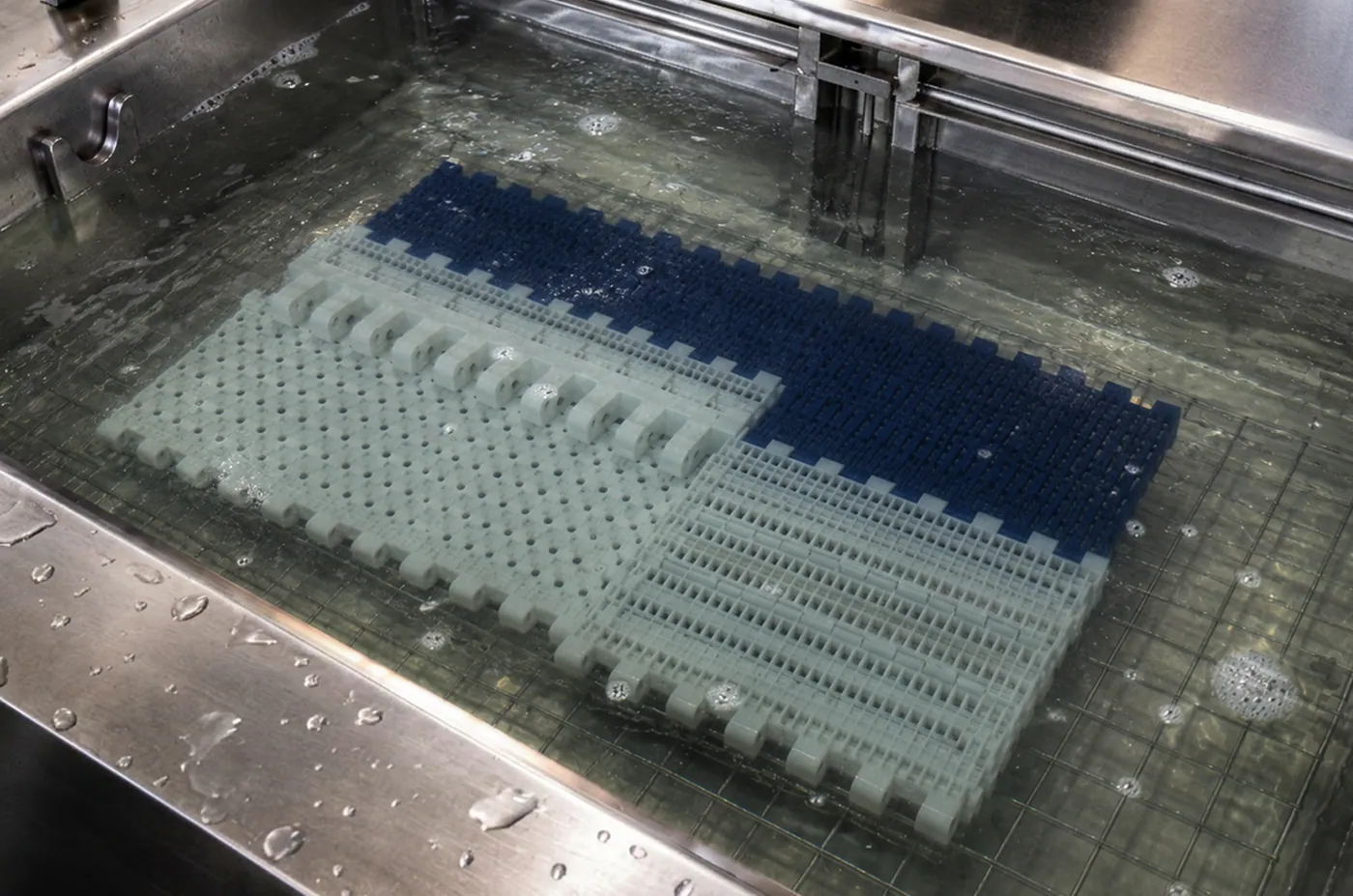
Food plants clean parts that hold product in corners and holes: bakery tins and trays with carbonised fat, silicone moulds, knives and mincer hole plates with fat and protein, belt modules and chains, filler valves and bottling parts with sugar and scale, dairy valves with milkstone. Brushing and caustic soaking take hours and still leave residue in hinges, holes and between belt links.
Fat and protein respond to an alkaline cleaner at 55–65 °C; scale and milkstone need an acid step. Pre-rinse protein soil with cold or lukewarm water so it does not set on a hot surface. Use cleaners intended for food-contact surfaces and rinse with potable water. ST tanks at 28 kHz suit trays and belt modules; an SF filters out loosened fat and crumbs; an AU handles high daily volumes automatically; an STS covers small parts.
Baking tins and traysKnives and bladesMincer hole platesBelt modulesFiller valvesDairy valves
Machines that fit

Process industries
Chemical, pharma and laboratory
Glassware, sieves, pipettes, reactor parts and tablet tooling cleaned between batches, so residue from one product stays out of the next.
Laboratories clean glassware, pipettes, test sieves and sample containers with dried reagents, residues and particles; pharma and chemical production cleans mixing heads, reactor and pump parts, valves, dosing nozzles, and tablet press punches and dies with powder and lubricant. The concern is carry-over: residue from one batch that ends up in the next, or a fine sieve or capillary that cannot be brushed at all.
Small items go into an STS or SX on the bench at 40 or 37 kHz, often in beakers placed in the bath so different cleaners can work side by side. Production parts need an ST tank sized to the largest part, or an MT line with rinse stages in purified water and drying. Do not use flammable solvents in an open heated bath. Cleaning validation stays with your quality system.
Laboratory glasswareTest sievesPipettesMixing headsTablet punches and diesDosing nozzles
Machines that fit
Process industries
Printing and packaging
Anilox rolls, doctor-blade chambers, glue nozzles and packaging-machine parts cleaned of dried ink, coating and adhesive.
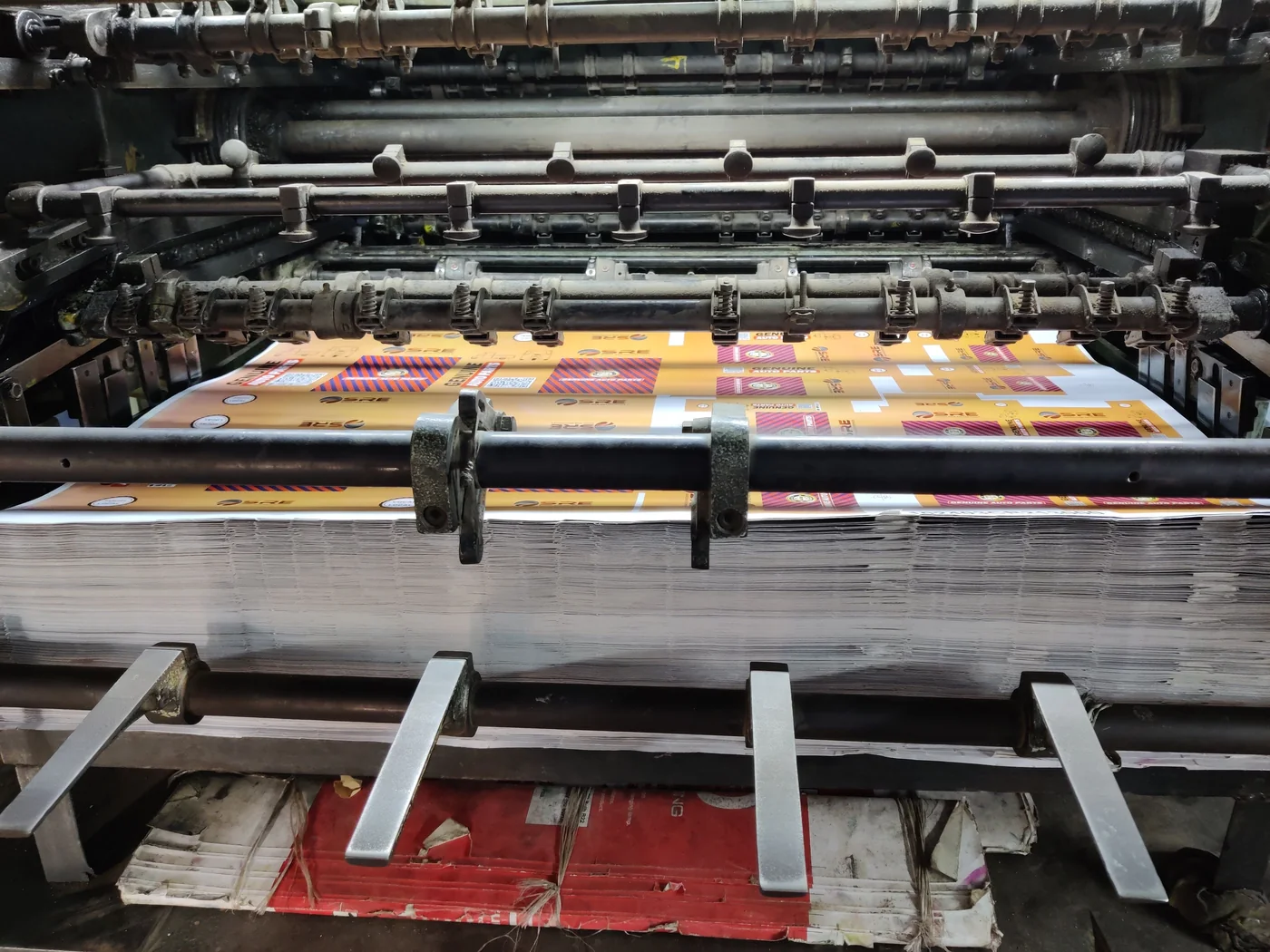
In flexo and gravure printing, dried ink and coating close the cells of anilox rolls and build up in doctor-blade chambers, ink pumps and trays. Packaging lines collect hot-melt and cold glue on nozzles and applicator heads, and product, label glue and dust on format parts, sealing jaws and filler parts. Wiping with solvent takes time, and the cell volume of an anilox roll keeps dropping between cleanings.
The cleaner follows the ink: water-based, solvent-based and UV-curing inks each need their own chemistry. An ST tank can be built to the length of a roll, with power and cycle time set for the ceramic coating. An SF filters pigment and adhesive particles out of the bath. An SPR spray washer takes ink trays, chambers and packaging-machine parts in one load, with heated wash liquid in a closed loop.
Anilox rollsDoctor-blade chambersInk pumps and traysGlue nozzlesSealing jawsFormat parts
Machines that fit
Precision and clean
Electronics and PCB assembly
Flux residues, solder balls and dust removed from boards, connectors, sensors and battery parts, including under low-standing components.
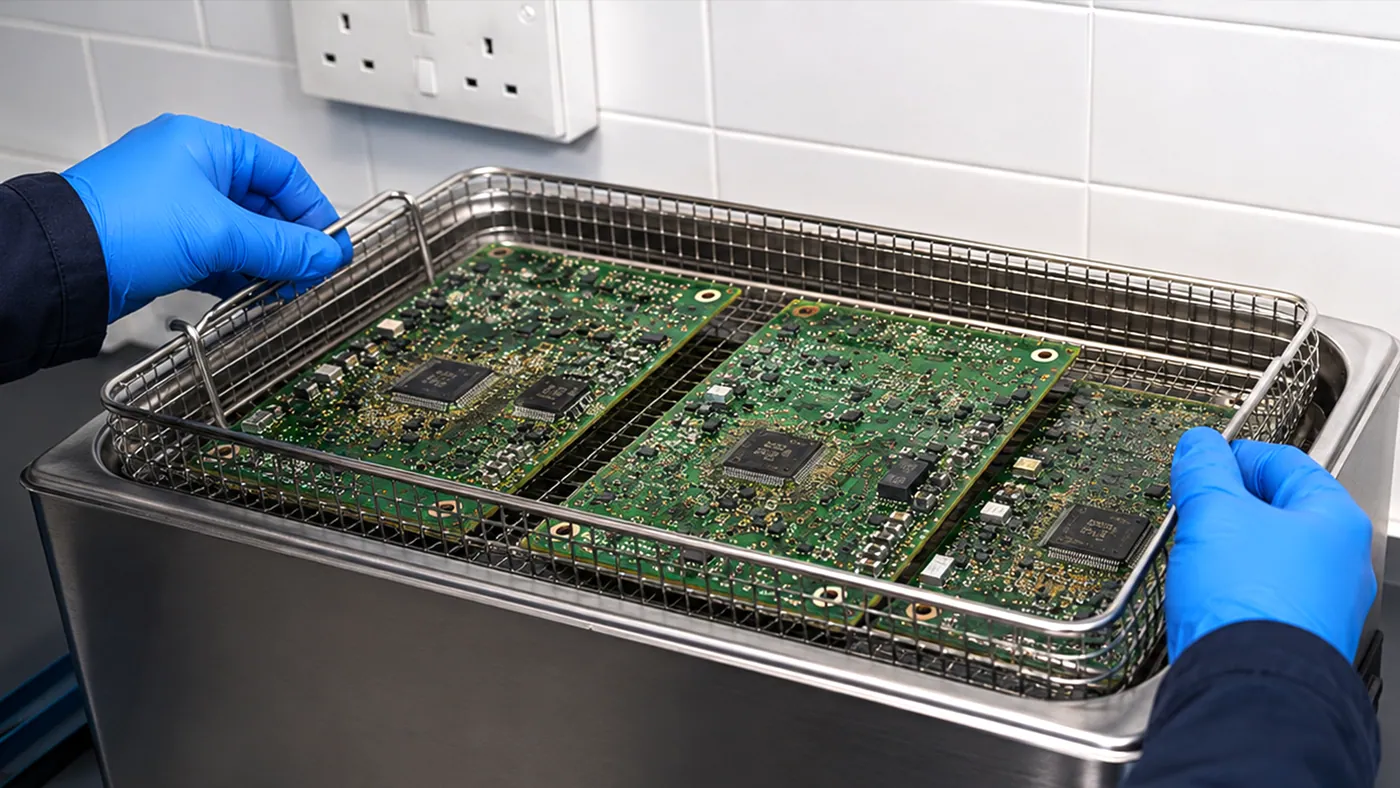
After soldering, flux residues stay on the board and under components with a low standoff such as QFNs and BGAs; in humid conditions they can cause leakage currents and corrosion. Repair shops see modules with dust, oxide and spilled liquids, connectors lose contact through a film on the pins, and sensors and battery parts must be free of particles before assembly or conformal coating.
Electronics are cleaned at 37 or 40 kHz with a cleaner made for flux, at 40–60 °C, then rinsed in demineralised water and dried thoroughly with warm air. Boards stand upright in the basket, never on the tank floor. Check the data sheets first: quartz crystals, MEMS sensors and some sealed parts are not suited to ultrasound. STS and SX cover repair and rework; a UMX or an MT line handles production volumes.
Assembled PCBsConnectorsSensorsElectronic modulesBattery components
Machines that fit
Precision and clean
Medical, dental and veterinary
Instruments, dental tools and tubing cleaned before sterilisation; implants and device parts cleaned in production.
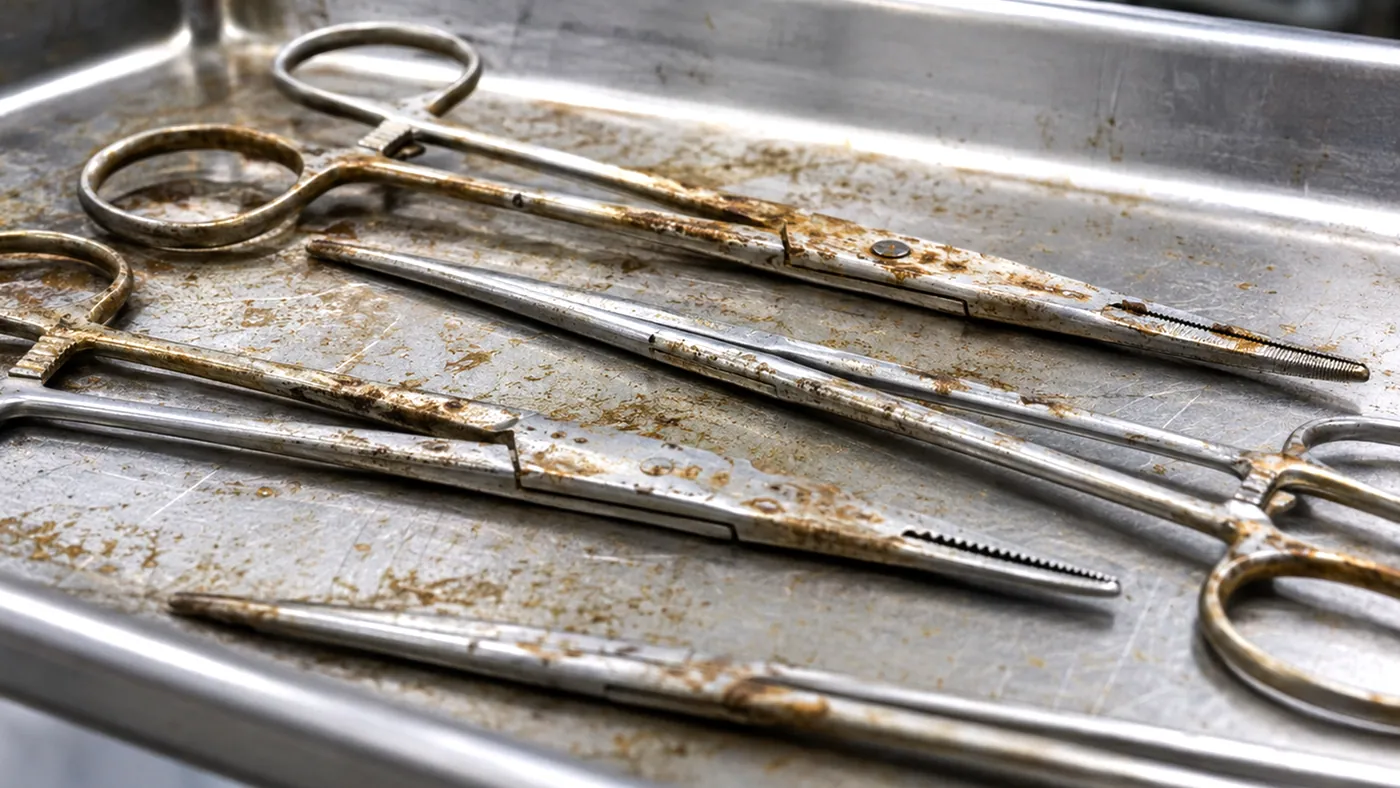
Surgical, dental and veterinary instruments come back with blood, tissue, bone fragments, cement and prophy paste in hinges, serrations and lumens. Sterilisation acts only on a clean surface, so the cleaning step before it matters. In device production, implants and components carry polishing paste, machining oil and particles that must be removed before passivation, inspection and packaging.
Use enzymatic or mildly alkaline cleaners made for instruments, and keep protein soil below about 45 °C so it does not set. Open hinged instruments, do not overload the basket and rinse afterwards; the reprocessing procedure and its validation stay with your facility. STS and SX benchtop units take small batches; implants and device parts in series production run on an MT line with rinse stages in purified water and drying.
Surgical instrumentsDental instrumentsVeterinary instrumentsCannulas and tubingOrthopaedic implantsDevice components
Machines that fit

Precision and clean
Optics, watches and jewellery
Frames, lenses, watch parts and jewellery cleaned of polishing paste, old oil, skin grease and dust, in small baskets and beakers.
Opticians, watchmakers and jewellers clean small parts with fine detail: spectacle frames with skin grease in hinges and nose pads, lenses and optical parts with fingerprints and polishing residue, dismantled watch movements with dried oil, bracelets with dirt between the links, and cast or polished jewellery with polishing paste in settings and engravings. The parts are small, the surfaces often coated or plated, and they cannot be scrubbed.
A benchtop SX or STS at 37 or 40 kHz does this work; use a fine-mesh basket or a beaker in the bath for the smallest parts. Keep cycles short and the temperature moderate for coated lenses and plated parts. Pearls, opals, emeralds, glued stones and some watch components do not belong in an ultrasonic bath. Rinse, then dry with warm air; watch parts are oiled again after cleaning.
Spectacle framesLensesWatch movement partsWatch braceletsRings and chainsSmall precision parts
Machines that fit
Custom machines
Not in the standard range? We build it.
Every industrial machine is made to order, so the tank size, material, heating, filtration, lid, lift and controls follow your parts and your process. If the machine you need is not on this page, describe the parts and the soil and we design it around them.
Let's find the right fit
Not sure which size you need?
Send us the part, the quantity per hour and the soil you are removing. We will size the tank and the frequency with you.