
Industries · 4 min read · Updated 2024-10-31
Ultrasonic cleaning in the automotive industry
Engine and transmission parts, carburettors and injectors, brake calipers, bearings: what contaminates them, what ultrasonic cleaning removes, and where the traditional methods fall short.
Technical guide. Figures are taken from our own spec tables; for your process we confirm the settings with a cleaning trial.
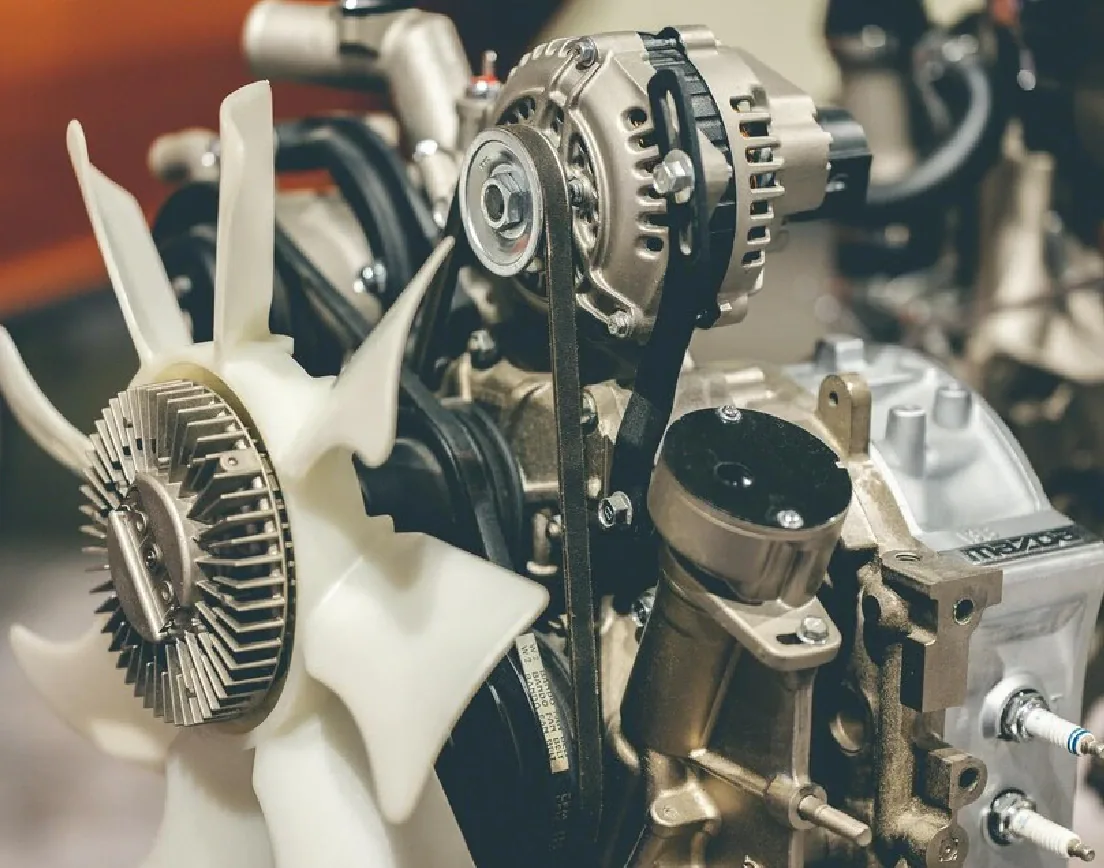

With its numerous parts and demand for precision, the automotive industry necessitates advanced cleaning processes. Thus, the industrial ultrasonic cleaner is a mechanism that has transformed the industry.
Because they clean intricate and difficult-to-reach parts with high precision, industrial ultrasonic cleaners have discovered a vital function within the automotive industry. Consequently, these cleaners provide several significant benefits, including comprehensive cleaning of complicated components, reduced manual labor, excellent vehicle performance, and increased efficiency from manufacturing to maintenance.
Ultrasonic cleaning improves engine parts, transmissions, fuel injectors, carburetors, and various metal and plastic parts. Consequently, multiple pollutants frequently expose these parts during manufacturing, assembly, and use.
Applications and comparison of traditional methods vs ultrasonic cleaning
In the rigorous industrial industry, cleanliness is crucial. Traditional methods like mechanical washing and chemical treatments have repaired machines and components for decades. Ultrasonic cleaning is becoming more precise and efficient. Ultrasonic cleaning challenges industrial cleanliness with high-frequency sound waves. This article compares traditional and ultrasonic cleaning procedures in industry and their implications for modern production.
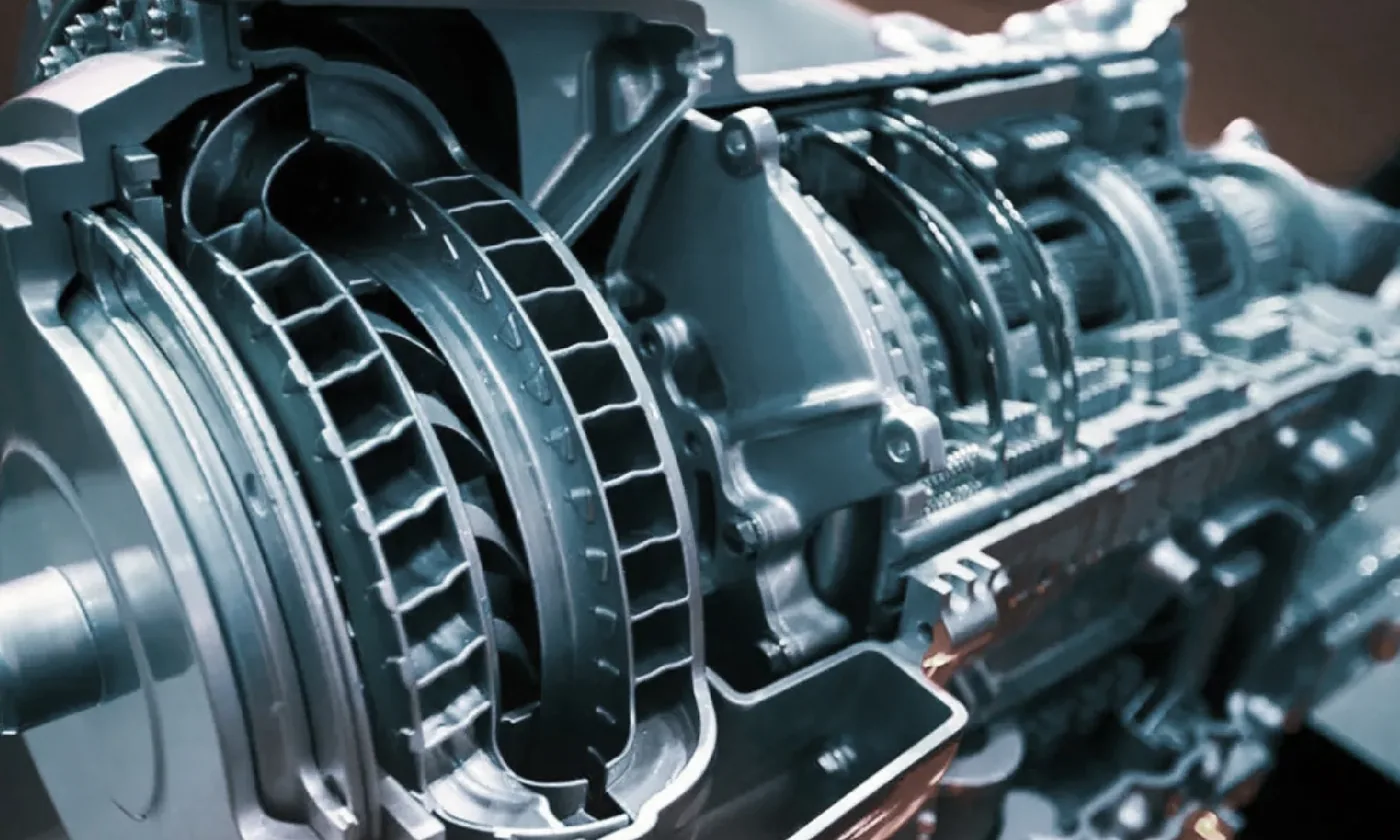
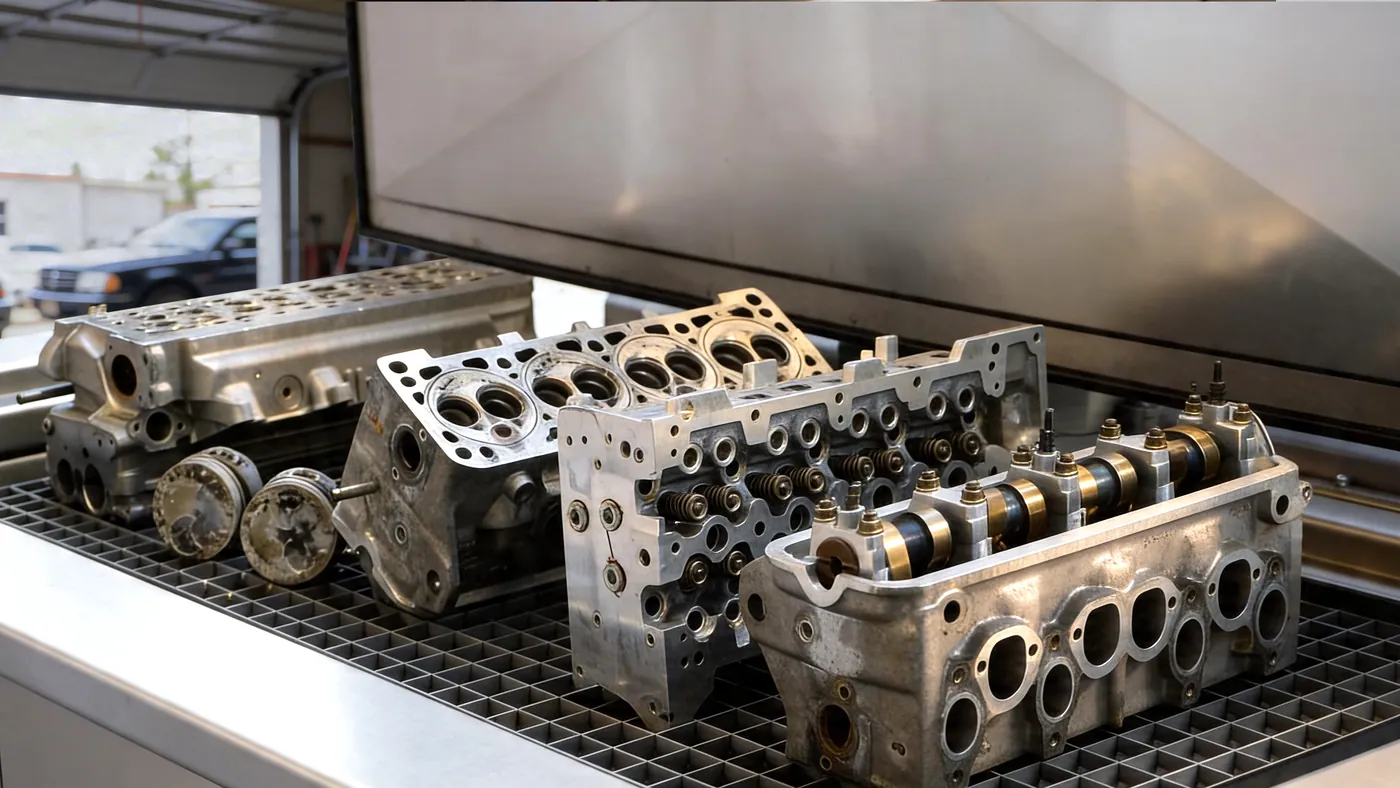
Engine and transmission components
Traditional Method: Frequent cleaning with solvent-based cleaners required manual scrubbing of these vital areas and often left a residue that could impair performance.
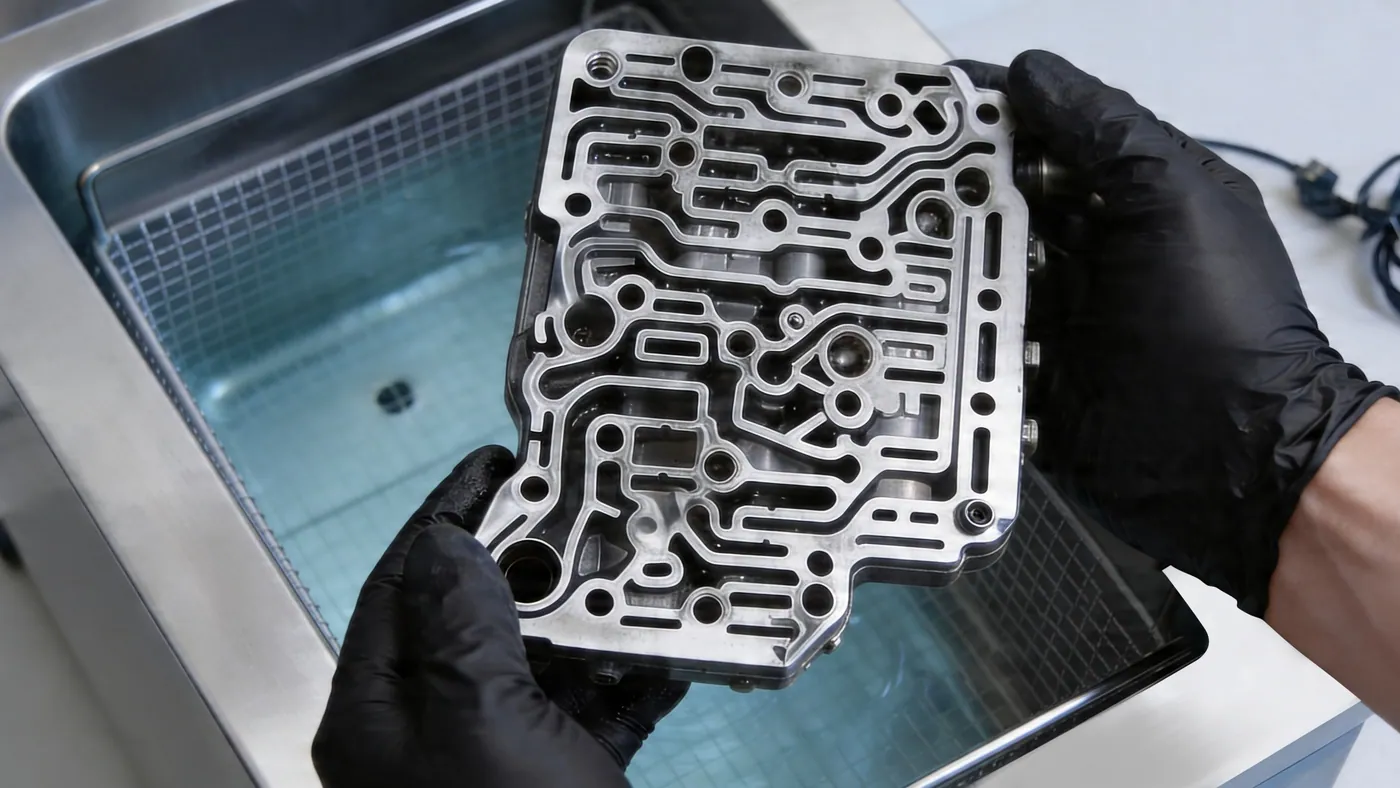
Ultrasonic Cleaning: High-frequency sound waves create cavitation bubbles in ultrasonic cleaners. These bubbles collapse when they touch the component’s surface, gently removing dirt, grease, and other contaminants. Thus, the part is cleaner and contamination-free.
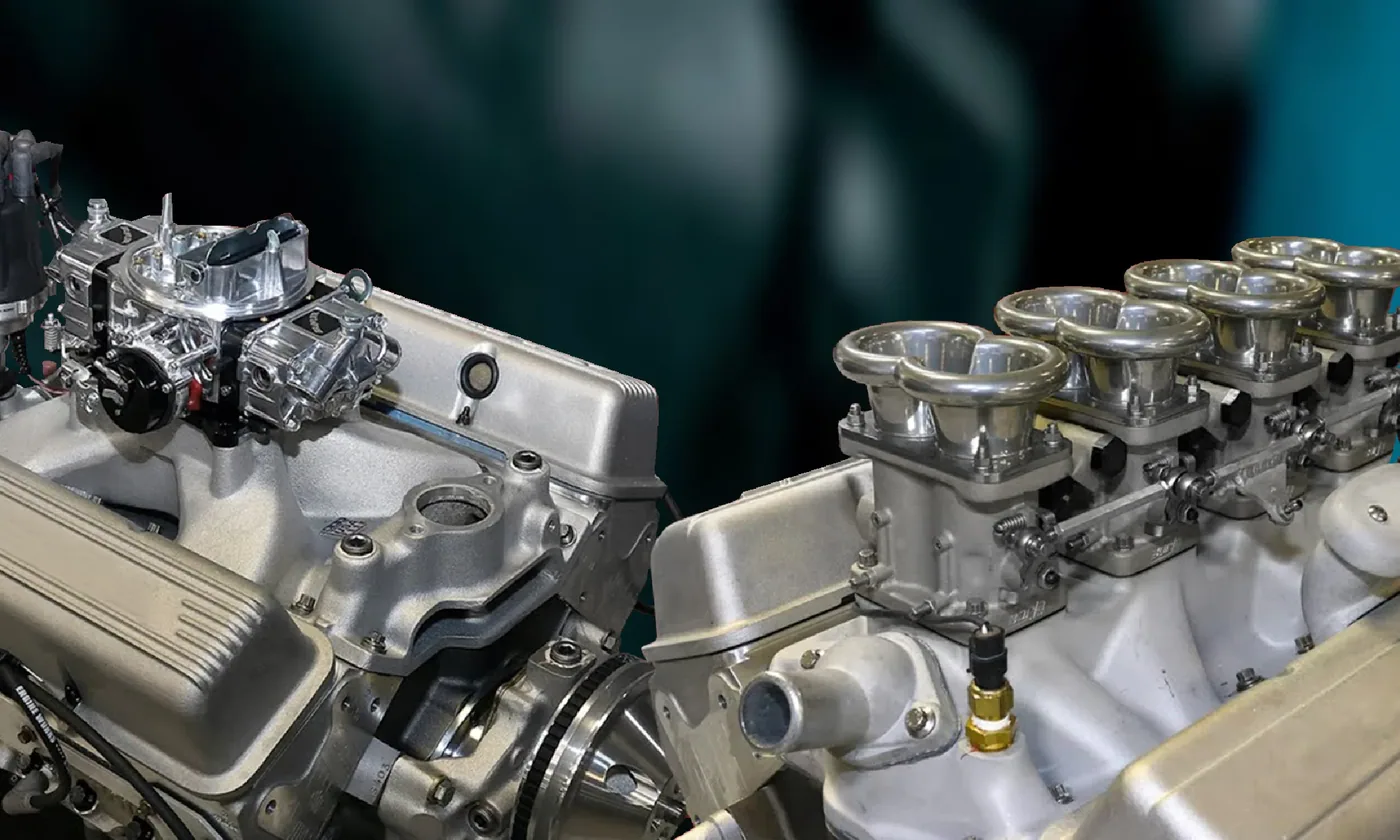
Carburetors and fuel injectors
Traditional Method: Manual cleaning and soaking in solvents were typical practices in the past, but these methods could miss some internal passages, resulting in less effective engine performance.
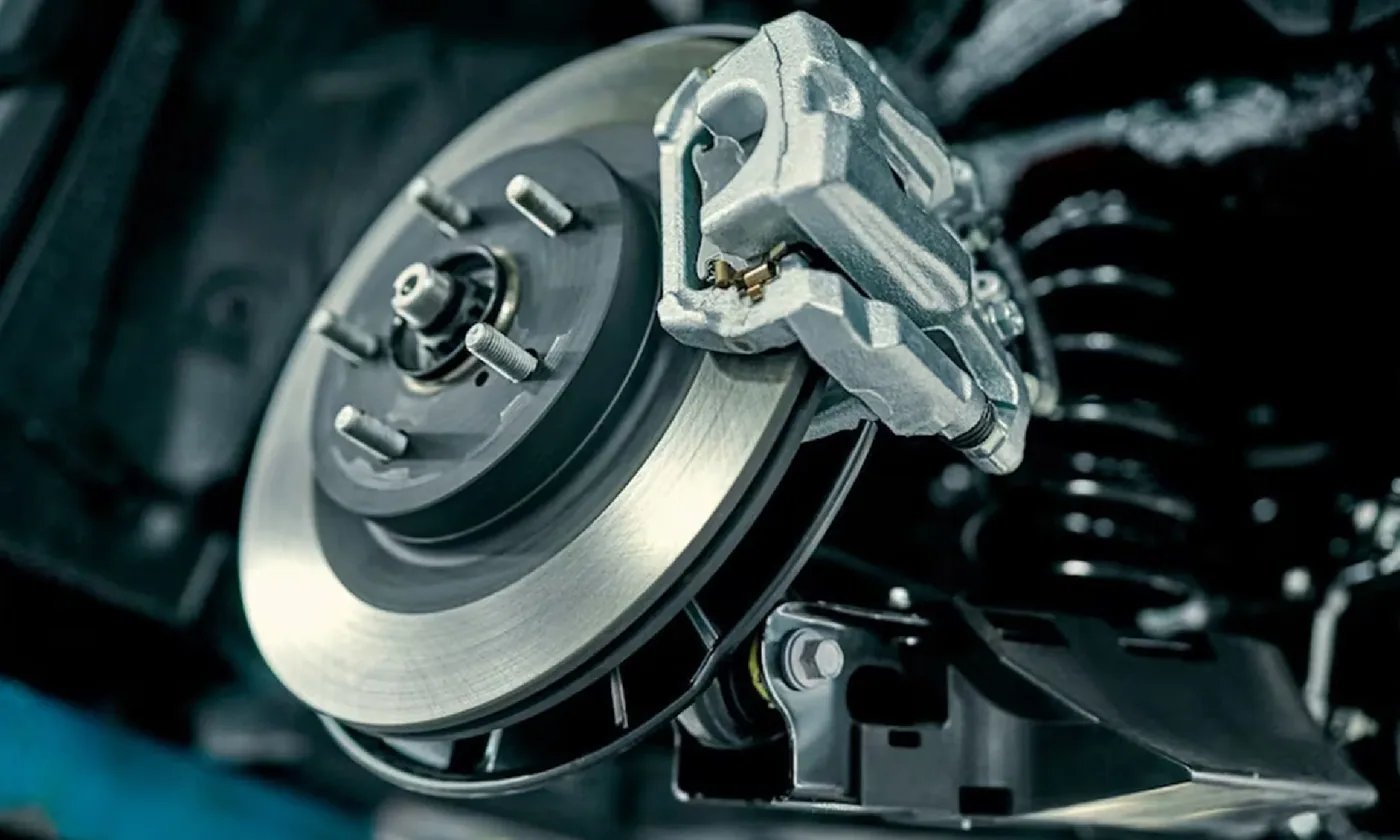
Ultrasonic Cleaning: Cavitation cleans every corner, ensuring thoroughness. It cleans these parts, improving engine performance.
Brake calipers and wheel cylinders
Traditional Method: Cleaning with brushes and solvent took a lot of time and often left brake dust in the bores and seal grooves.
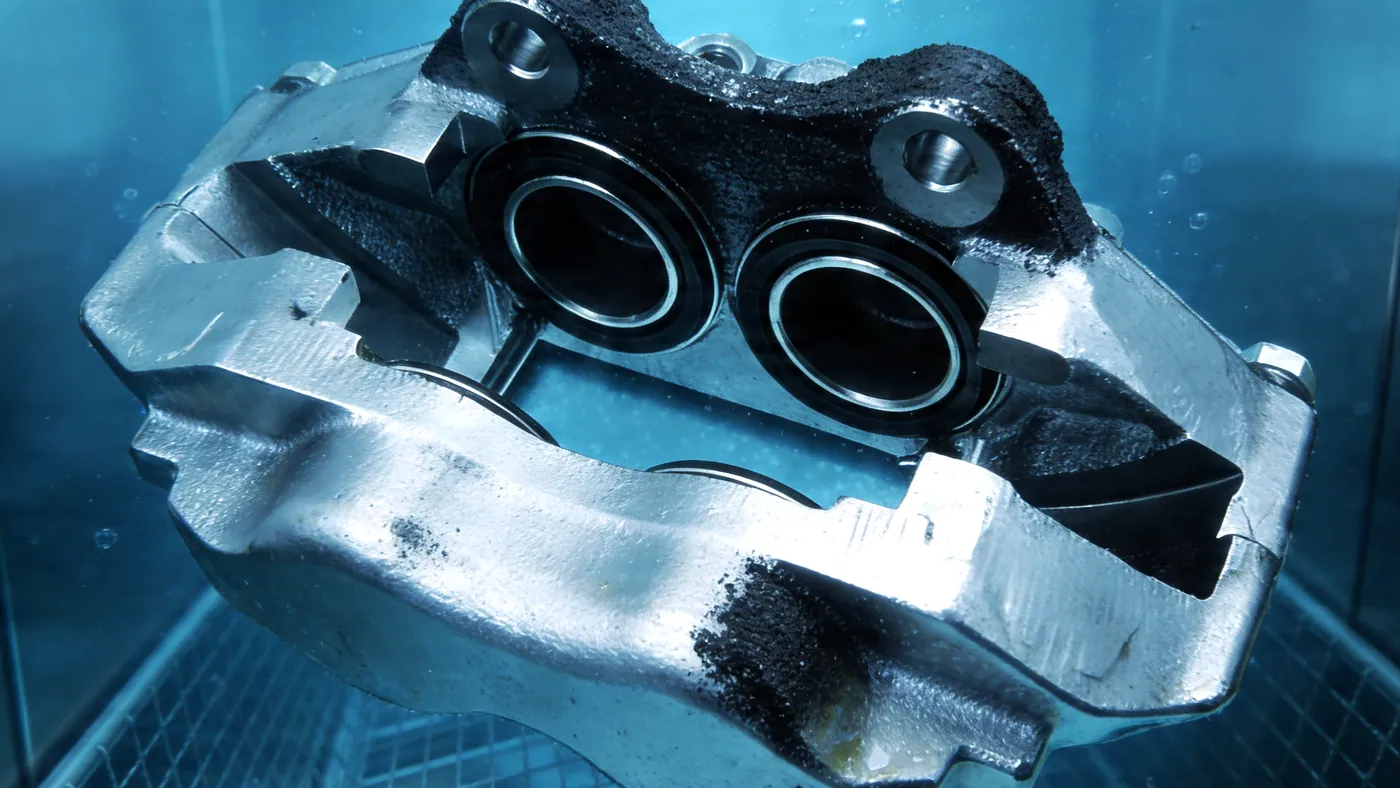
Ultrasonic Cleaning: Strip the caliper or cylinder first: pistons, seals and dust boots come out before the bath. Ultrasonic cleaning then removes brake dust, old brake fluid, grease and grime from the bores and seal grooves, so they can be inspected before reassembly with new seals.
Bearings and bushings
Traditional Method: Manually cleaned using solvents, which could leave residue and affect the longevity of these components.
Ultrasonic Cleaning: Removes all residue and grime, extending the life of these vital components.
Overview of contaminants affecting automotive components: causes, effects, and solutions
Causes and types of contaminants
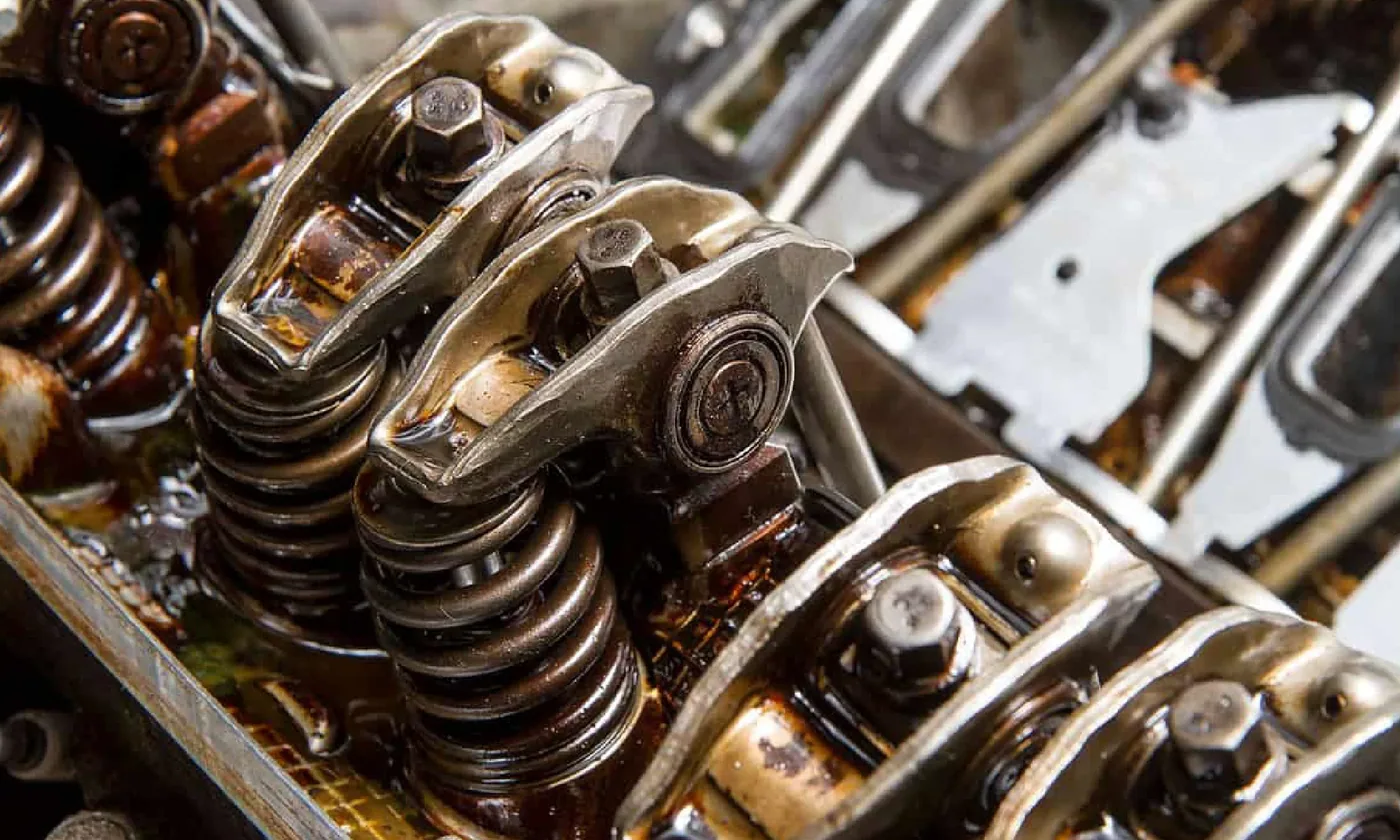
Components used in the automotive industry are susceptible to a wide variety of pollutants, any of which have the potential to adversely influence performance, efficiency, and lifetime. Ultrasonic cleaners used in industry are very effective in removing pollutants such as:
Oil and GreaseComponents and elements of the engine can become coated with oil and grease, which can harm their functionality. Ultrasonic cleaning can eliminate these chemicals, helping to maintain optimal functionality and prevent buildup.
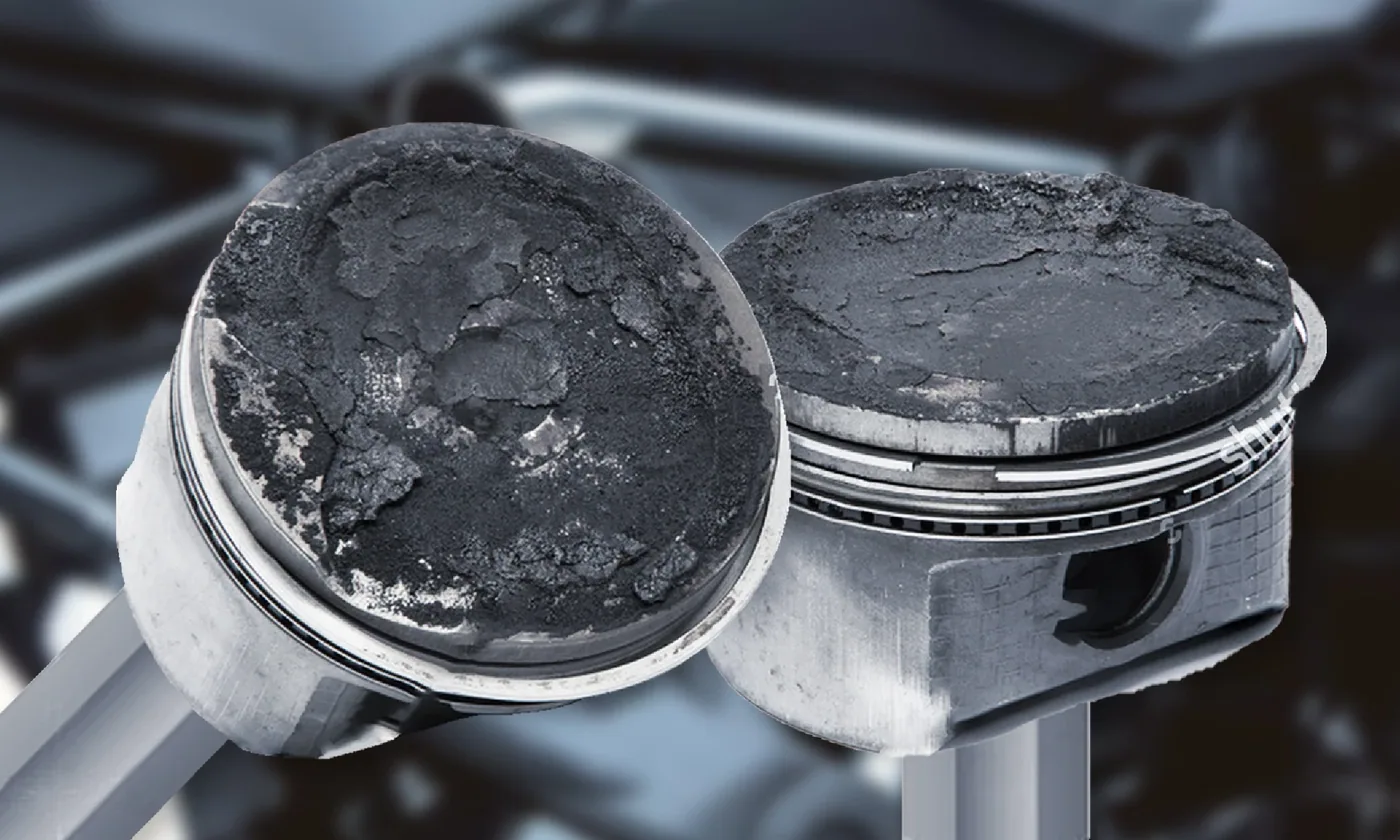
Carbon DepositsCarbon deposits can accumulate on internal combustion engine valves, pistons, and spark plugs, leading to decreased power and efficiency. Because of this, ultrasonic cleaners may successfully remove these deposits and improve engine performance.
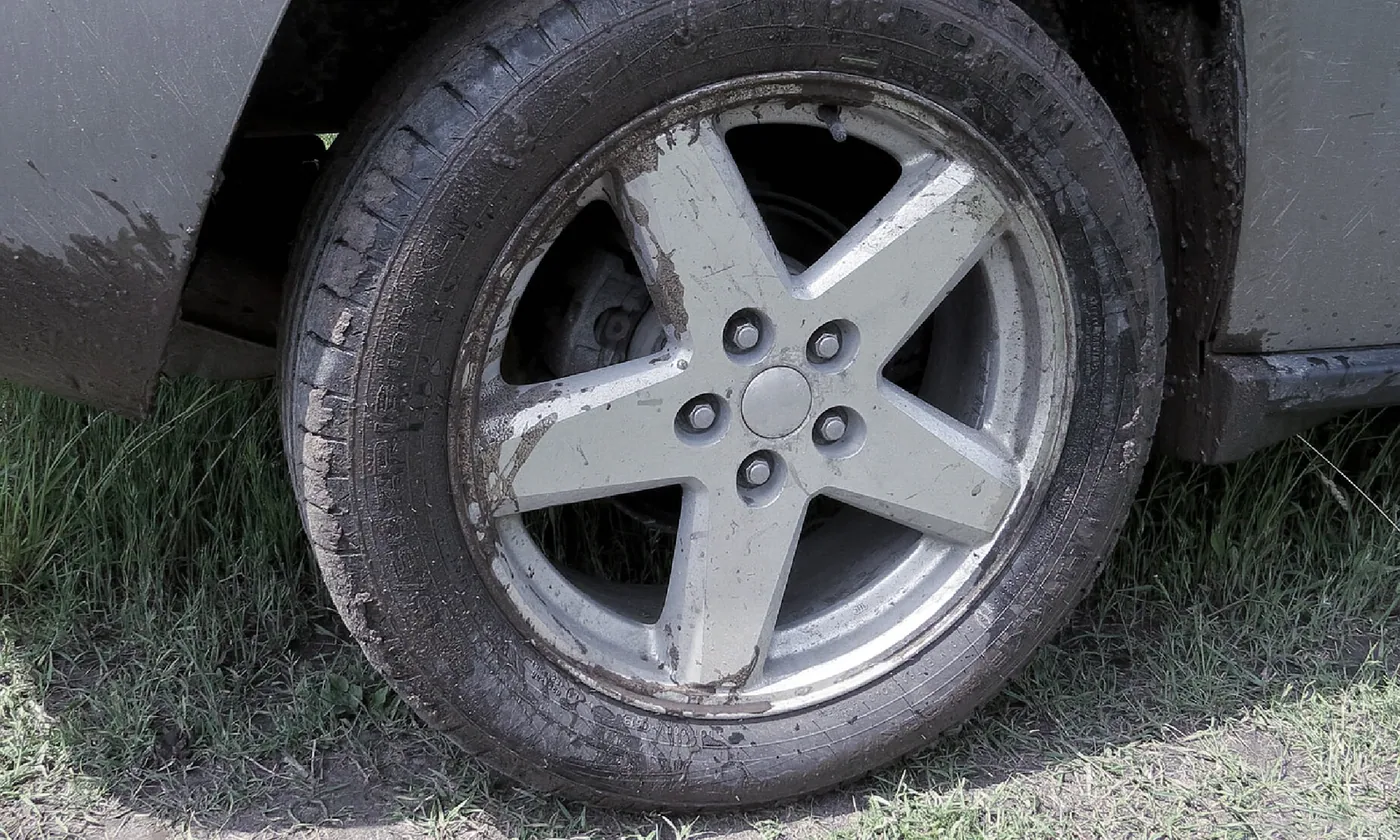
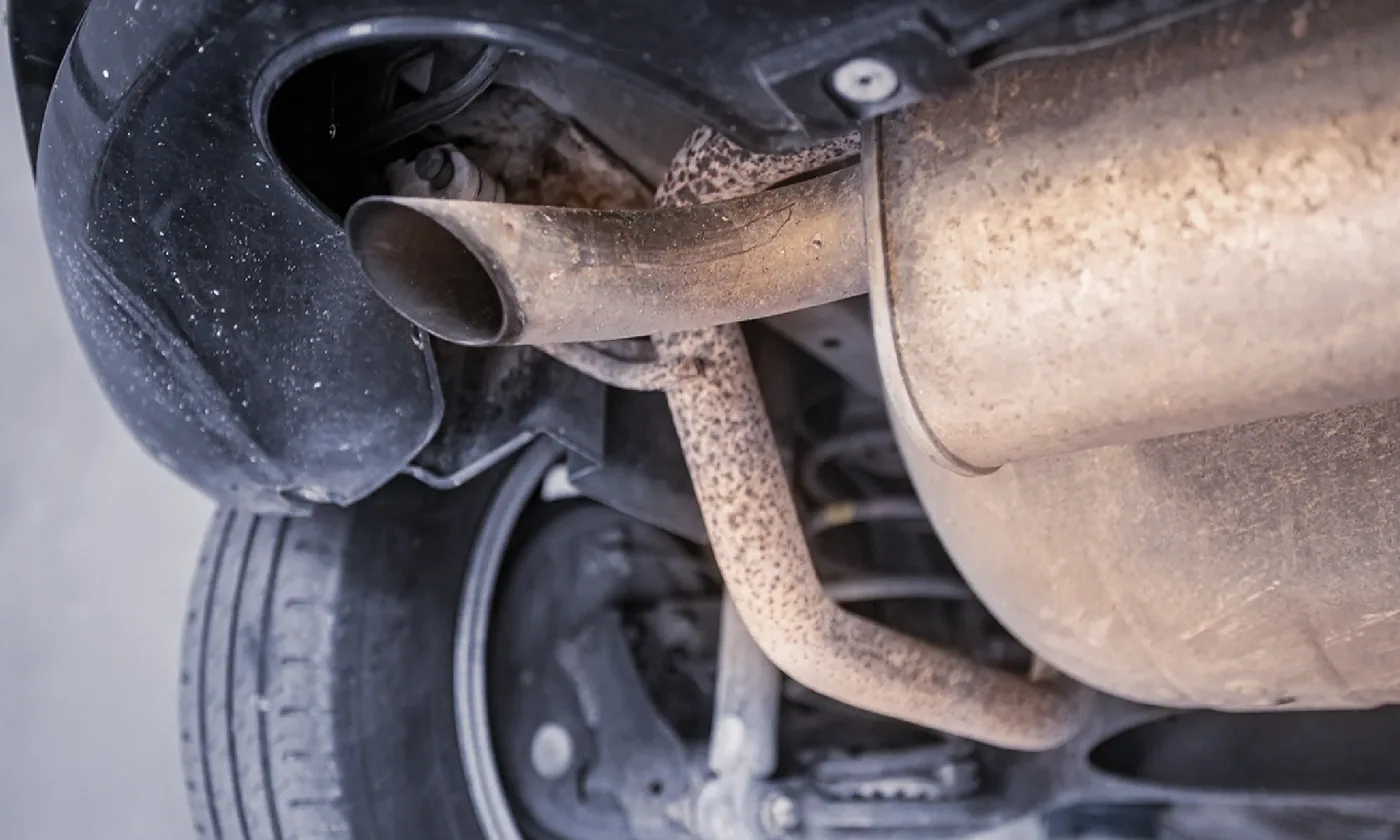
Dirt and Grime Debris, dirt, and grime from the road can collect on the exterior components of a car, diminishing its overall appearance. Ultrasonic cleaning effectively removes these impurities, which does not cause any damage.
Rust and CorrosionRust and corrosion can develop on automotive parts under severe environmental conditions. As a result, removing surface corrosion by ultrasonic cleaning helps maintain the components' structural integrity.
Effects of contamination on automotive components
Contamination can have a range of negative effects on automotive components, including:
- Lower Performance: Dirt and dust might negatively impact the effectiveness of engine parts or aerodynamic components.
- Wear and Tear: Grease, oil, and metal shavings are all things that might speed up the wear on a component, leading to a shorter overall lifespan.
- Malfunction: Rust and oxidation can result in component failure or malfunction.
- Safety Concerns: Contaminated brake or suspension parts can pose serious safety risks.
Advantages of using industrial ultrasonic cleaners in the automotive industry
- Efficiency: Ultrasonic cleaners can handle multiple components at once, reducing cleaning time.
- Precision: The high-frequency sound waves create cavitation bubbles, which explode when they come into contact with the surface. This removes fine contaminants from places a brush cannot reach.
- Safety: They reduce the need for harsh chemicals, making the cleaning process safer for both workers and the environment.
- Versatility: Suitable for a range of components, from intricate fuel injectors to robust engine blocks.
- Eco-Friendly: Ultrasonic cleaning reduces the reliance on harsh chemicals, making the process more environmentally friendly.
- Cost-effective: Reduced chemical use and labor hours can lead to significant cost savings.
Conclusion
Although conventional cleaning techniques have aided the automobile industry for many years, introducing industrial ultrasonic cleaners has completely transformed how the industry cleans components. Ultrasonic cleaning is quickly becoming the industry standard for the repair of automobile parts because of its superior effectiveness, safety, and cost-effectiveness.
Applications in this industry
Engine components
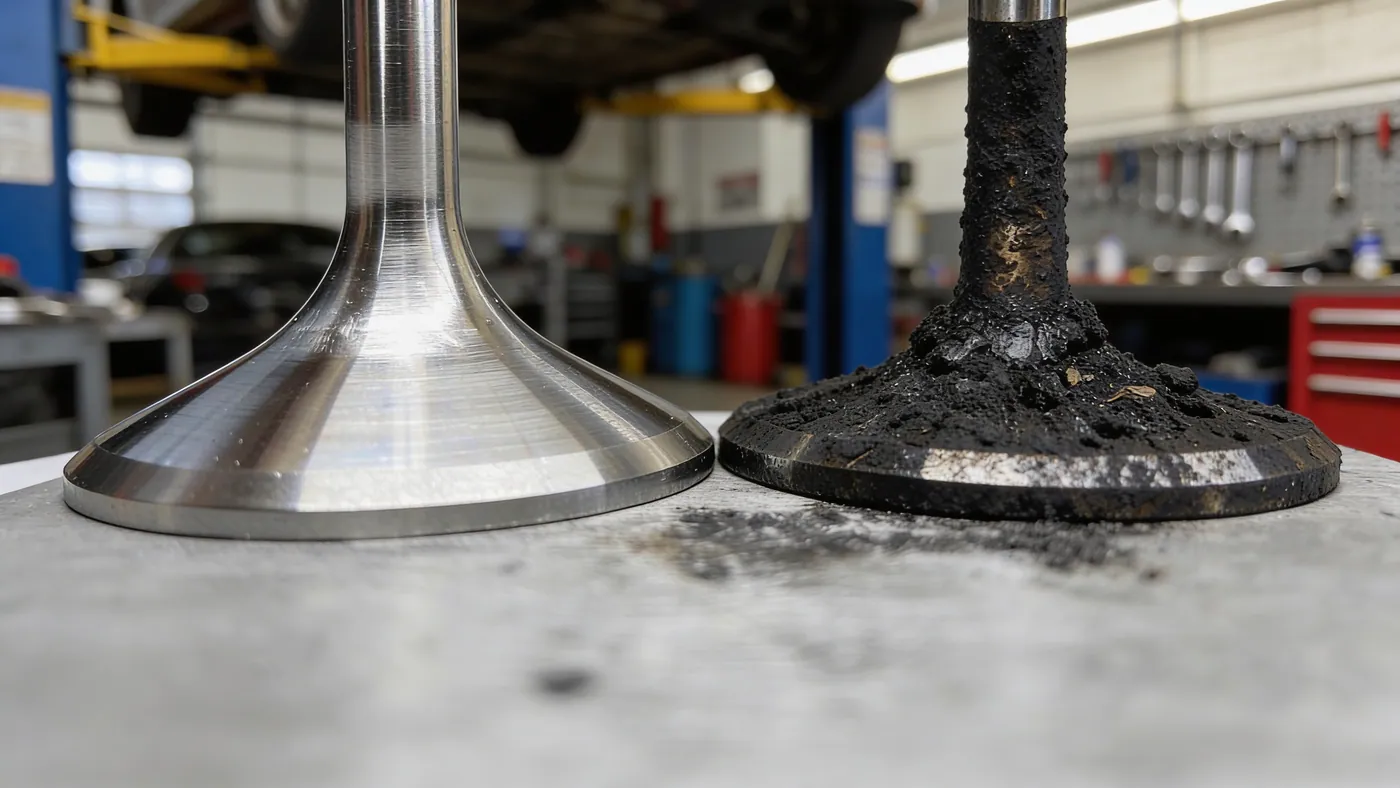 Parts and contaminants · 3 min readRemoving carbon deposits from engine valvesIntake valves on direct-injection petrol engines and exhaust valves on every engine carry hard carbon on the tulip and stem. How to clean valves once the head is off, keep each valve with its guide, and tell a cleaned valve that can be refaced from one that is scrap.
 Parts and contaminants · 3 min readUltrasonic cleaning of turbocharger componentsCoked oil in the bearing housing, soot in the turbine housing, sticking vanes in a variable-geometry ring, oil film on the compressor side. How a turbo rebuilder strips and cleans each part, which metals need which bath, and what gets replaced rather than cleaned.
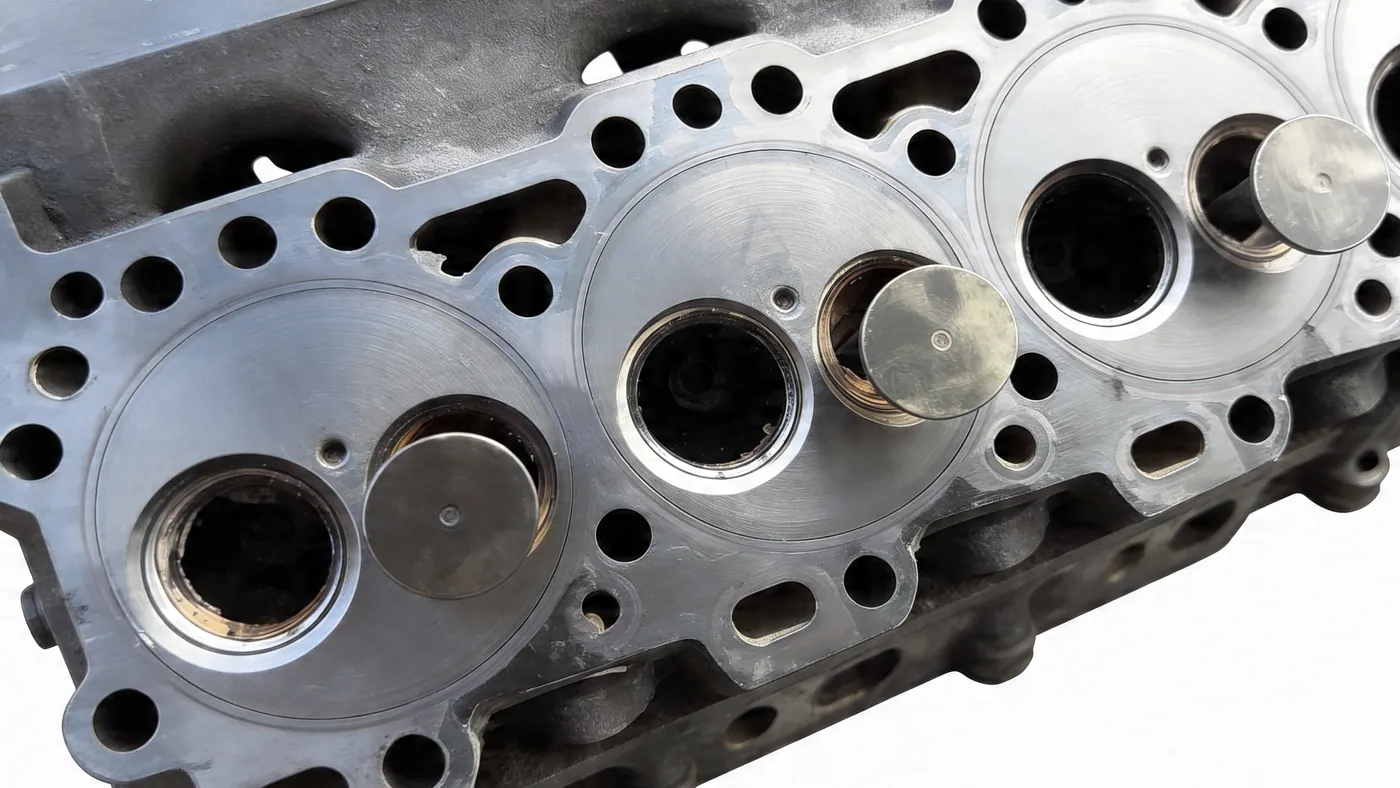 Parts and contaminants · 3 min readUltrasonic cleaning of cylinder heads for automotive repairCarbon in the chambers and ports, oil sludge under the cam covers, scale in the water jacket, gasket remains on the deck. How a head is stripped, which bath suits aluminium and which suits cast iron, and where cleaning sits between crack testing and valve-seat work.
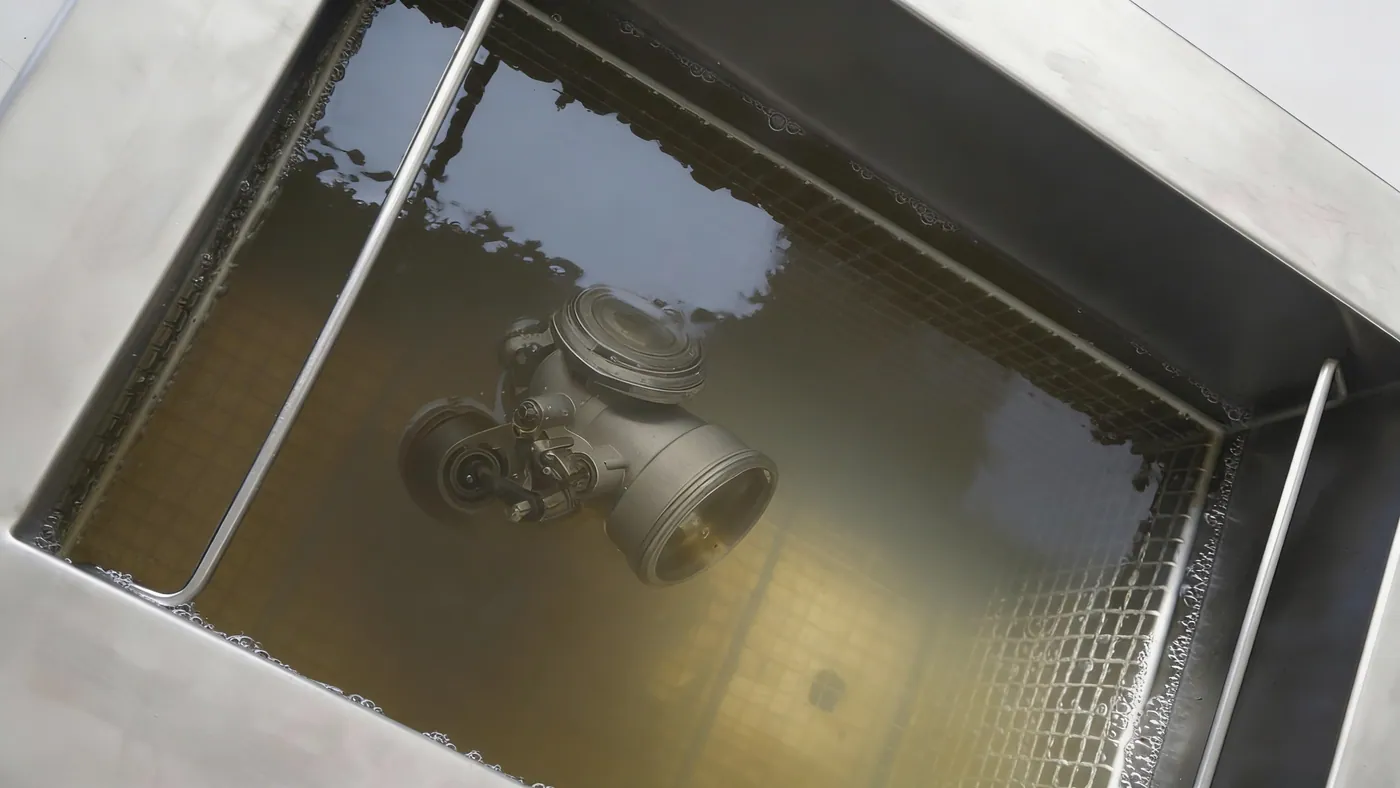 Parts and contaminants · 4 min readCleaning EGR valves in an ultrasonic tankSoot and oil mist bake into a hard cake in the EGR valve and its passages. How to remove the bulk, protect the actuator, which liquid and temperature break the rest, and how to tell a cleaned valve from one that needs replacing.
Fuel system
 Parts and contaminants · 4 min readHow to clean petrol fuel injectors with ultrasoundPort and direct injectors clog at the filter basket and the nozzle. What an ultrasonic bath cleans, why the injector has to be pulsed for the inside, which parts come off first, and the flow test that proves the result.
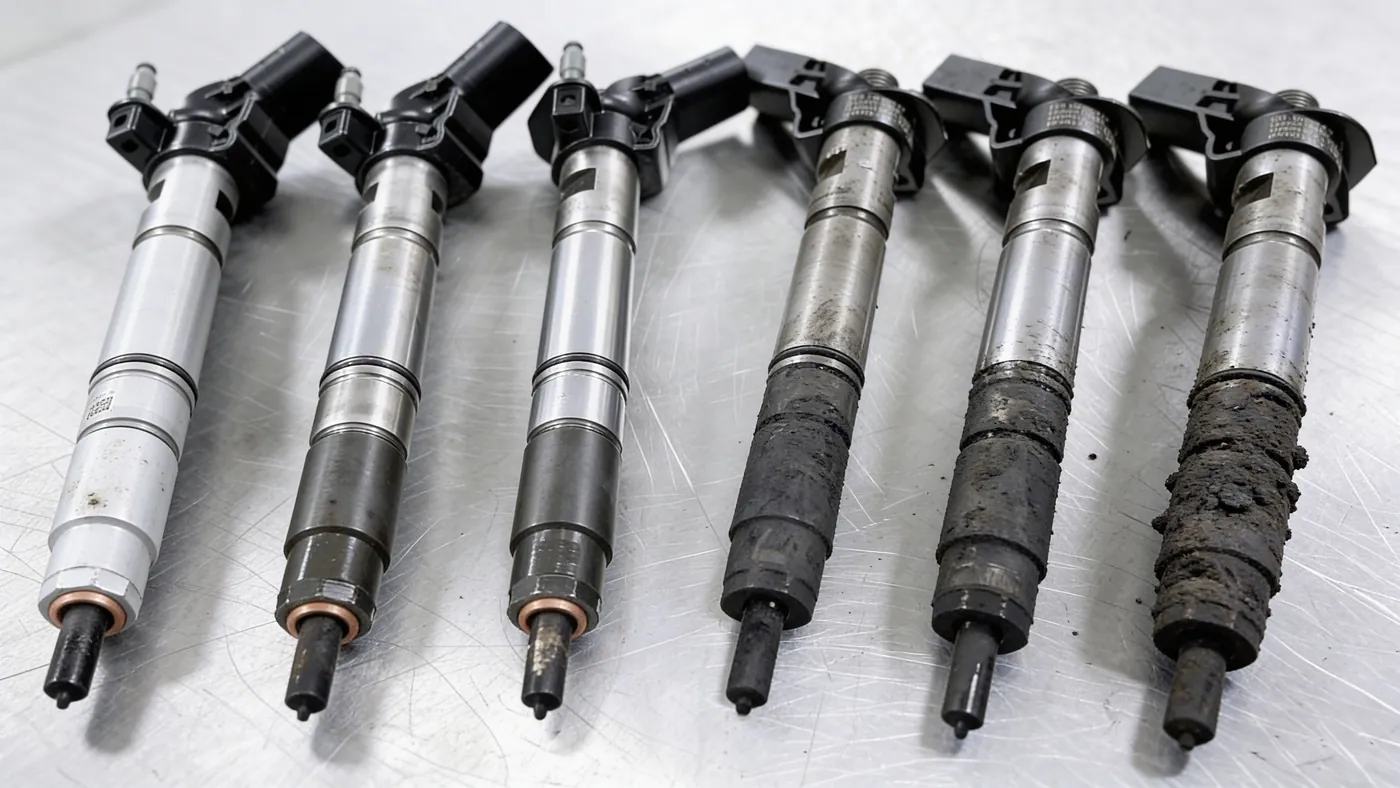 Parts and contaminants · 3 min readUltrasonic cleaning of diesel injectors in the workshopCarbon at the nozzle, tar from blow-by on the body, lacquer inside. How common-rail injectors are prepared, which parts go in the bath and which never do, the liquid, temperature and time, and why the test bench has the last word.
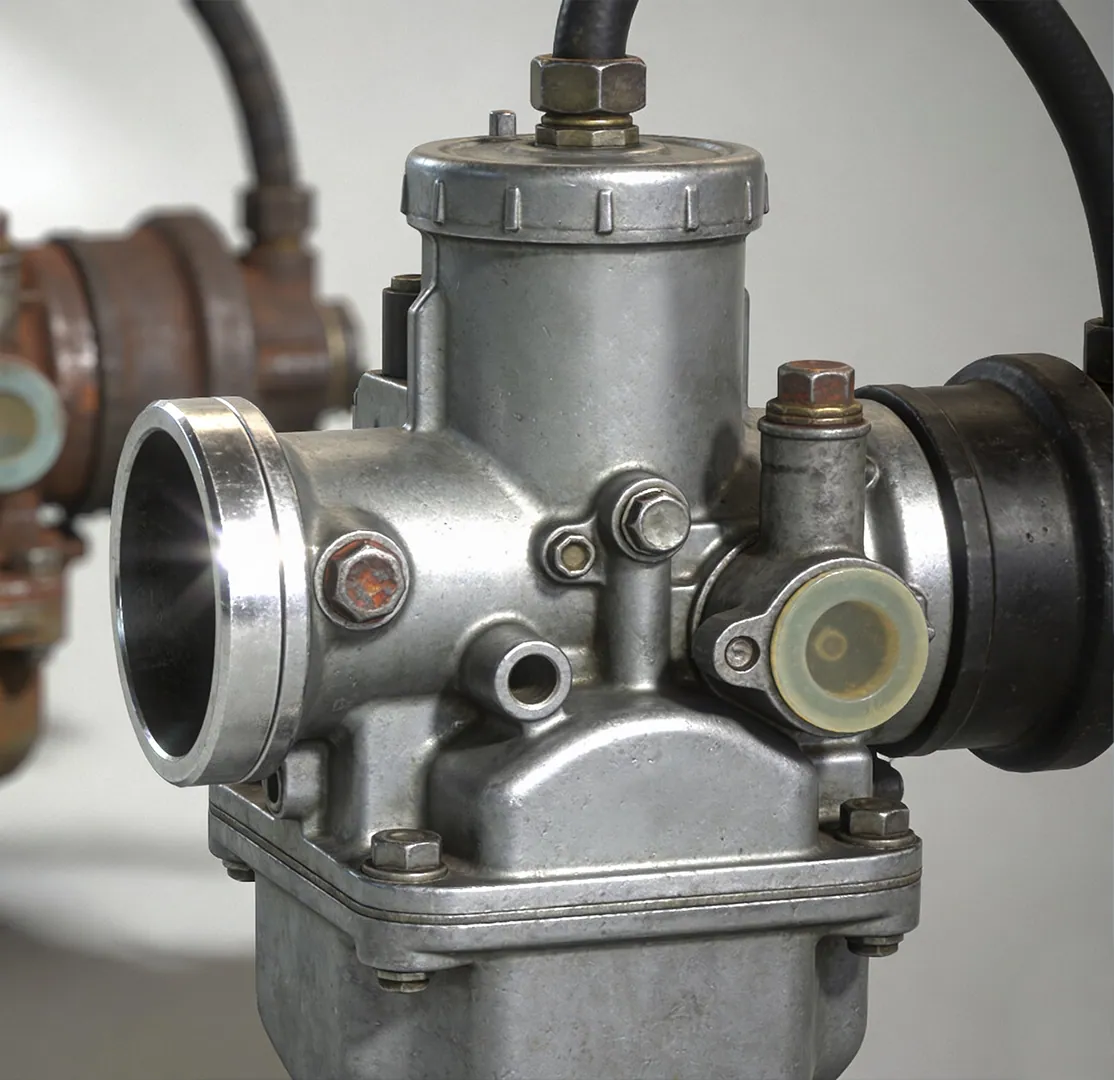 Parts and contaminants · 4 min readUltrasonic cleaning of carburettors: the complete processVarnish, gum and carbon out of jets, emulsion tubes and drillings without hours of wire and spray can. Strip-down, liquid, temperature, frequency and time for aluminium and zinc bodies, and what must never go in the bath.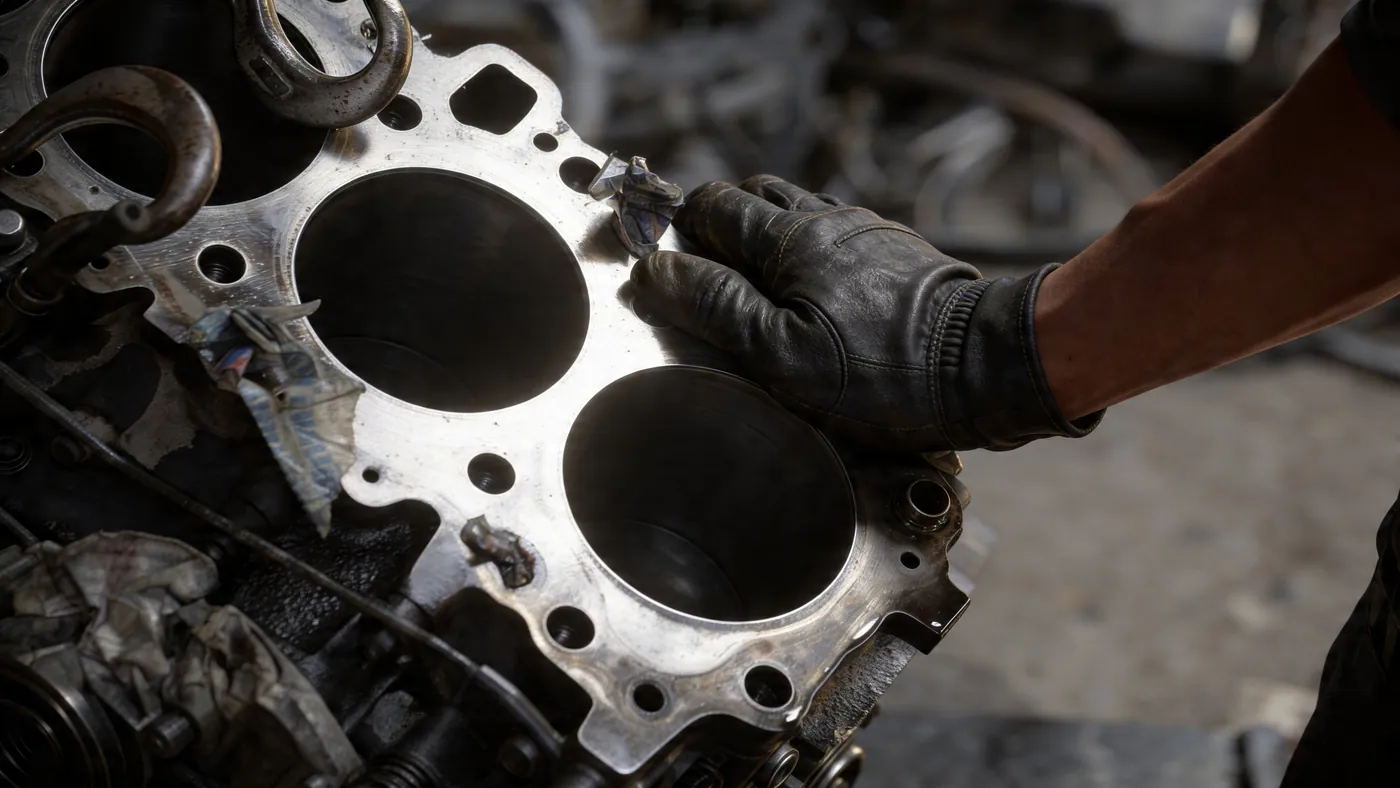
 Parts and contaminants · 4 min readRemoving carbon deposits and baked-on oilCarbon on pistons, valves, injectors, turbo housings and EGR valves is oil that has been cooked onto the metal. It needs the hot end of the bath, the strong end of the chemistry, 28 kHz, and time. What works, what does not, and how to avoid damaging aluminium in the process.Parts and contaminants · 2 min readUltrasonic cleaning for automotive parts: what it does wellCarbon, grease and road dirt off engine parts without hand scrubbing: where ultrasonic cleaning earns its place in a workshop.