
Parts and contaminants · 3 min read · Updated 2026-09-25
Removing rust, scale and oxide
Ultrasound alone does not remove rust; the chemistry does, and the ultrasound makes it fast and complete. Which chemistries work on steel, aluminium, brass and copper, why they do not go in a standard tank, and how to protect the bare metal you have just exposed.
Technical guide. Figures are taken from our own spec tables; for your process we confirm the settings with a cleaning trial.
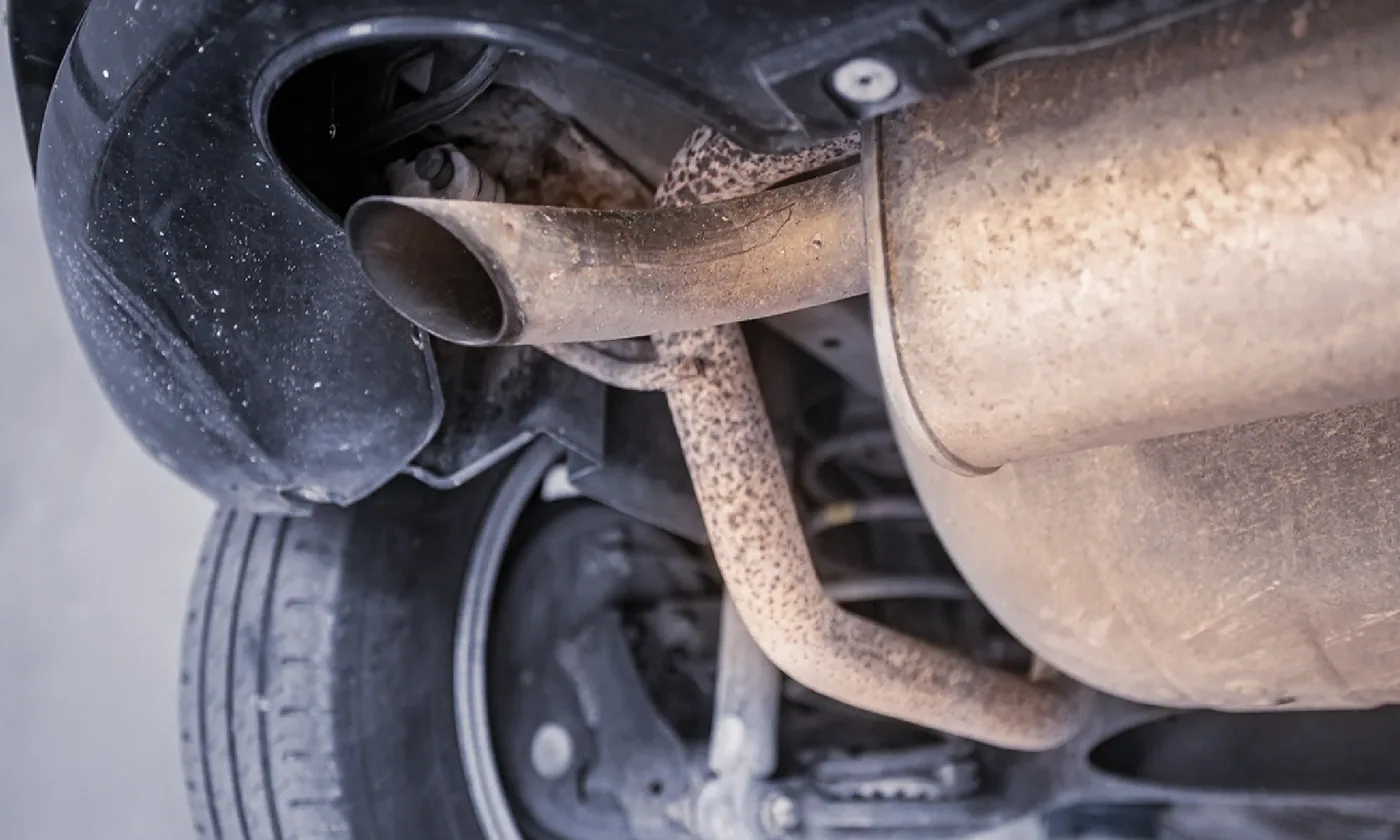
Oil sits on a surface; rust is the surface. Iron oxide is chemically bonded to the steel beneath it and no amount of cavitation lifts it off. What cavitation does is keep the fresh chemistry in contact with the oxide, flush away the reaction products, and reach into the pits and threads that a brush and a dip cannot. With the right bath, rust removal in an ultrasonic tank takes minutes where a static dip takes hours.
The chemistries
- Acid pickling. Phosphoric or citric acid solutions at 5 to 15 %, 40 to 60 °C, dissolve iron oxide. Phosphoric acid leaves a thin phosphate layer that gives a little protection; citric acid is milder and safer to handle. Hydrochloric acid works fast and is not used in ultrasonic tanks: it attacks the tank, fumes, and embrittles high-strength steel. 5 to 20 minutes for light to medium rust.
- Chelating derusters. Near-neutral solutions that bind iron ions without acid; slower, 20 to 60 minutes, but safe on most alloys and on the tank. The choice for parts with mixed metals and for shops without acid handling.
- Alkaline descalers. For heat-treatment scale and mill scale, which acids alone leave patchy. Often a two-step alkali then acid process.
- Aluminium. Oxide on aluminium is thin and removed by a mild acidic or alkaline etch formulated for it; strong acid pits the metal and strong alkali dissolves it. Short cycles, 2 to 5 minutes.
- Brass and copper. Tarnish comes off in a dilute citric or dedicated brass cleaner in 2 to 10 minutes at 40 °C; the surface is bright and reacts with the air again within hours unless lacquered or oiled.
Not in the standard tank
Acid pickling and chloride-bearing derusters attack AISI 304 stainless steel by pitting, which starts under any deposit on the floor and works through the wall. Three ways to do the job properly:
- Indirect. The parts and the deruster go in a polypropylene or glass container standing in the tank, which holds plain water. Cavitation passes through the container wall at about two thirds strength. Right for small parts and small batches; see direct and indirect cleaning.
- Insert tank. A stainless AISI 316 or a plastic insert tank sized to the main tank, with its own drain, holding the deruster. The main tank stays in water. Right for regular derusting of full baskets.
- A tank built in AISI 316. For a dedicated derusting station on a line. Specified in the enquiry, see tank material.
Chelating near-neutral derusters are the exception and can be used in a 304 tank if the supplier's data sheet says so.
After the rust is gone
The surface is now bare, active metal with a large area of fresh pits, and it rusts again faster than it did before, within the hour in a humid shop. Every derusting process ends with:
- a thorough rinse, because acid left in a thread keeps working;
- neutralisation for acid processes, a dip in a mild alkaline solution;
- an inhibitor: a rust-preventive dip, a dewatering oil, or immediate drying and coating.
The rinsing and drying article covers the stations.
Where it is used
Restoration of engine and machine parts, cleaning fasteners and fittings before plating, preparing weld areas, removing scale from heat-treated parts before machining, and cleaning moulds and tooling that have rusted in storage. In each case the ultrasonic tank replaces blasting, which removes metal and rounds edges, and wire brushing, which cannot reach inside.
A caution on strength
Hydrogen from acid pickling can embrittle high-strength steels, springs and fasteners above about 1000 MPa. For those parts, a chelating deruster or a short pickle followed by a bake-out at 200 °C, as the part's specification requires. When in doubt, ask the part's maker before putting it in acid.