Industries · 4 min read · Updated 2026-11-18
Ultrasonic cleaning in chemical, pharmaceutical and laboratory work
Glassware, pipettes and dispenser parts, sieves and filter elements, removable mixer and reactor parts, press tooling and parts before plating: what residue each carries, which cleaner removes it, and why cleaning, rinsing and disinfection are separate steps.
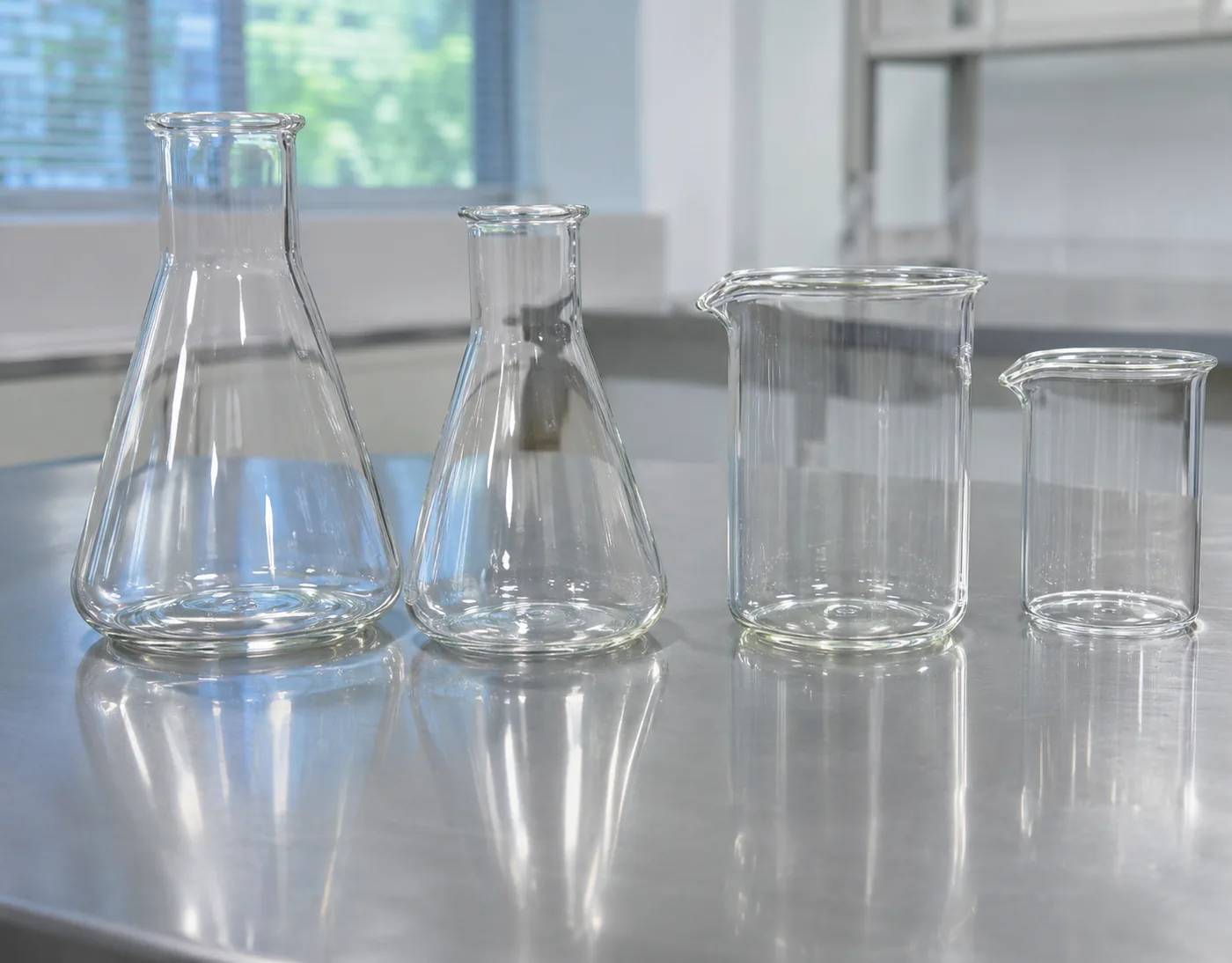
Chemical plants, pharmaceutical producers and laboratories clean the same kind of items: small, often fragile, often with narrow passages, and soiled with the product itself. Ultrasonic cleaning is a good fit for that, as one step in a cleaning procedure that the site defines and, where required, validates. The tank removes residue. Rinsing, drying, disinfection and the release check remain separate steps in the procedure.
The parts
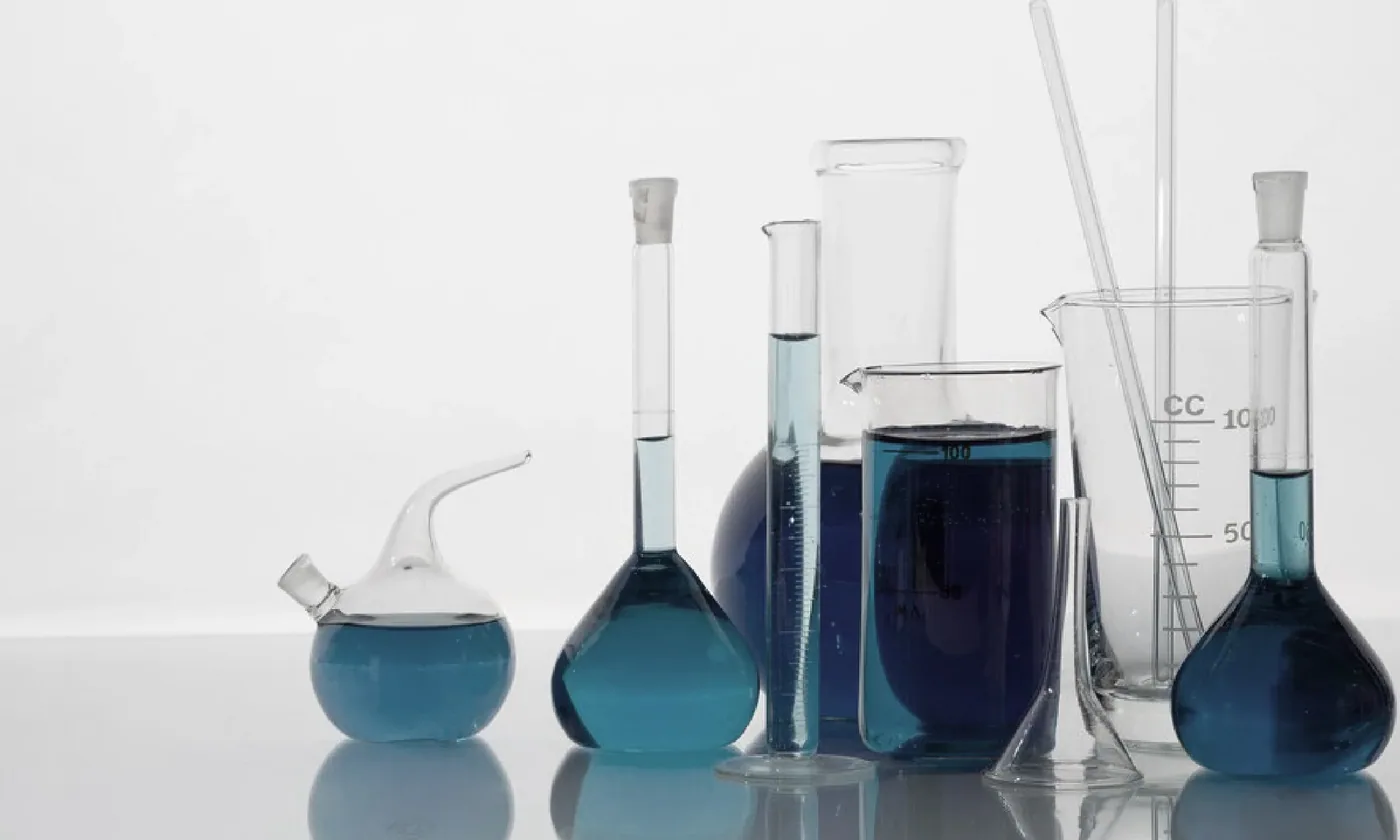
- Laboratory glassware: beakers, flasks, funnels, sintered-glass filters, and volumetric glassware where the lab's own rules allow it.
- Pipettes and dispensers: metal and glass parts, dosing nozzles, valve parts.
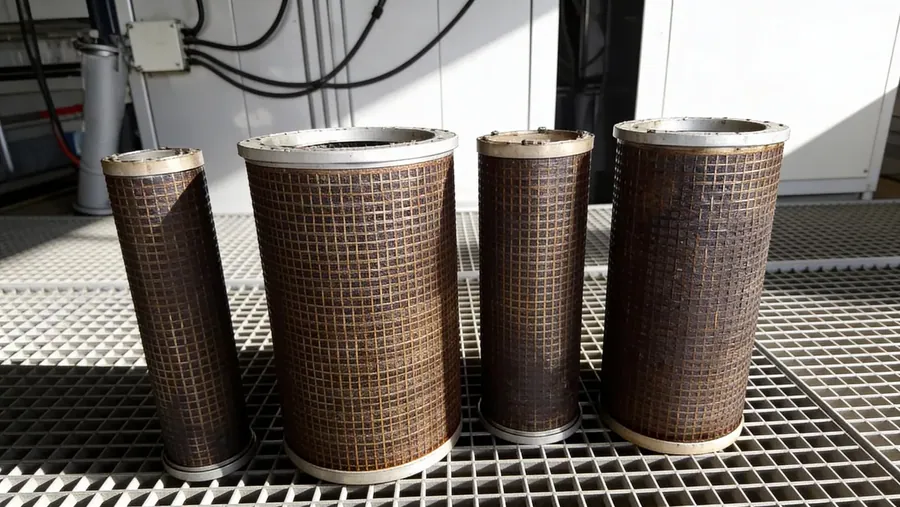
- Sieves, strainers and filter elements: stainless mesh, sintered metal, and membranes only where the membrane maker allows ultrasonic cleaning.
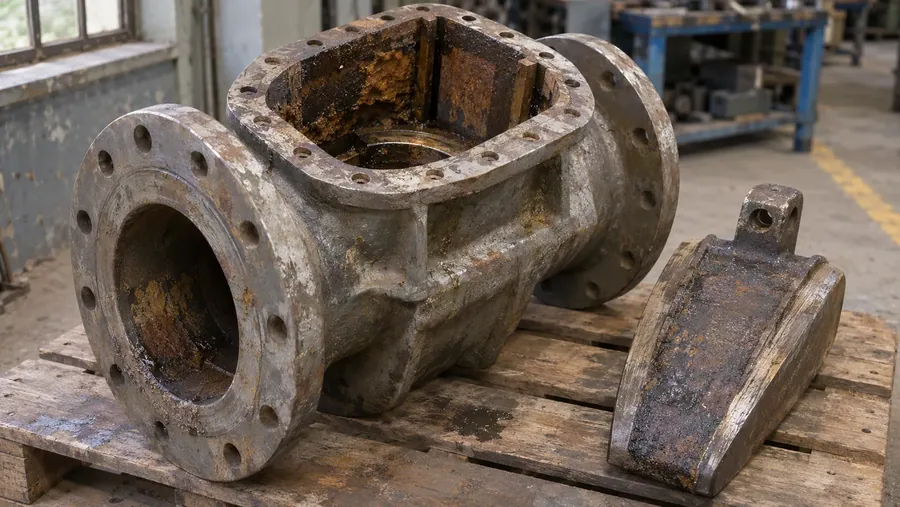
- Mixer and reactor parts that come out for cleaning: agitator blades, impellers, sampling valves, nozzles, seal hardware.
- Pharmaceutical tooling: tablet press punches and dies, filling valves and nozzles.
- Parts before electroplating or other surface treatment, where oil and particles must be gone before the first process bath.
The soil
| Residue | Typical source |
|---|---|
| Organic residue, polymer and resin films | product, reaction by-products |
| Salts and crystallised product | evaporated solutions, dried-on samples |
| Proteins, fats, starches | biological samples, fermentation, food-contact parts |
| Particles, fibres, dust | handling, grinding, sieving |
| Oils and polishing compounds | parts before plating, machined equipment parts |
| Residue of a previous cleaner | incomplete rinsing |
Residue left in a vessel or line is what microorganisms grow on, and residue of one product can carry over into the next batch. Removing it is the job of the clean; proving it is gone is the job of the procedure.
The chemistry
- Glassware and general lab items: a neutral or mildly alkaline laboratory cleaner.
- Organic residue and resin films: alkaline cleaner, warm.
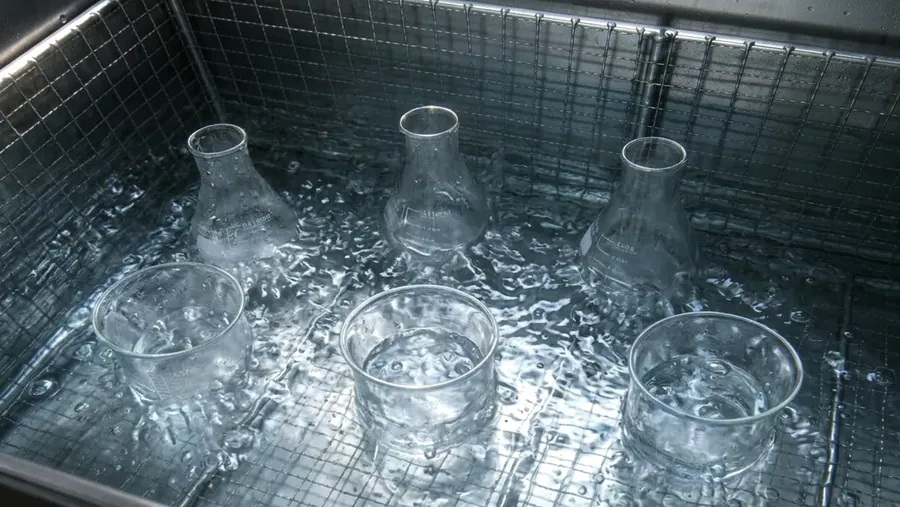
- Salts and mineral deposits: acidic cleaner. Acids containing chlorides attack stainless steel, including the tank; put the acid in a glass or plastic beaker standing in the water-filled tank (indirect cleaning), so the tank only carries the sound.
- Proteins and biological residue: an enzymatic or alkaline cleaner made for it.
- Parts before plating: alkaline degreaser, then a rinse in the water quality the next process bath needs.
Flammable solvents do not belong in a heated ultrasonic tank. Where a solvent is the only option, use a small amount in a closed beaker for indirect cleaning, under the site's rules for that solvent.
Cleaning does not disinfect. Where the process requires disinfection or sterilisation, it is a separate step after cleaning and rinsing. Final rinses in purified or deionised water, and the drying that follows, are set by the procedure, not by the tank.
Frequency, temperature and time
40 kHz for most of this work: glassware, pipettes, fine mesh, small bores and polished tooling. The smaller bubbles reach narrow gaps and are gentler on glass and soft metals. 28 kHz suits robust stainless parts with heavy, dried-on residue: mixer blades, strainer baskets, valve parts.
| Residue | Temperature | Time, as a starting point |
|---|---|---|
| General lab soil on glassware | 40 to 55 °C |
3 to 10 min |
| Organic films, resin | 55 to 65 °C |
10 to 20 min |
| Proteins, enzymatic cleaner | 35 to 45 °C |
5 to 15 min |
| Salts, acidic cleaner | per cleaner maker | 5 to 15 min |
| Oil before plating | 50 to 60 °C |
5 to 10 min |
Enzymes lose activity above about 55 °C
Which Sonixtek machine
| Work | Machine | Why |
|---|---|---|
| Glassware, pipettes, small tooling, indirect cleaning in beakers | STS or STB benchtop, 2 to 30 L |
40 kHz, on the lab bench |
| Strainers, mixer parts, press tooling in batches | ST-40 to ST-206 | 28 or 40 kHz, chosen at order; sweep standard |
| Mixed work, where oil or particles build up | UMX Pro, 50 to 255 L |
optional pump, filter and oil skimmer |
| Larger parts, continuous filtration | SF filtration units, 225 to 360 L |
built-in filtration; 200 kg |
| Drying after the rinse | DT hot-air dryers | 96 to 300 L |
The industrial series heat from room temperature to 100 °C
Tell us the items, the residue and the rinse your procedure needs, and we will suggest a tank and a trial.