Industries · 4 min read · Updated 2026-09-30
Ultrasonic cleaning in medical technology
Implants, device parts, tubing, lab ware and veterinary instruments: where industrial ultrasonic cleaning fits in medical technology, and where it does not.
Technical guide. Figures are taken from our own spec tables; for your process we confirm the settings with a cleaning trial.
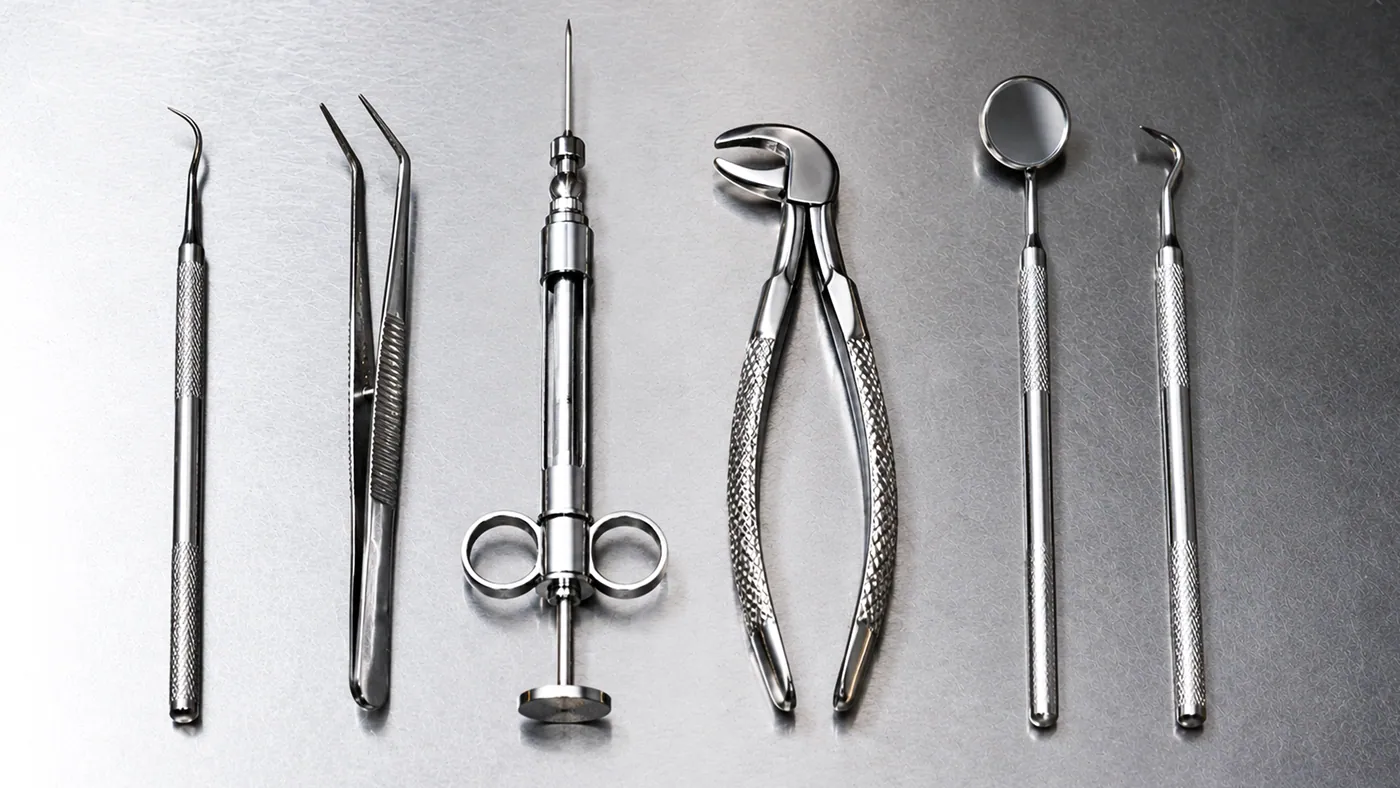
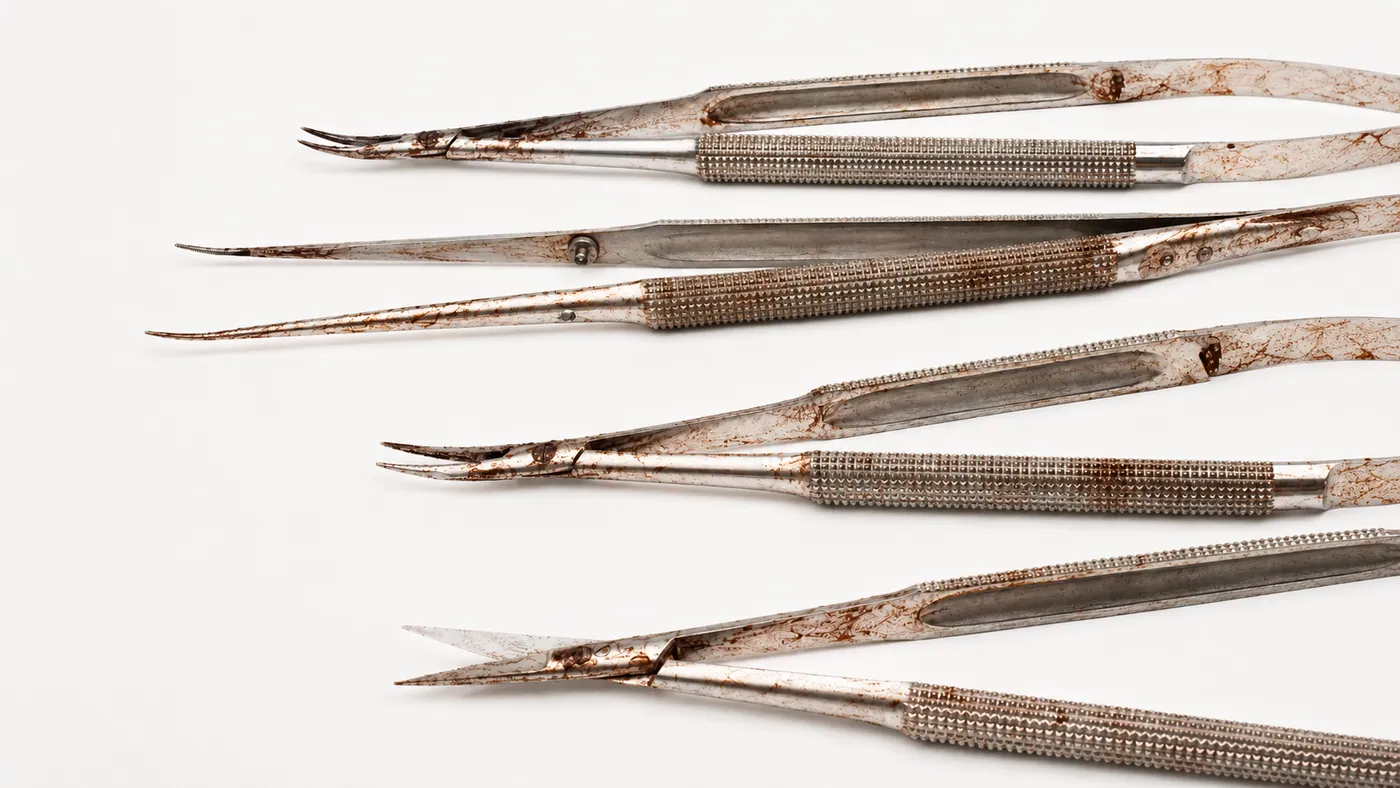
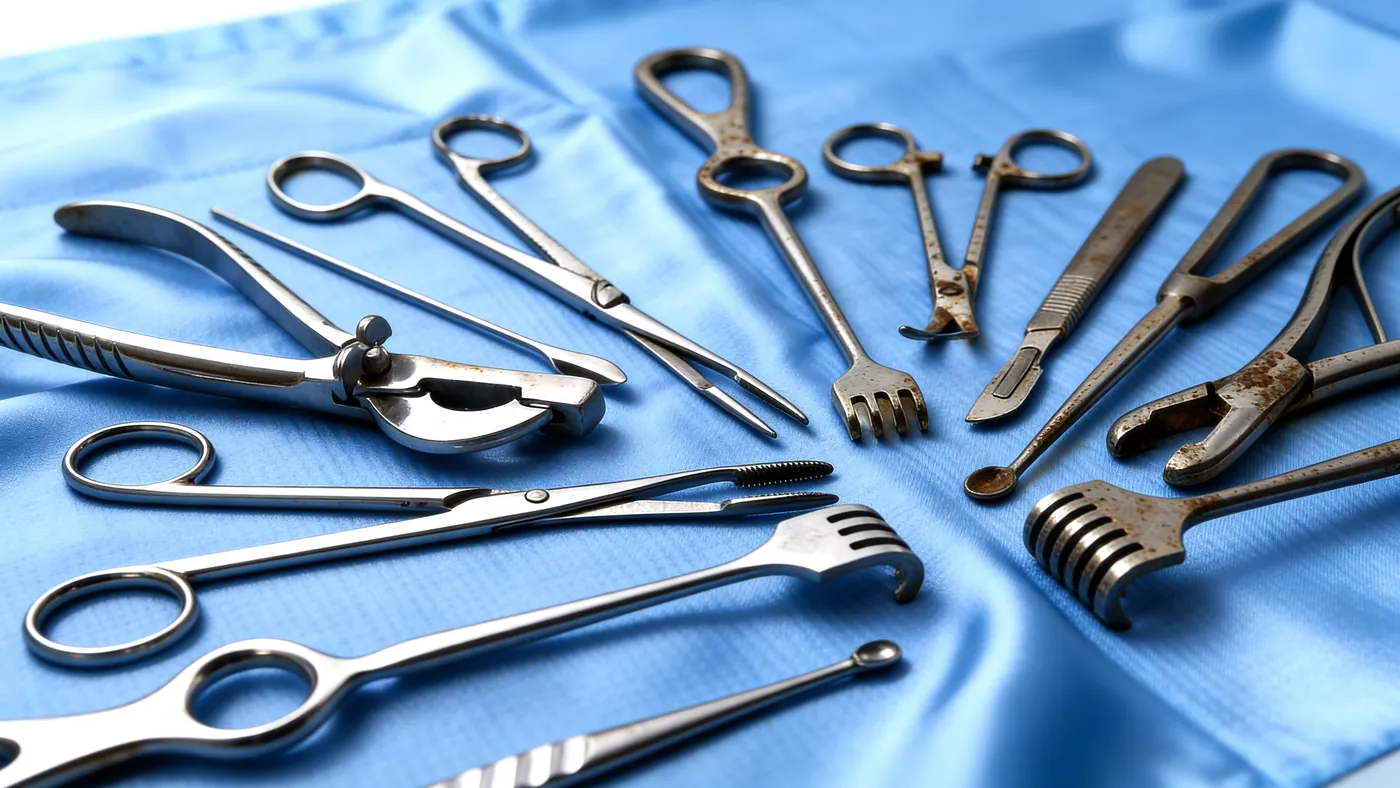
Medical technology cleans at every stage. An implant is cleaned between machining and polishing, before passivation and once more before it goes into the cleanroom for packaging. A laboratory cleans its glassware between every analysis. A veterinary practice cleans its instruments after every operation. And a hospital cleans surgical instruments hundreds of times a day. Ultrasonic cleaning is used in all of these, but they are not the same job, and they are not governed by the same rules.
Where our machines fit, and where they do not
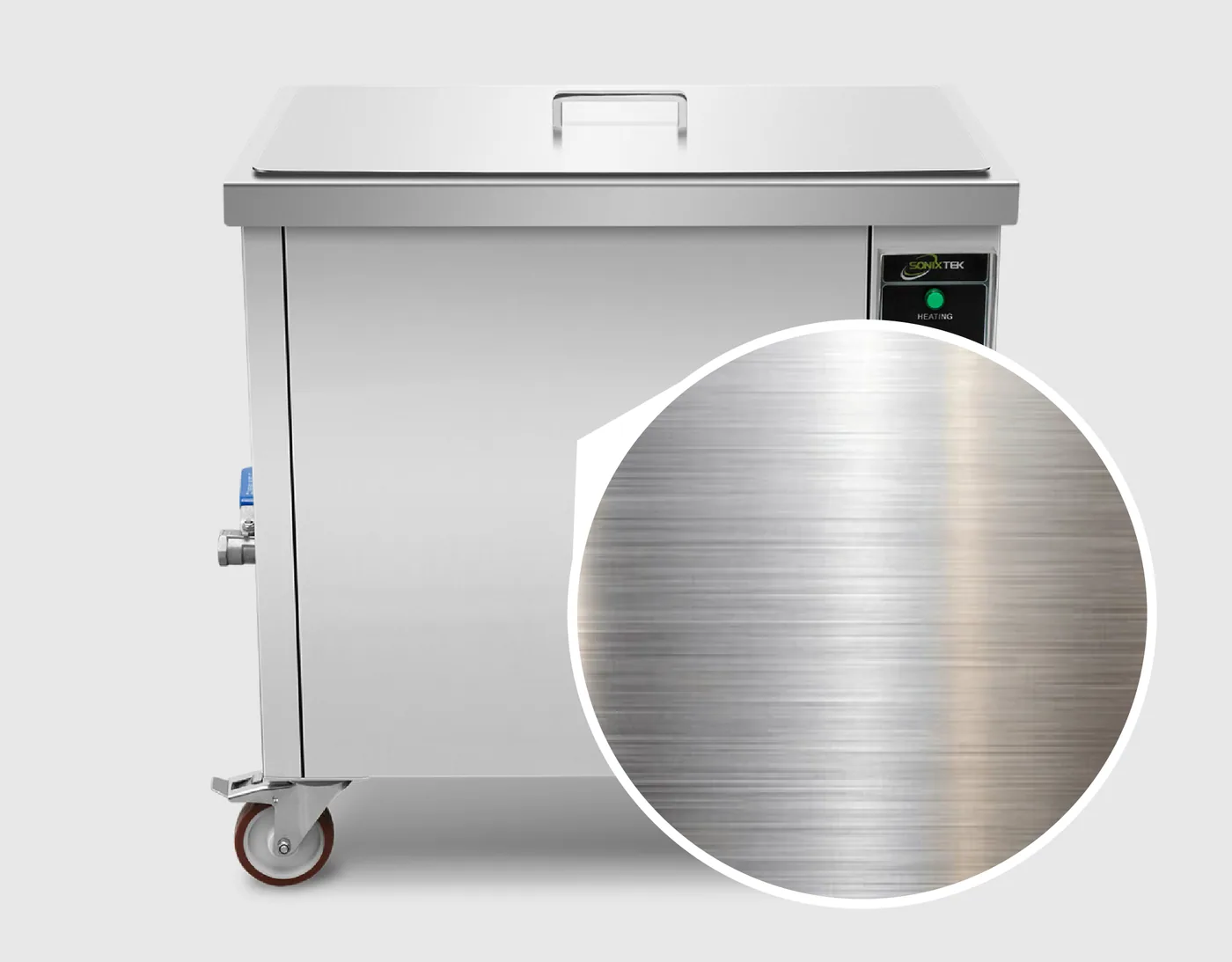
In the EU, products specifically intended for the cleaning, disinfection or sterilisation of medical devices are themselves medical devices under Regulation (EU) 2017/745, Article 2(1). Sonixtek machines are industrial cleaning equipment and are not certified as medical devices. That draws a clear line:
| Industrial ultrasonic cleaning fits | Certified reprocessing equipment is required |
|---|---|
| Manufacturing of implants, instruments and device components, before the manufacturer's own final cleaning, packaging and sterilisation | Reprocessing of surgical, dental and microsurgical instruments in hospitals, clinics and practices |
| Laboratories: glassware, sieves, instrument parts | Endoscopes and other lumened devices reused on patients |
| Hospital technical services and kitchens: non-medical items | Anything else reprocessed for use on a patient |
| Veterinary practices and clinics |
Reprocessing in hospitals and practices uses equipment certified for that purpose, washer-disinfectors to EN ISO 15883, and follows each instrument maker's reprocessing instructions, which EN ISO 17664 requires the maker to supply. Our articles on surgical and dental instruments explain that cleaning step without recommending a machine for it.
In every setting, ultrasonic cleaning removes soil. It neither disinfects nor sterilises; those are separate steps that follow it and need a clean surface to work on.
Manufacturing: what comes off
A medical device leaves production with whatever was on its parts at the last cleaning step. Typical residues:
- Coolant, cutting oil and chips from turning and milling titanium, CoCrMo and stainless steel, in threads, cannulations and cross-drillings.
- Polishing compound from the bearing surfaces of joint implants and from instruments: waxes and binders carrying abrasive, which harden if left.
- Blasting media and loose powder in roughened surfaces, porous coatings and additively made lattices.
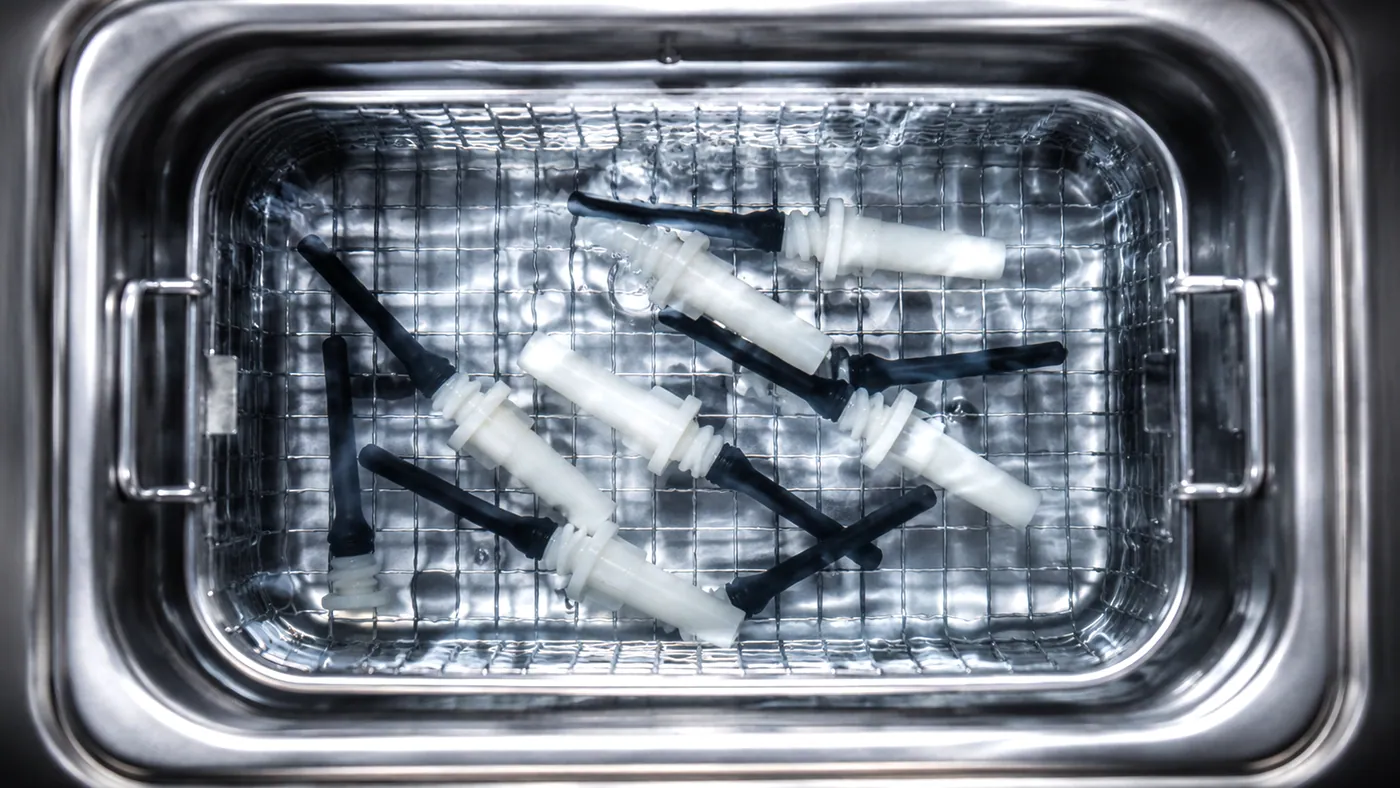
- Stamping oils, mould release and particles on formed springs and contacts and on moulded plastic parts.
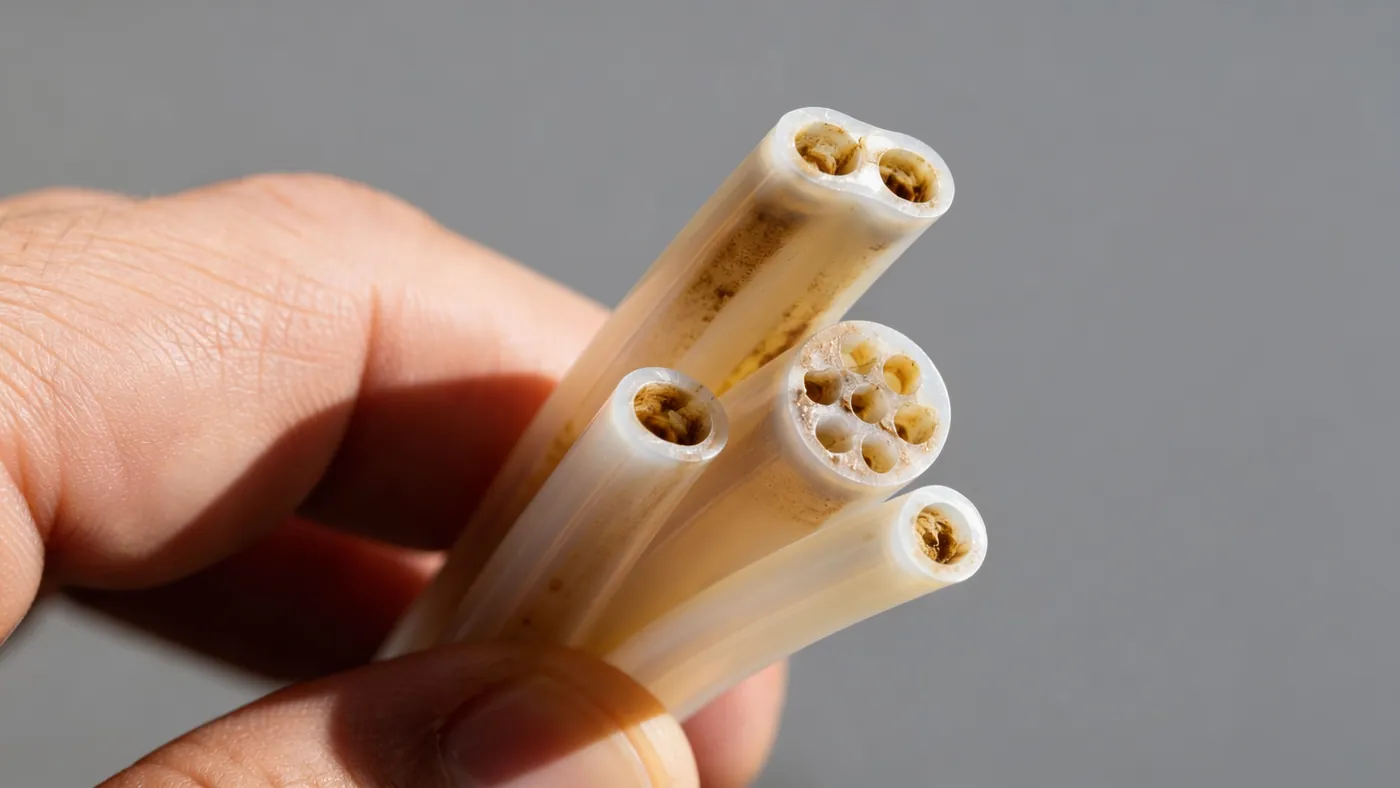
- Burrs and recast particles in laser-cut and ground tubing and needles.
- Fingerprints and handling residue, which matter before passivation, anodising, bonding and packaging.
The process in production
Cleaning in device manufacturing is a process validated under the manufacturer's quality system, ISO 13485: a cleaning result is not tested on every part, so the process that produces it is qualified and then held stable. For orthopaedic implants, ISO 19227 asks the manufacturer to identify the contaminants of each step, set acceptance criteria, validate the cleaning against them and evaluate what remains. The biological evaluation under ISO 10993 includes manufacturing residues and the cleaning agent itself.
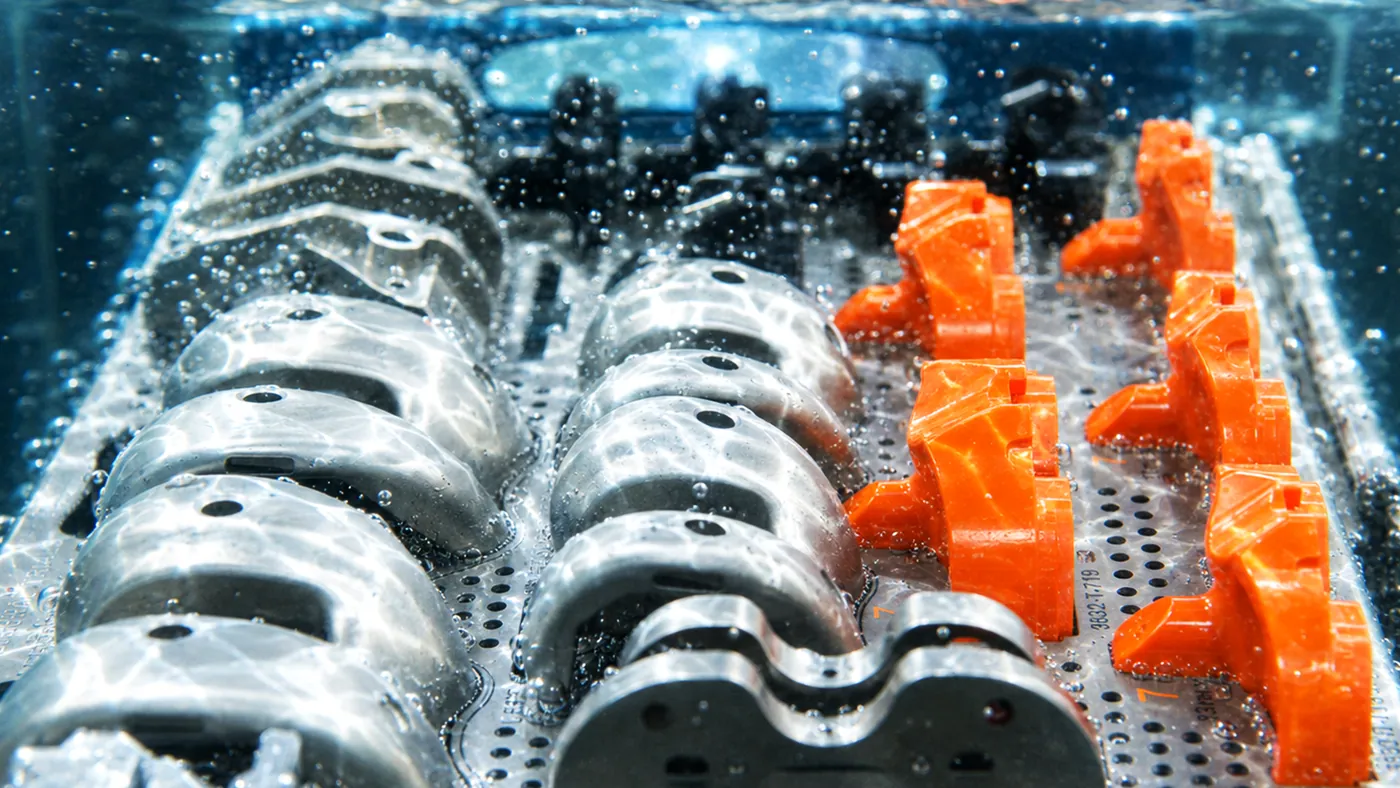
What the machine contributes is stability: stored programmes for time, temperature and ultrasonic power, a fixed load pattern, filtration, rinse water of controlled quality, and drying that does not recontaminate. The usual sequence is ultrasonic wash, one or more rinses, a final rinse in purified water, and hot-air drying. 40 kHz is the default for small parts; 80 kHz suits fine particles on polished surfaces and delicate parts; 28 kHz heavy parts with coarse chips.
Laboratories
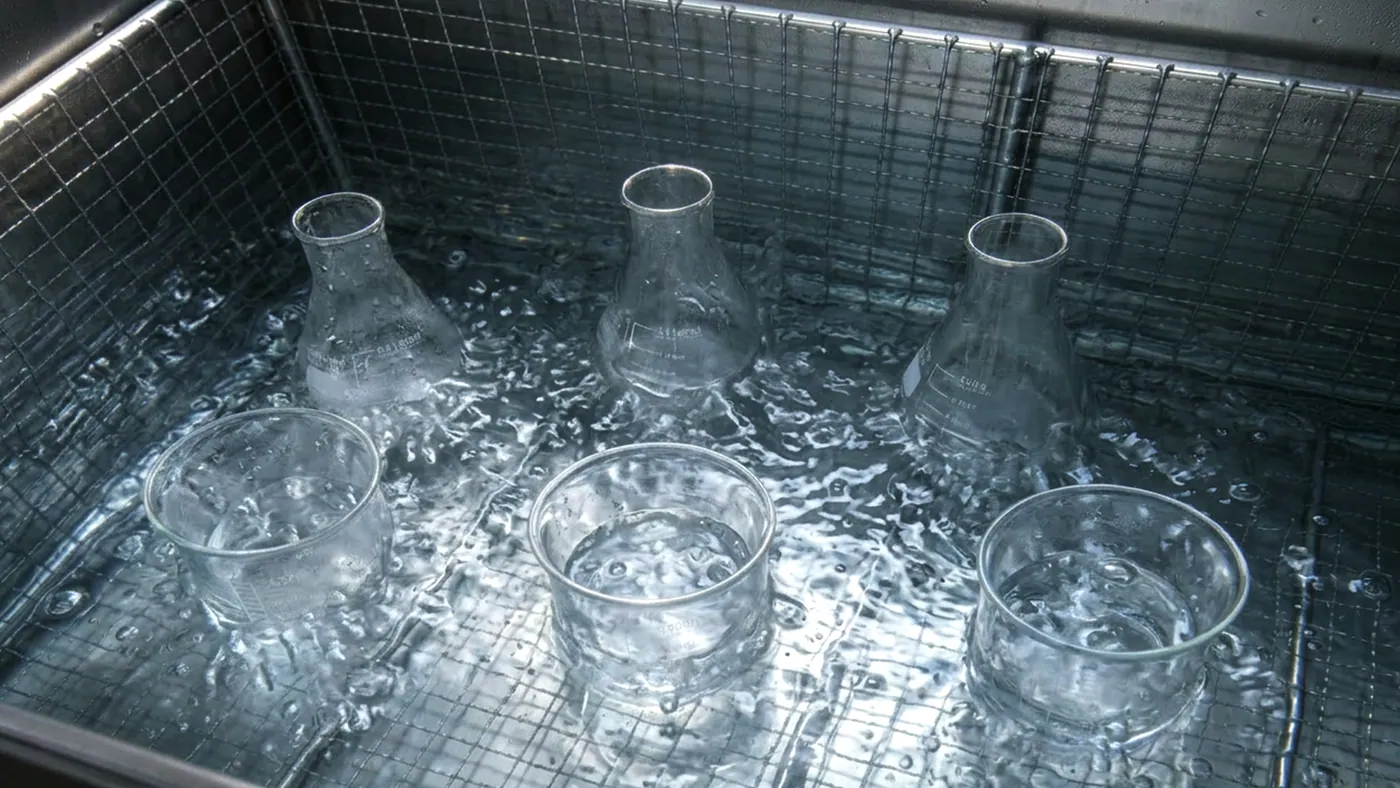
Laboratory glassware and parts are not medical devices, and a benchtop or industrial ultrasonic cleaner is standard equipment for them. The work is about chemistry and rinsing: an alkaline or enzymatic laboratory detergent, a thorough rinse in purified water, and care with volumetric glassware, which does not go into hot alkali or a hot oven. See laboratory glassware.
Veterinary practices
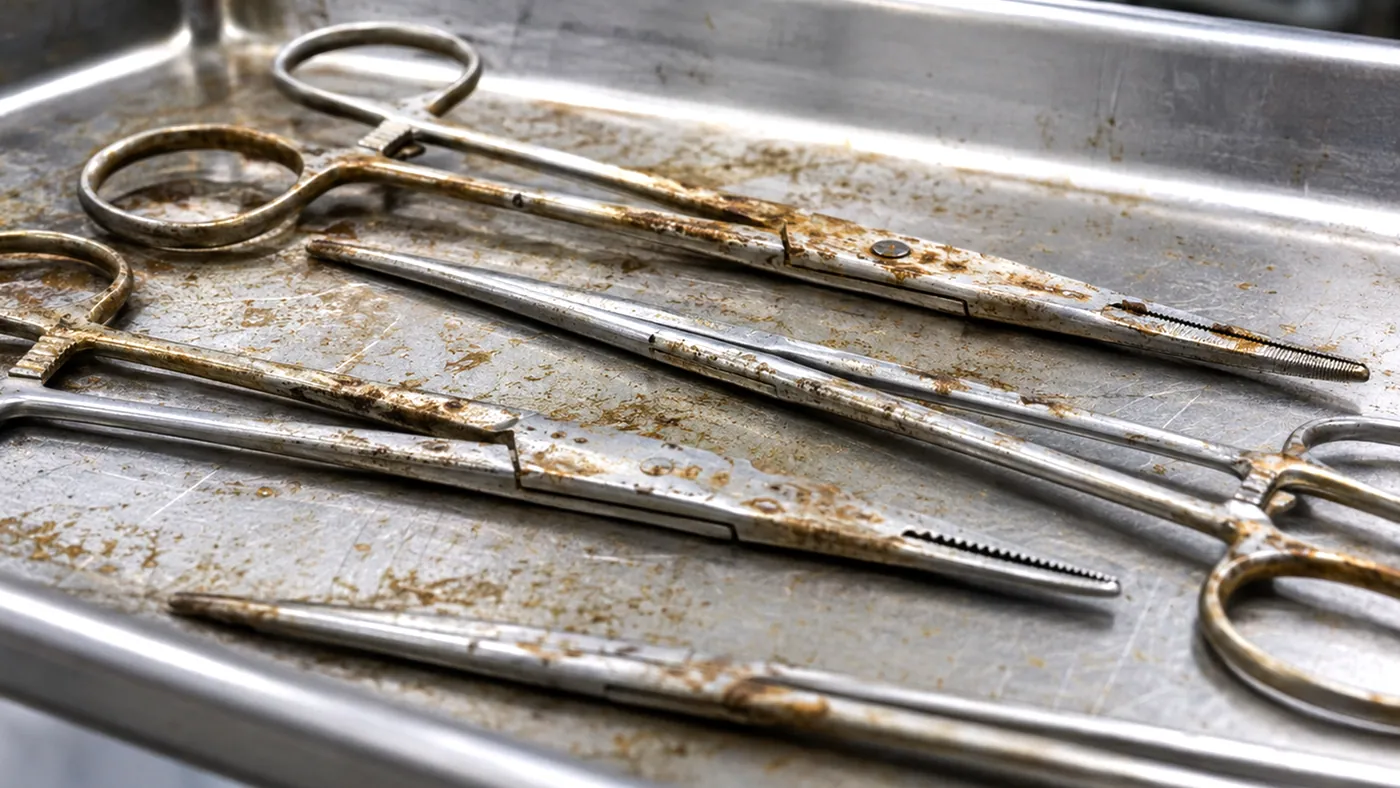
Veterinary instruments are outside the medical device regulation. A heated benchtop cleaner at 40 kHz, set to about 40 °C with an enzymatic or mild alkaline detergent, cleans them before sterilisation, following the instrument maker's instructions. See veterinary surgical instruments.
Hospitals: technical services
A hospital's workshop and kitchen clean castors, trolley parts, extract filters, grilles and building-services parts like any other maintenance workshop. The boundary to medical devices is explained in hospital technical services.
Typical set-ups
| Task | Machine |
|---|---|
| Implants and device components, development and small batches | UMX Pro 50L or 62L, 28/40 kHz, programmes per part family, rinse tank, DT dryer |
| Series production after machining and polishing | AL-150 or AL-300 with lift and filtration, rinse stations, DT dryer |
| Final clean of small implants, tubing and fine instruments in production | MT-75: 75 L wash at 40 or 80 kHz, with rinse and dry in one frame |
| Full production line to a cleanliness specification | MT multi-tank line: wash, rinse cascade, purified-water final rinse and dryer under one carriage |
| Laboratory bench | SX benchtop, 3 to 28 L at 37 kHz with sweep and degas, or STS benchtop, 2 to 30 L at 40 kHz |
| Veterinary practice | STS-150 to STS-300; ST-40 for equine and orthopaedic sets |
| Hospital workshop and kitchen | ST-40 to ST-206 by part size; SF-225 for greasy filters in volume |
For a production line, the quote article lists what we need: the parts, their residues, the throughput and the cleanliness criteria. The articles below cover individual parts and processes.