

Knowledge
Knowledge for people who specify cleaning machines.
How the process works, how to size and choose a machine, which parameters matter, and what comes off which parts. Written by engineers, with our own figures.
Browse by subject
Ultrasonic cleaning basicsCavitation, frequency, generators, transducers: how the process works and why it cleans where brushes cannot.11 articlesChoosing a machineTank size, benchtop or industrial, lift or filtration, multi-tank lines: how to specify the right system for the parts you run.12 articlesProcess and parametersTime, temperature, frequency, liquids, rinsing and drying: the settings behind a repeatable cleaning result.9 articlesParts and contaminantsCarburettors, moulds, circuit boards, filters, bearings: what comes off, how, and with which machine.55 articlesIndustriesAutomotive, manufacturing, food, medical, aerospace, electronics, energy: the parts, contaminants and machines per sector.11 articlesOperation and maintenanceBath care, filtration, safety, the foil test, troubleshooting: keeping a machine cleaning as it did on day one.6 articlesNews and companyCustom builds, new models and what changed in the range.1 article
Start here
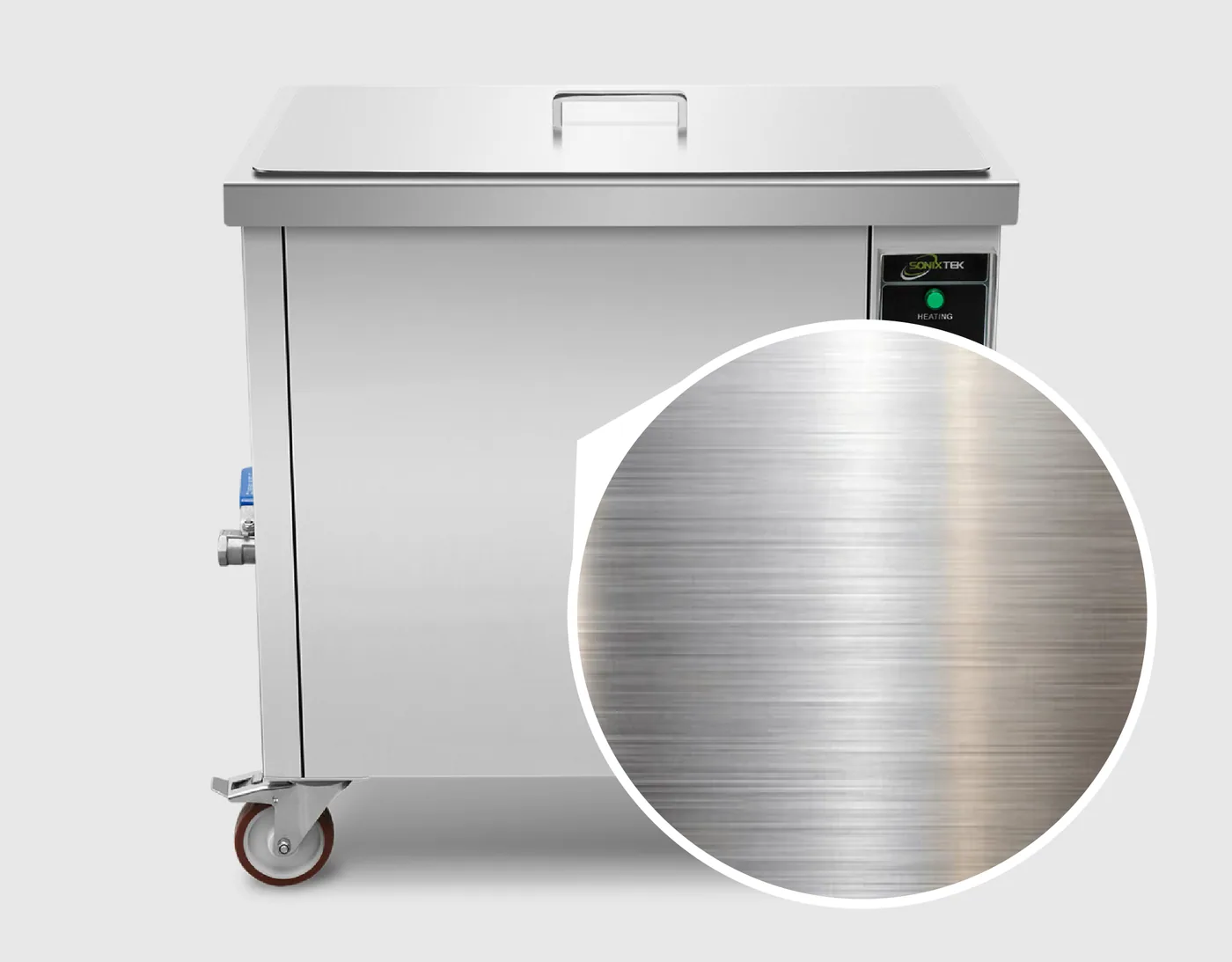 Choosing a machine · 2 min readHow to size an ultrasonic tankStart from the basket, not the litre figure: the part, the clearance, the batch and the heat-up time decide the tank.
 Process and parameters · 2 min read28 kHz or 40 kHz: which frequency cleans your part?Lower frequency hits harder, higher frequency reaches further. The part, the soil and the surface decide.
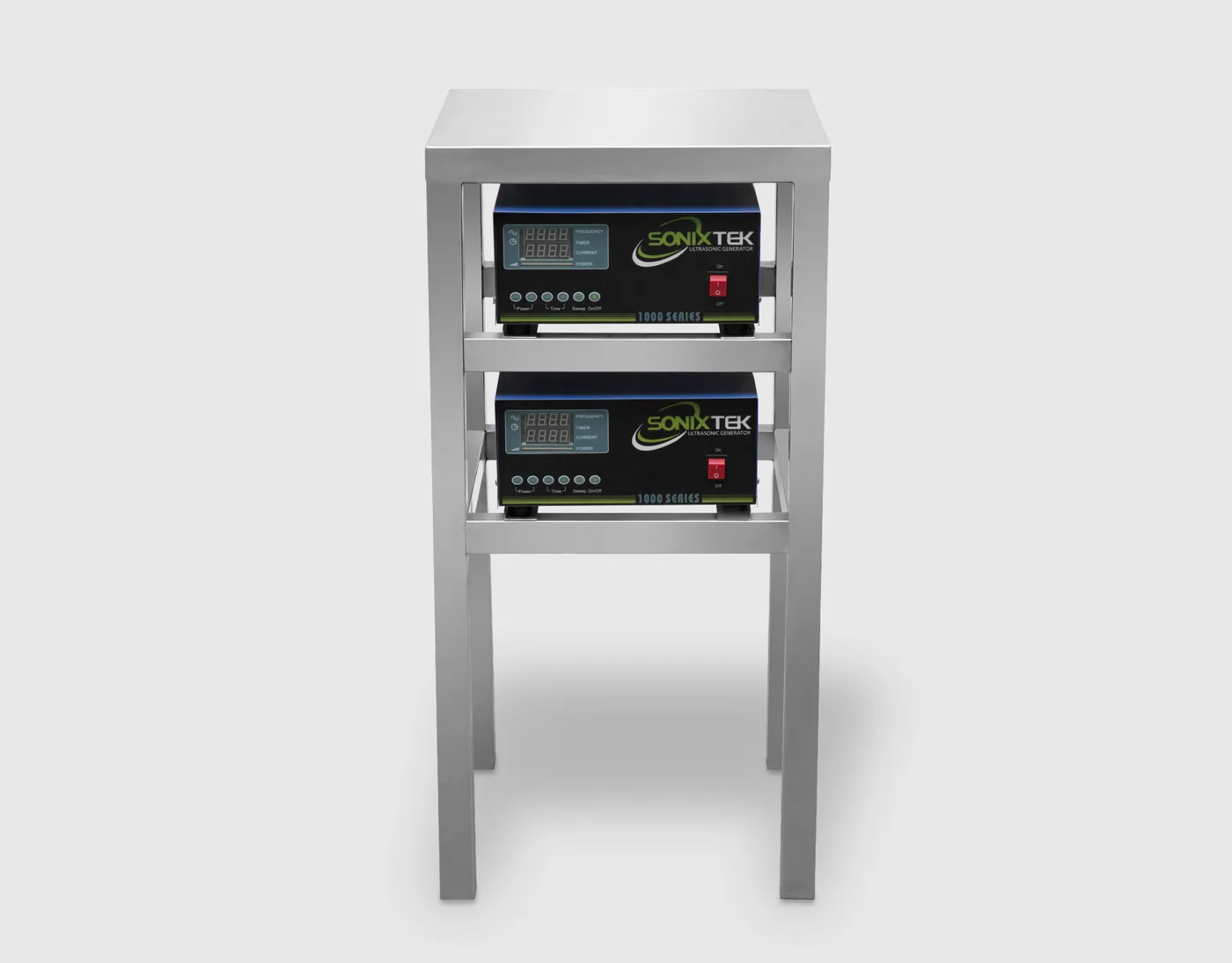 Ultrasonic cleaning basics · 2 min readAnalog or digital generator?The same transducers, driven two different ways. What changes in daily use, and which one to specify.
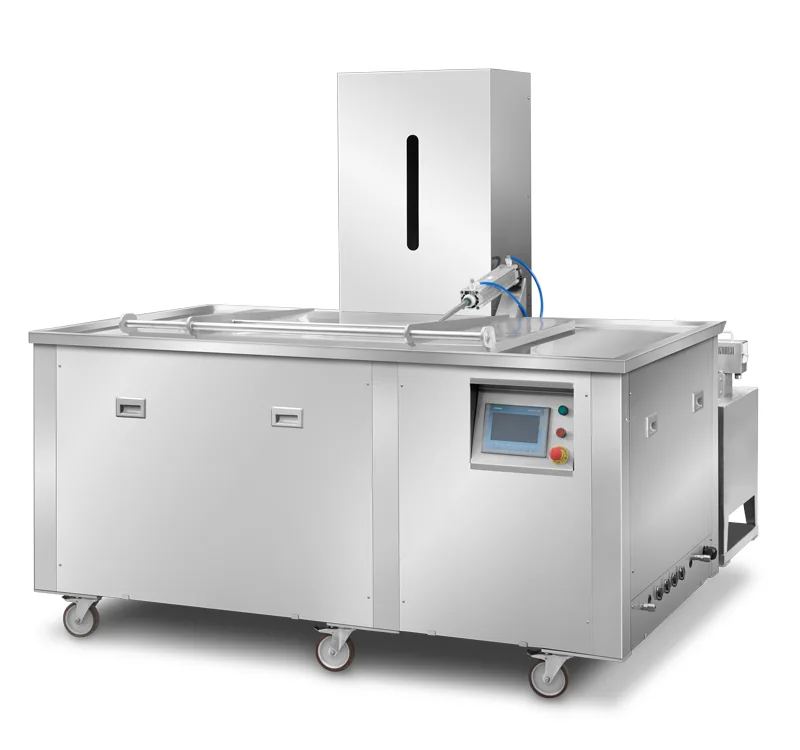 Ultrasonic cleaning basics · 17 min readUltrasonic cleaning explained: waves, cavitation, generators, tanks and featuresThe long version: how ultrasonic waves make cavitation, what frequency and temperature do, how generators and transducers are built, and which features matter in a tank.
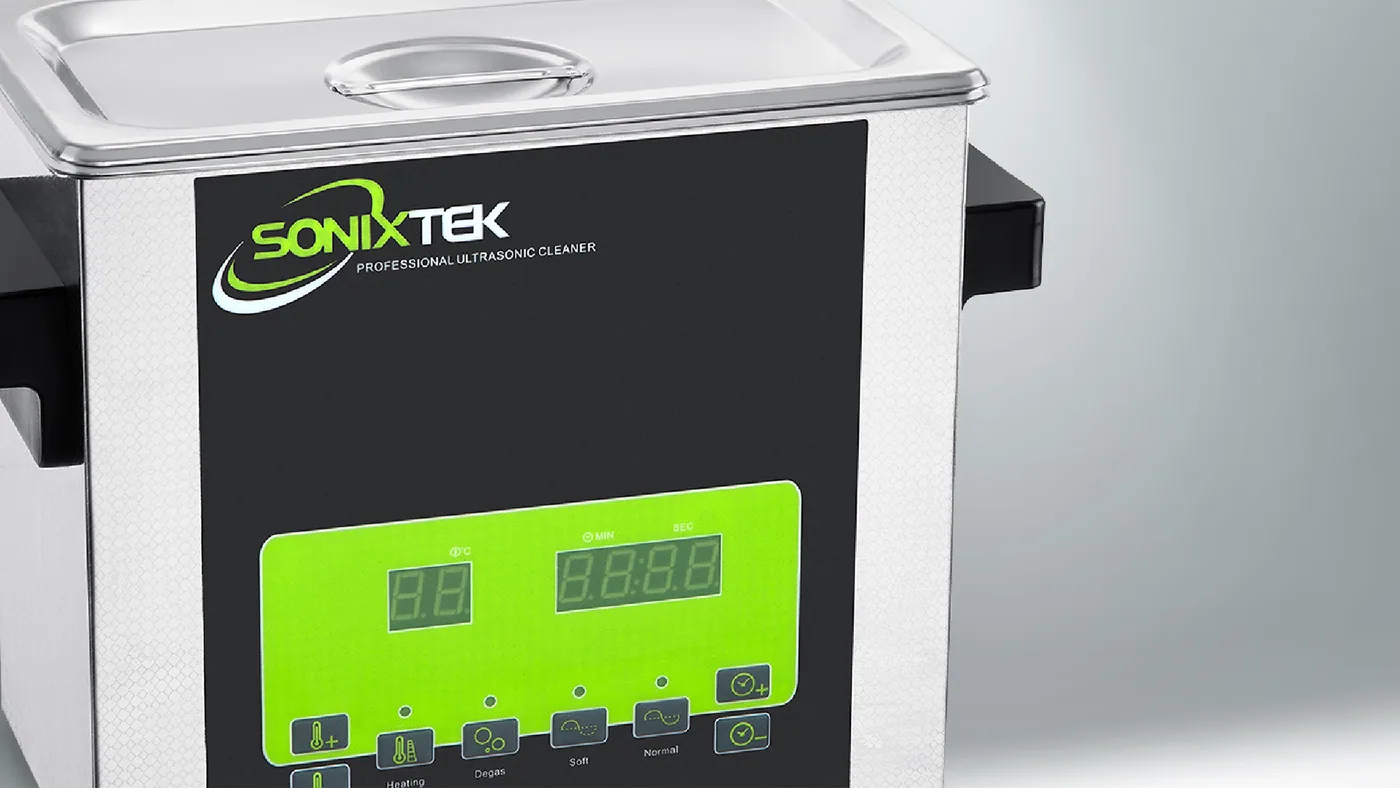 Process and parameters · 2 min readHow long should an ultrasonic cleaning cycle be?Three to thirty minutes covers most parts. What decides the time: contaminant, liquid, temperature, load, and when longer stops helping.
 Process and parameters · 4 min readCleaning liquids for ultrasonic cleaningWater with a detergent does most jobs. Which chemistry for oil, carbon, oxide and flux, what never goes in the tank, and why concentration and temperature matter as much as the product.
By industry
 Automotive14 articles
 Industrial manufacturing12 articles
 Mechanical engineering5 articlesFood processing11 articlesMedical and devices10 articles
 Aerospace1 article
 Electronics and PCB10 articlesHeavy industry2 articlesChemical and laboratory3 articles
 Plastics and moulds2 articles
 Power generation2 articles
Latest articles
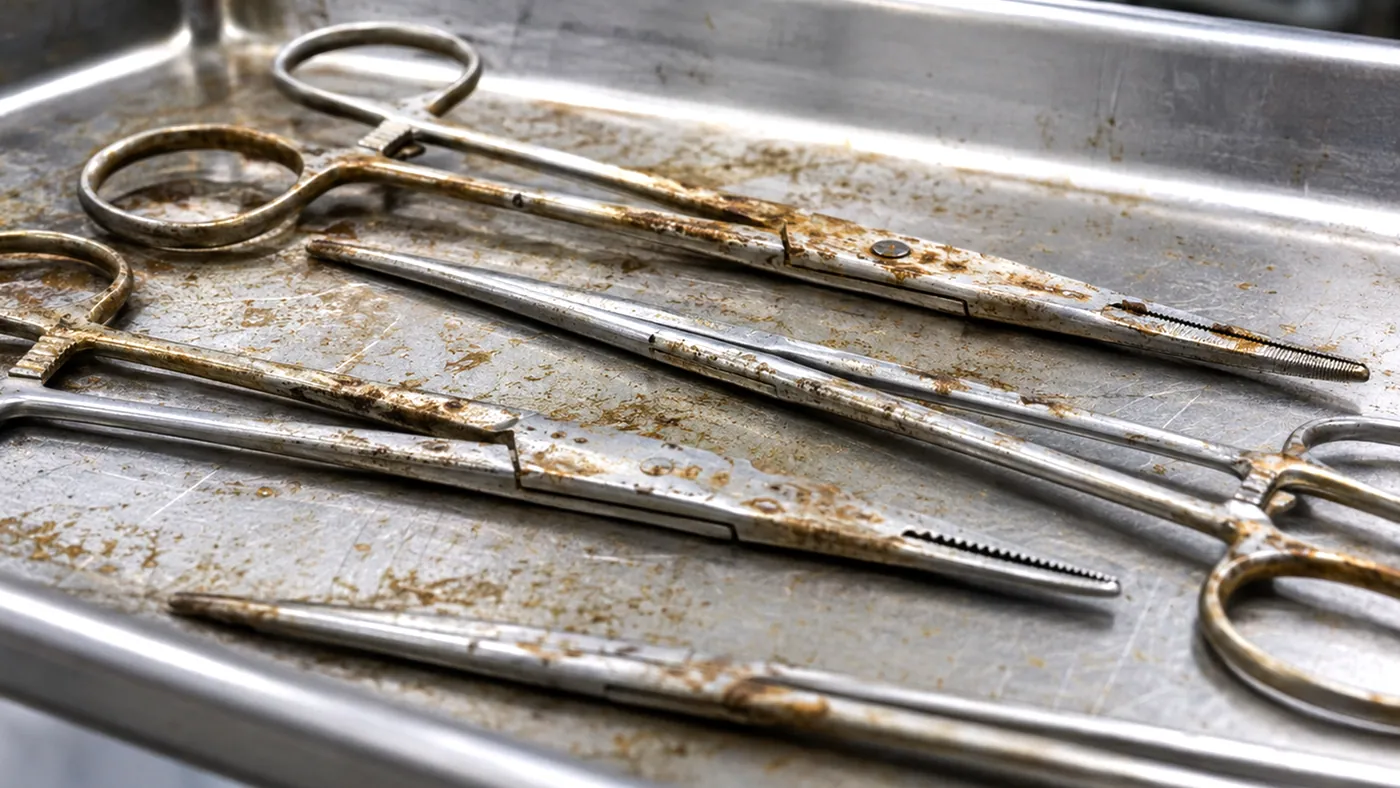 Parts and contaminants · 5 min readUltrasonic cleaning of surgical instruments before sterilisationA steriliser only works on a clean instrument. What the ultrasonic step in reprocessing removes, how instruments are loaded and how the result is checked.
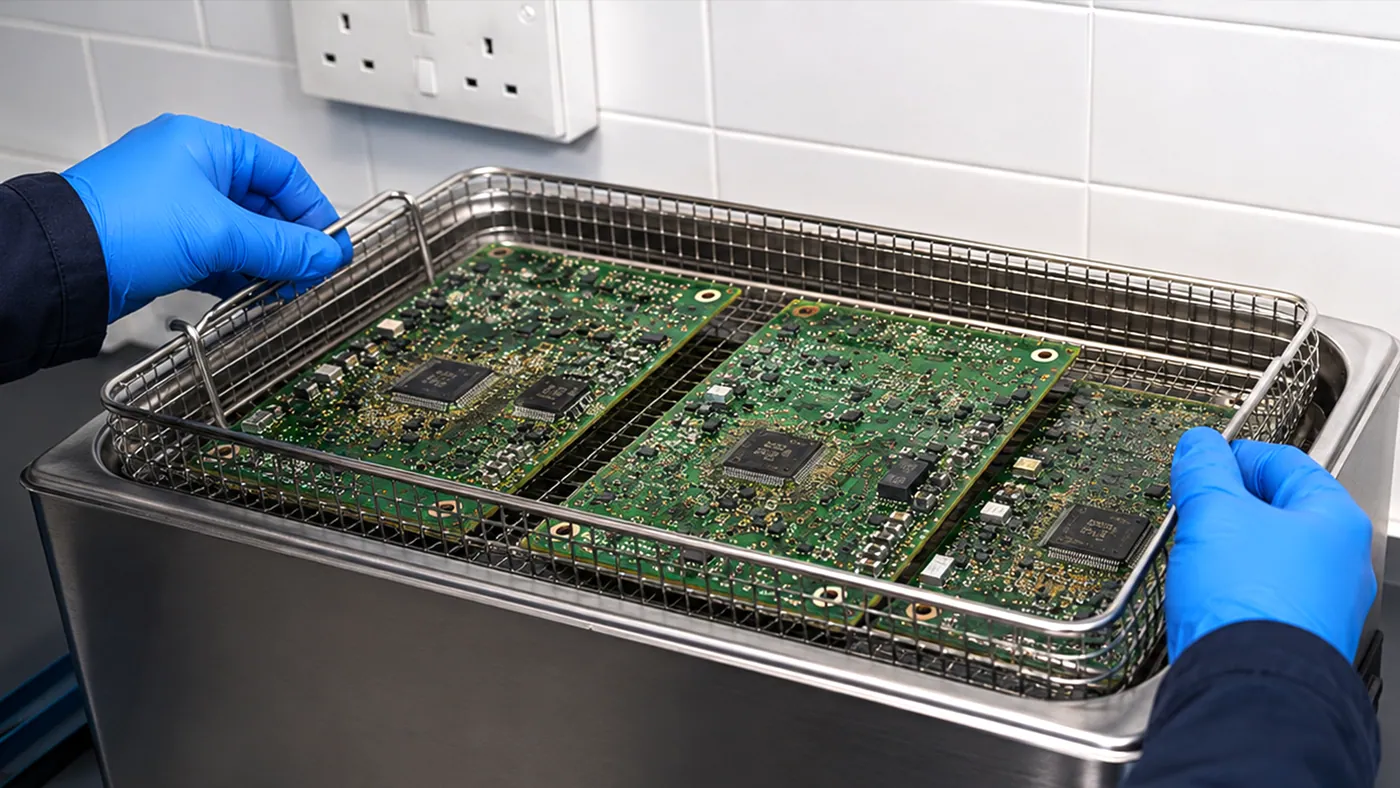 Parts and contaminants · 5 min readUltrasonic cleaning of circuit boards after solderingWash, deionised rinse, dry, test, coat: the full cleaning process for assembled boards after reflow, wave and hand soldering, and how to prove it worked.
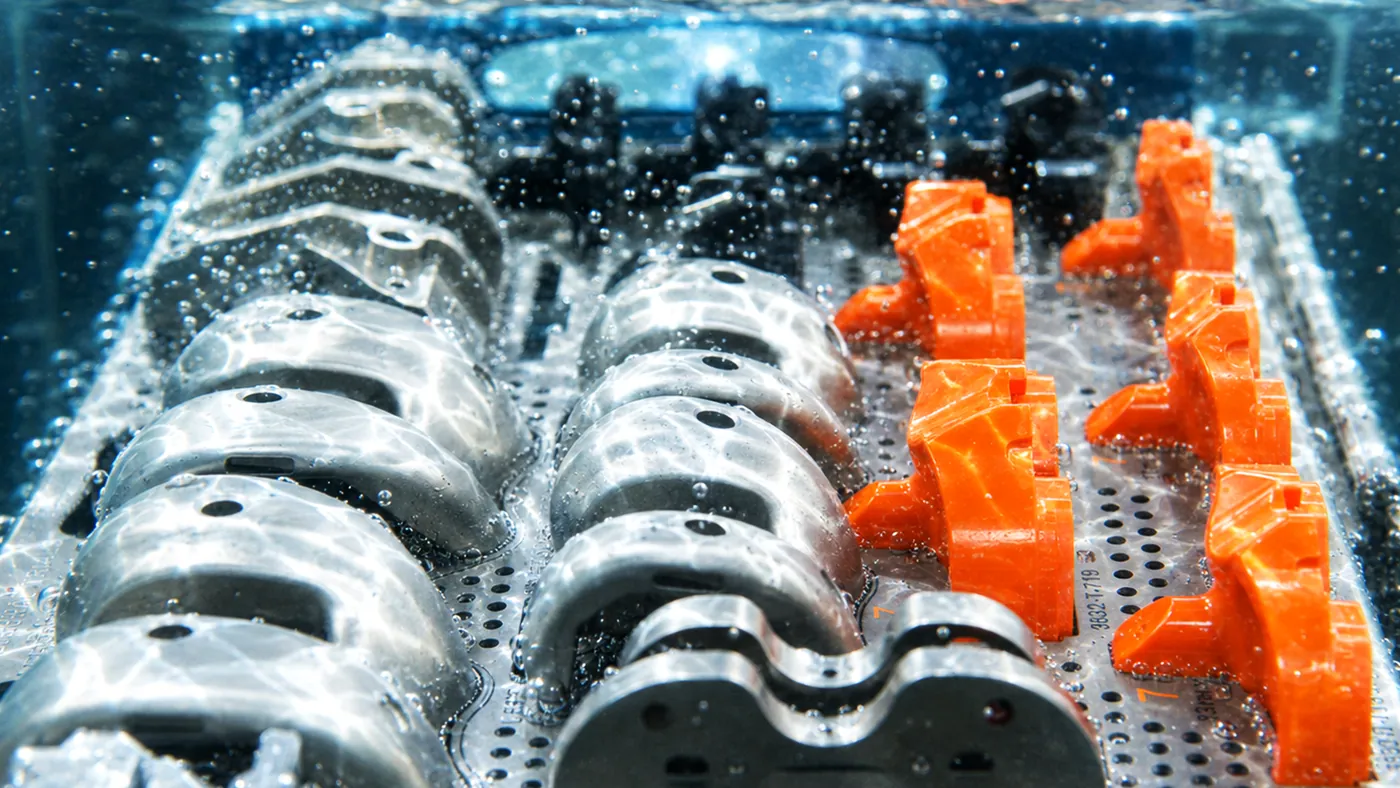 Parts and contaminants · 5 min readUltrasonic cleaning of orthopaedic implants in productionImplants carry coolant, polishing compound and particles on their way to packaging. The cleaning sequence, what ISO 19227 asks for, and the equipment.
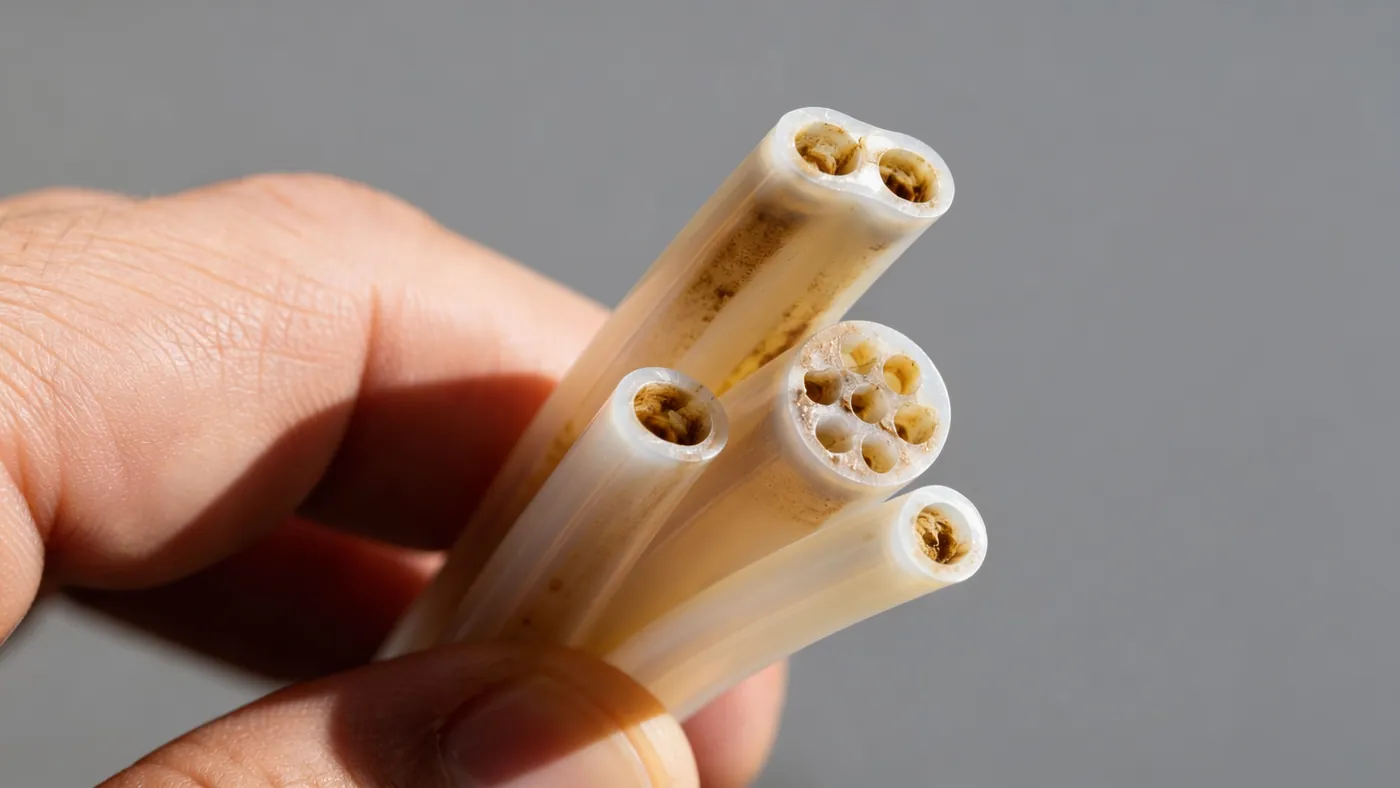 Parts and contaminants · 4 min readUltrasonic cleaning of medical tubing, cannulas and channelsInside a narrow lumen nothing flows unless something pumps it. How to clean cannulas, tubes and drilled channels in production, and prove the inside is clean.
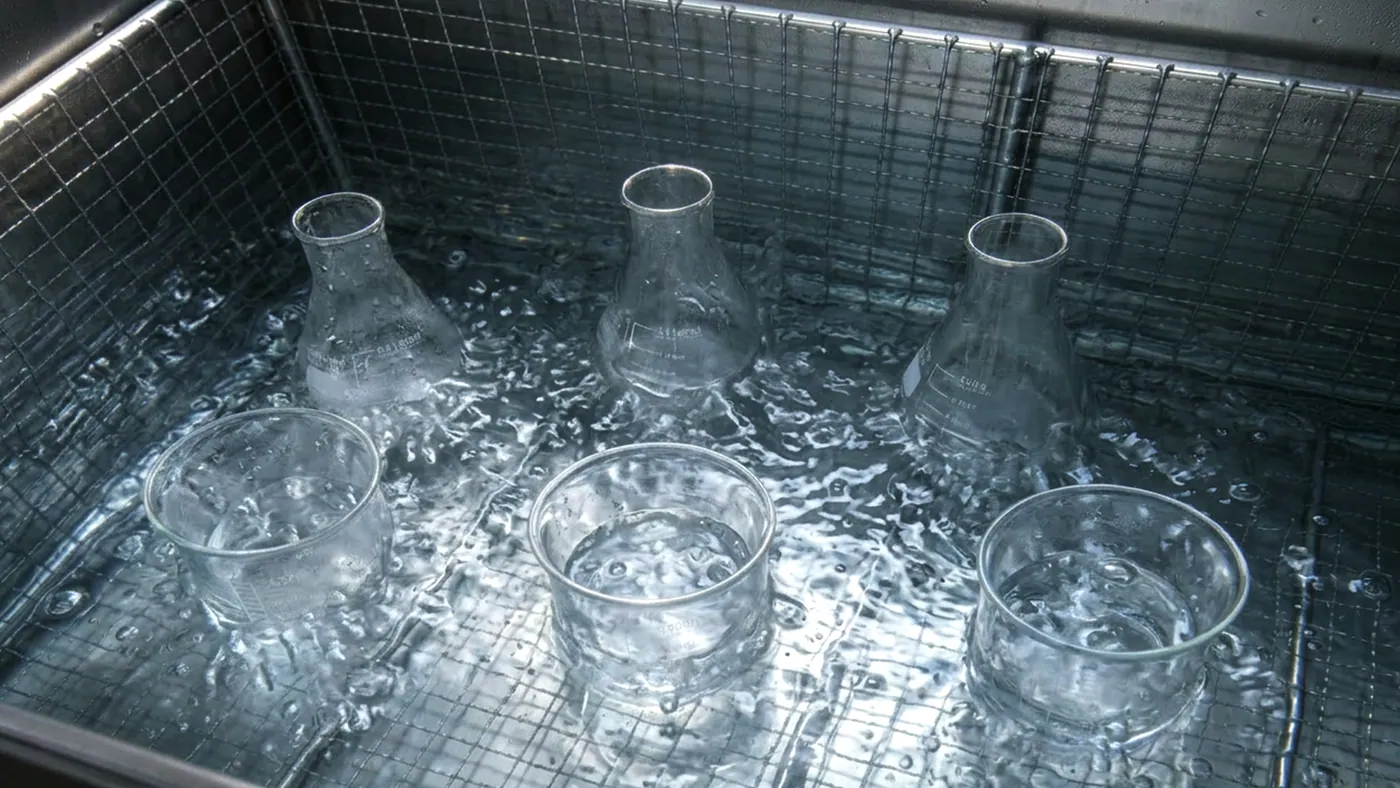 Parts and contaminants · 4 min readUltrasonic cleaning of laboratory glasswareThe detergents, temperatures and rinses that get beakers, flasks, pipettes and sieves clean enough for the next analysis, and the care volumetric glass needs.
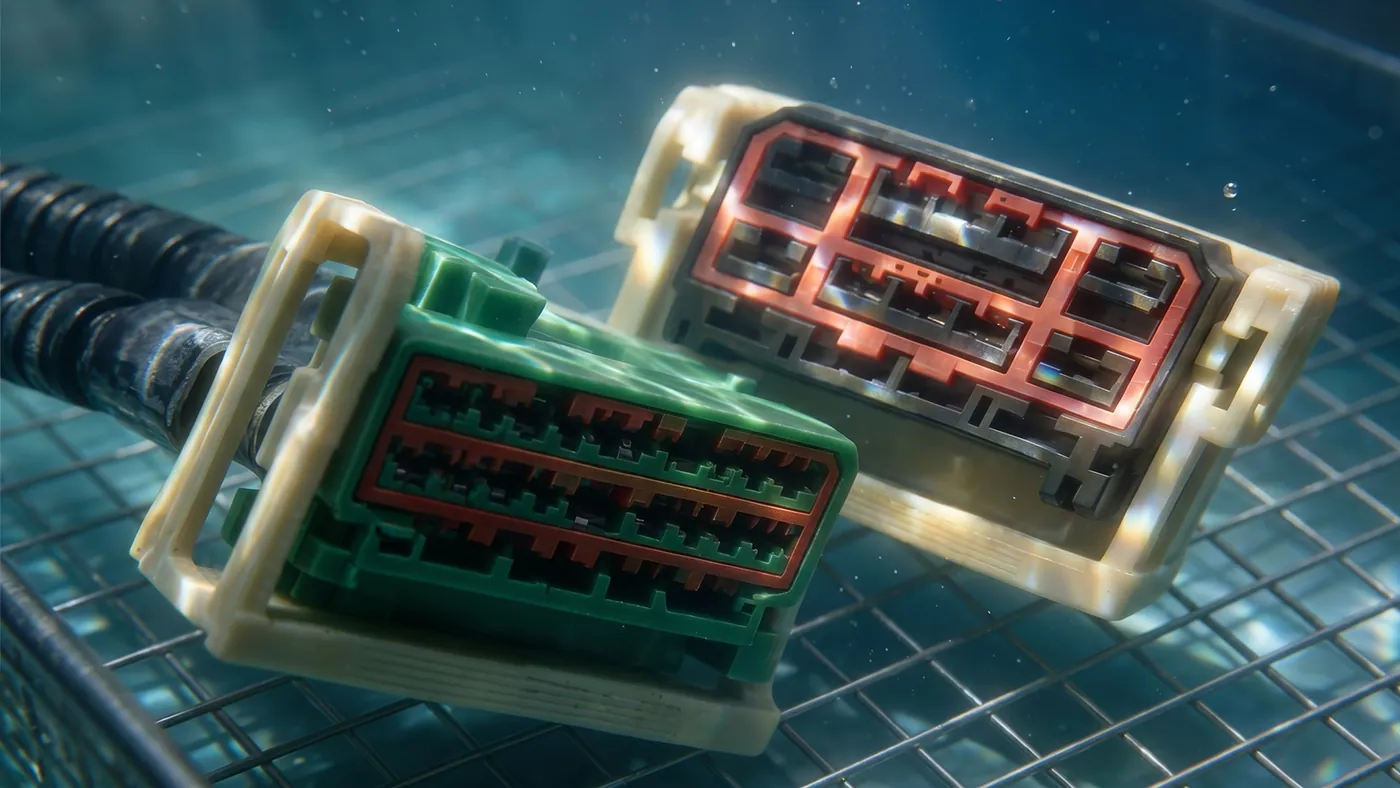 Parts and contaminants · 5 min readUltrasonic cleaning of electronic connectors for reliable contactOxide, flux, dust and old lubricant raise contact resistance. How to clean connectors, pins and charging ports without harming gold, silver or tin plating.
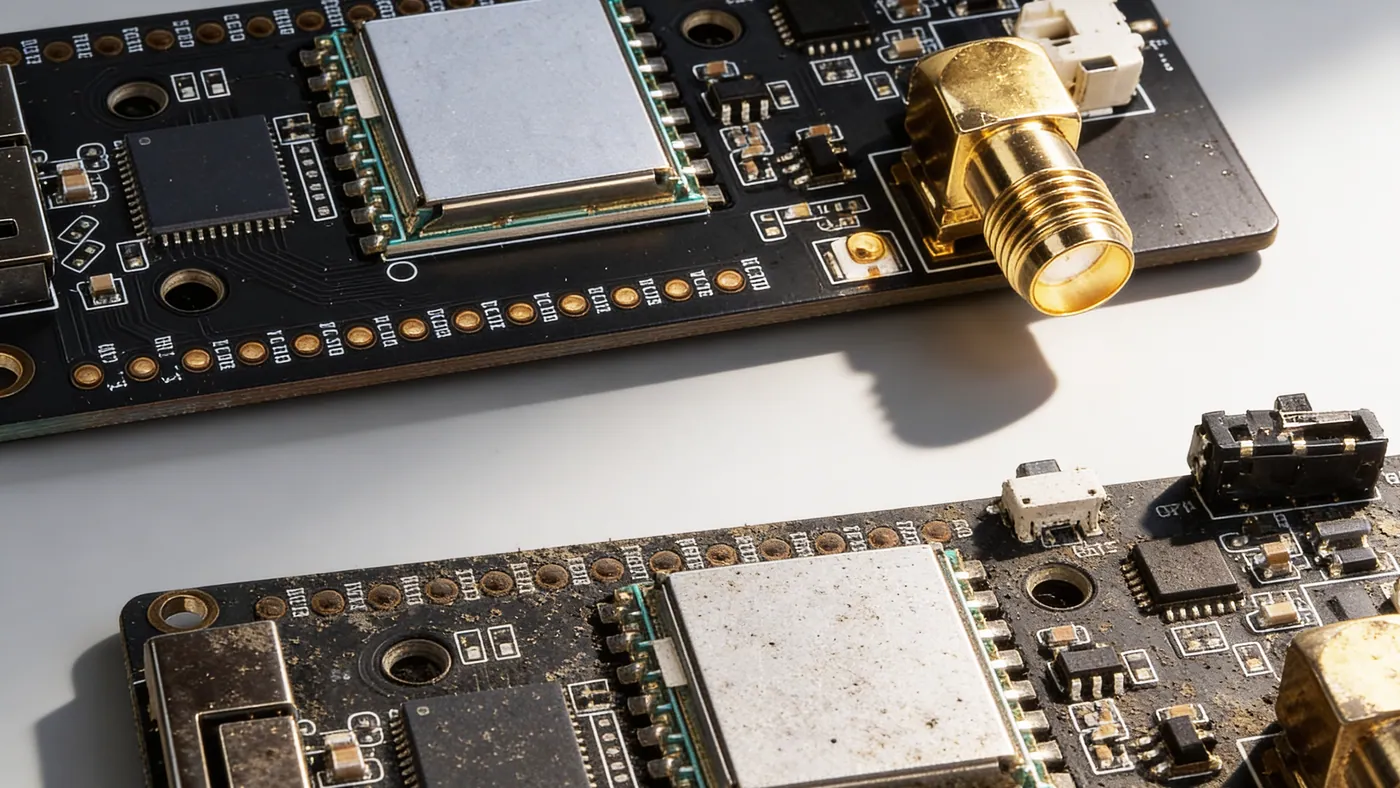 Parts and contaminants · 4 min readUltrasonic cleaning of communication equipment componentsRF housings, cavity filters, waveguides and antenna parts, often plated aluminium: gentle chemistry, no etching, no loose particles, and dry cavities.
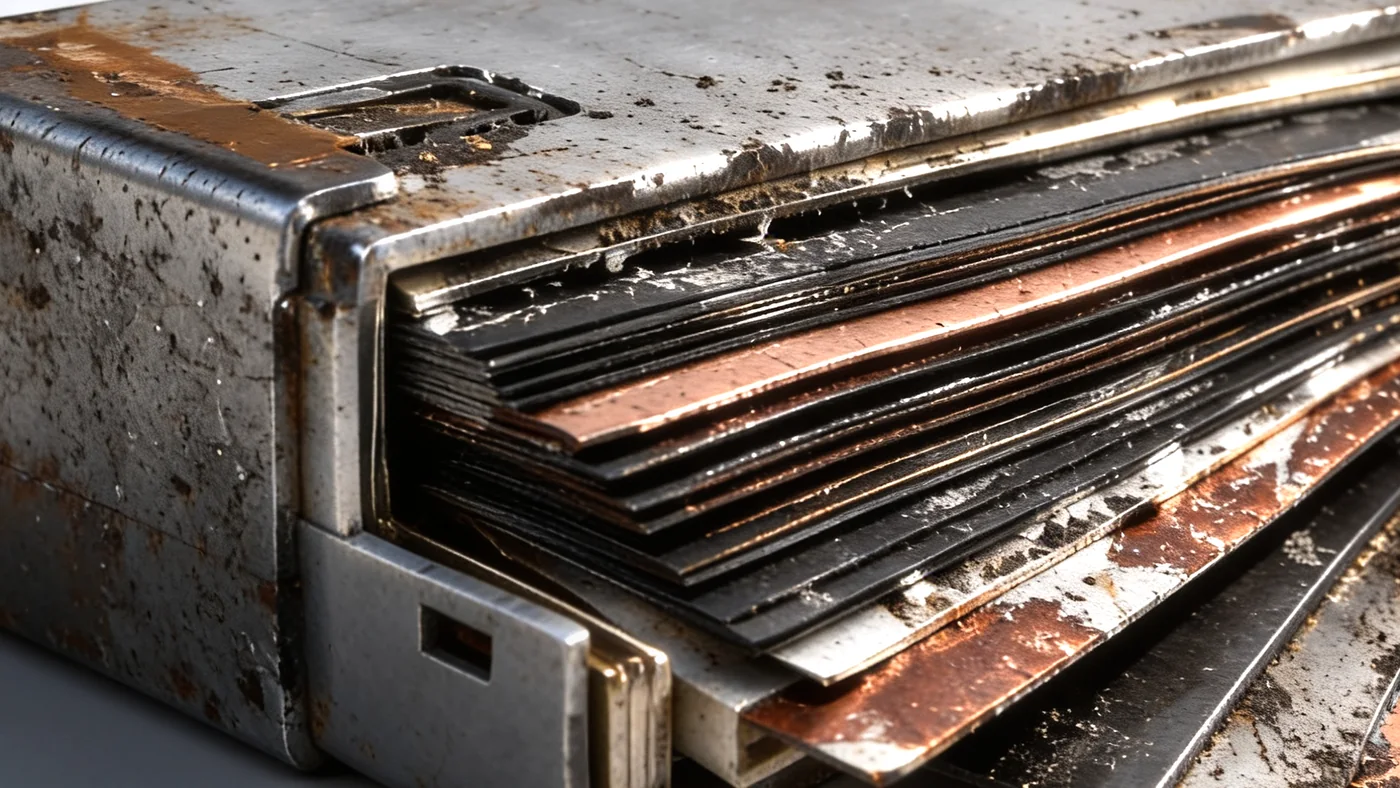 Parts and contaminants · 4 min readUltrasonic cleaning of battery components before assemblyCell cans, lids, tabs, busbars, housings and cooling plates carry oil and particles into welding and bonding. How to clean them; cells never go in a bath.
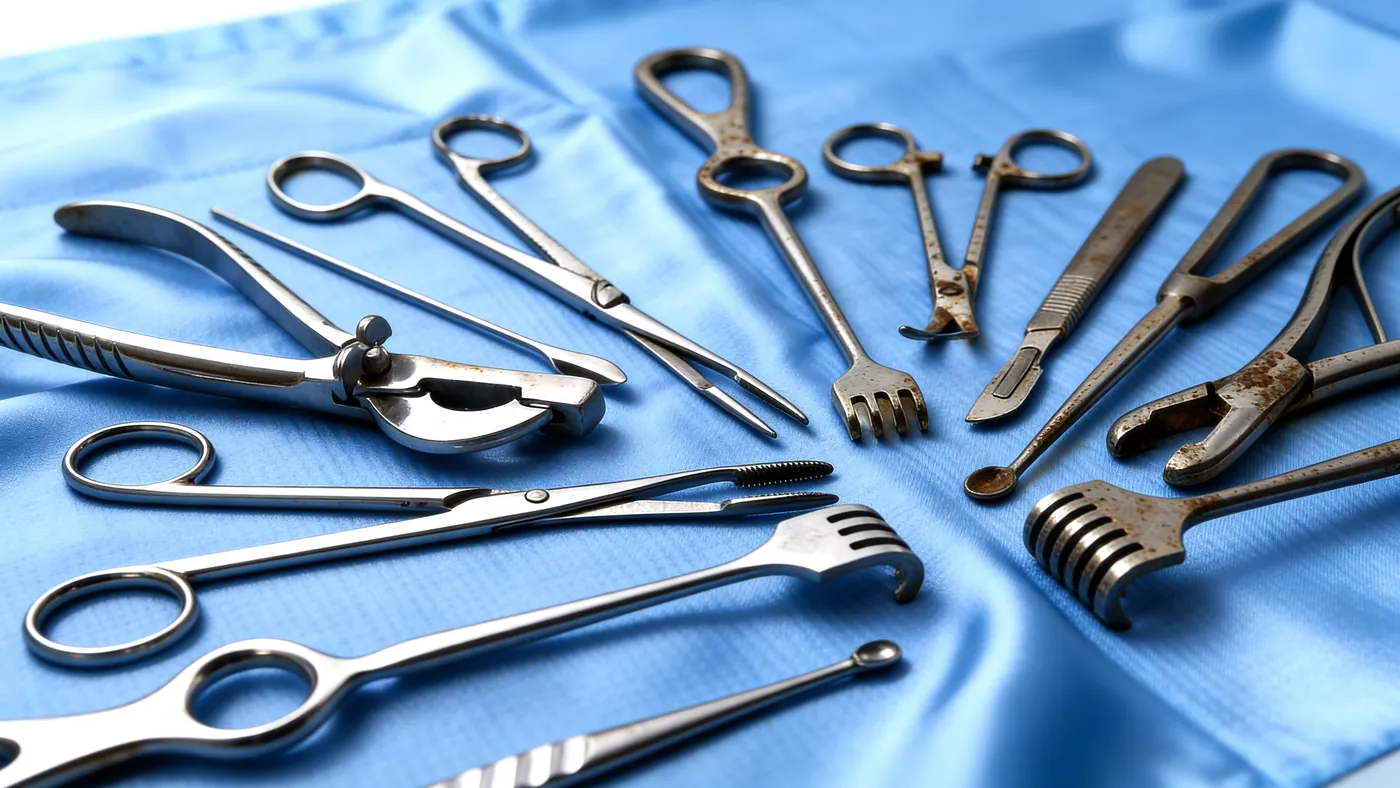 Parts and contaminants · 4 min readUltrasonic cleaning of veterinary surgical instrumentsBlood, hair and bone dust in box locks and serrations: how a veterinary practice cleans instruments before sterilisation, and the machines that fit.
Let's find the right fit
Not sure which size you need?
Send us the part, the quantity per hour and the soil you are removing. We will size the tank and the frequency with you.