Industries · 3 min read · Updated 2024-12-12
Ultrasonic cleaning in the plastics industry
Injection moulds, extrusion dies, moulded parts, additive manufacturing and mixing equipment: what ultrasonic cleaning does in the plastics industry.
Technical guide. Figures are taken from our own spec tables; for your process we confirm the settings with a cleaning trial.
Revolutionizing cleaning in the plastic industry
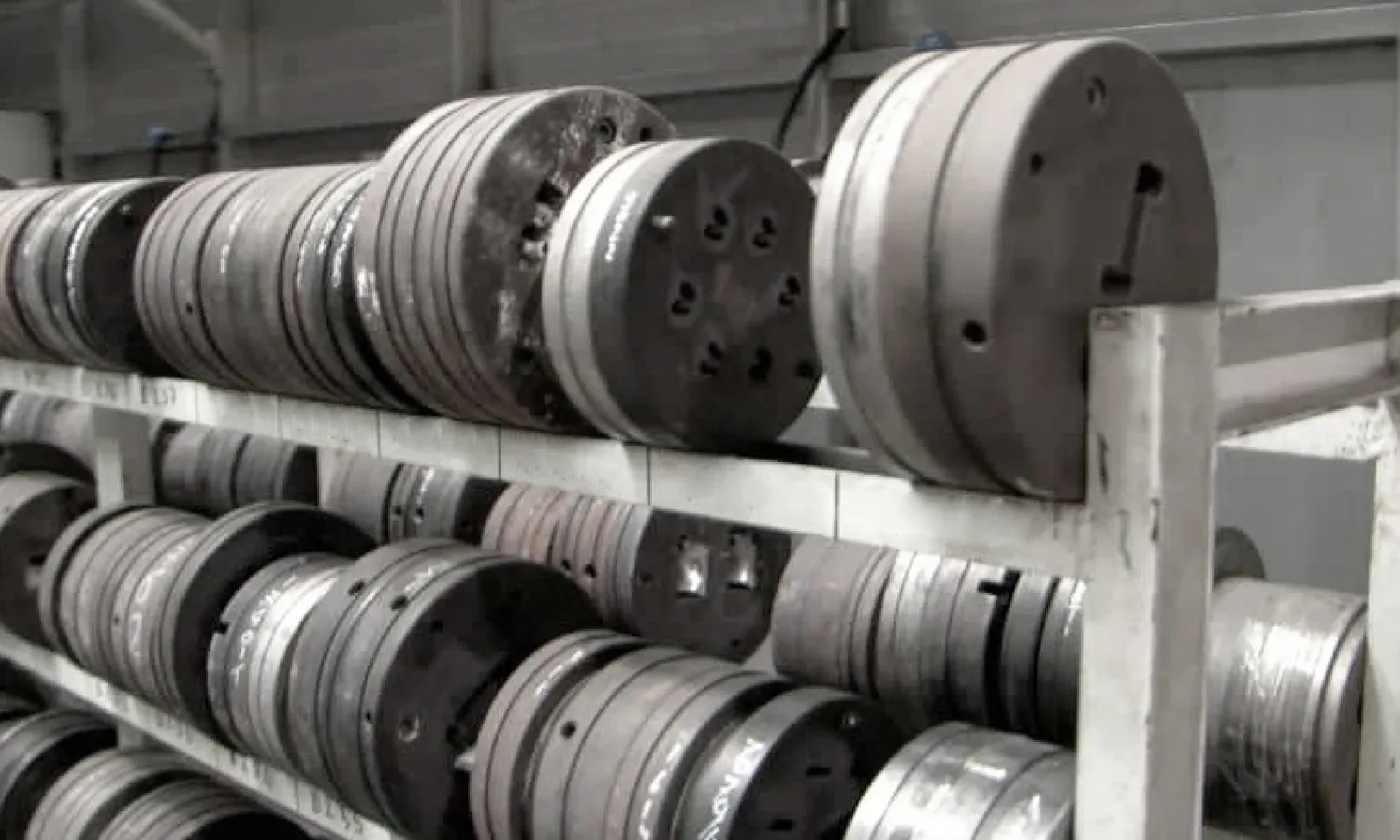
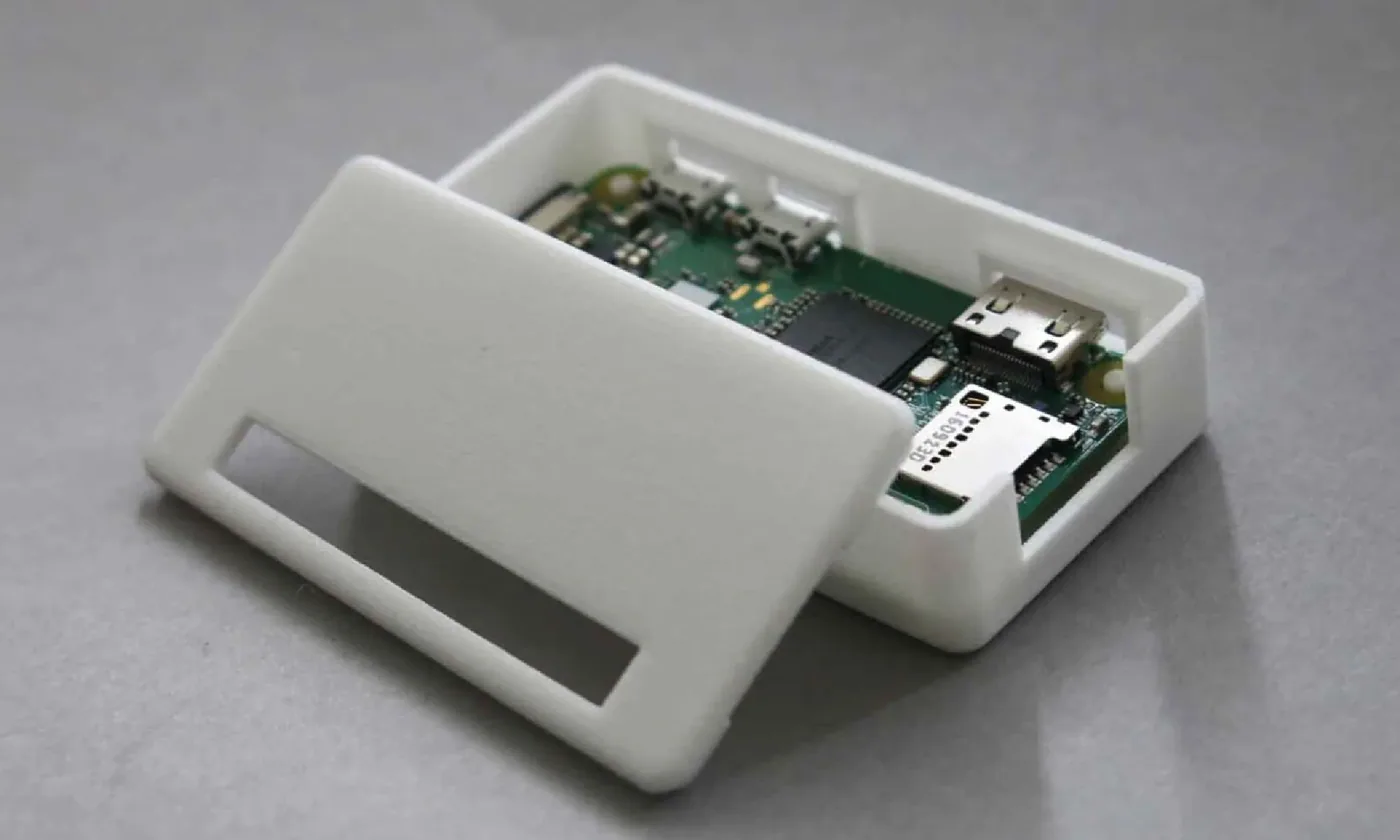
-
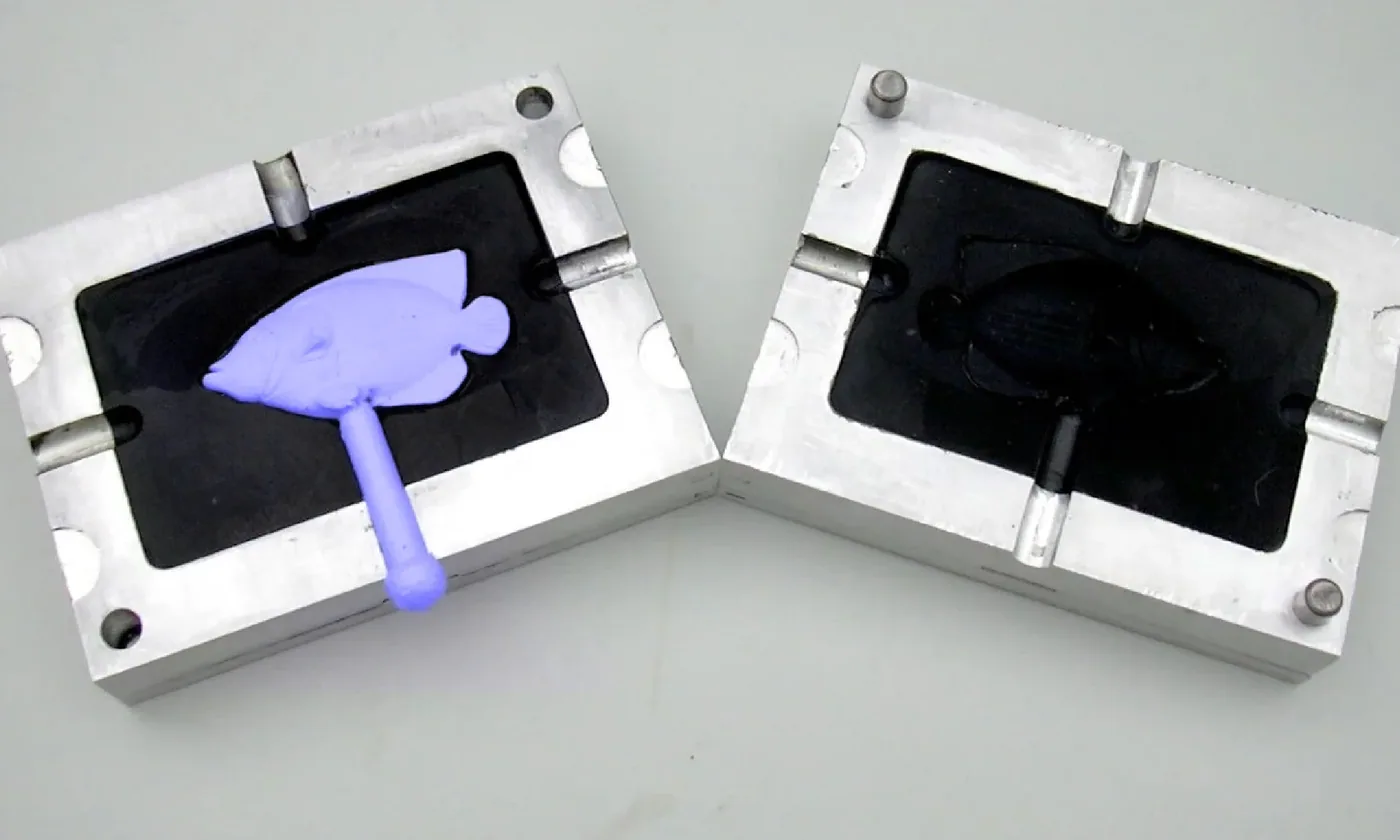
Traditional Cleaning – Disassembling molds, manually scrubbing each component with brushes and solvents, and inspecting and reassembling the parts for reuse.
-
Traditional Cleaning – Disassembling the dies, manually scrubbing components with brushes, solvents, and abrasives, and inspecting for residue removal.
-
Traditional Cleaning – This includes using brushes, towels, or compressed air to scrub or wipe, cleaning solutions, and water rinsing.
-
Traditional Cleaning – Inspect components visually, then apply solvents using brushes or cloth for scrubbing. Occasionally, use abrasive materials for stubborn contaminants, but be cautious of potential damage to the plastic.
-
Traditional Cleaning – Operators would dismantle the equipment, manually scrub each part with brushes and solvents, rinse thoroughly, and then reassemble.
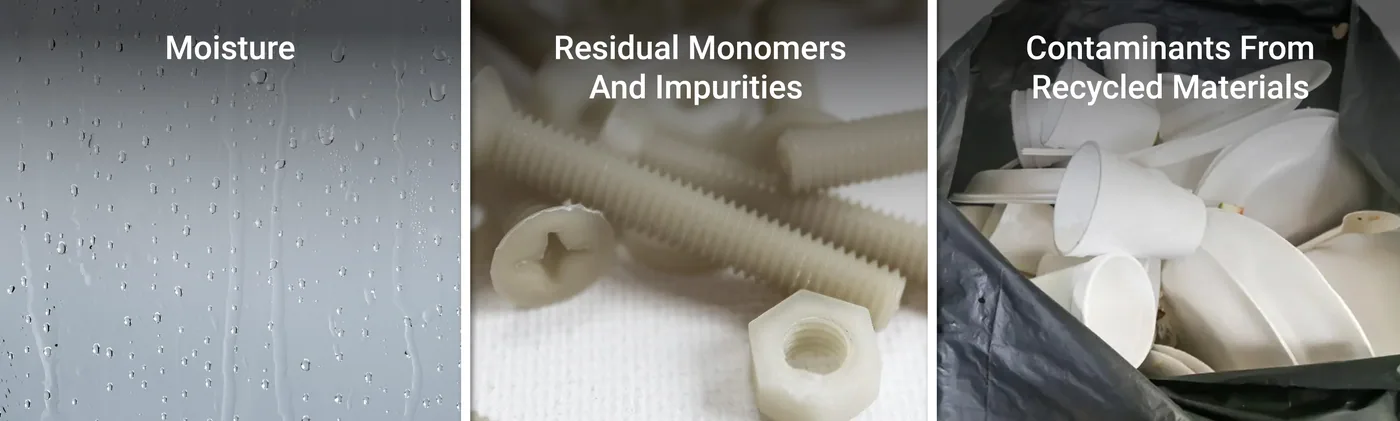
- Causes: Improper storage conditions, ambient air, and raw ingredients may all bring moisture into the plastic manufacturing process.
- Effects: Moisture can affect the mechanical and physical qualities of plastics, leading to flaws such as bubbles, blisters, or uneven surface finishes.
-
Solutions: Properly drying raw materials, maintaining low humidity in processing facilities, and using moisture-resistant packaging can help avoid moisture contamination.
-
Causes: Remaining monomers or contaminants may be present during manufacture as a result of incomplete polymerization processes.
- Effects: Residual monomers and contaminants can impact the mechanical qualities, stability, and color of plastic. They might also be a factor in environmental and health issues.
-
Solutions: Strict quality control procedures, effective purification techniques, and adherence to the right polymerization conditions actively reduce the amount of residual monomers and contaminants.
-
Causes: Recycled materials could have dirt, incompatible plastics, food residue, or other impurities from their prior use.
- Effects: Recycled materials may have contaminants that affect the new plastic products’ qualities and characteristics.
- Solutions: Achieving a reduction in pollutants involves implementing efficient recycling procedures, thoroughly cleaning recycled materials, and using appropriate materials in recycling streams.

- Causes: The finished product may contain leftovers from lubricants and additives employed throughout the production process.
- Effects: Remaining processing additives may have an impact on the plastic’s performance and cause problems like poor adhesion, weakened structure, or surface imperfections.
-
Solutions: Opt for additives with low volatility, use appropriate processing conditions, and implement effective cleaning processes to remove residues.
-
Causes: Particulate particles and dust in the air may enter the production process from outside sources.
- Effects: Dust contamination can affect the overall quality, cause surface defects, and lessen the transparency of the product.
-
Solutions: Implementing effective dust control methods, maintaining clean manufacturing facilities, and using suitable filtering systems can all help to reduce dust contamination.
-
Causes: When various materials are treated on the same piece of equipment without being properly cleaned, cross-contamination can happen.
- Effects: Combining materials that aren’t compatible can result in faulty products, decreased functionality, or even safety issues.
-
Solutions: Use specialized equipment for different materials, follow stringent cleaning processes, and provide explicit procedures for switching out materials.
-
Versatility – Glass, metal, plastic, ceramic, and other materials can all be cleaned using ultrasonic cleaning because of its versatility. It can be adjusted to various parts and machinery utilized in the plastics business because of its adaptability.
- Reduced Labor and Time Requirements – The cleaning process can be automated by ultrasonic cleaners, negating the need for labor-intensive scrubbing or equipment disassembly. This considerably cuts down on the amount of time needed for cleaning operations in addition to labor savings.
- Improved Efficiency in Production Processes – Ultrasonic cleaners help to increase industrial operations’ overall efficiency by keeping tools and molds clean. Maintaining clean equipment minimizes downtime and boosts production by lowering the chance of faults and ensuring consistent product quality.
- Drying Capabilities – Certain ultrasonic cleaners have drying functions built in, enabling a thorough cleaning and drying cycle. This is advantageous since properly dried components are ready for use right away, reducing moisture-related problems in the plastic production process.
- Environmentally Friendly – Ultrasonic cleaning is a more environmentally friendly alternative because it typically only needs a light cleaning solution, as opposed to certain standard cleaning procedures that may entail harsh chemicals.