

Topics
Articles about: Temperature
28 articles
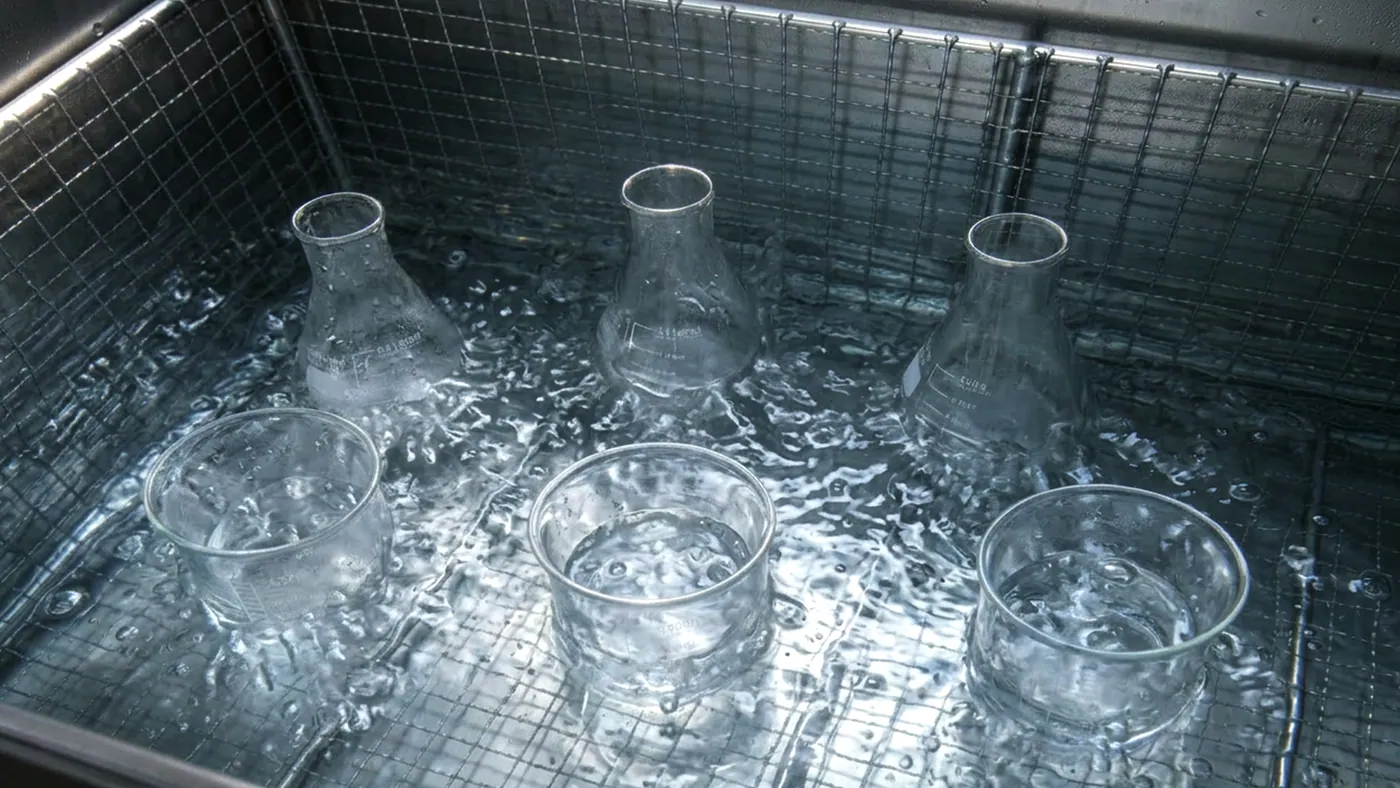 Parts and contaminants · 4 min readUltrasonic cleaning of laboratory glasswareThe detergents, temperatures and rinses that get beakers, flasks, pipettes and sieves clean enough for the next analysis, and the care volumetric glass needs.
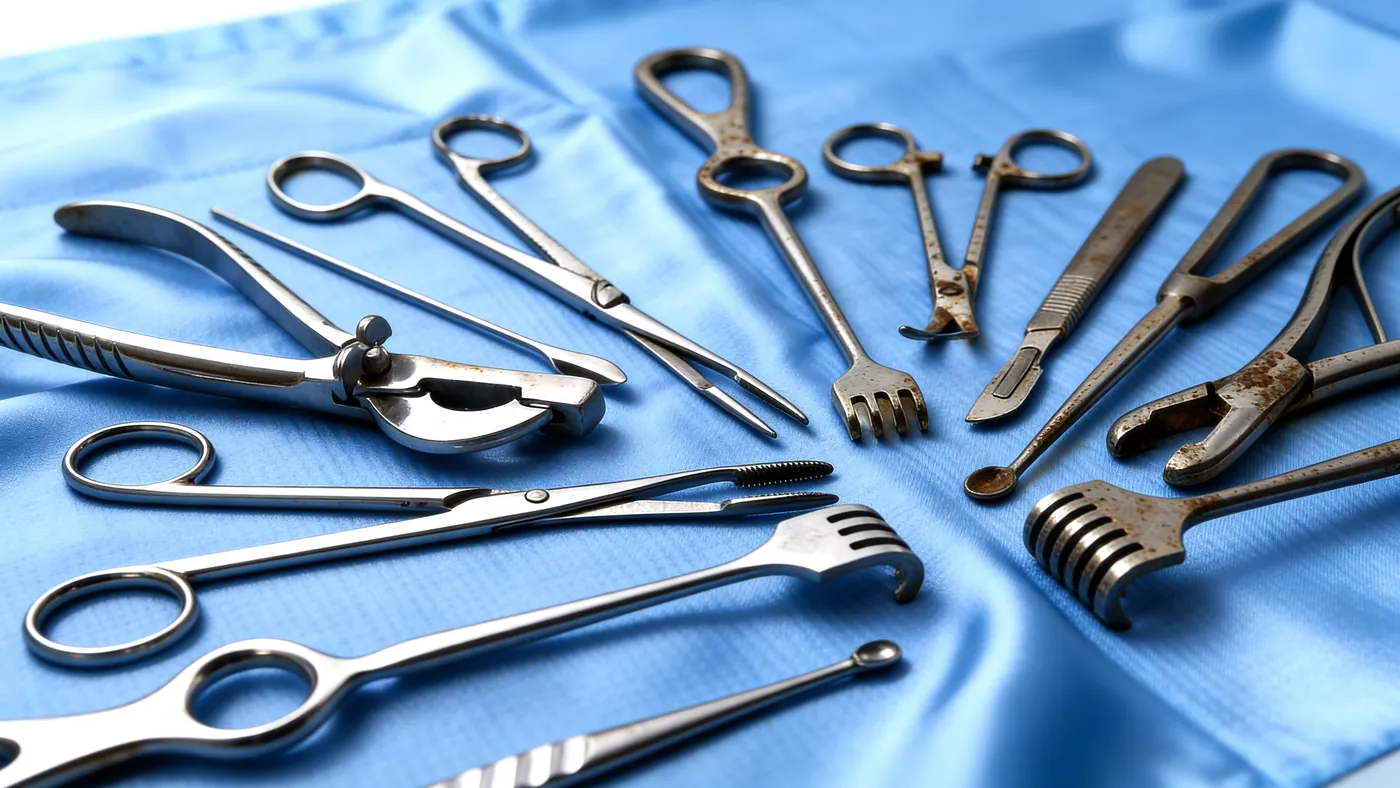 Parts and contaminants · 4 min readUltrasonic cleaning of veterinary surgical instrumentsBlood, hair and bone dust in box locks and serrations: how a veterinary practice cleans instruments before sterilisation, and the machines that fit.
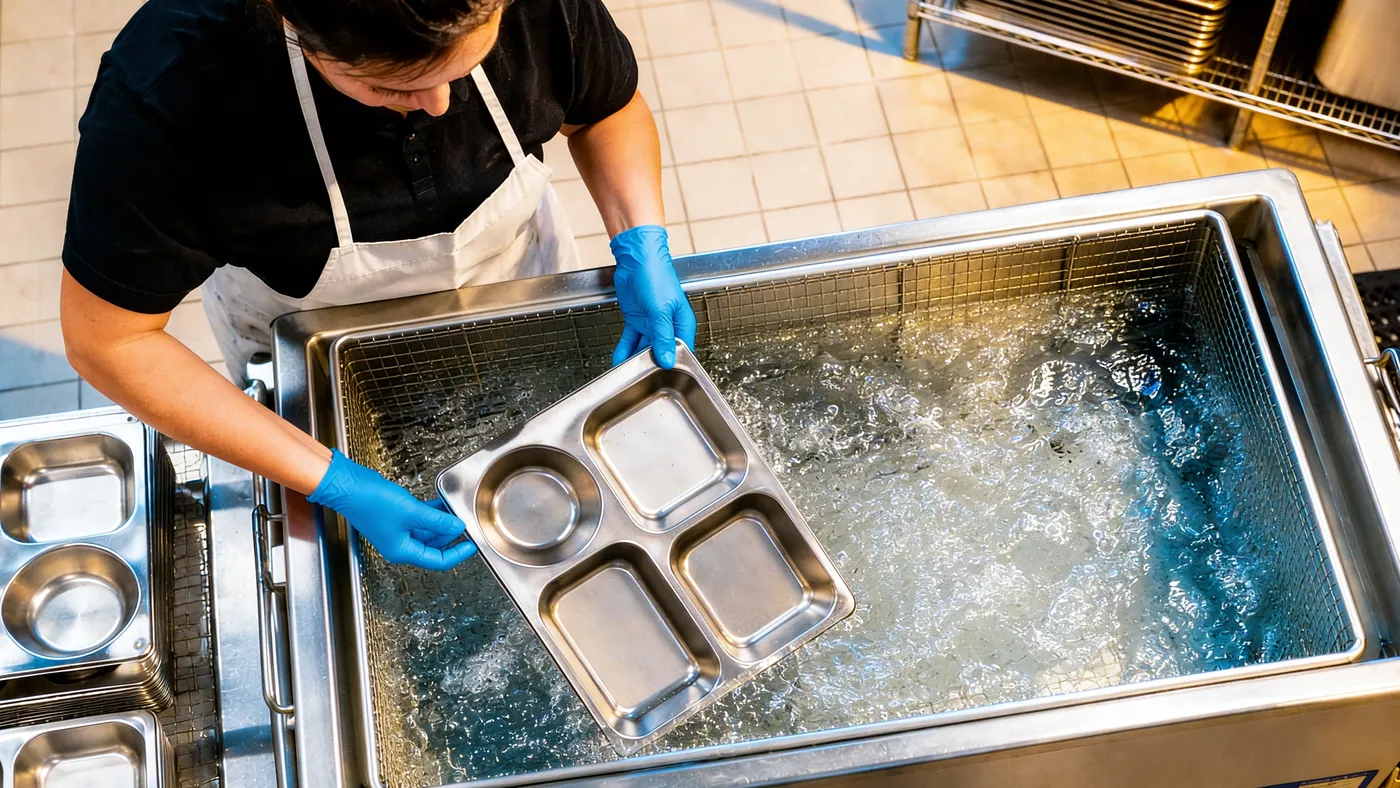 Parts and contaminants · 3 min readUltrasonic cleaning of stainless steel food contact partsValves, pump rotors, fittings, nozzles, sieves and change parts in AISI 304 and 316 stay hygienic only if their surface stays clean and passive. How ultrasonic cleaning fits between dismantling and disinfection, the chemistry that protects stainless, the mistakes that make it rust, and how the result is verified.
 Parts and contaminants · 4 min readUltrasonic cleaning of precision parts before quality inspectionA coolant film or a single chip on a datum face is a measuring error, and a part that comes out of a warm bath is not yet the size on the drawing. How to clean precision parts so the inspection measures the part and not its dirt, and how cleaning relates to a technical cleanliness test.
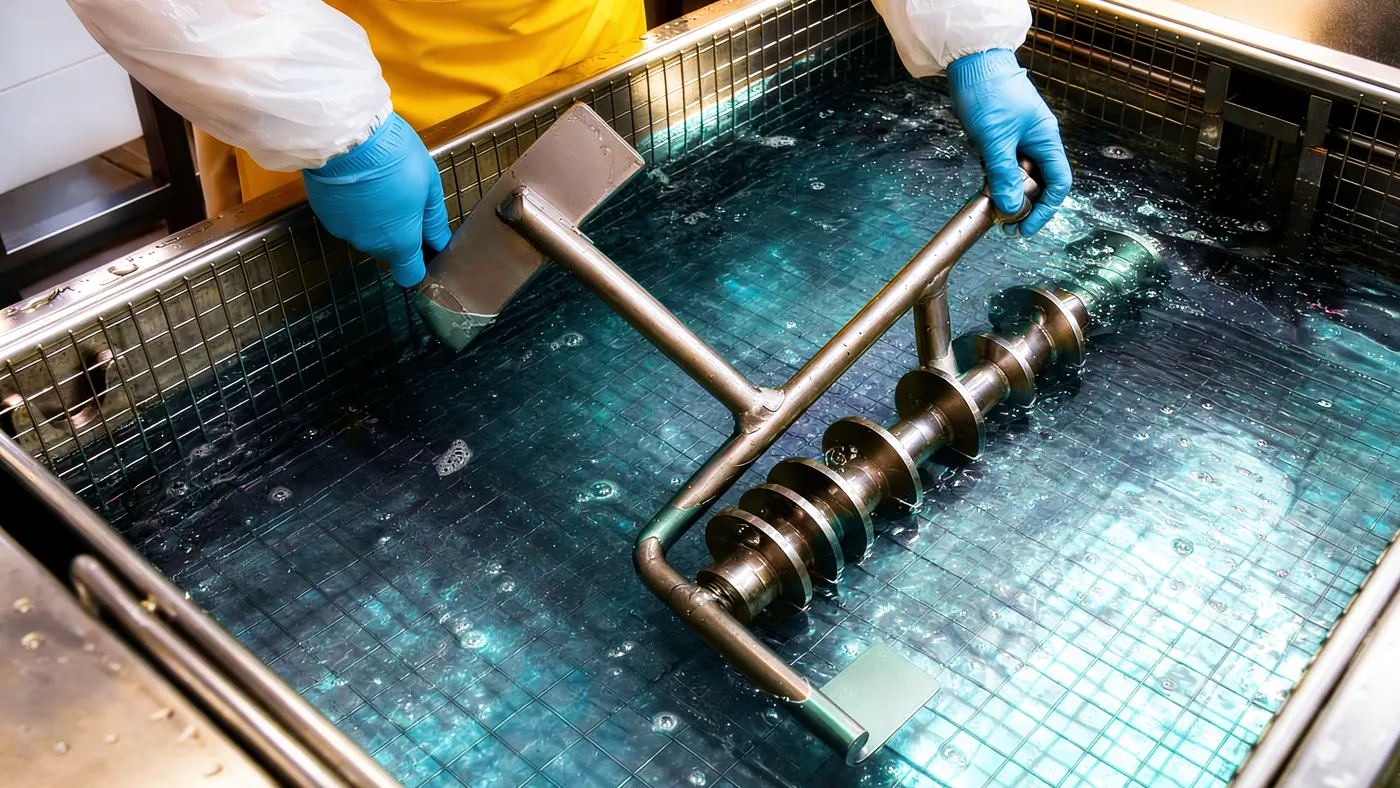 Parts and contaminants · 3 min readUltrasonic cleaning of packaging equipment componentsFilling nozzles, dosing pistons, forming sets, sealing jaws, cutting knives and vacuum cups collect product, film residue and dust between format changes. Which packaging parts are cleaned in an ultrasonic tank, how to treat heat-sealing jaws and coated parts, and how cleaning fits a format or allergen changeover.
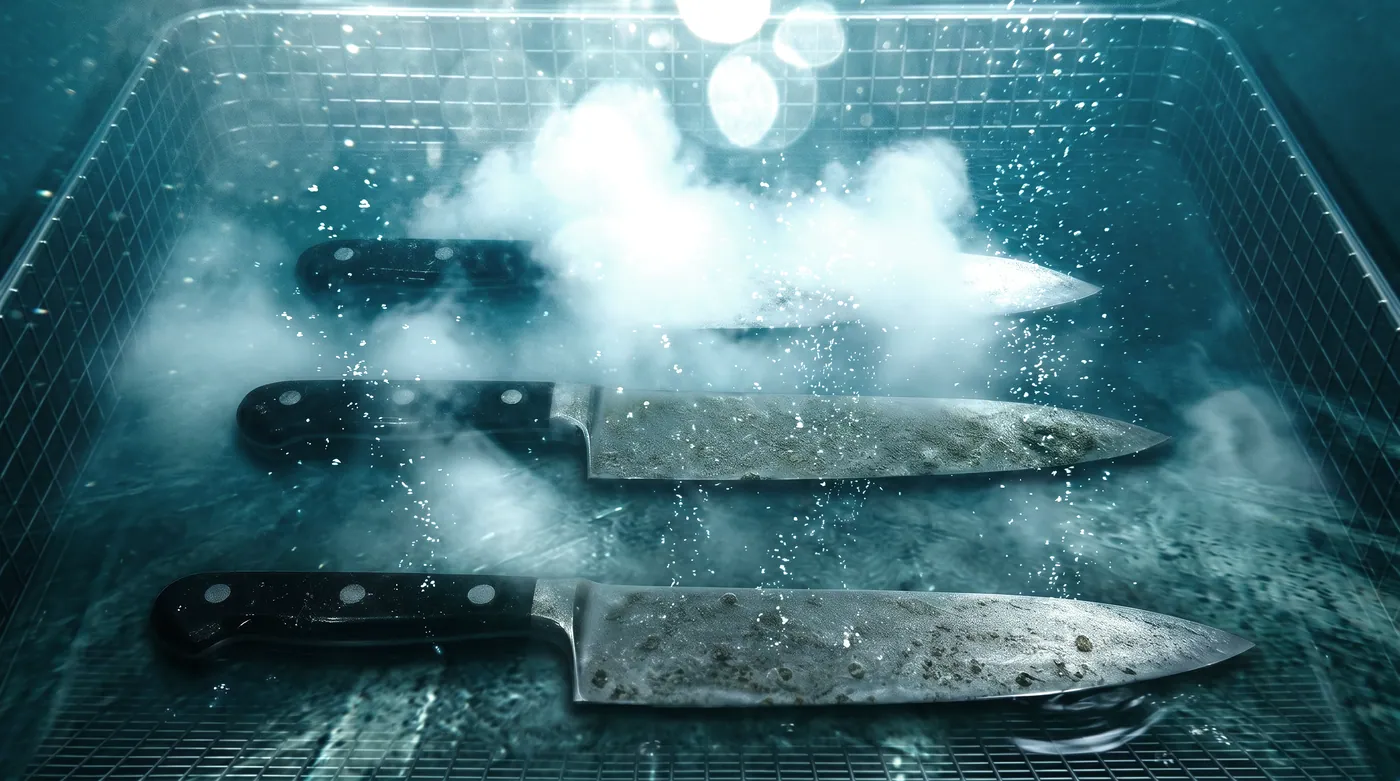 Parts and contaminants · 4 min readUltrasonic cleaning of knives in food processing plantsHand knives, steels, scabbards and knife baskets collect fat and protein in the handle joint and along the edge, where a quick rinse leaves them. How a knife-cleaning station with an ultrasonic tank fits the shift, the temperatures that keep protein from baking on, and the steps before disinfection.
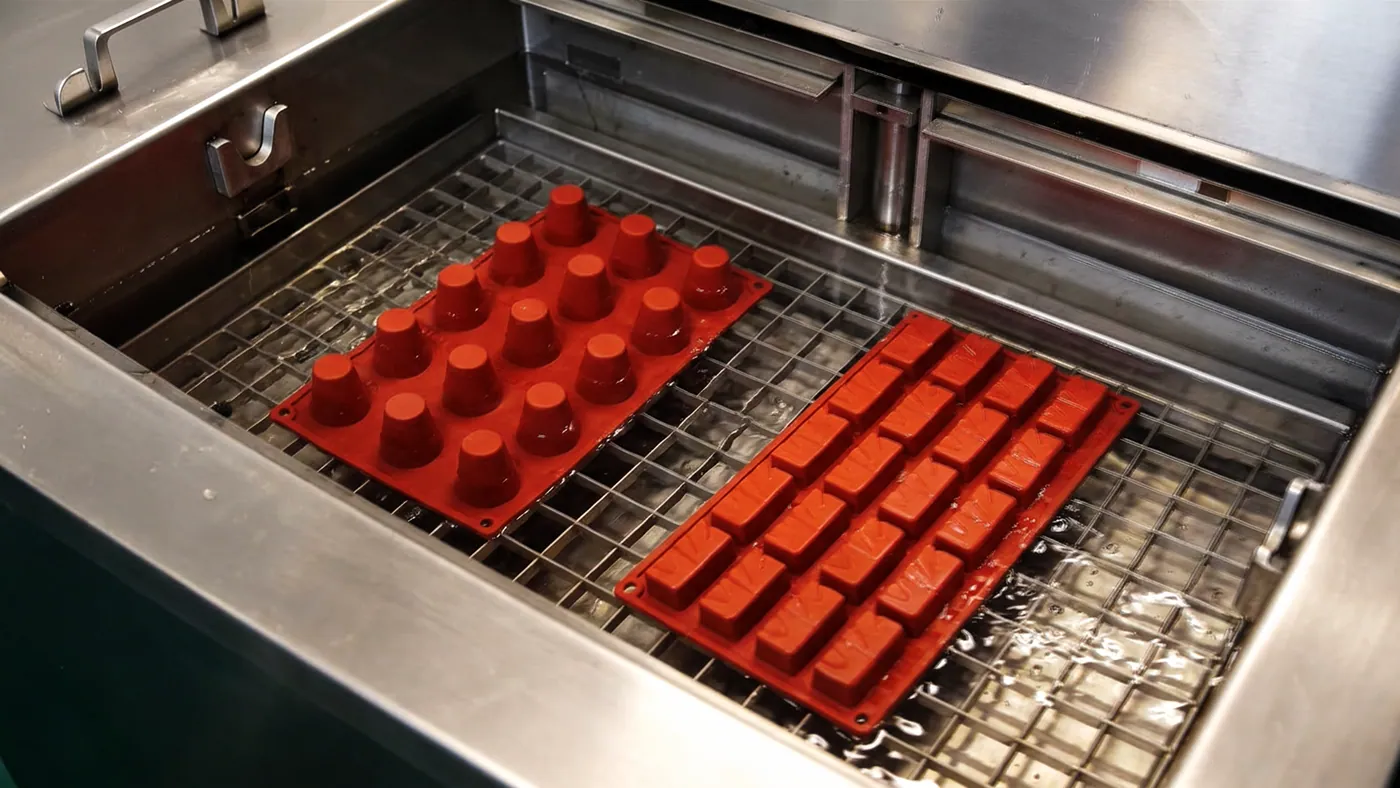 Parts and contaminants · 3 min readUltrasonic cleaning of food processing mouldsChocolate and confectionery moulds, cheese moulds, depositor plates and pasta dies hold product in cavities, perforations and die holes. How ultrasonic cleaning reaches them, the gentle chemistry polycarbonate and bronze need, and the loading that keeps moulds from being scratched.
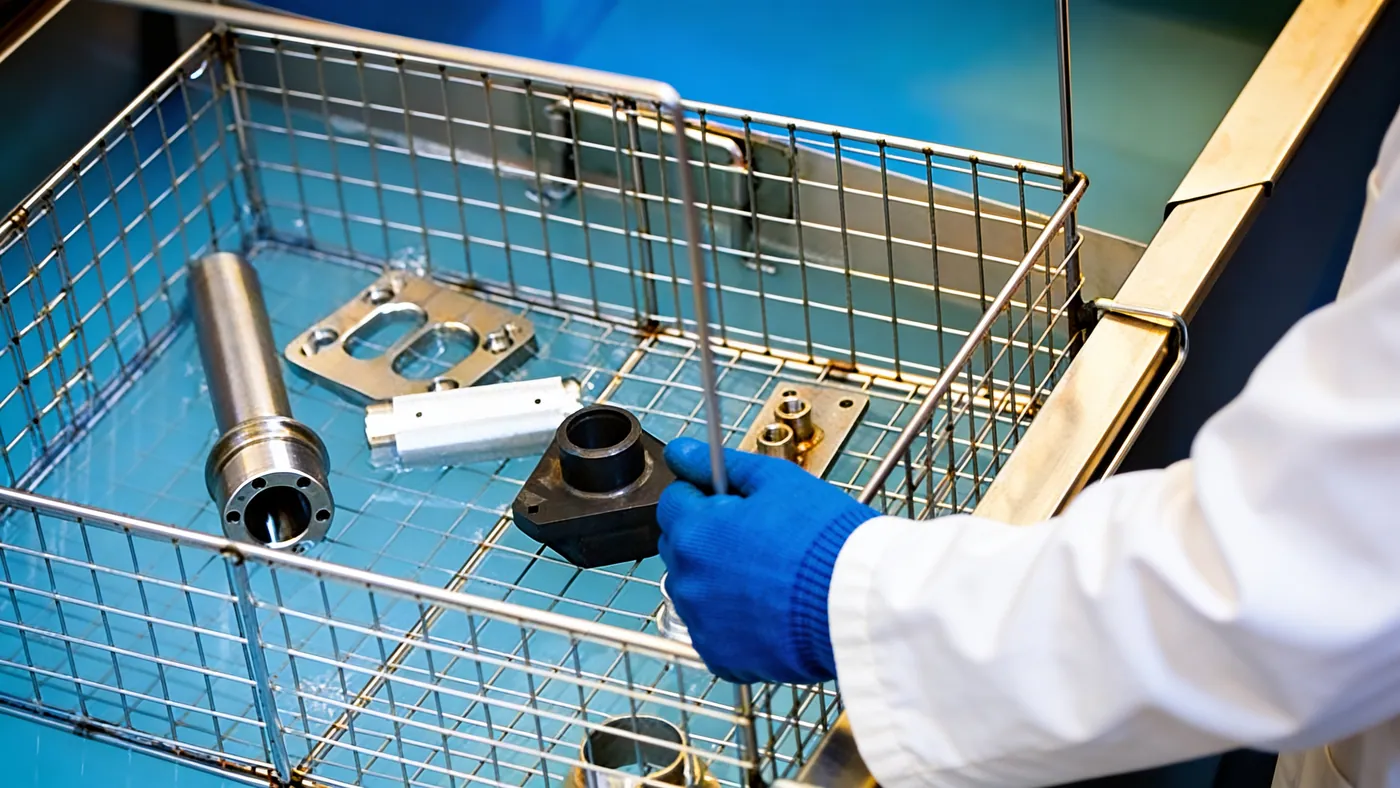 Parts and contaminants · 3 min readUltrasonic cleaning of bottling equipment partsFilling valves, vent tubes, capping and crowning heads, change parts and labeller parts collect sugar, fruit pulp, yeast, beer stone, tartrate and glue. How to clean them at an overhaul or a product change, the chemistry for each beverage soil, and how to keep valve sets and seals in order.
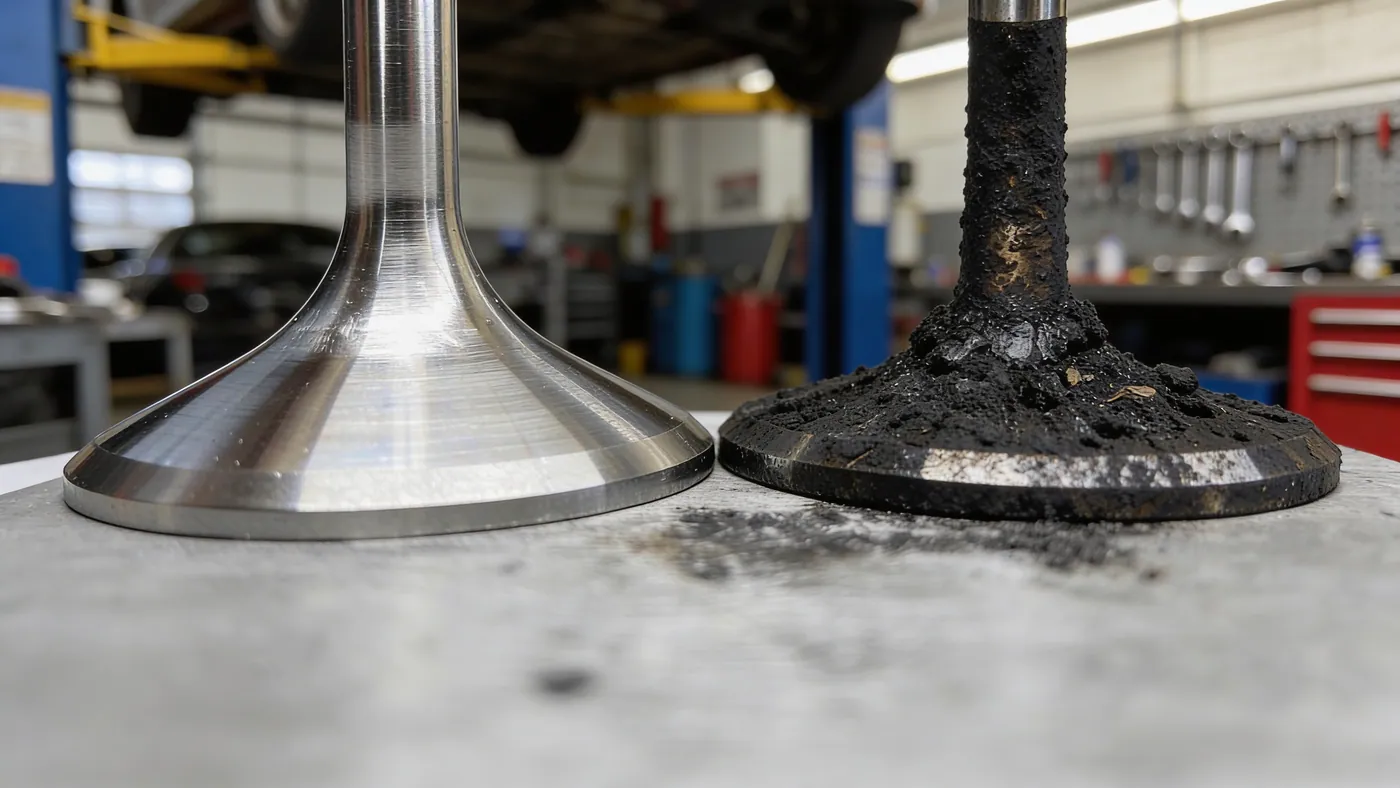 Parts and contaminants · 3 min readRemoving carbon deposits from engine valvesIntake valves on direct-injection petrol engines and exhaust valves on every engine carry hard carbon on the tulip and stem. How to clean valves once the head is off, keep each valve with its guide, and tell a cleaned valve that can be refaced from one that is scrap.
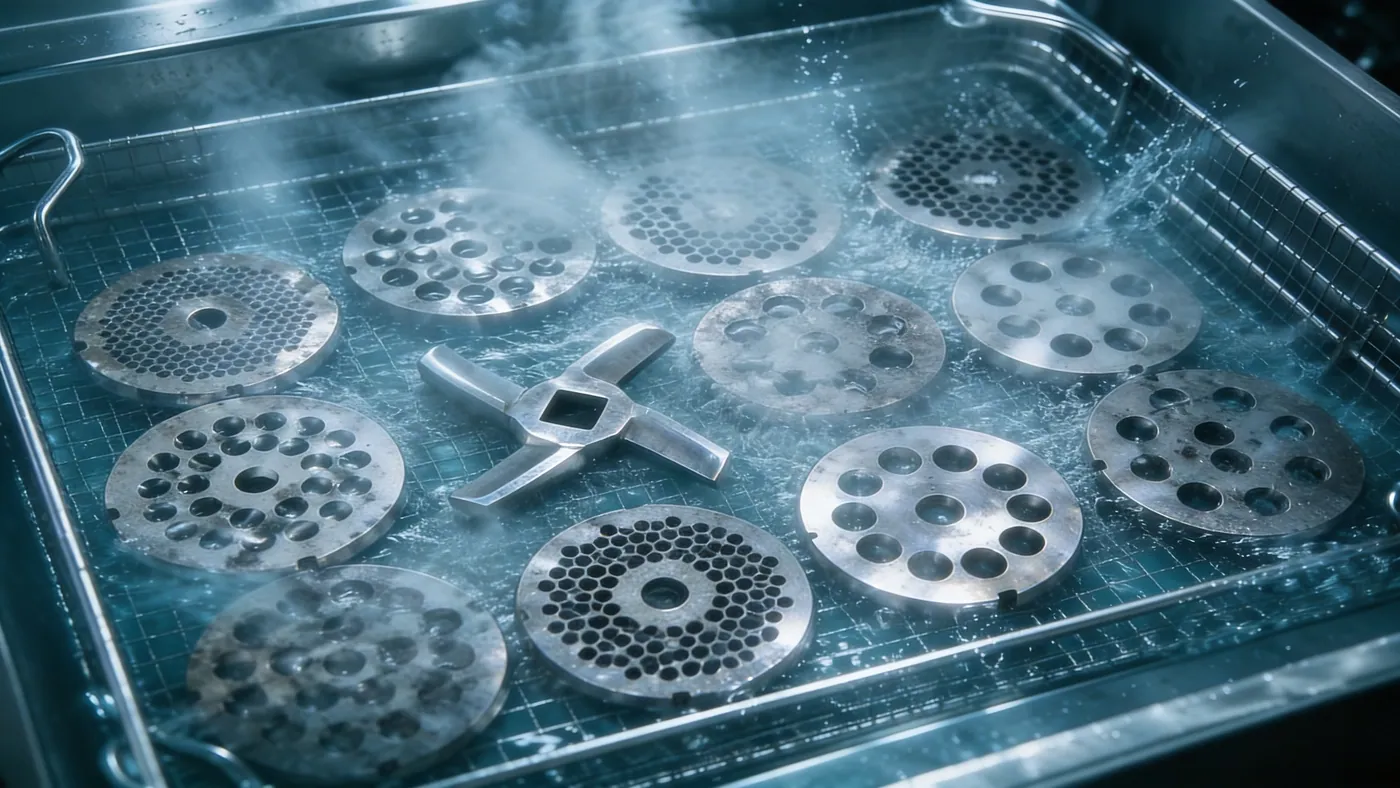 Parts and contaminants · 4 min readCleaning meat processing blades with ultrasoundMincer knives and hole plates, bowl-cutter knives, slicer blades and skinner blades carry fat and protein in their bores, holes and hubs. How to clean machine blades so they come out ready for disinfection, the temperatures for protein, and how to protect the edges and the matched sets.
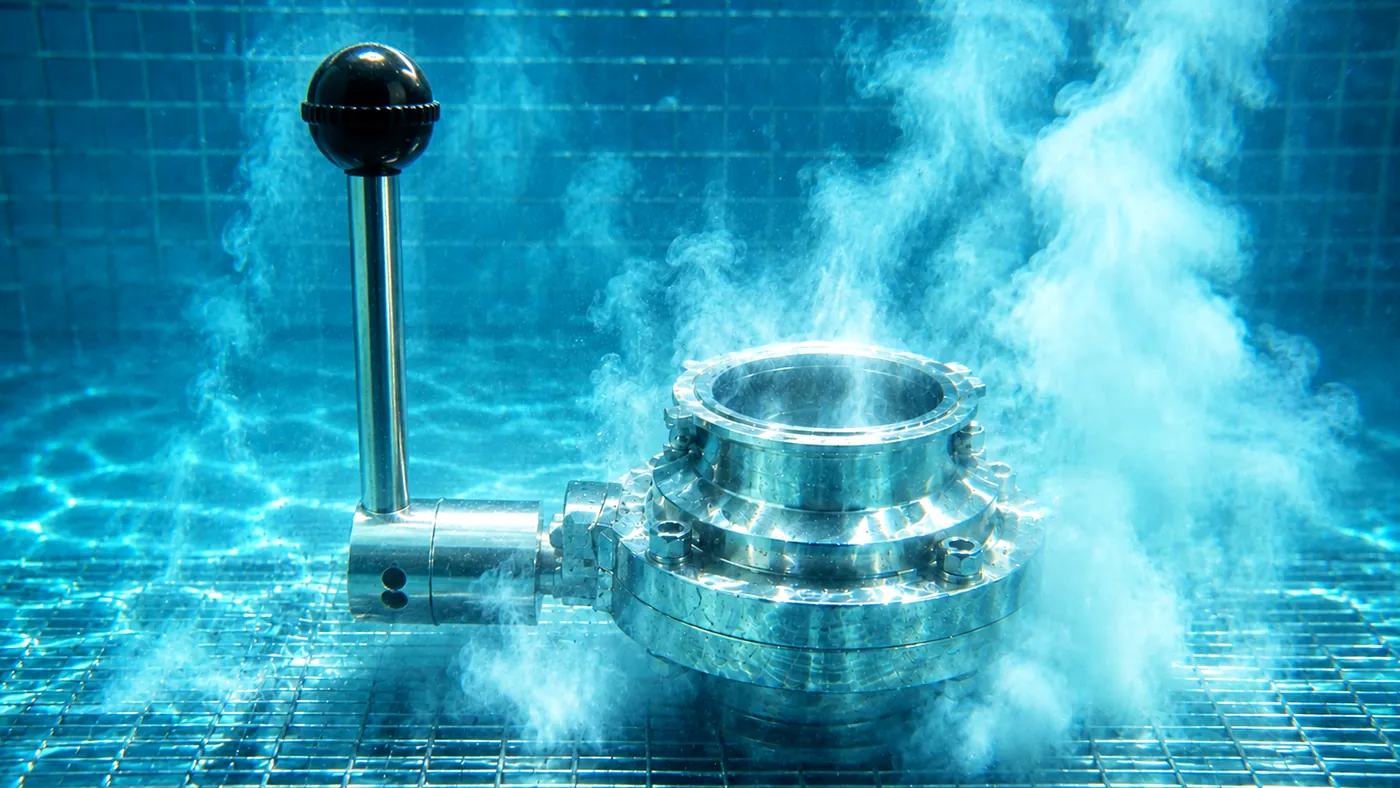 Parts and contaminants · 3 min readCleaning dairy equipment with ultrasonic systemsSeparator discs, homogeniser valves, pasteuriser plates, filling nozzles and cheese moulds carry milk fat, protein and milk stone that cleaning in place does not always remove. The two-step alkaline and acid wash, the temperatures for raw and heat-treated milk soil, and the dairy parts worth taking out for an ultrasonic tank.
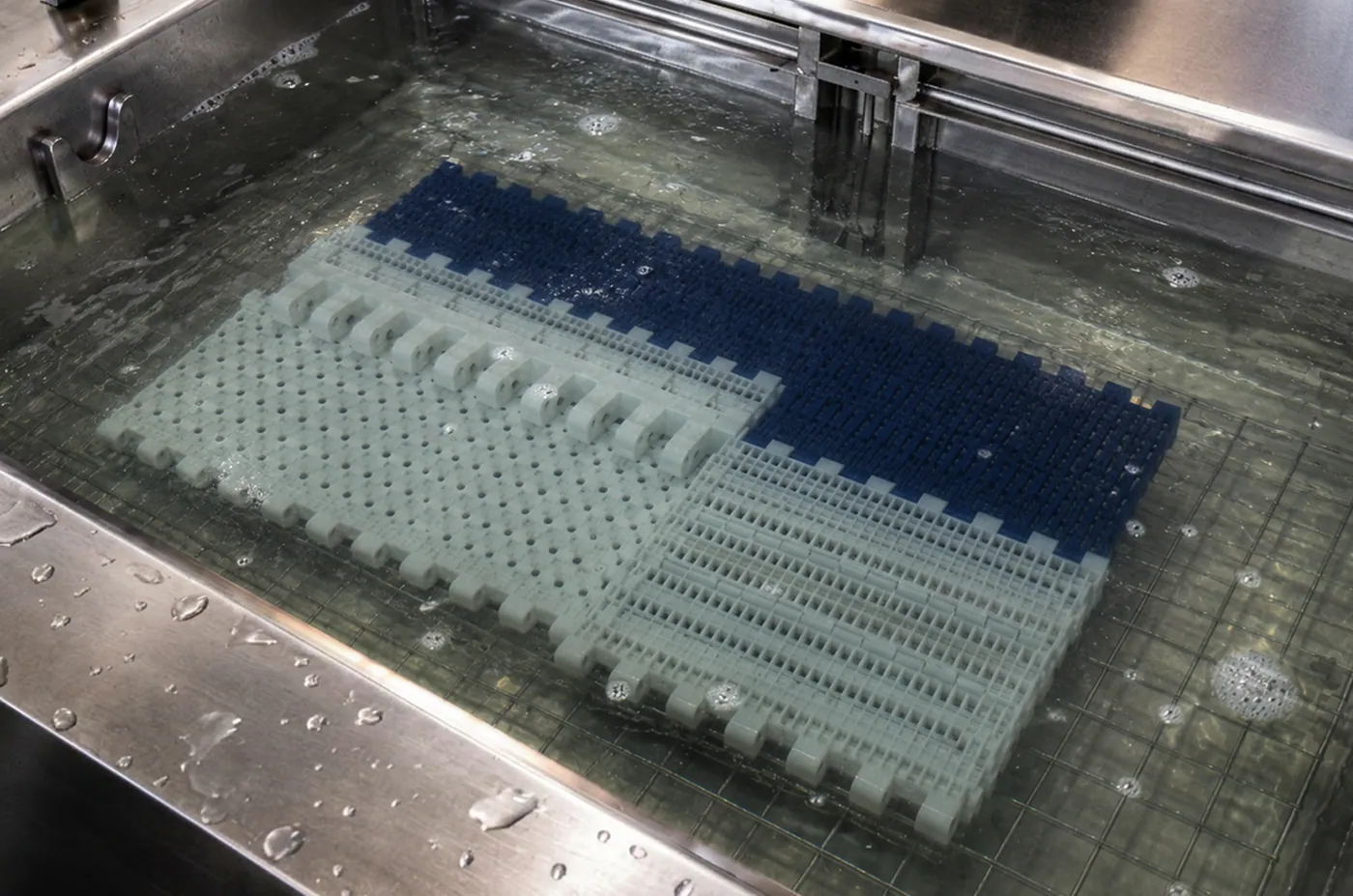 Parts and contaminants · 3 min readCleaning conveyor components in food production with ultrasoundModular belt sections, sprockets, chain links, guides and rollers collect product in hinges and joints that spray cleaning does not reach. Which conveyor parts come off for ultrasonic cleaning, the temperature limits of plastic belting, and how to size a tank for belt modules and sprockets.
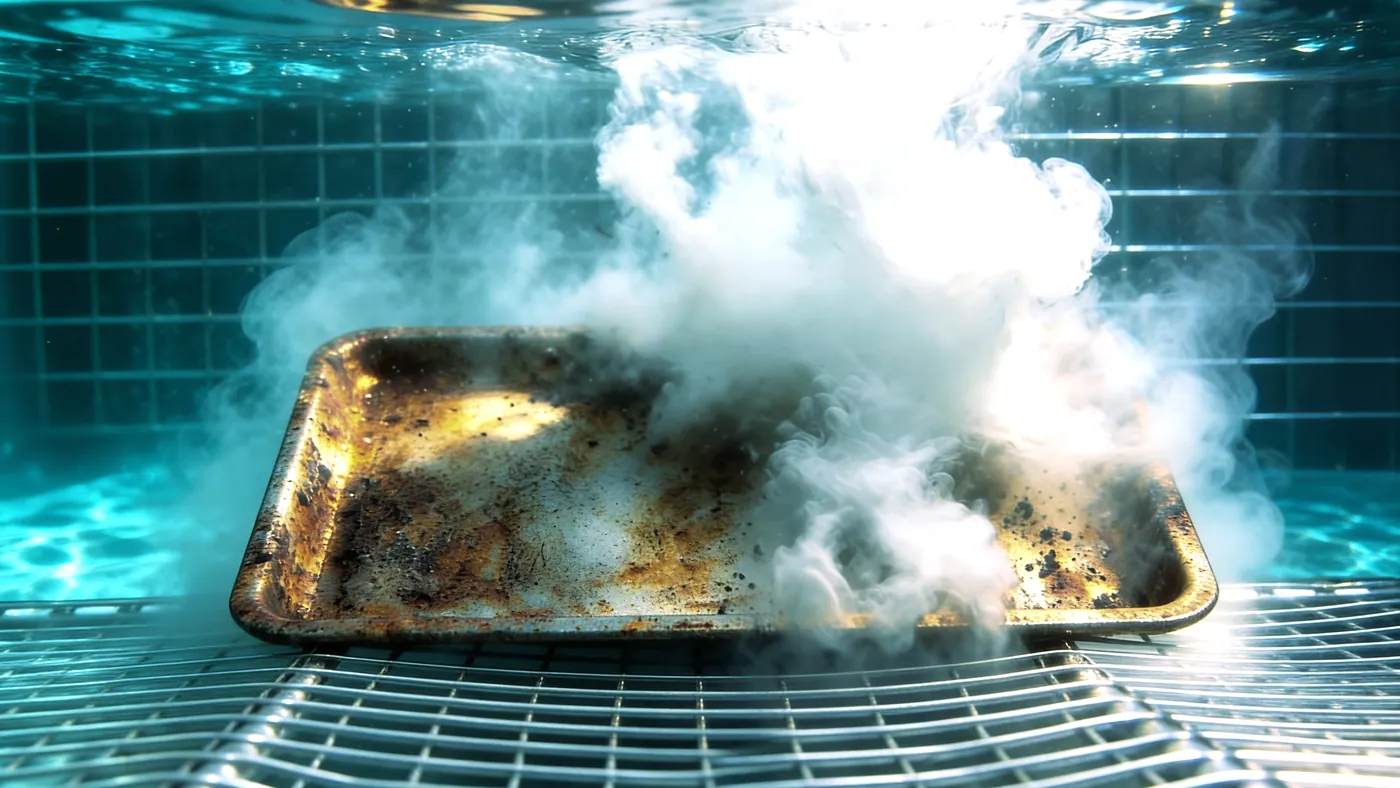 Parts and contaminants · 3 min readCleaning bakery equipment with ultrasoundBaking tins and trays, depositor nozzles and pistons, divider parts, slicer blades and cutters carry dough, sugar, fat and carbonised release agent. What ultrasonic cleaning removes in a bakery, what it cannot remove without harsh chemistry, and how to treat coated tins so the coating survives.
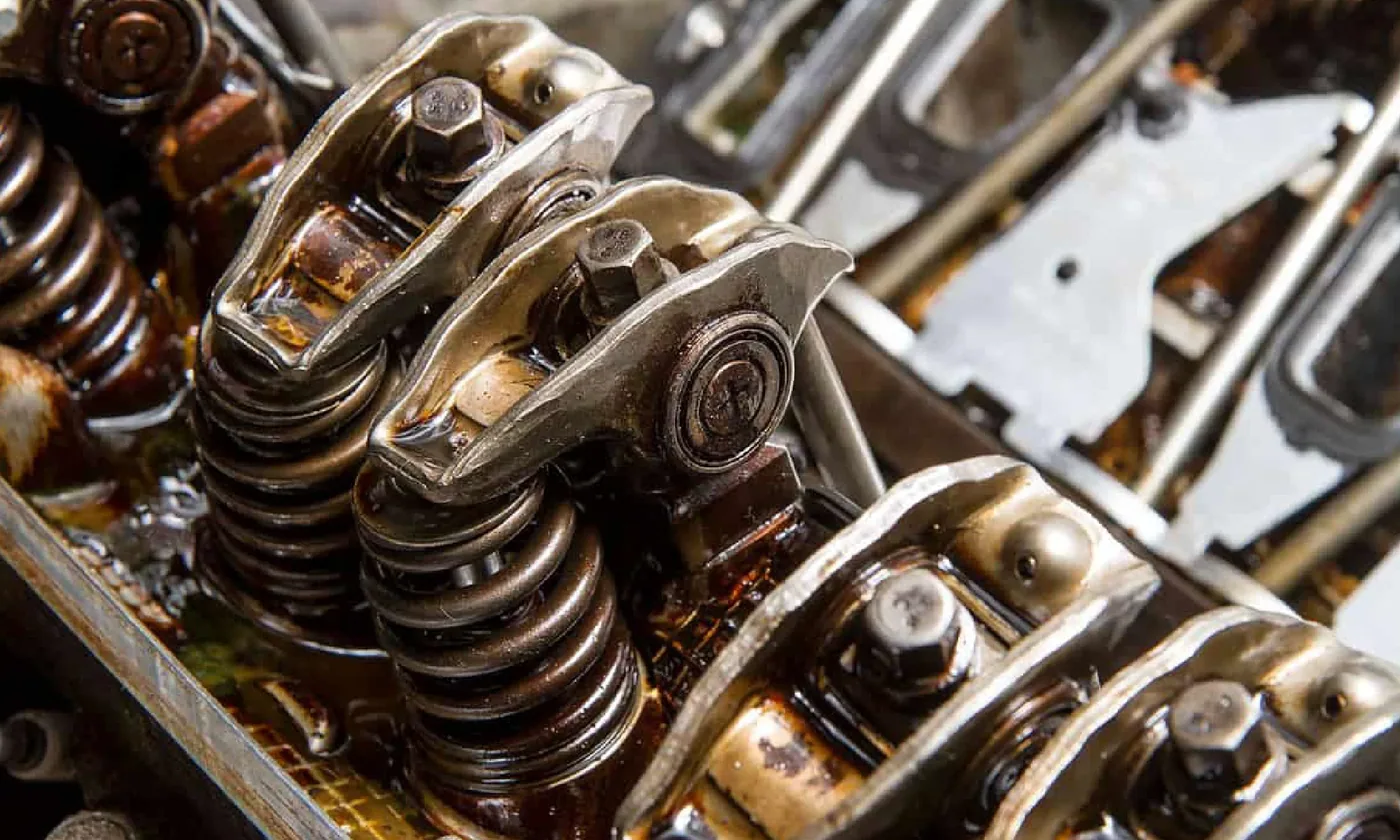 Parts and contaminants · 5 min readRemoving oil and greaseOil is the easiest soil for an ultrasonic bath and the one that kills the bath fastest. Chemistry, temperature and time for light machine oil, chassis grease and waxy lubricants, and why the skimmer matters more than the transducers once the parts come out clean.
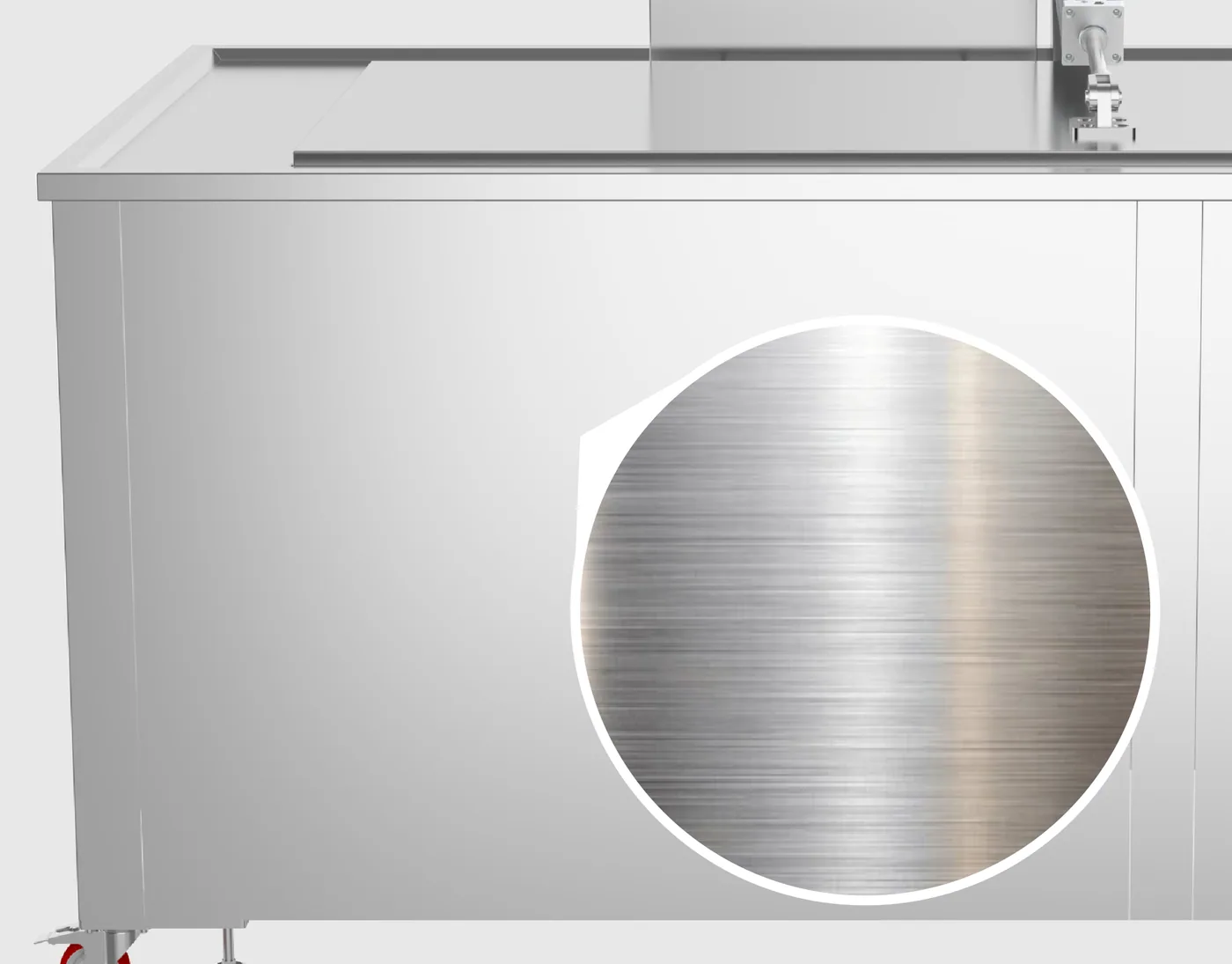 Industries · 3 min readUltrasonic cleaning in food processingKnives and blades, moulds, conveyor parts, filters, nozzles and pump components carry fat, protein, sugar and starch into places a hose cannot reach. What ultrasonic cleaning removes in a food plant, the stainless steel and the chemistry that go with it, and where it fits next to CIP and sanitation.
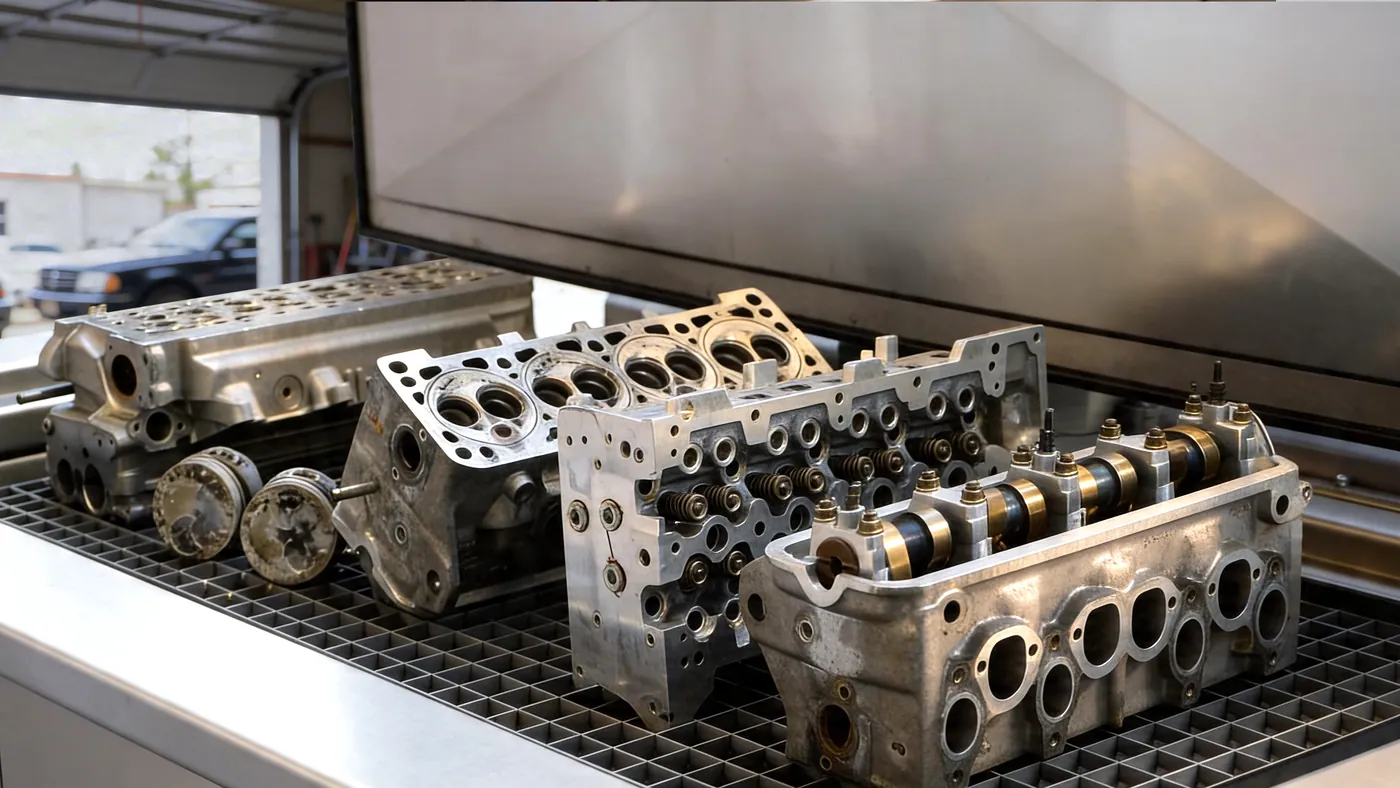 Parts and contaminants · 3 min readRemoving heavy grease and sludge from engine partsCrankshafts, connecting rods, sumps, timing covers and gearbox cases come in coated in oil, sludge and road grime. The hot soak, the ultrasonic cycle and the skimmer that let one bath degrease a week of engine rebuilds instead of a day.
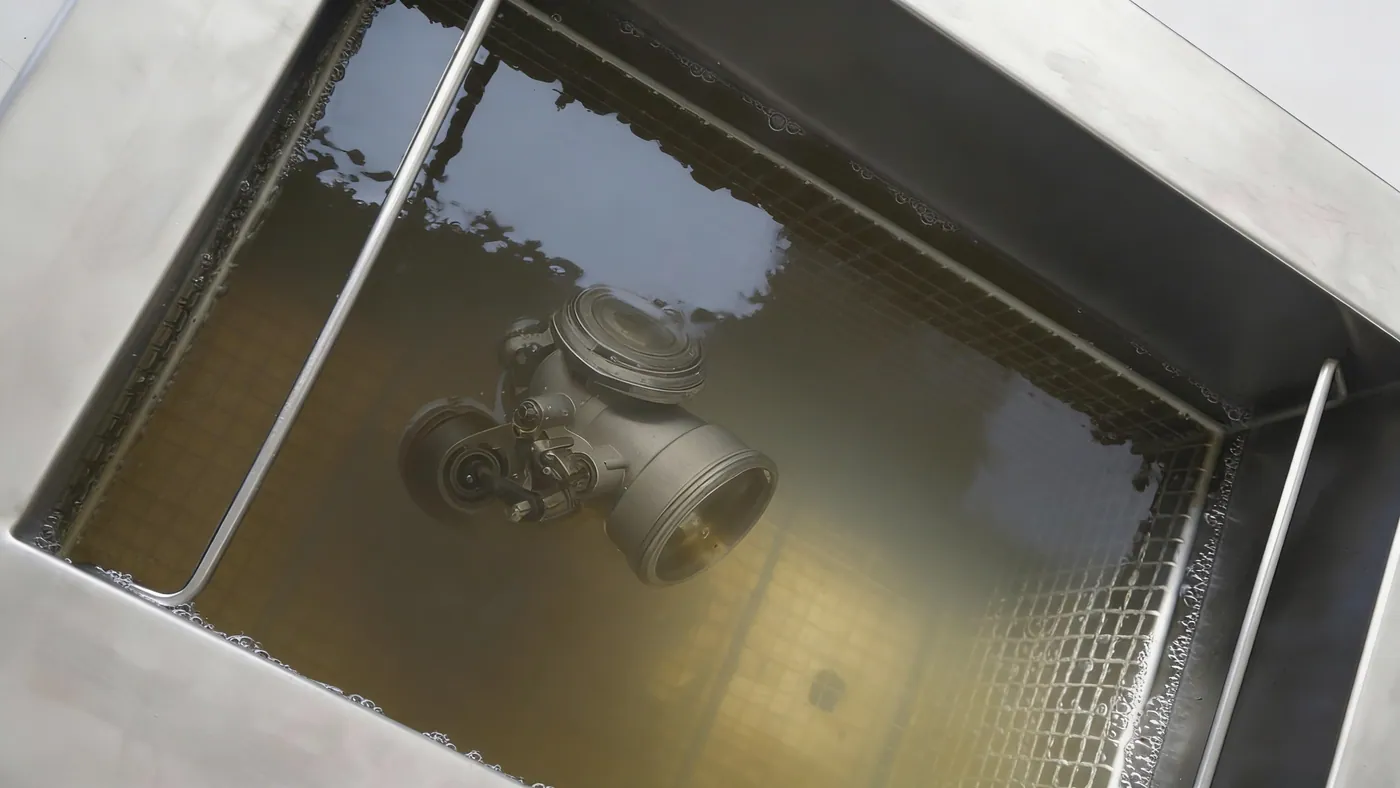 Parts and contaminants · 4 min readCleaning EGR valves in an ultrasonic tankSoot and oil mist bake into a hard cake in the EGR valve and its passages. How to remove the bulk, protect the actuator, which liquid and temperature break the rest, and how to tell a cleaned valve from one that needs replacing.
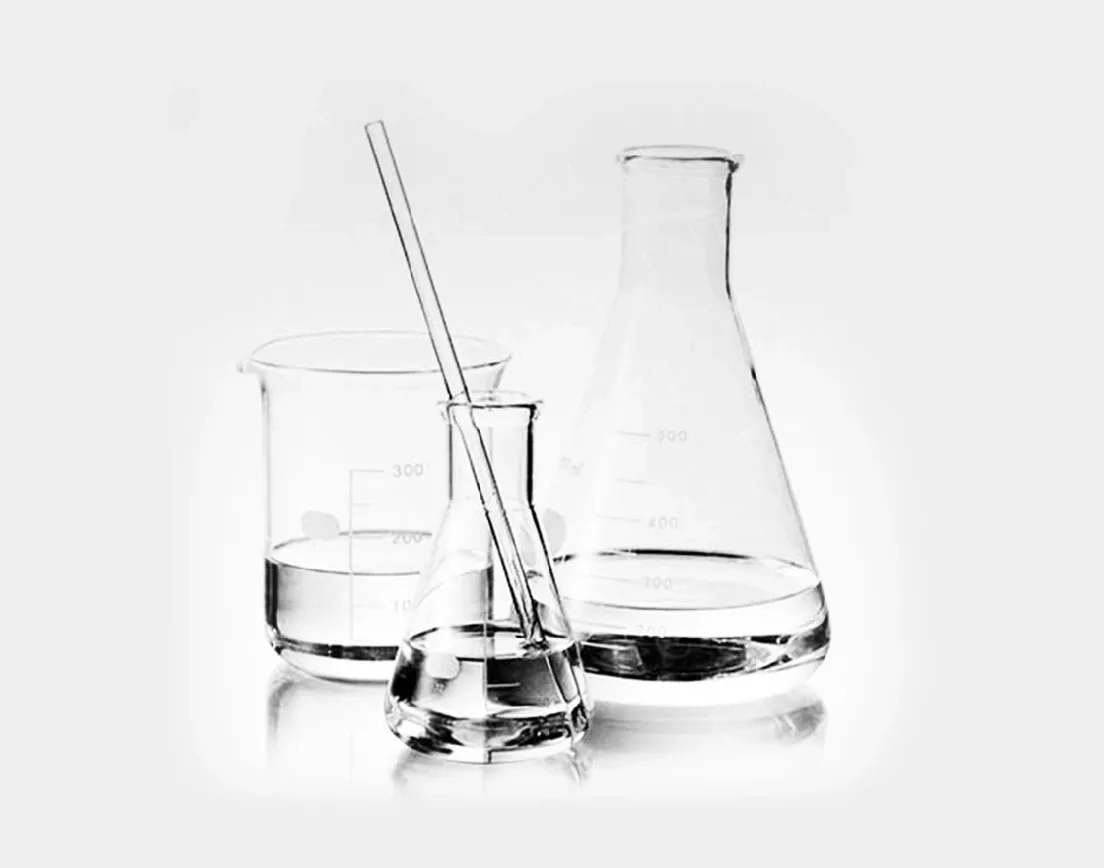 Process and parameters · 4 min readCleaning liquids for ultrasonic cleaningWater with a detergent does most jobs. Which chemistry for oil, carbon, oxide and flux, what never goes in the tank, and why concentration and temperature matter as much as the product.
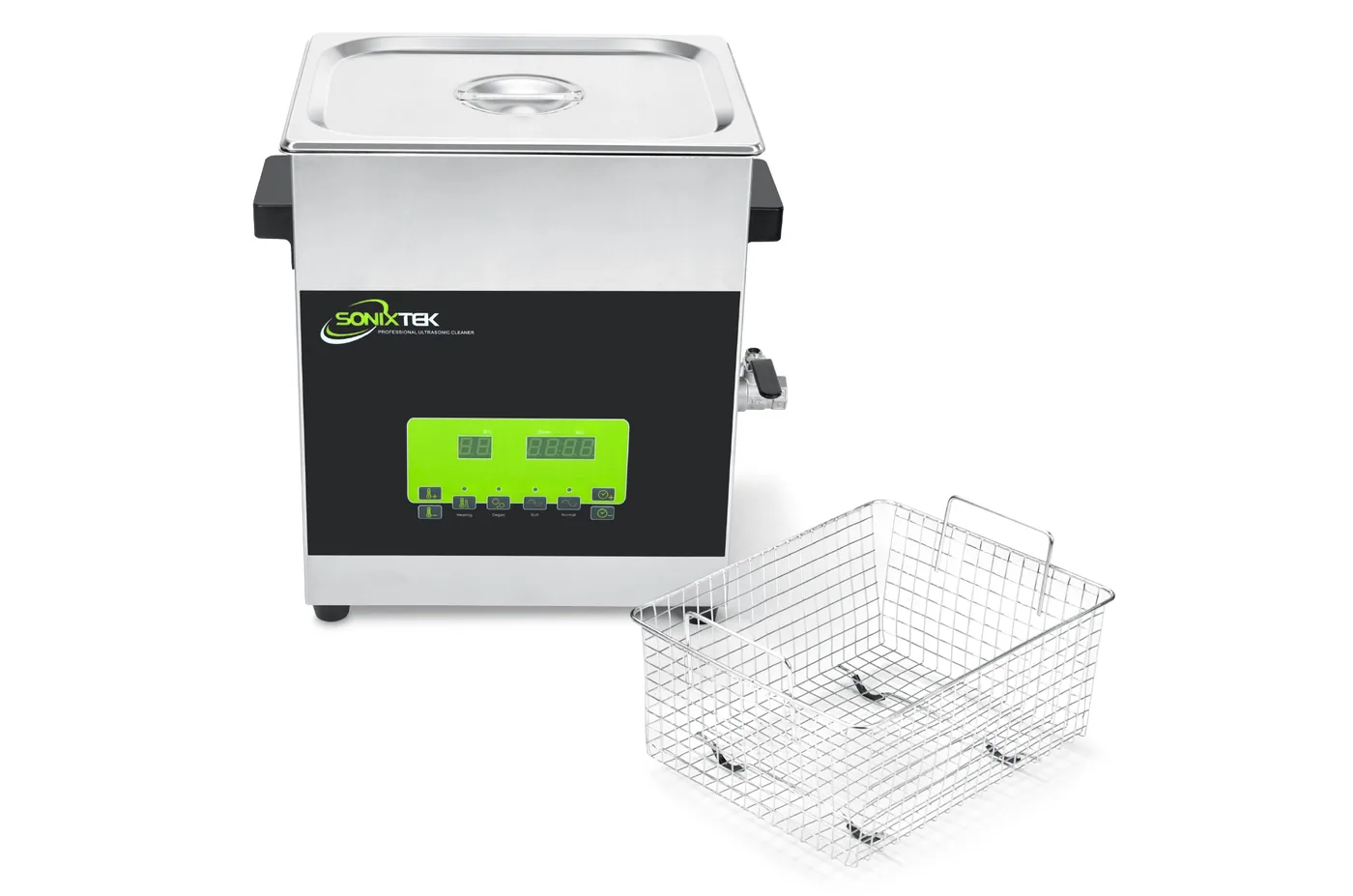 Parts and contaminants · 2 min readCleaning pedicure instruments before disinfectionNippers, files and pushers must be free of soil before a disinfectant or steriliser can work. What an ultrasonic bath removes, how a salon uses it, and the steps that follow it.
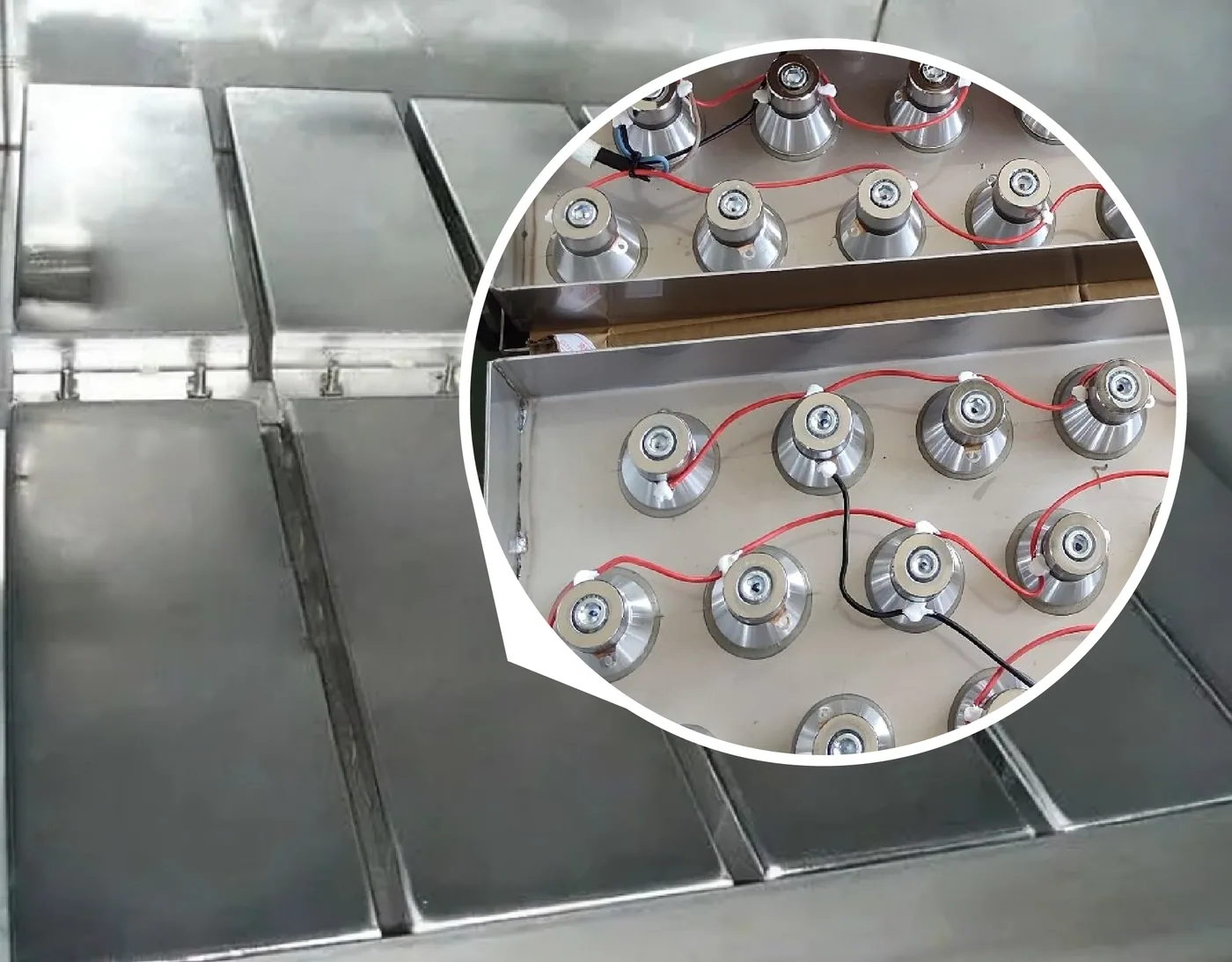 Ultrasonic cleaning basics · 3 min readCavitation: how a collapsing bubble cleans a surfaceUltrasound does not scrub. It makes millions of microscopic bubbles grow and collapse against the part every second, and the collapse does the work. What happens in the liquid, and what it means for the settings you choose.
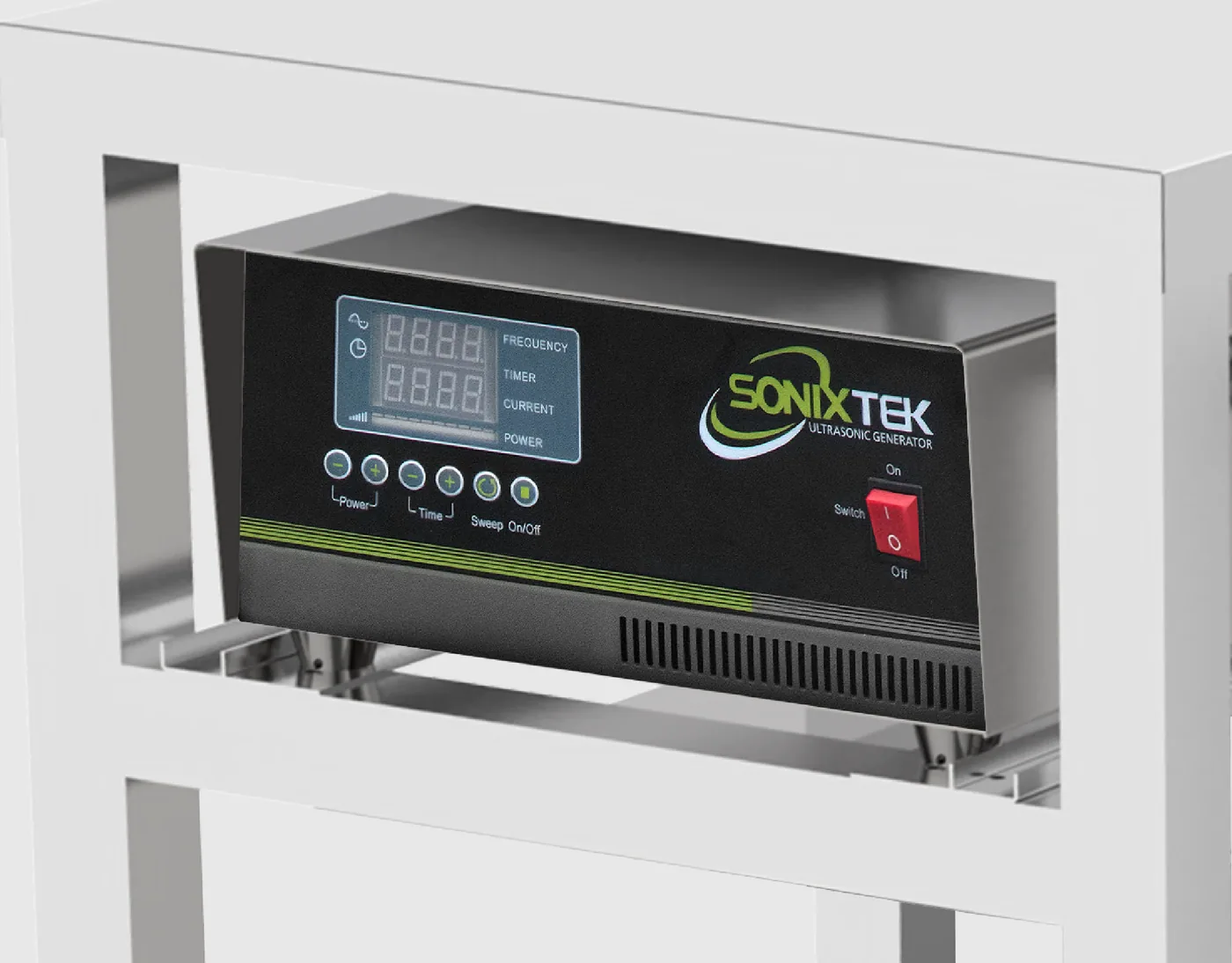 Operation and maintenance · 4 min readTroubleshooting: the machine runs but the parts are not cleanNine causes cover almost every case, and seven of them are the bath or the loading, not the machine. A checklist in the order that finds the fault fastest, from the sound of the tank to the generator display.
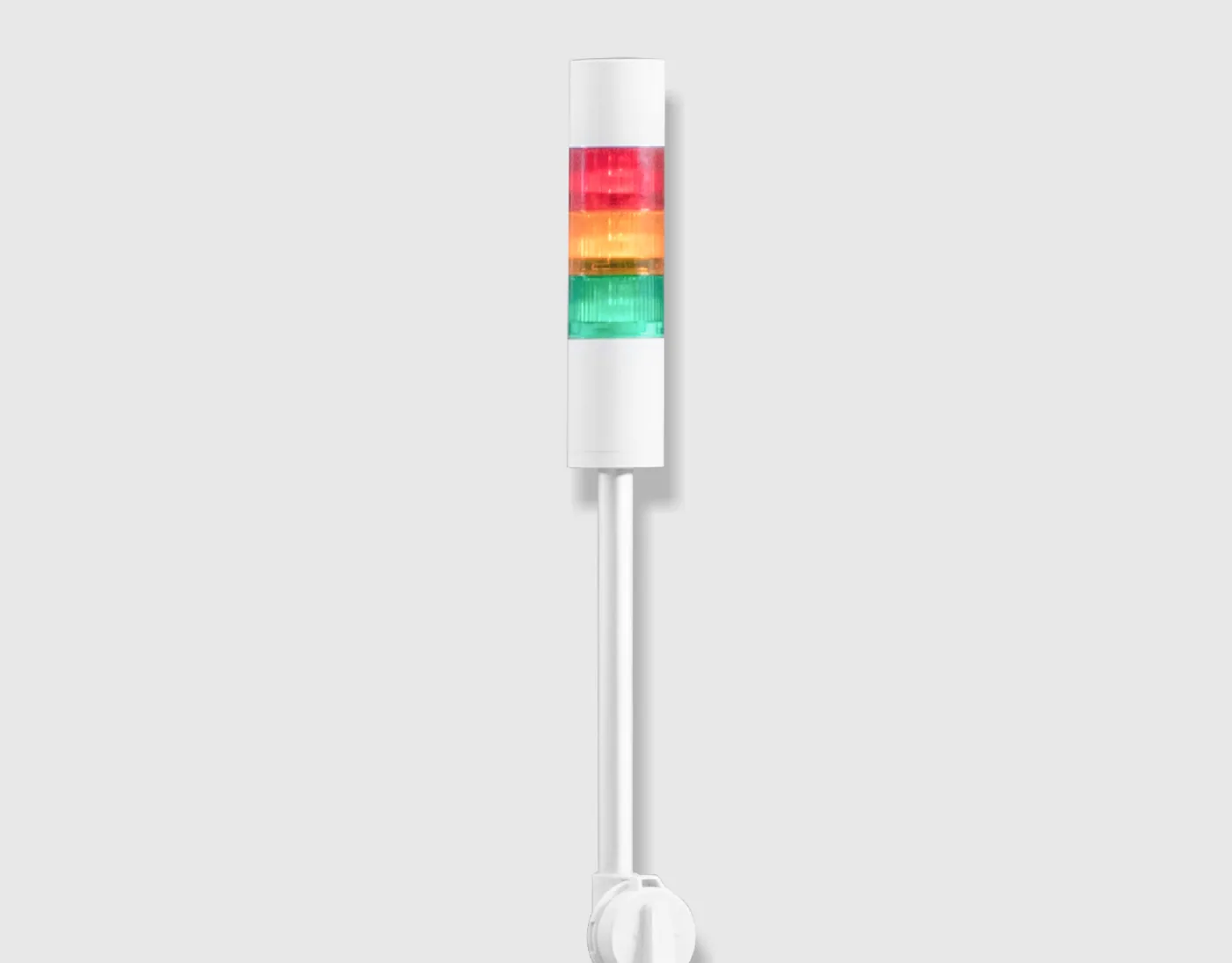 Operation and maintenance · 4 min readSafety around an ultrasonic cleaning tankHot alkaline liquid, a running bath that causes pain and tissue damage to a hand put into it, noise above the hearing range that is still noise, fumes, and heavy baskets over an open tank. The hazards of an industrial cleaner, and the habits and fittings that control them.
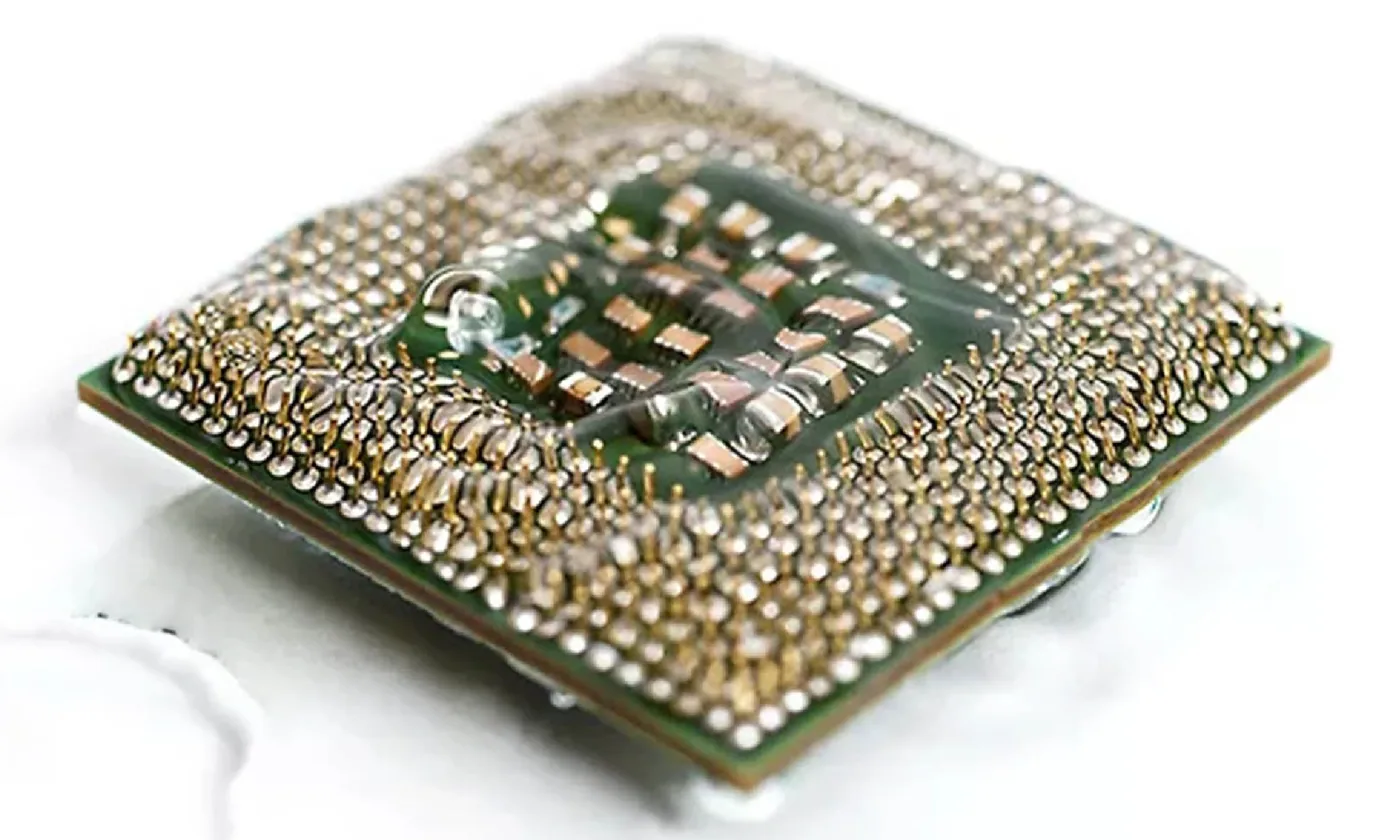 Parts and contaminants · 3 min readRemoving flux residues from circuit boards and assembliesFlux left after soldering attracts moisture, corrodes joints and leaks current between tracks. Which flux types need cleaning, the 40 kHz bath that removes them without harming components, what to keep out of the tank, and how to prove the board is clean.
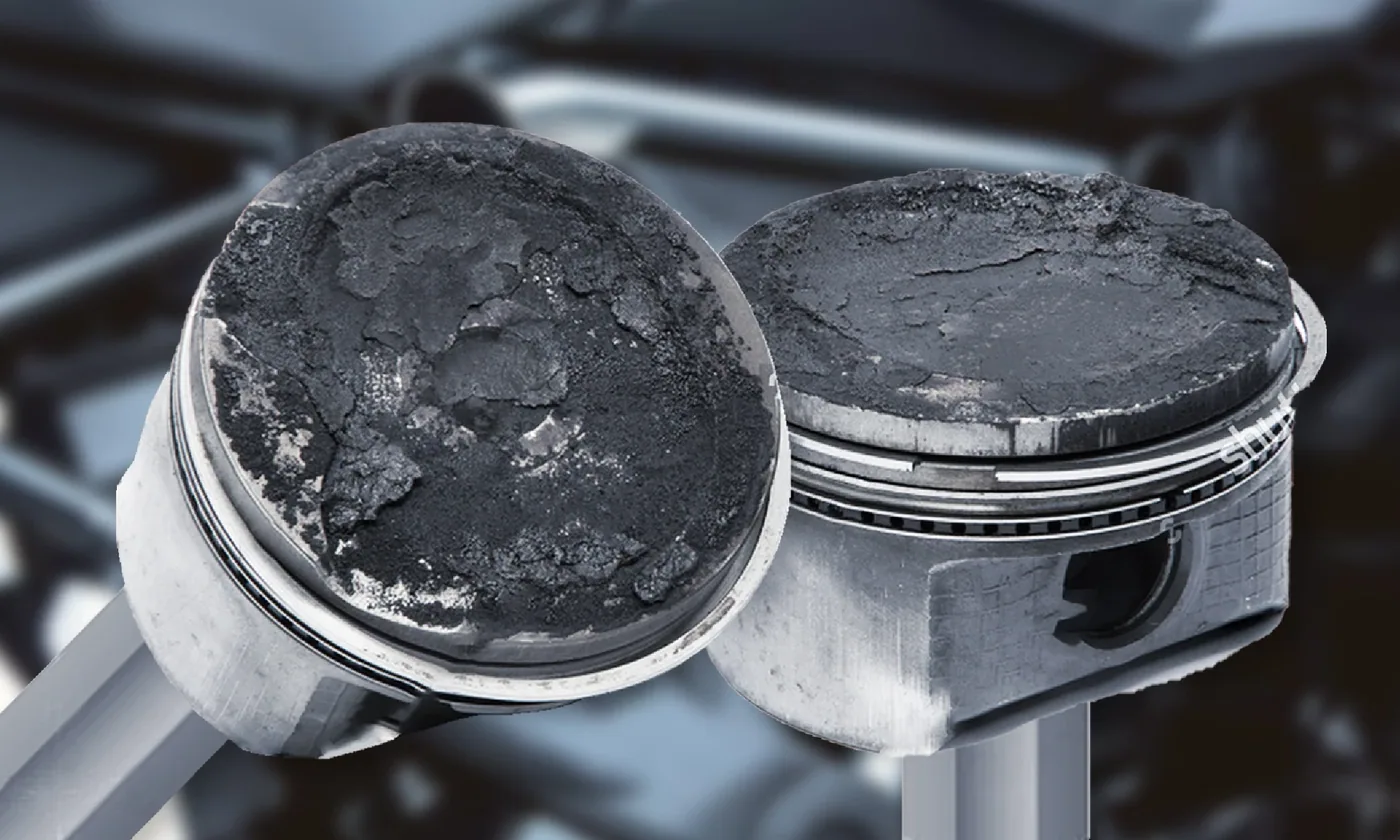 Parts and contaminants · 4 min readRemoving carbon deposits and baked-on oilCarbon on pistons, valves, injectors, turbo housings and EGR valves is oil that has been cooked onto the metal. It needs the hot end of the bath, the strong end of the chemistry, 28 kHz, and time. What works, what does not, and how to avoid damaging aluminium in the process.
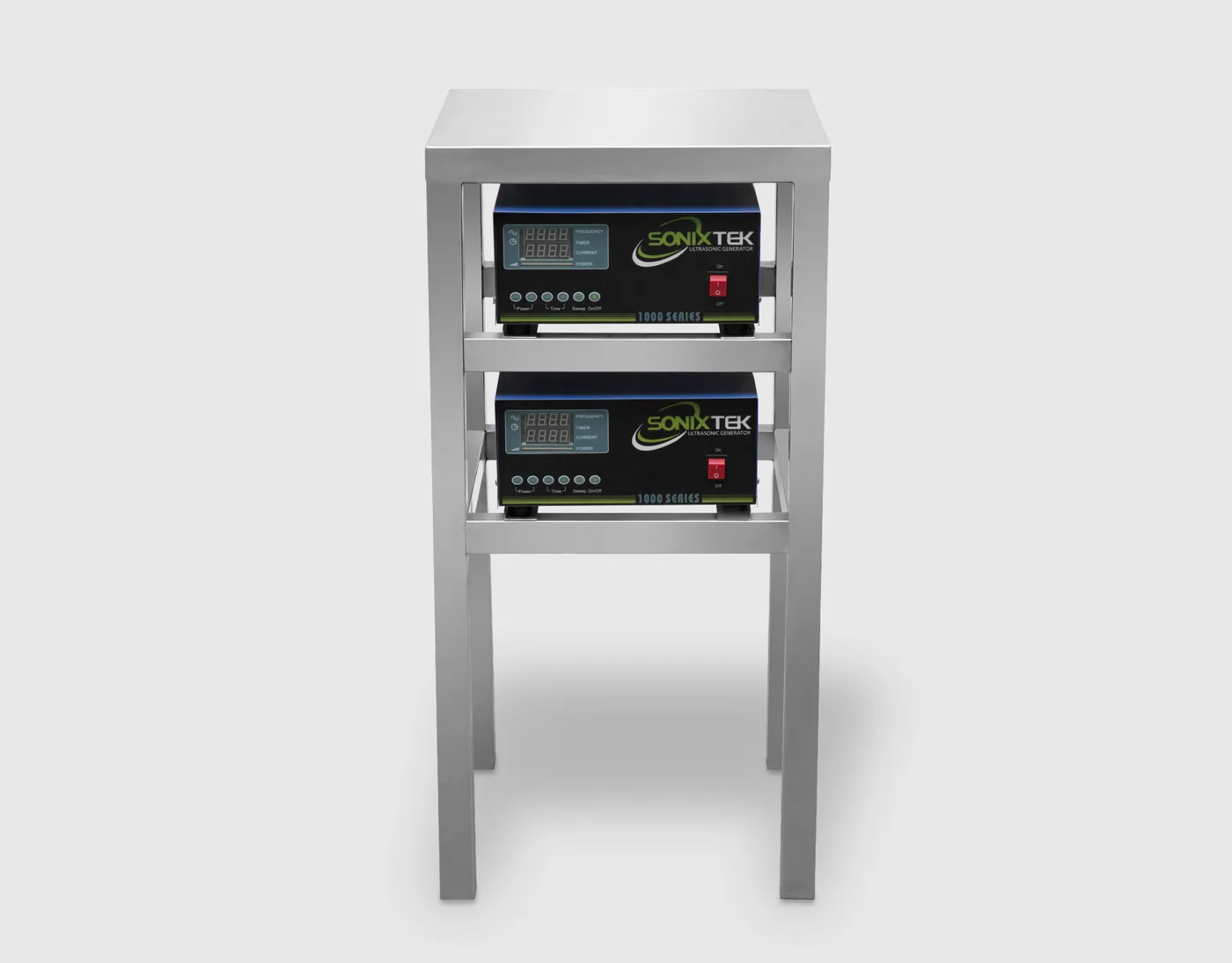 Operation and maintenance · 4 min readEnergy and running costs of an ultrasonic cleaning tankThe heater, not the ultrasound, is the cost. What a 96-litre and a 300-litre tank draw over a shift, where the kilowatt-hours go, and the four habits that cut the bill by a third: lid, timed heat-up, the right temperature, and a bath that lasts.
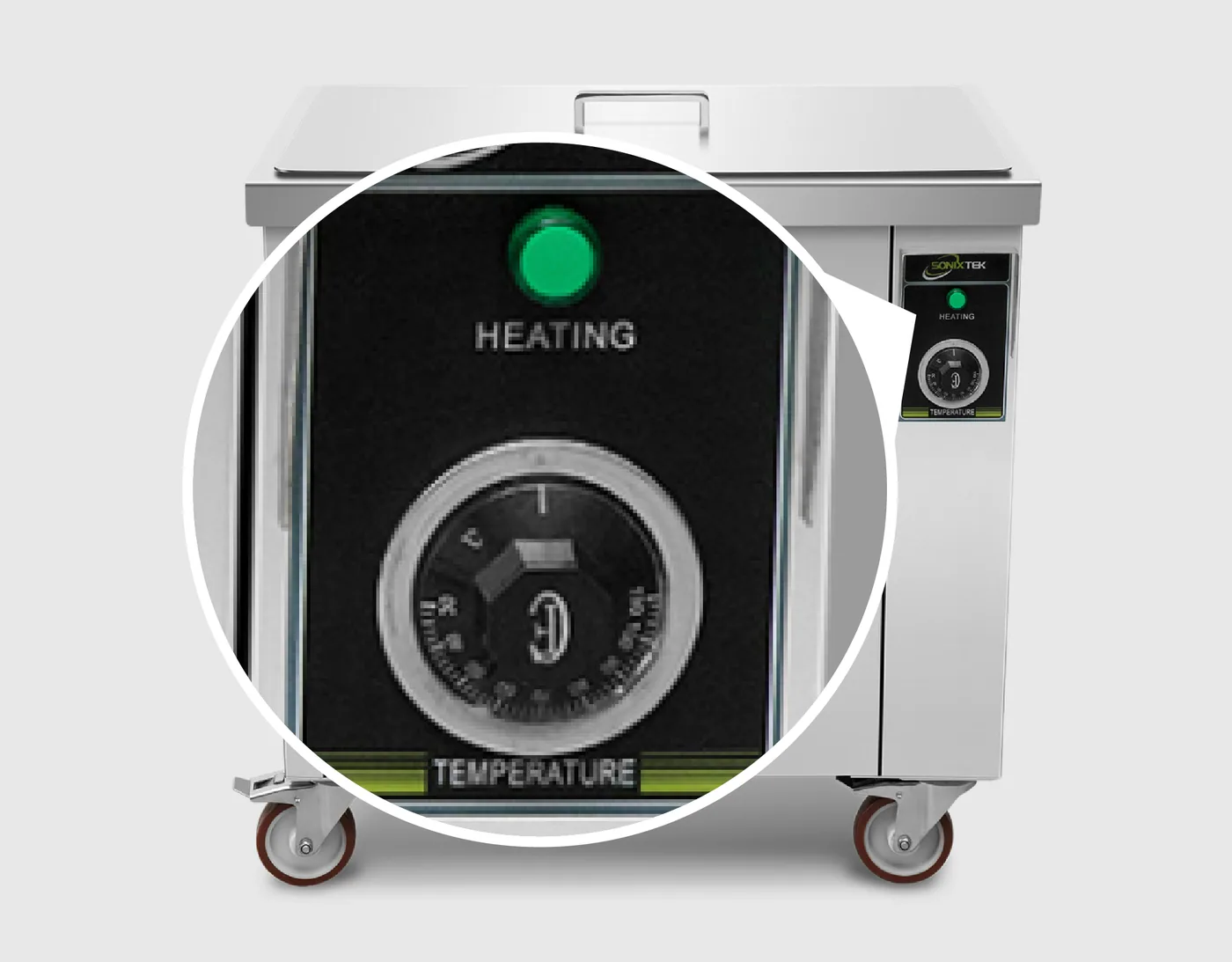 Process and parameters · 4 min readChoosing the cleaning temperatureHeat speeds up the chemistry and thins the oil, but above about 80 °C cavitation weakens. Where to set the bath for oil, carbon, machining residue, flux and biological soil, and why our tanks heat to 100 or 110 °C when most cleaning happens at 50 to 65.
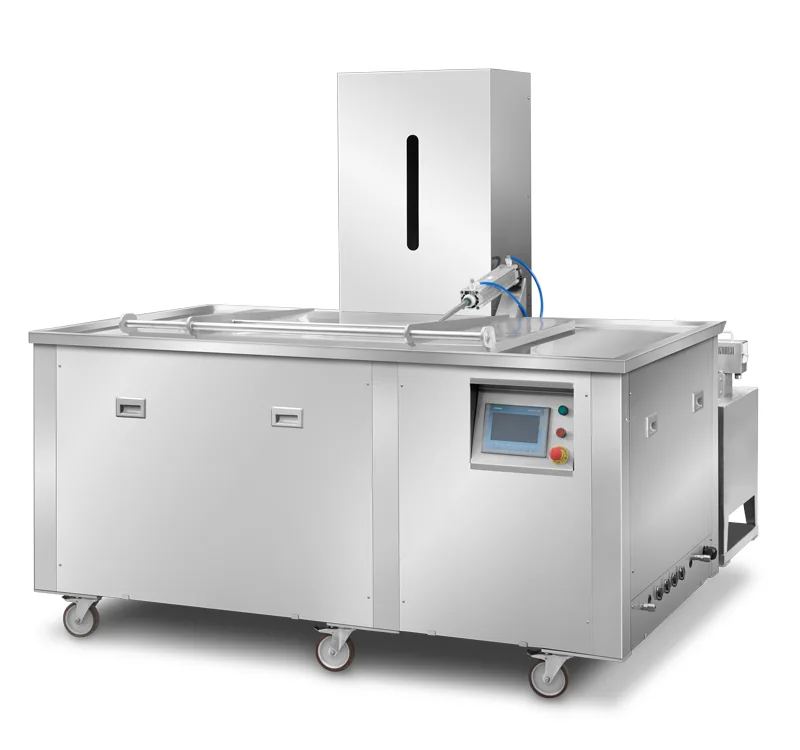 Ultrasonic cleaning basics · 17 min readUltrasonic cleaning explained: waves, cavitation, generators, tanks and featuresThe long version: how ultrasonic waves make cavitation, what frequency and temperature do, how generators and transducers are built, and which features matter in a tank.
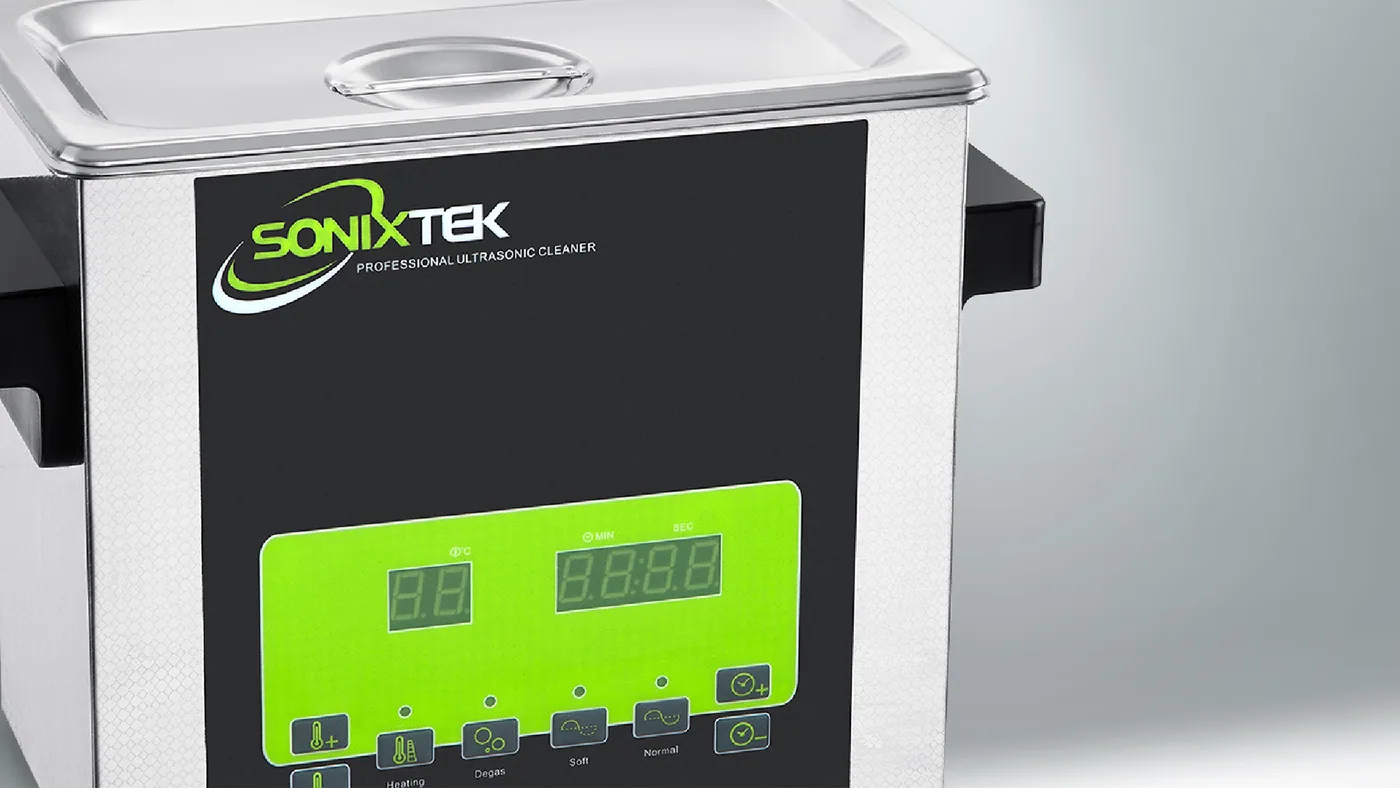 Process and parameters · 2 min readHow long should an ultrasonic cleaning cycle be?Three to thirty minutes covers most parts. What decides the time: contaminant, liquid, temperature, load, and when longer stops helping.
Let's find the right fit
Not sure which size you need?
Send us the part, the quantity per hour and the soil you are removing. We will size the tank and the frequency with you.