

Knowledge
Parts and contaminants
Carburettors, moulds, circuit boards, filters, bearings: what comes off, how, and with which machine.
55 articles
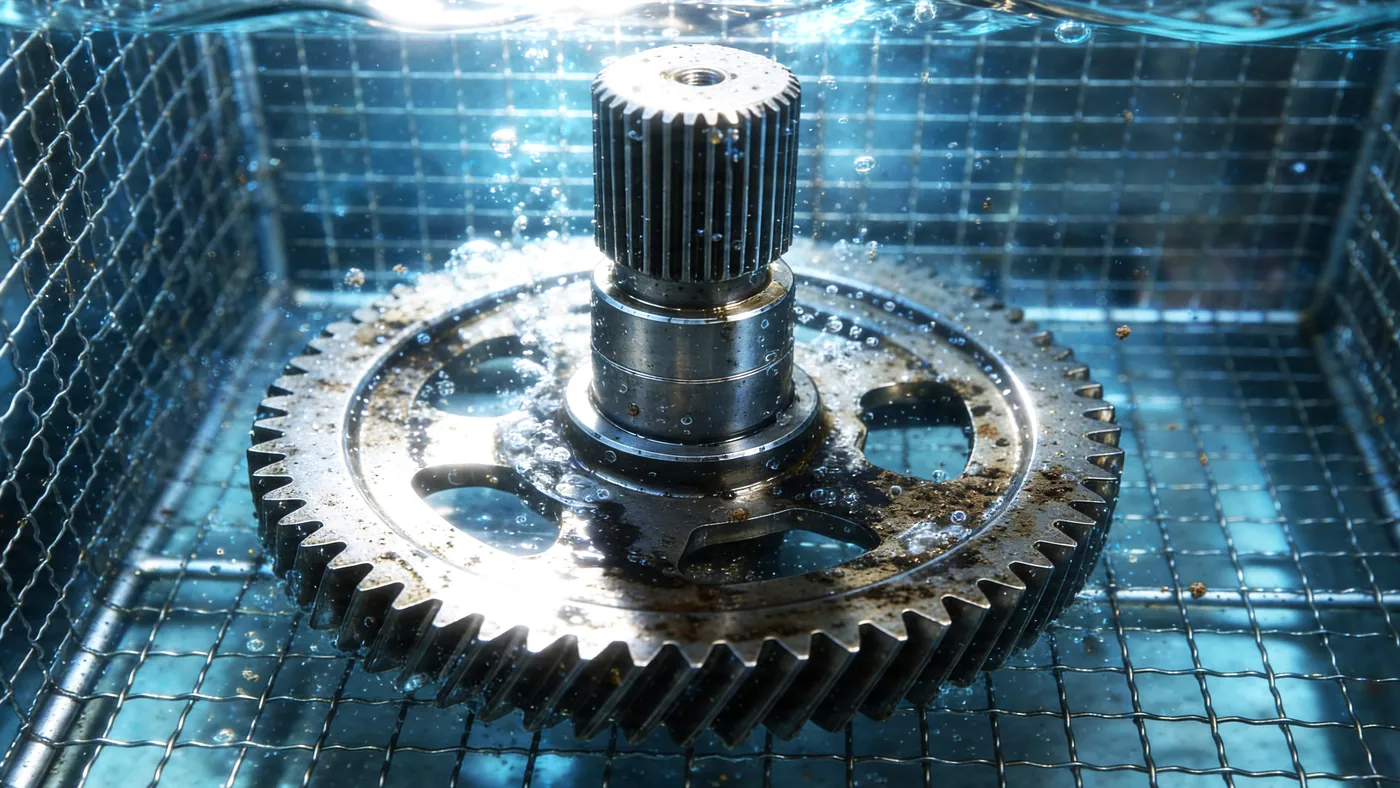 Parts and contaminants · 4 min readUltrasonic cleaning of CNC machined parts before assemblyA machined part that goes into an assembly carries its coolant, chips and burr flakes into the product unless they come off first. What assembly asks of the cleaning step, how to lay out wash, rinse and dry around the machining cell, and how to keep the part clean between the tank and the fitter's bench.
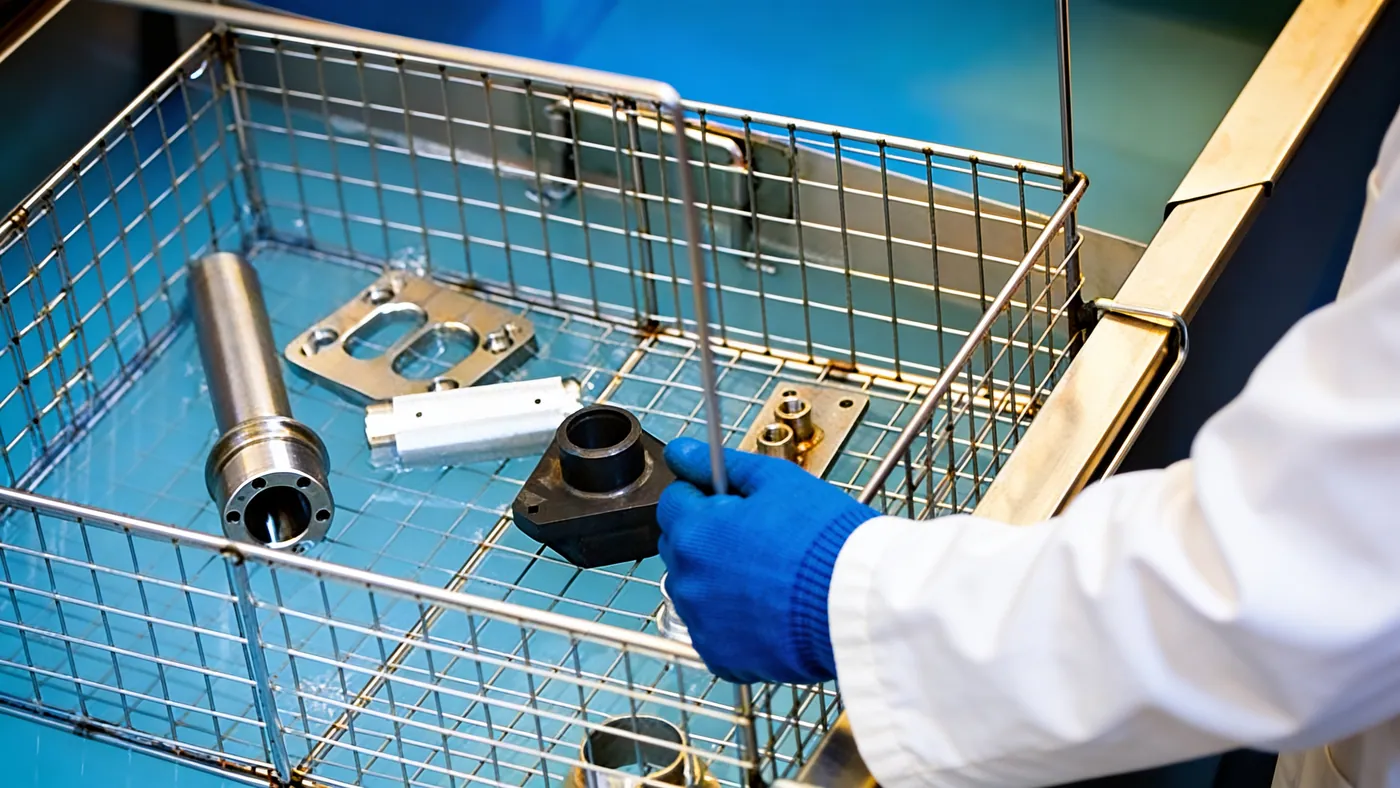 Parts and contaminants · 3 min readUltrasonic cleaning of bottling equipment partsFilling valves, vent tubes, capping and crowning heads, change parts and labeller parts collect sugar, fruit pulp, yeast, beer stone, tartrate and glue. How to clean them at an overhaul or a product change, the chemistry for each beverage soil, and how to keep valve sets and seals in order.
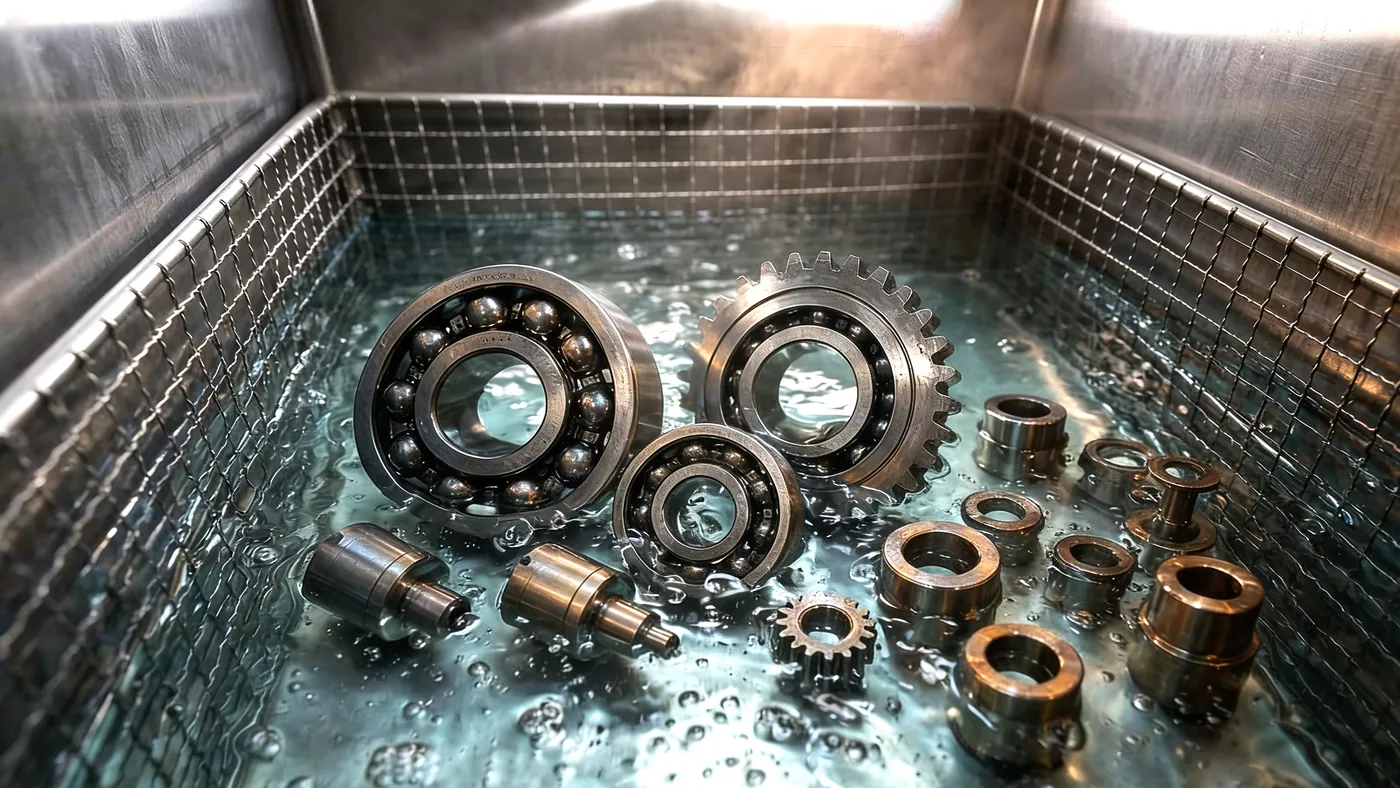 Parts and contaminants · 4 min readUltrasonic cleaning of bearings and mechanical componentsOld grease, wear particles and dirt out of dismounted bearings, gears and couplings so they can be inspected and reused. Which bearings to clean and which never to wash, the settings, and the steps that stop a clean bearing from rusting or being damaged before it is greased again.
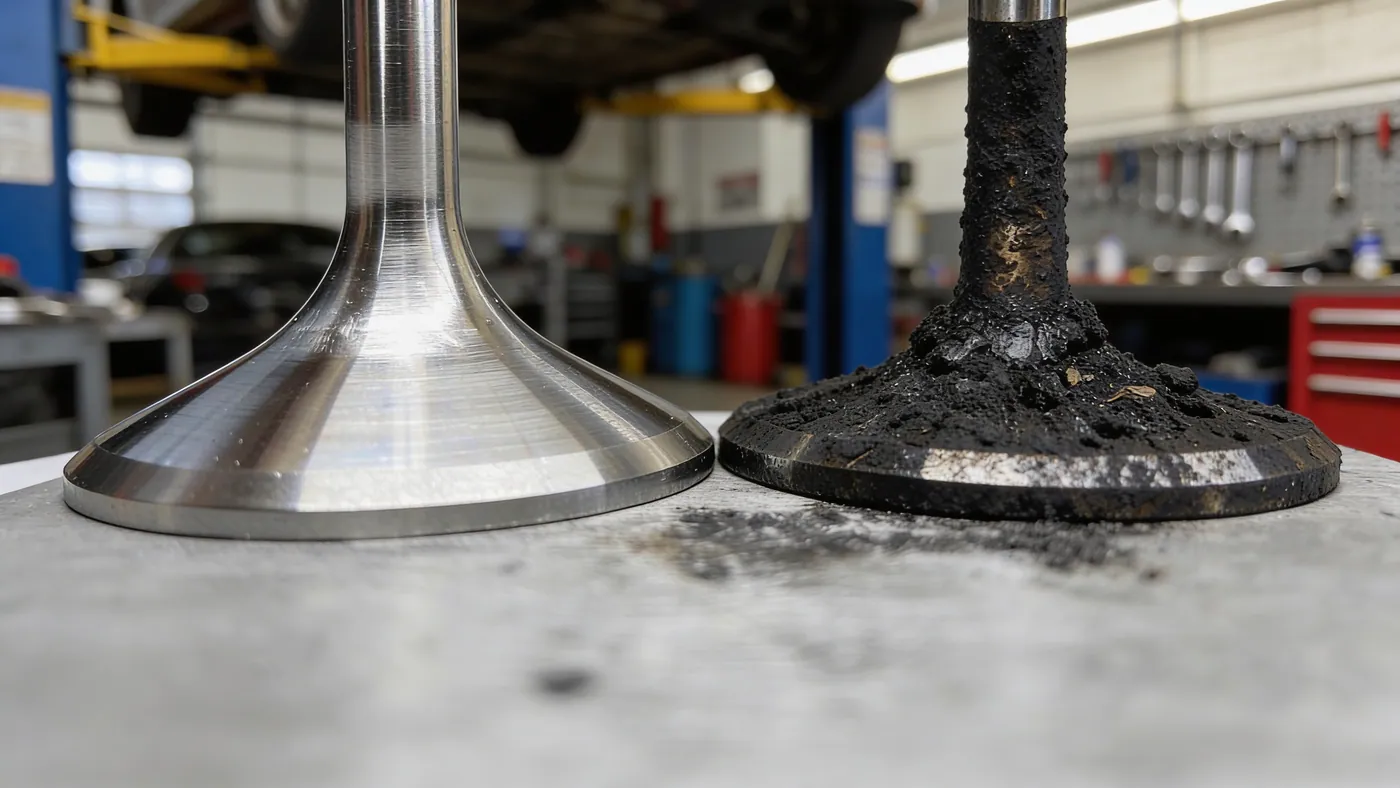 Parts and contaminants · 3 min readRemoving carbon deposits from engine valvesIntake valves on direct-injection petrol engines and exhaust valves on every engine carry hard carbon on the tulip and stem. How to clean valves once the head is off, keep each valve with its guide, and tell a cleaned valve that can be refaced from one that is scrap.
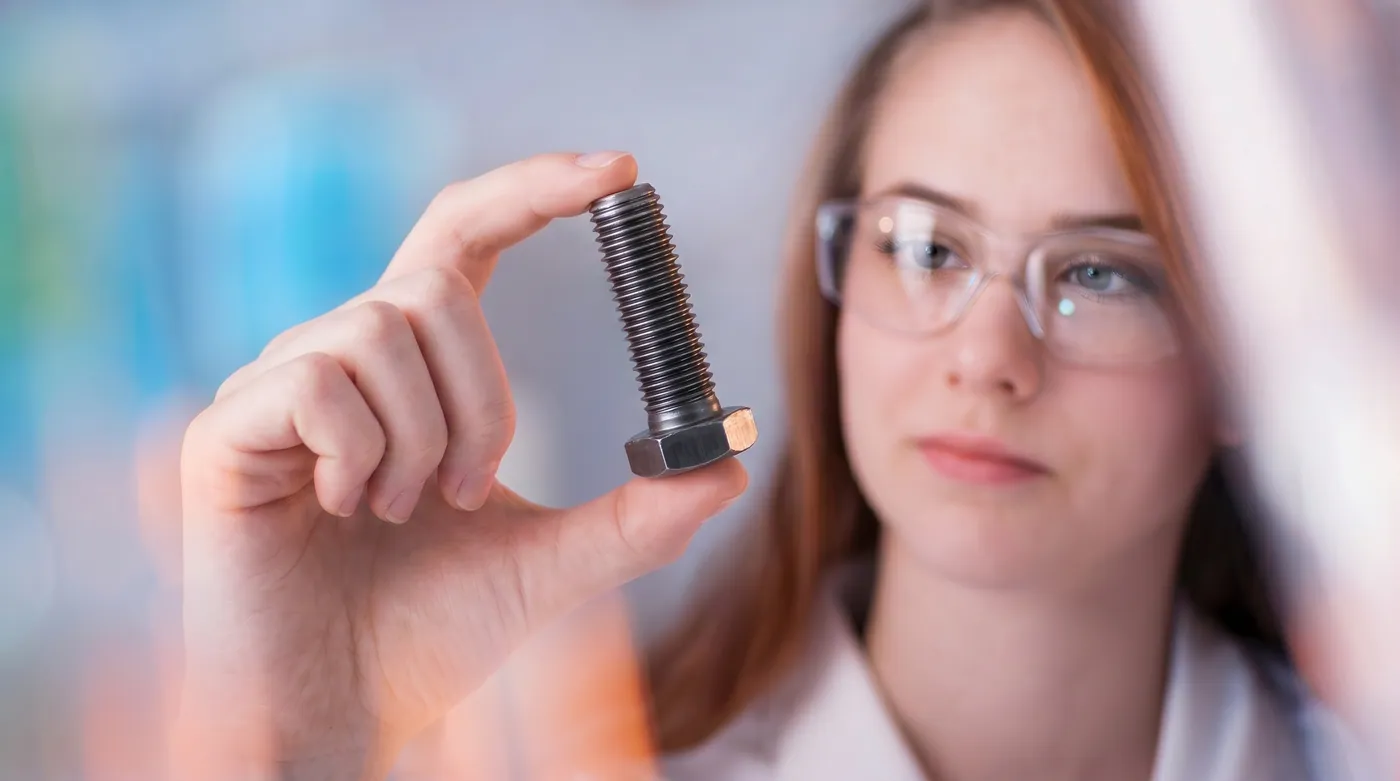 Parts and contaminants · 4 min readCleaning threaded parts and blind holes with ultrasoundTapped holes, blind bores and internal threads trap chips, coolant and air. Why the trapped air is the real enemy, how part orientation, degassing and movement get the liquid in, which frequency suits fine threads, and how to get the liquid out again.
 Parts and contaminants · 4 min readCleaning parts before coating or painting with ultrasoundPaint, powder, plating and bonding fail on oil, fingerprints and residue. The cleaning sequence in front of a coating line, how to test that a surface is ready, the contaminants that cause craters and blisters, and how ultrasonic cleaning fits with conversion coatings and pretreatment.
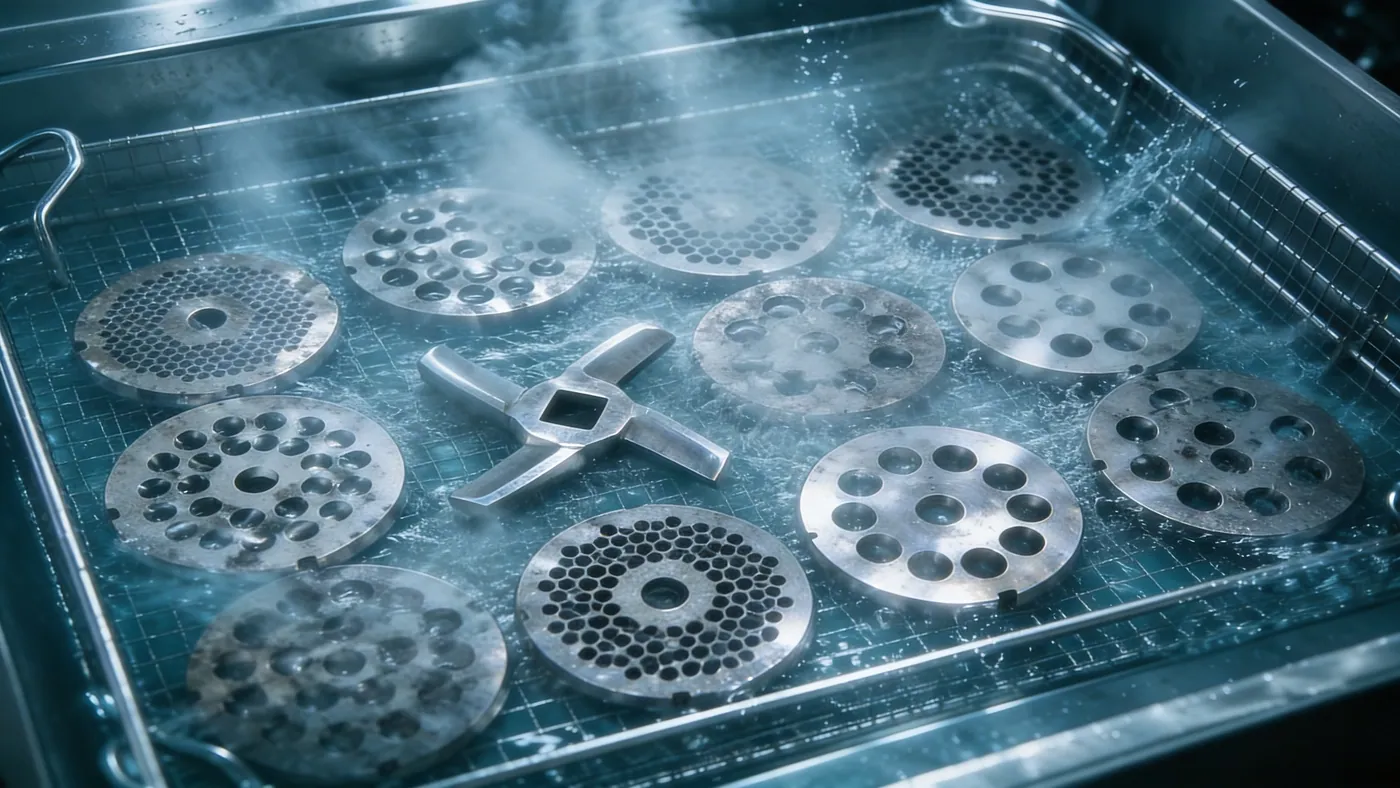 Parts and contaminants · 4 min readCleaning meat processing blades with ultrasoundMincer knives and hole plates, bowl-cutter knives, slicer blades and skinner blades carry fat and protein in their bores, holes and hubs. How to clean machine blades so they come out ready for disinfection, the temperatures for protein, and how to protect the edges and the matched sets.
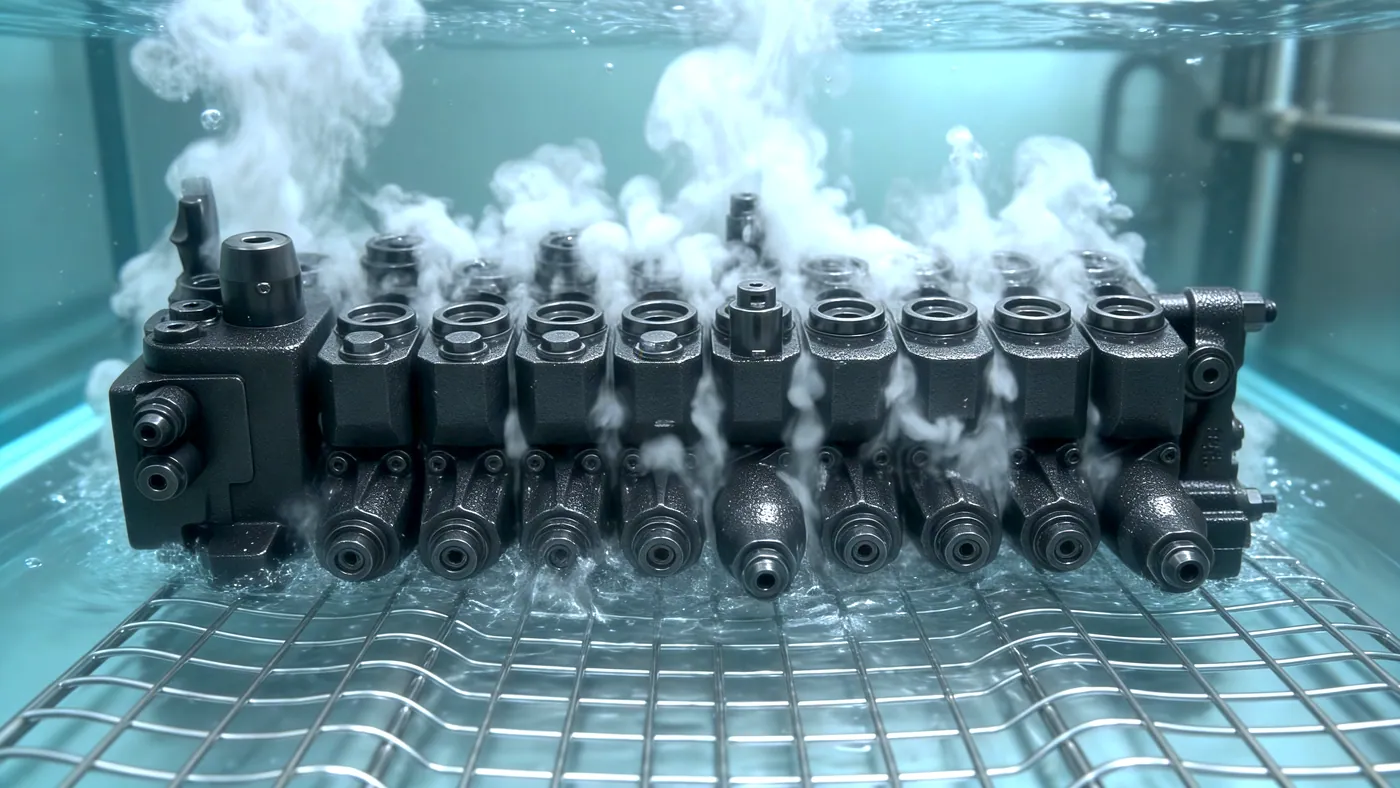 Parts and contaminants · 4 min readCleaning hydraulic valves and manifold blocks with ultrasoundA hydraulic manifold is a block of intersecting drillings, and every one of them must be free of chips, burr flakes and coolant before oil touches it. The cleaning sequence after deburring, the cleanliness targets, the equipment for new blocks and for repaired valves, and how to keep the clean block clean until it is plugged.
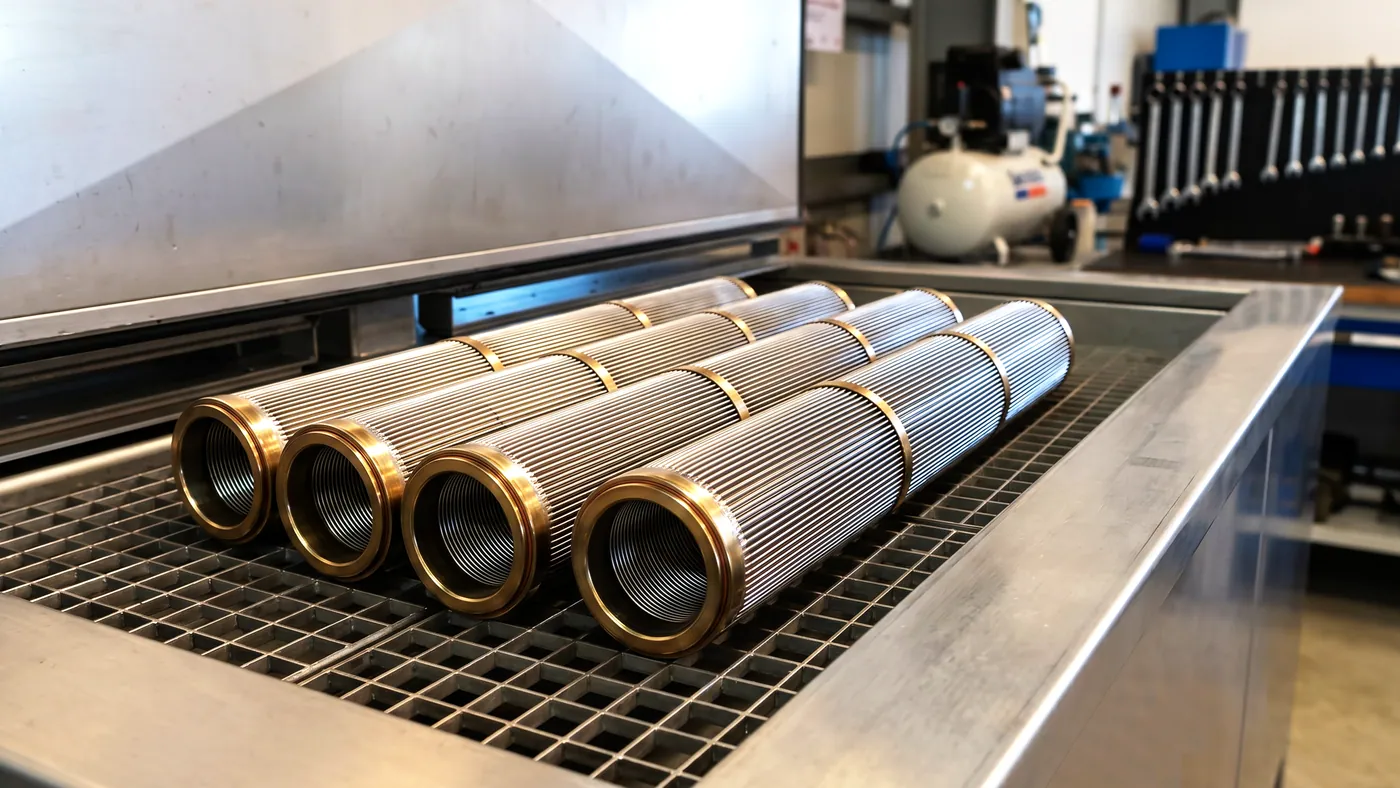 Parts and contaminants · 3 min readCleaning food industry filters with ultrasoundSieves, strainers, sifter screens, fryer filters, filter candles and centrifuge screens clog with fat, protein, pulp, starch and carbonised oil. Which food filters can be cleaned and reused, the chemistry for each soil, why the reverse flush matters, and the hygiene steps before a filter goes back into the line.
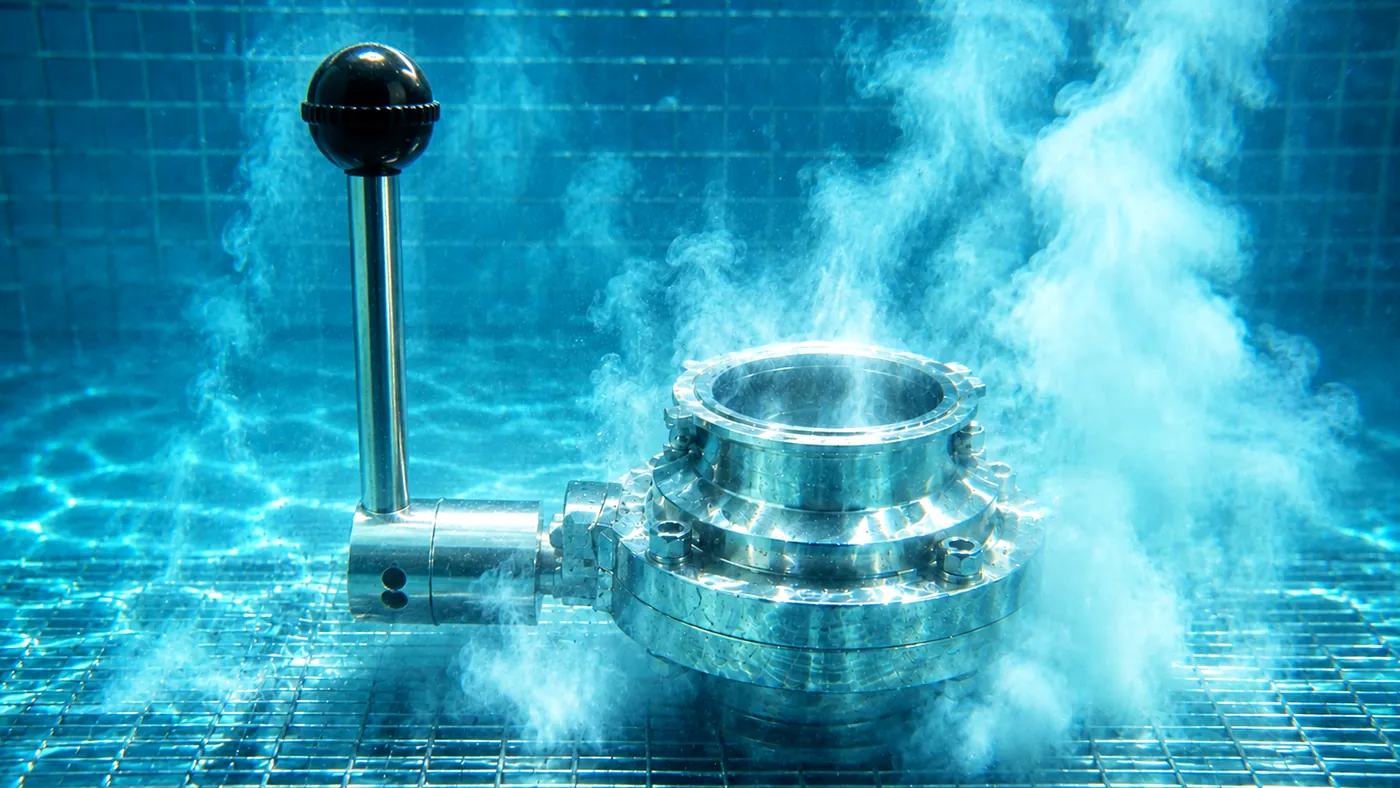 Parts and contaminants · 3 min readCleaning dairy equipment with ultrasonic systemsSeparator discs, homogeniser valves, pasteuriser plates, filling nozzles and cheese moulds carry milk fat, protein and milk stone that cleaning in place does not always remove. The two-step alkaline and acid wash, the temperatures for raw and heat-treated milk soil, and the dairy parts worth taking out for an ultrasonic tank.
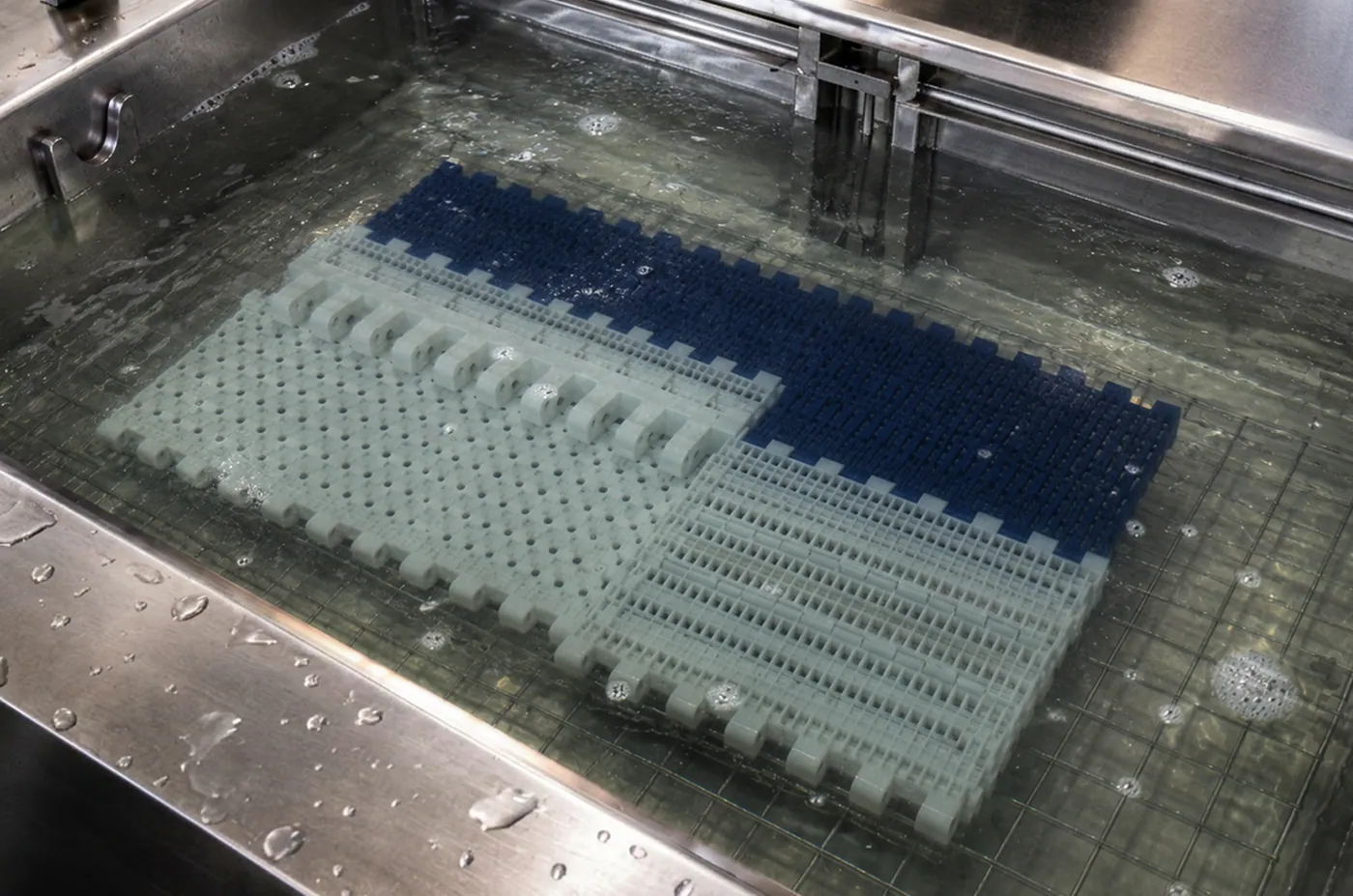 Parts and contaminants · 3 min readCleaning conveyor components in food production with ultrasoundModular belt sections, sprockets, chain links, guides and rollers collect product in hinges and joints that spray cleaning does not reach. Which conveyor parts come off for ultrasonic cleaning, the temperature limits of plastic belting, and how to size a tank for belt modules and sprockets.
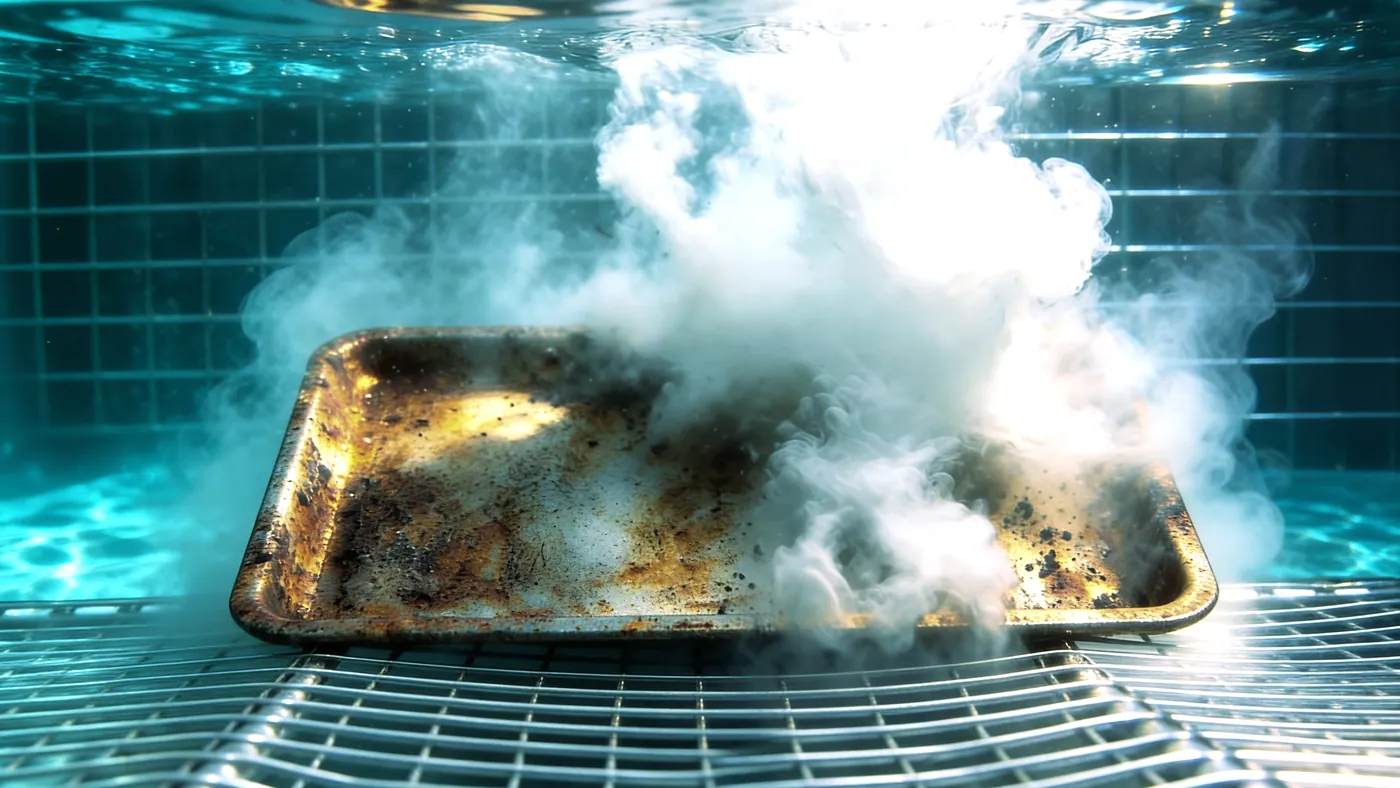 Parts and contaminants · 3 min readCleaning bakery equipment with ultrasoundBaking tins and trays, depositor nozzles and pistons, divider parts, slicer blades and cutters carry dough, sugar, fat and carbonised release agent. What ultrasonic cleaning removes in a bakery, what it cannot remove without harsh chemistry, and how to treat coated tins so the coating survives.
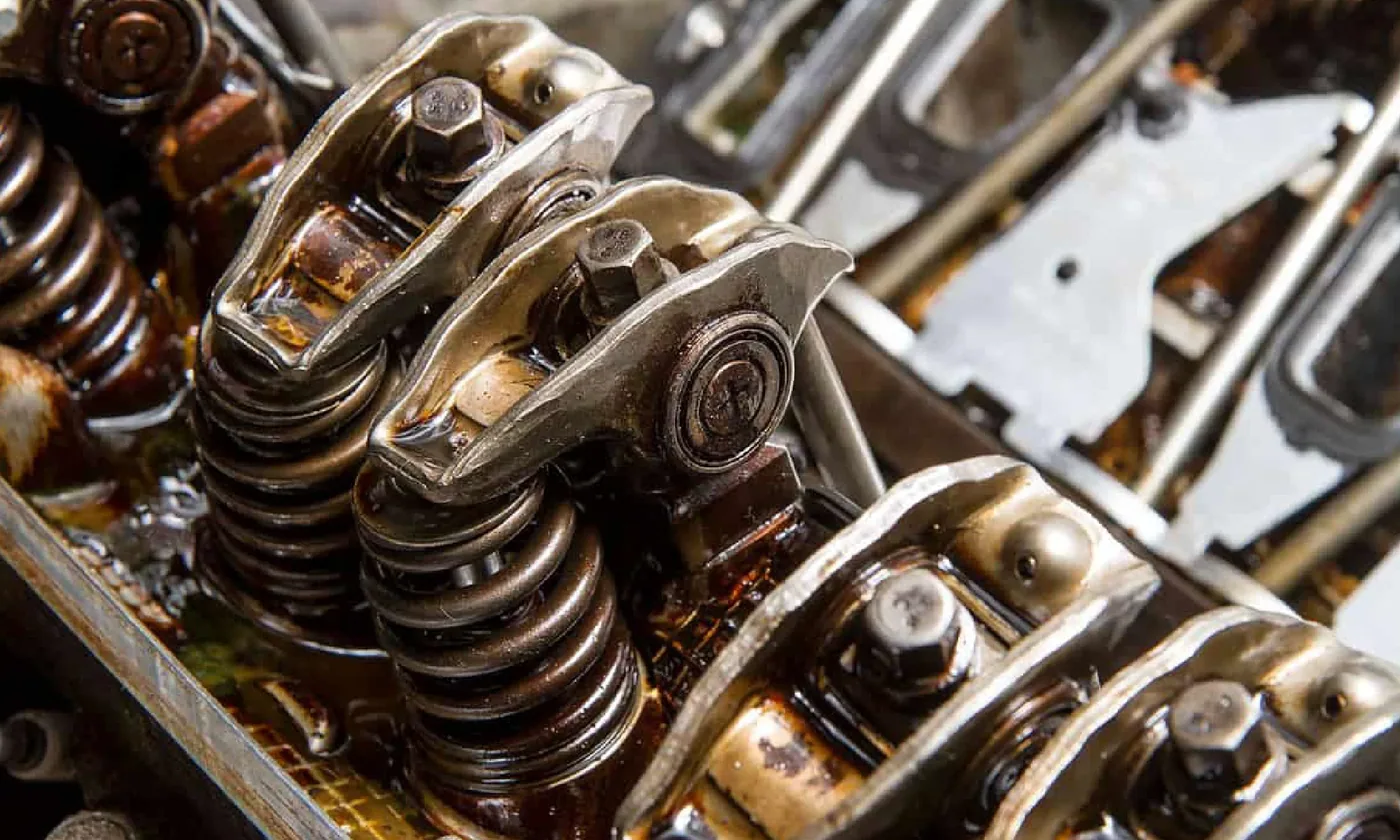 Parts and contaminants · 5 min readRemoving oil and greaseOil is the easiest soil for an ultrasonic bath and the one that kills the bath fastest. Chemistry, temperature and time for light machine oil, chassis grease and waxy lubricants, and why the skimmer matters more than the transducers once the parts come out clean.
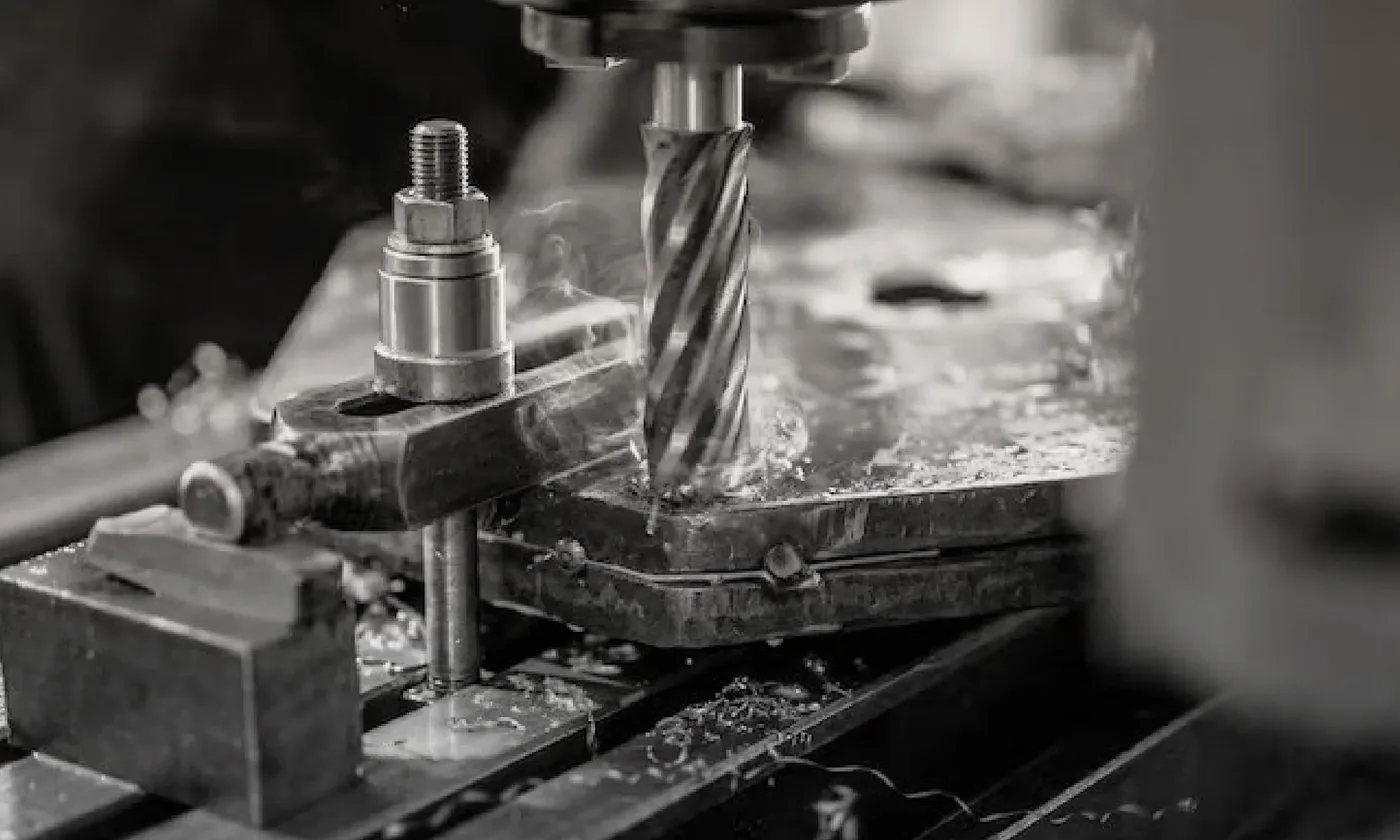 Parts and contaminants · 5 min readRemoving machining swarf, chips and coolantTurned and milled parts carry cutting fluid and fine chips in every pocket, bore, thread and cross-drilling. Ultrasonic cleaning flushes them in one cycle. The bath, what milled parts need in particular, the filtration that makes it last, and the cleanliness checks a machine shop uses.
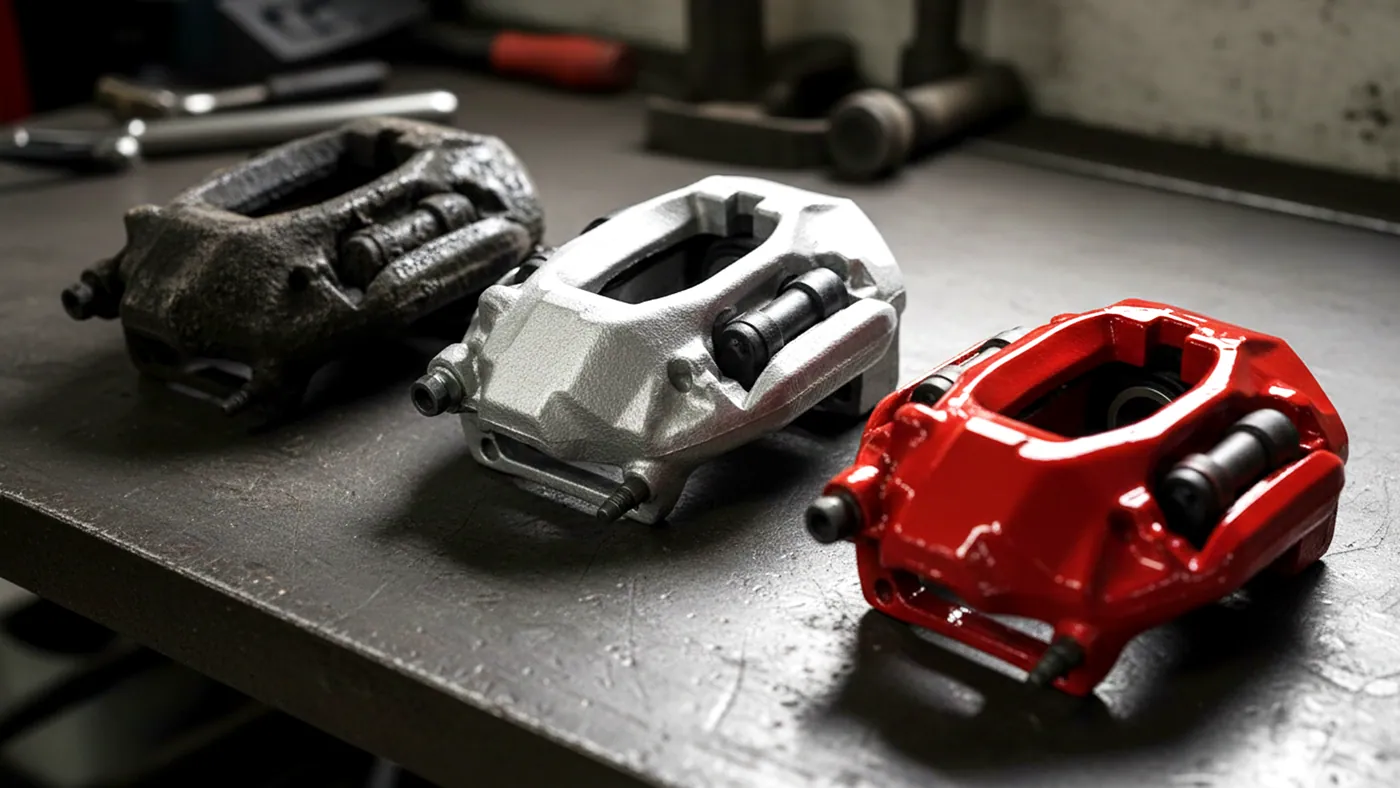
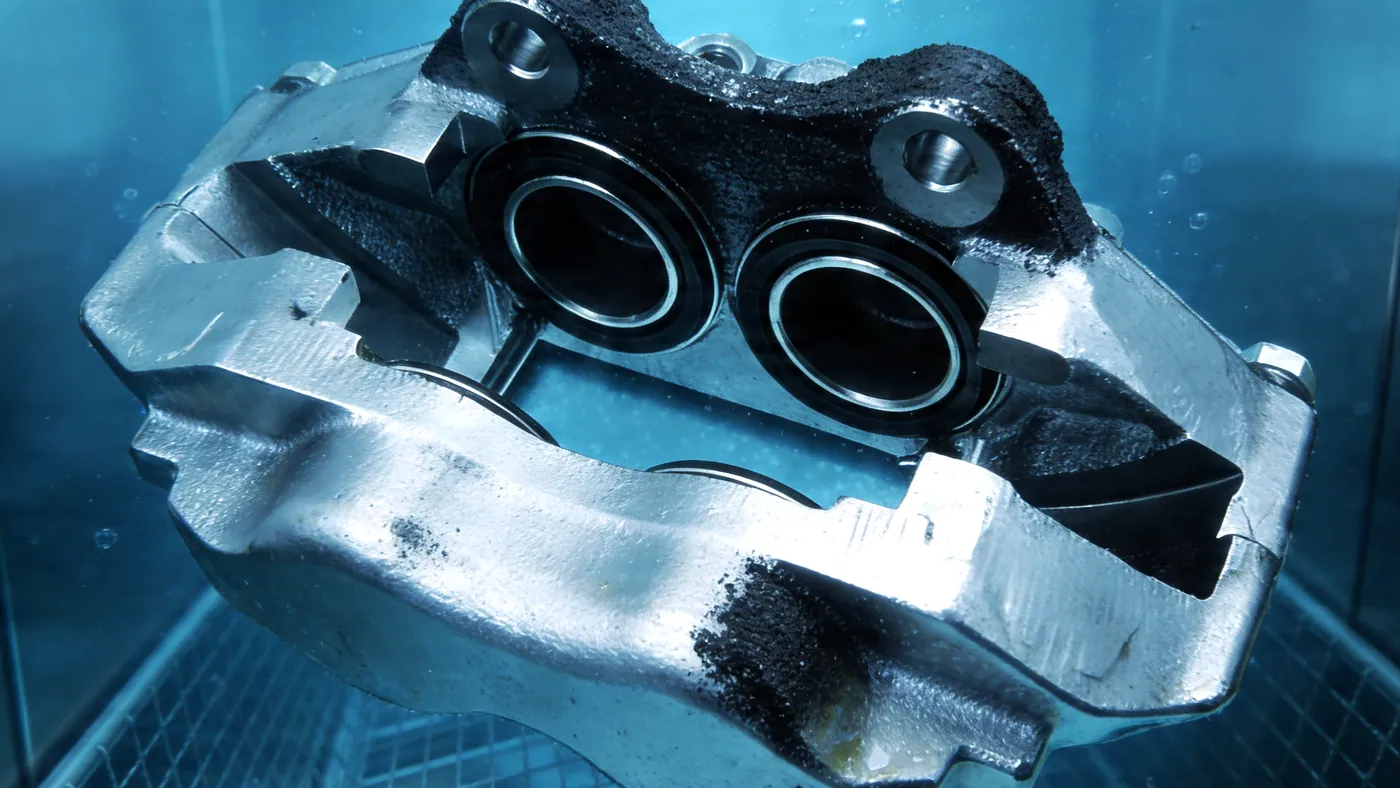 Parts and contaminants · 3 min readUltrasonic cleaning of brake calipers for reuseBrake dust, road grime, old fluid and surface rust come off a stripped caliper in one cycle, without dry brushing or blasting the bores. What is removed before the bath, the settings for cast-iron and aluminium calipers, and the steps between the bath and a caliper that is safe to refit.
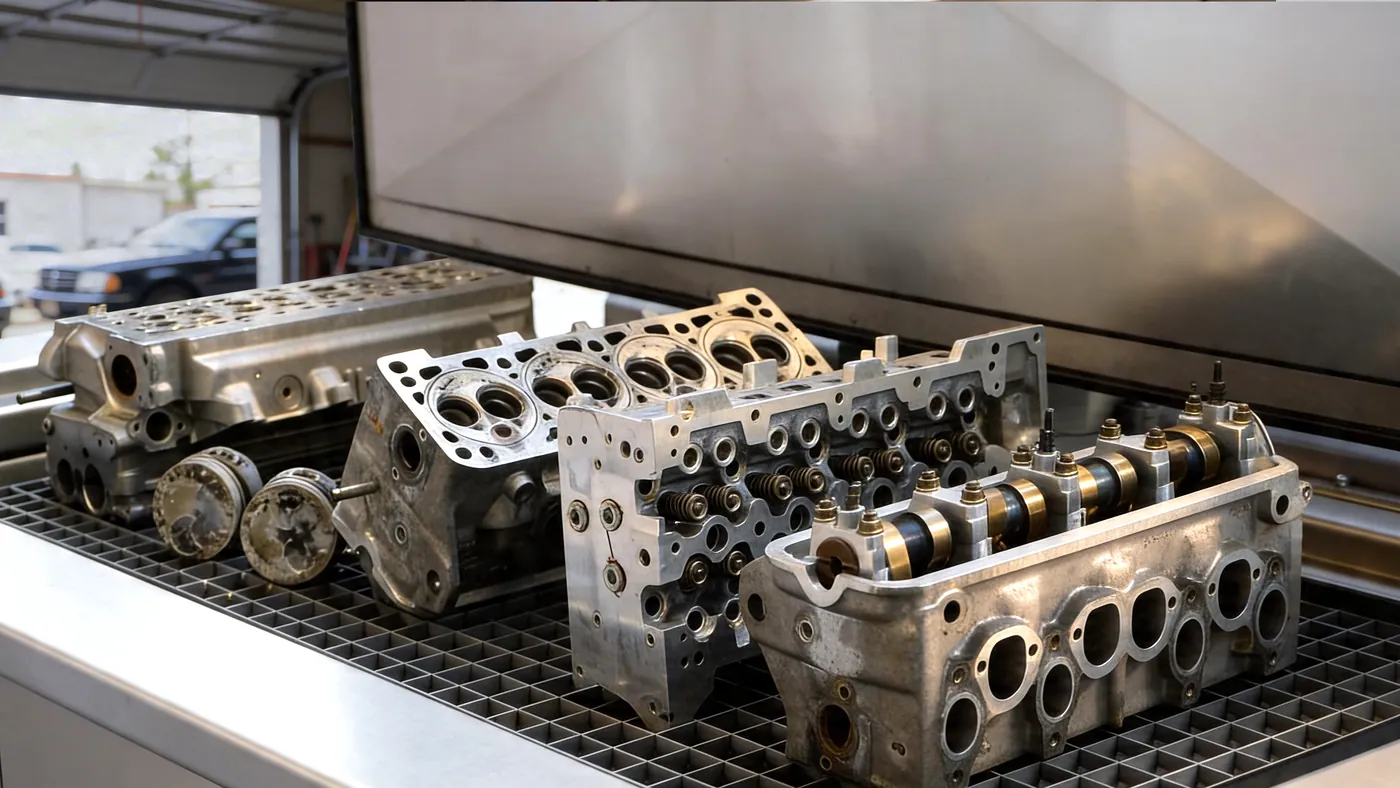 Parts and contaminants · 3 min readRemoving heavy grease and sludge from engine partsCrankshafts, connecting rods, sumps, timing covers and gearbox cases come in coated in oil, sludge and road grime. The hot soak, the ultrasonic cycle and the skimmer that let one bath degrease a week of engine rebuilds instead of a day.
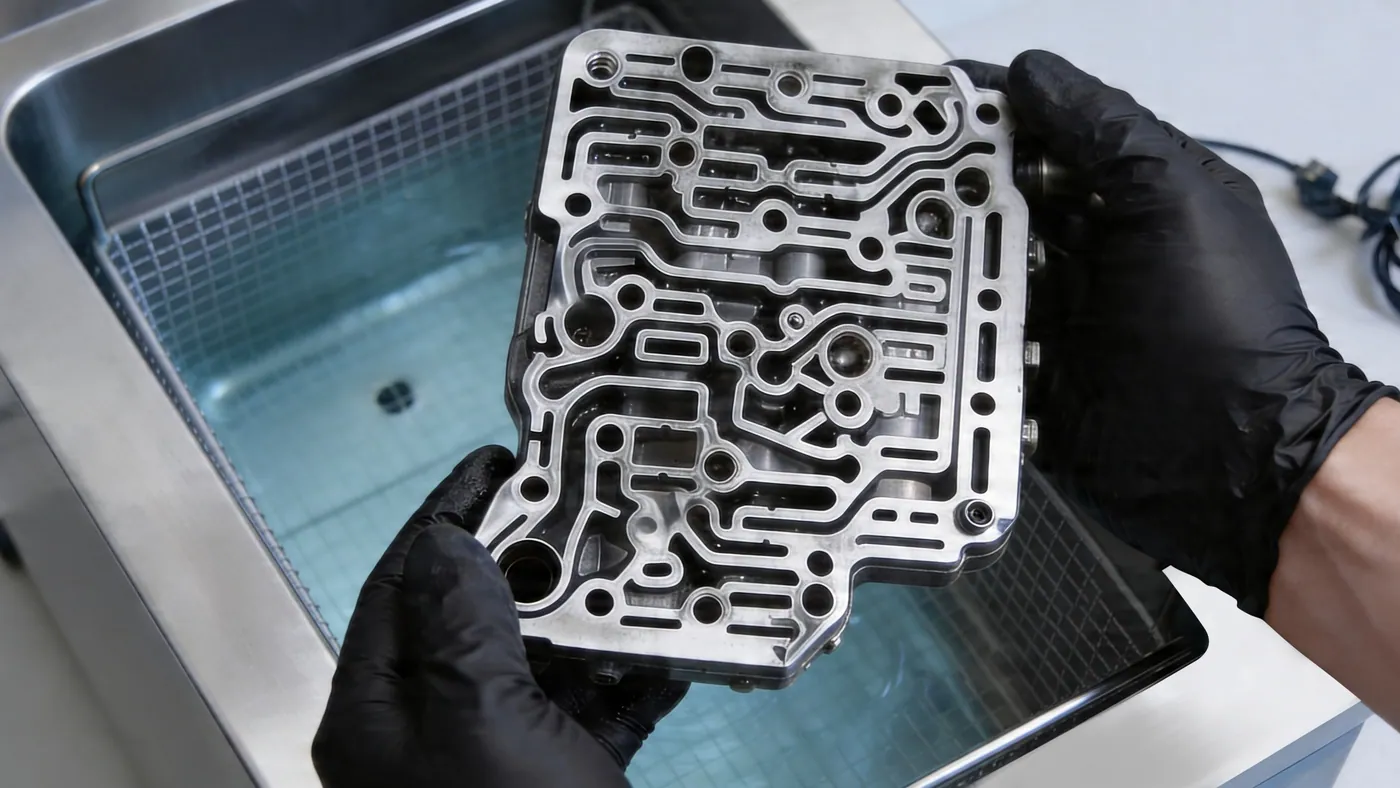 Parts and contaminants · 3 min readCleaning automatic-transmission valve bodiesVarnish from old fluid and friction-material fines stick the spool valves, and the gearbox shifts late, hard or not at all. How rebuilders strip a valve body, keep every spool with its bore, and clean the channels and valves at 40 kHz without harming a single clearance.
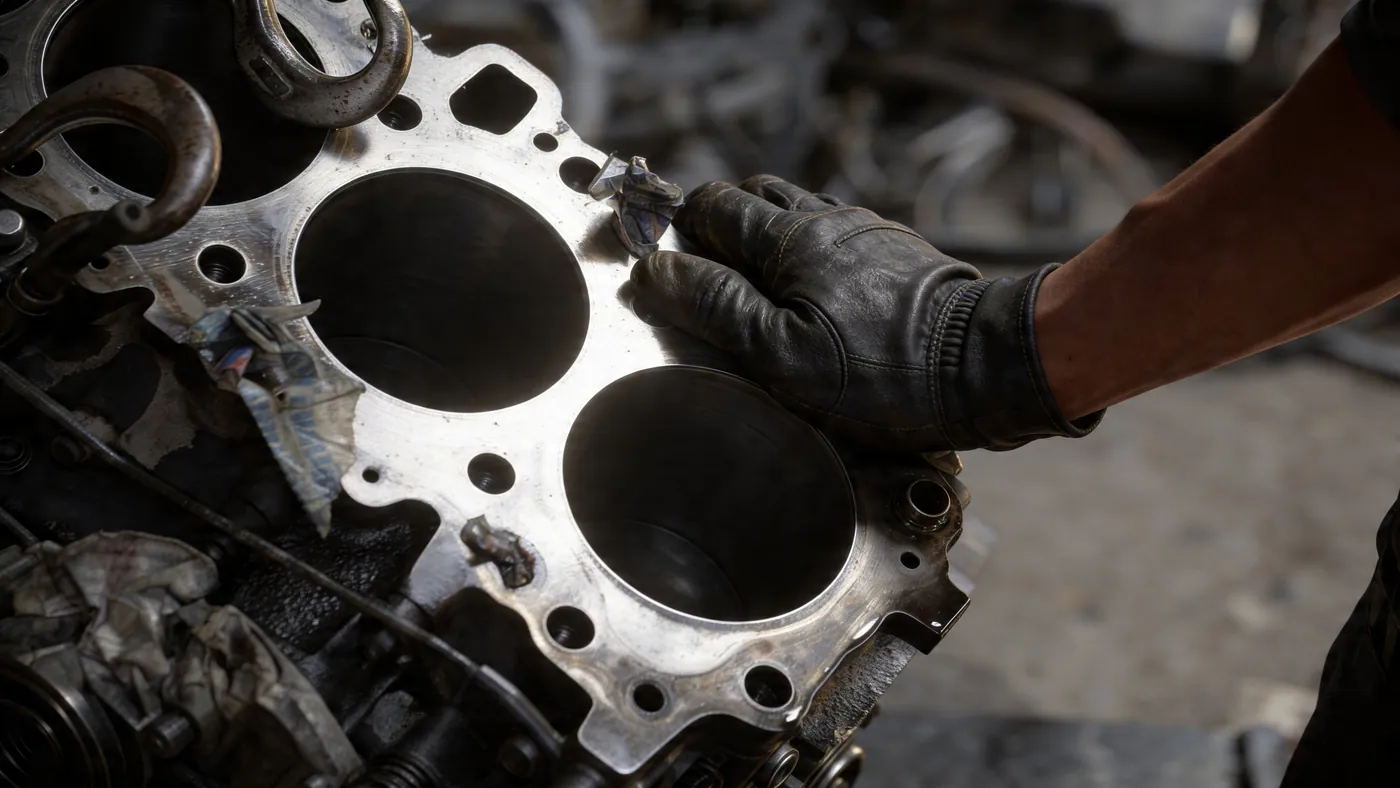 Parts and contaminants · 4 min readCleaning engine blocks after machiningBoring, honing and decking leave chips, abrasive grit and honing oil in bores, galleries and blind holes, and one grain in an oil gallery can wipe a new bearing. How rebuilders and remanufacturers clean a machined block, with the tank sizes and loads that fit car and truck blocks.
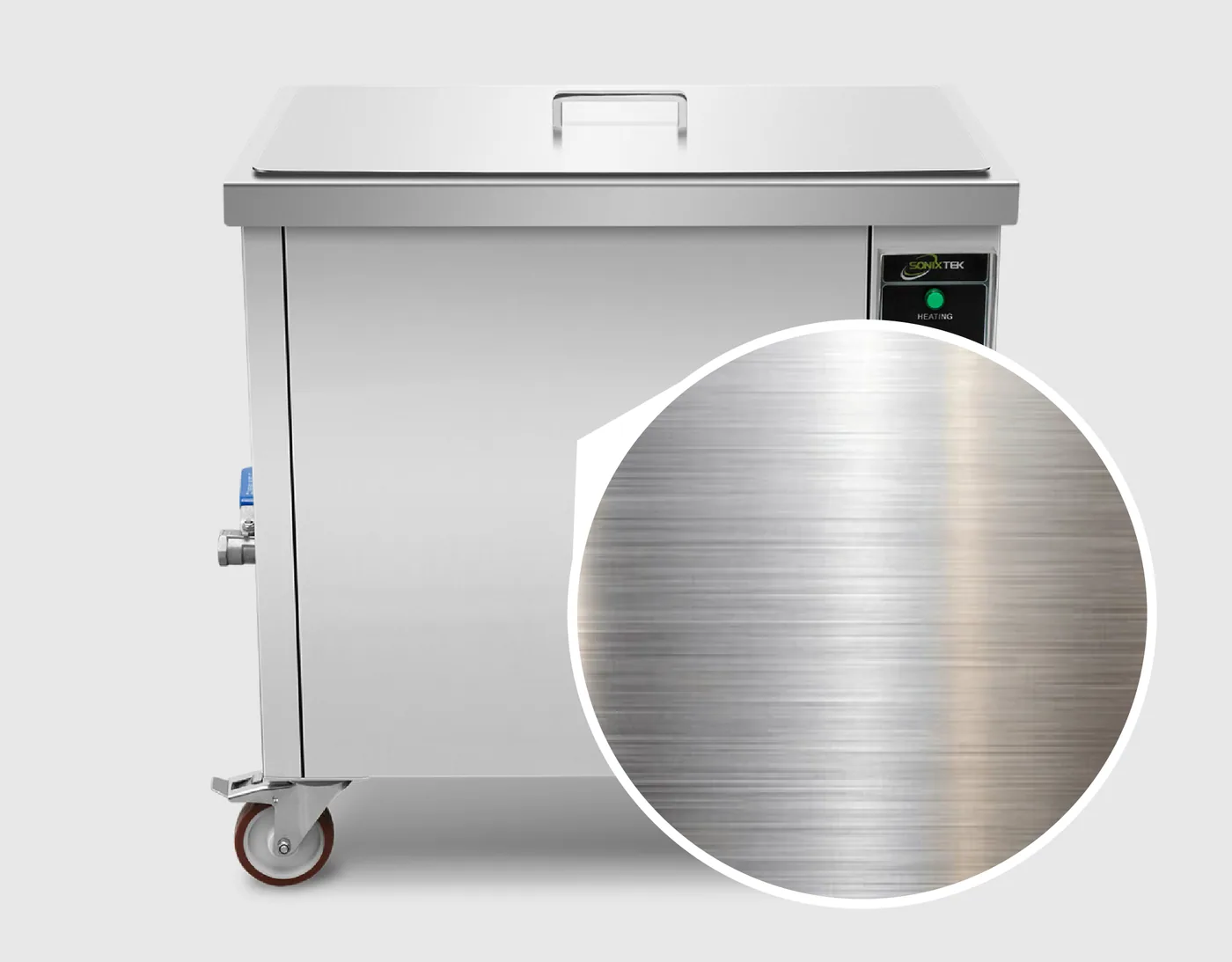 Parts and contaminants · 3 min readUltrasonic cleaning of turbocharger componentsCoked oil in the bearing housing, soot in the turbine housing, sticking vanes in a variable-geometry ring, oil film on the compressor side. How a turbo rebuilder strips and cleans each part, which metals need which bath, and what gets replaced rather than cleaned.
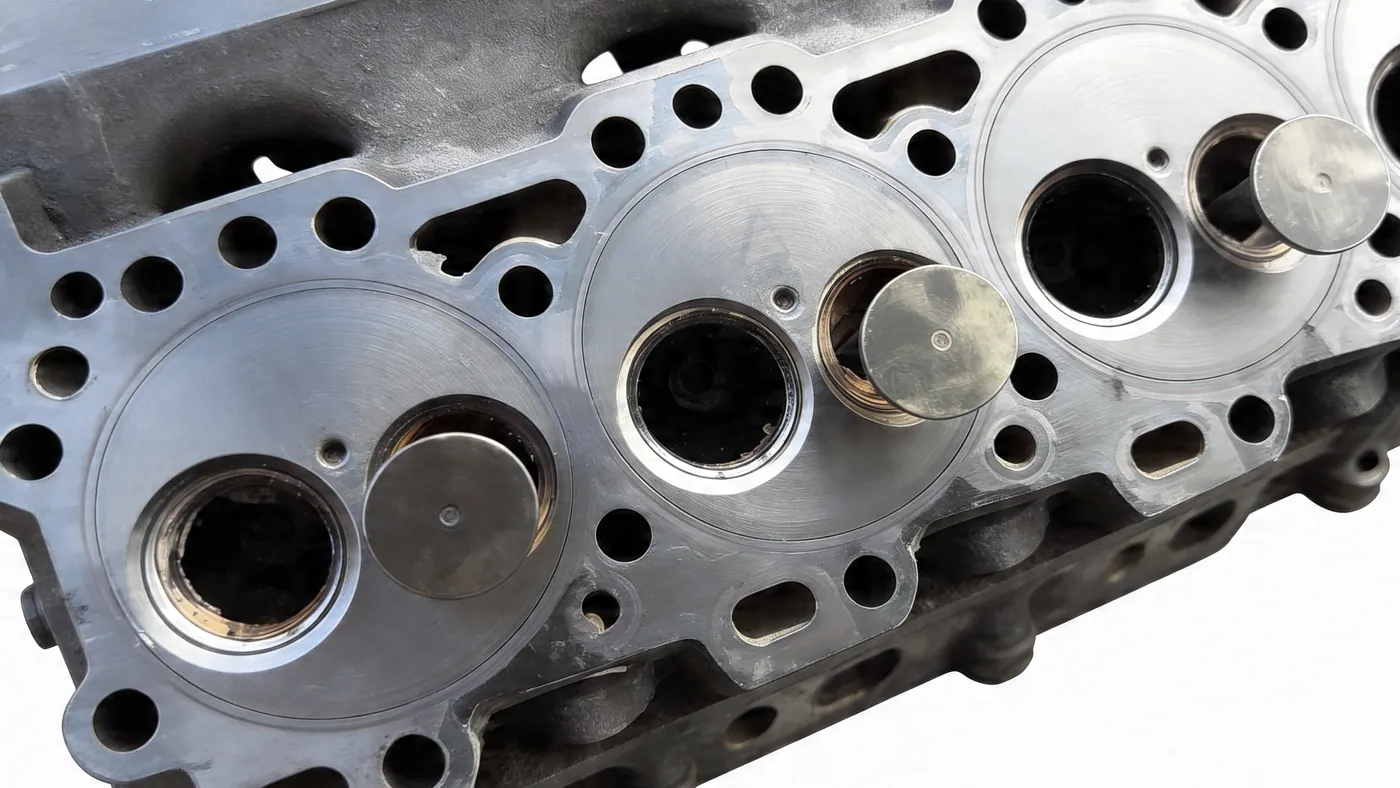 Parts and contaminants · 3 min readUltrasonic cleaning of cylinder heads for automotive repairCarbon in the chambers and ports, oil sludge under the cam covers, scale in the water jacket, gasket remains on the deck. How a head is stripped, which bath suits aluminium and which suits cast iron, and where cleaning sits between crack testing and valve-seat work.
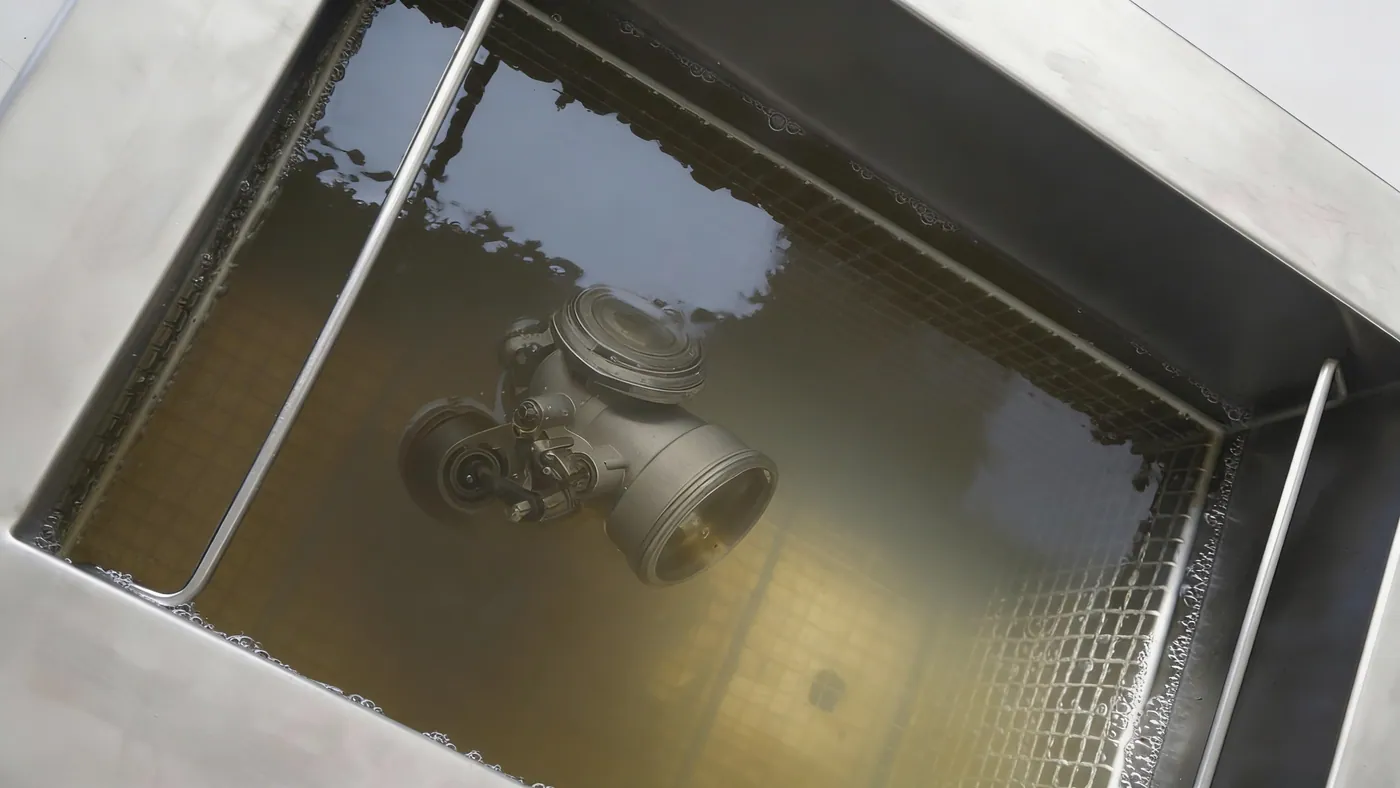 Parts and contaminants · 4 min readCleaning EGR valves in an ultrasonic tankSoot and oil mist bake into a hard cake in the EGR valve and its passages. How to remove the bulk, protect the actuator, which liquid and temperature break the rest, and how to tell a cleaned valve from one that needs replacing.
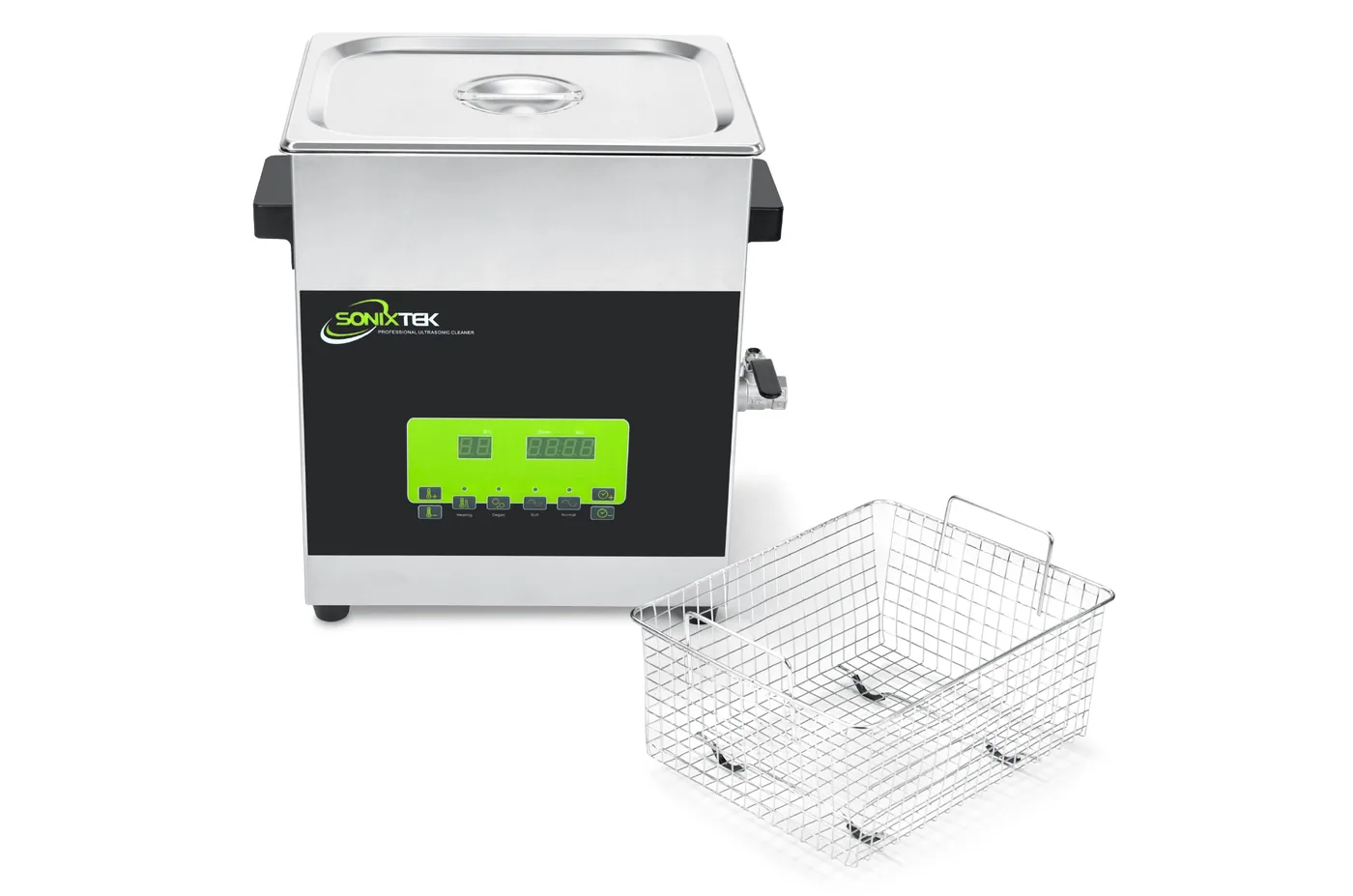 Parts and contaminants · 4 min readHow to clean petrol fuel injectors with ultrasoundPort and direct injectors clog at the filter basket and the nozzle. What an ultrasonic bath cleans, why the injector has to be pulsed for the inside, which parts come off first, and the flow test that proves the result.
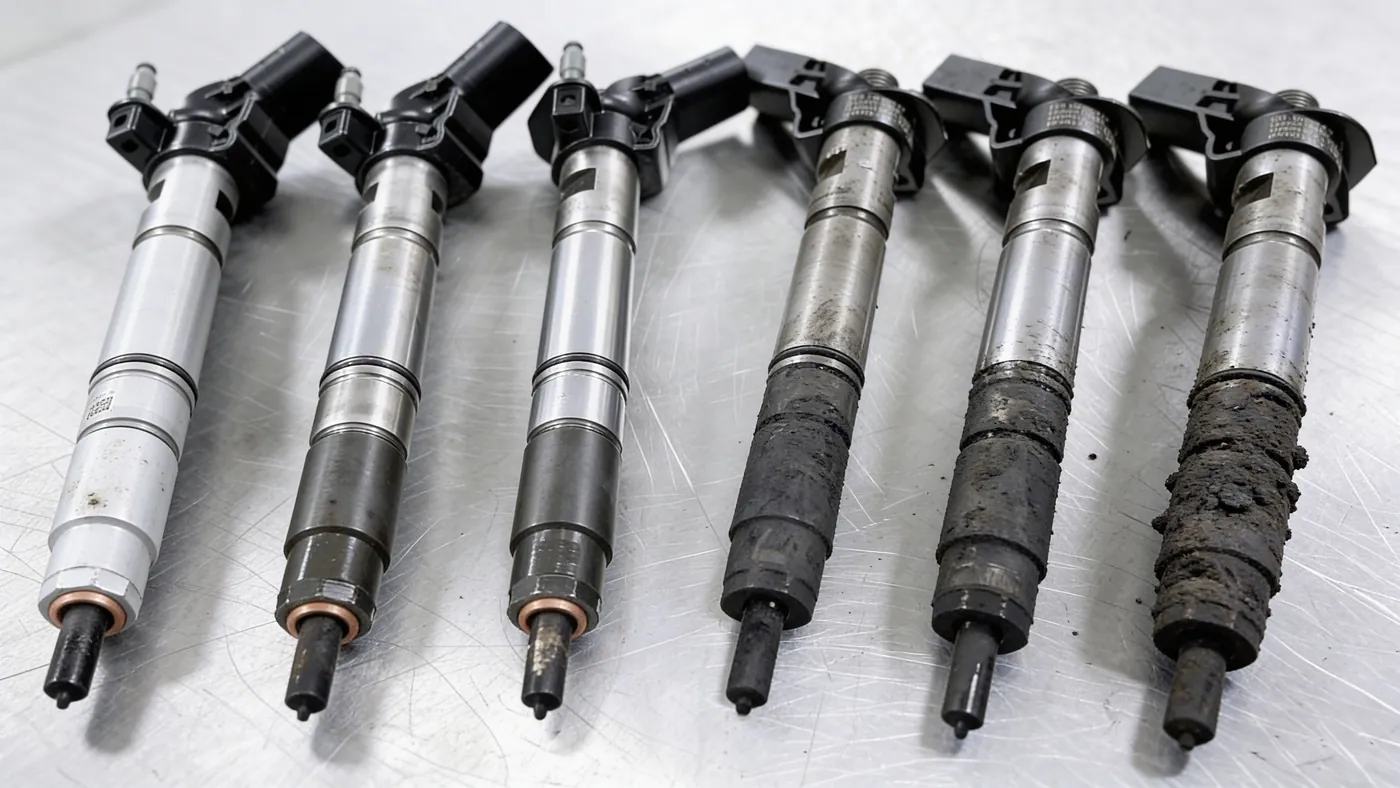 Parts and contaminants · 3 min readUltrasonic cleaning of diesel injectors in the workshopCarbon at the nozzle, tar from blow-by on the body, lacquer inside. How common-rail injectors are prepared, which parts go in the bath and which never do, the liquid, temperature and time, and why the test bench has the last word.
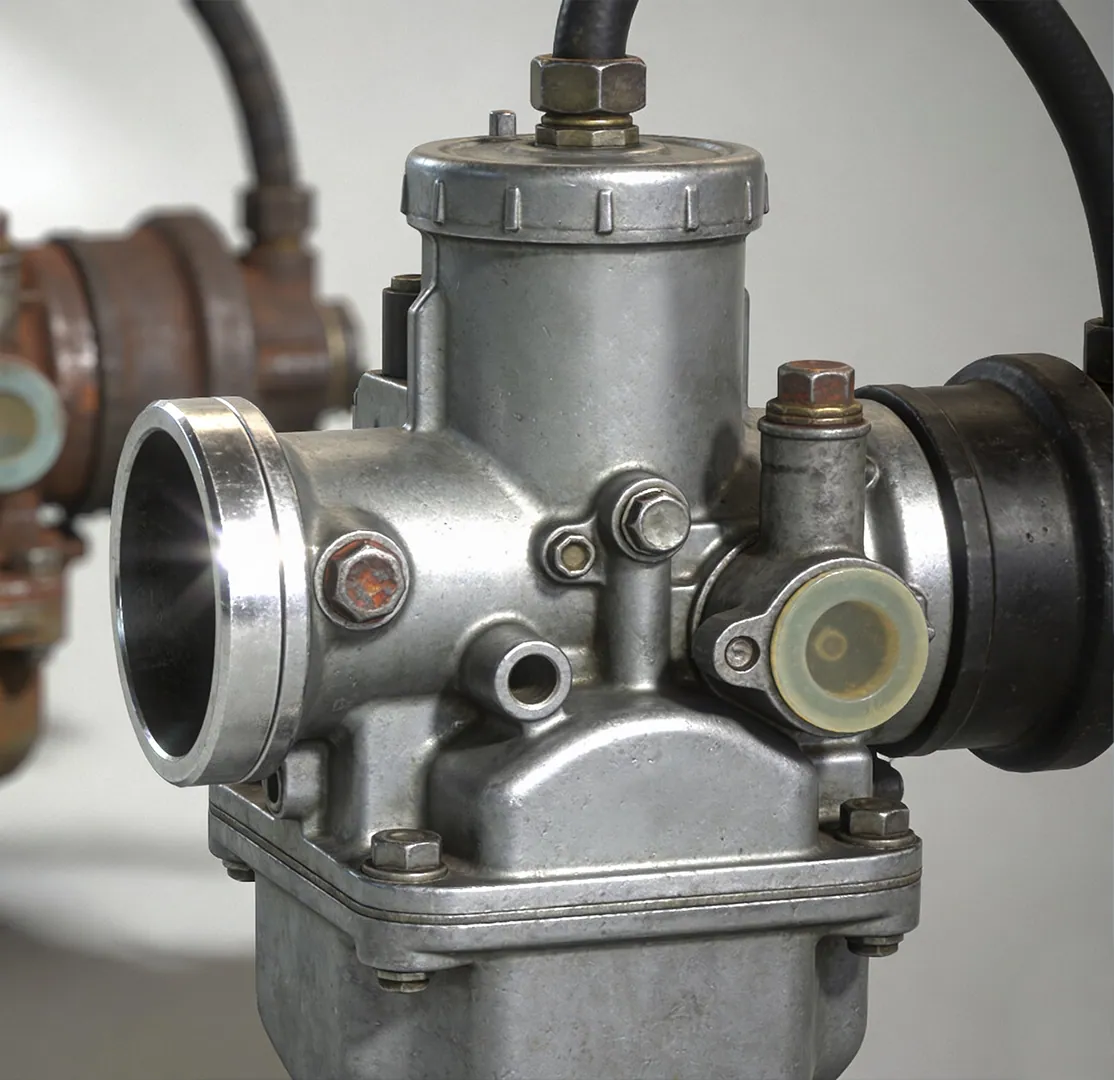 Parts and contaminants · 4 min readUltrasonic cleaning of carburettors: the complete processVarnish, gum and carbon out of jets, emulsion tubes and drillings without hours of wire and spray can. Strip-down, liquid, temperature, frequency and time for aluminium and zinc bodies, and what must never go in the bath.
Let's find the right fit
Not sure which size you need?
Send us the part, the quantity per hour and the soil you are removing. We will size the tank and the frequency with you.