

Knowledge
Parts and contaminants
Carburettors, moulds, circuit boards, filters, bearings: what comes off, how, and with which machine.
65 articles
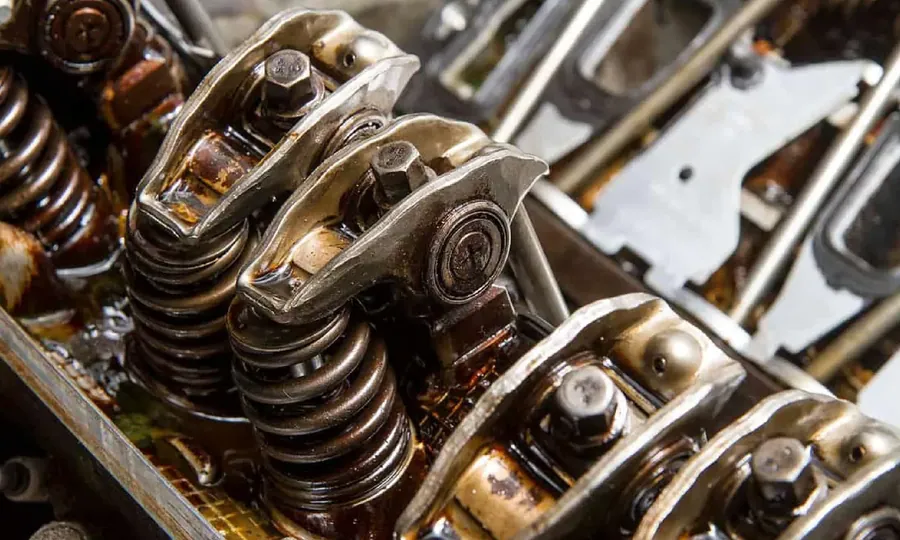 Parts and contaminants · 5 min readRemoving oil and greaseOil is the easiest soil for an ultrasonic bath and the one that kills the bath fastest. Chemistry, temperature and time for light machine oil, chassis grease and waxy lubricants, and why the skimmer matters more than the transducers once the parts come out clean.
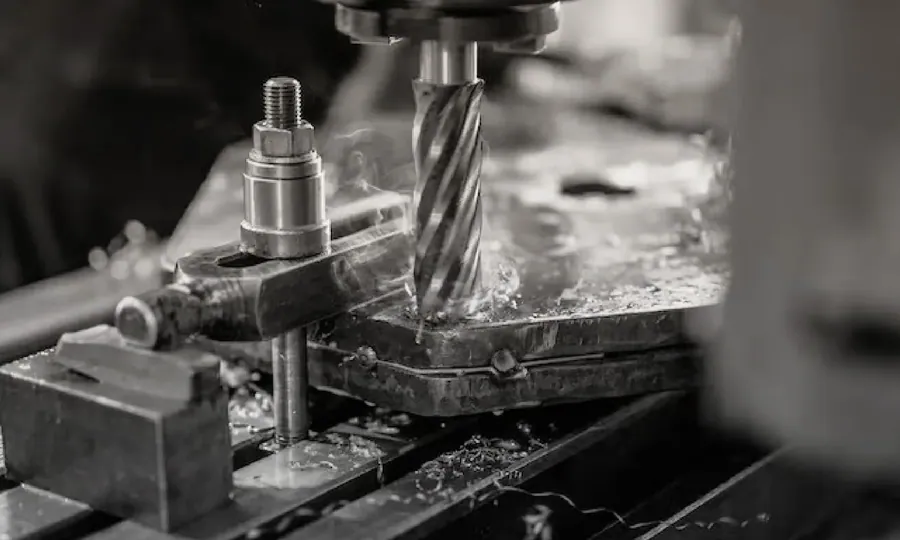 Parts and contaminants · 5 min readRemoving machining swarf, chips and coolantTurned and milled parts carry cutting fluid and fine chips in every pocket, bore, thread and cross-drilling. Ultrasonic cleaning flushes them in one cycle. The bath, what milled parts need in particular, the filtration that makes it last, and the cleanliness checks a machine shop uses.
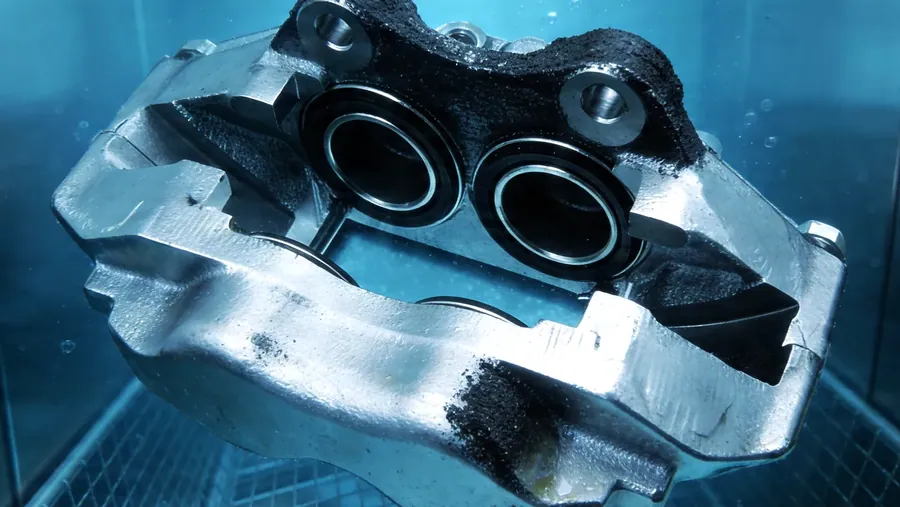 Parts and contaminants · 3 min readUltrasonic cleaning of brake calipers for reuseBrake dust, road grime, old fluid and surface rust come off a stripped caliper in one cycle, without dry brushing or blasting the bores. What is removed before the bath, the settings for cast-iron and aluminium calipers, and the steps between the bath and a caliper that is safe to refit.
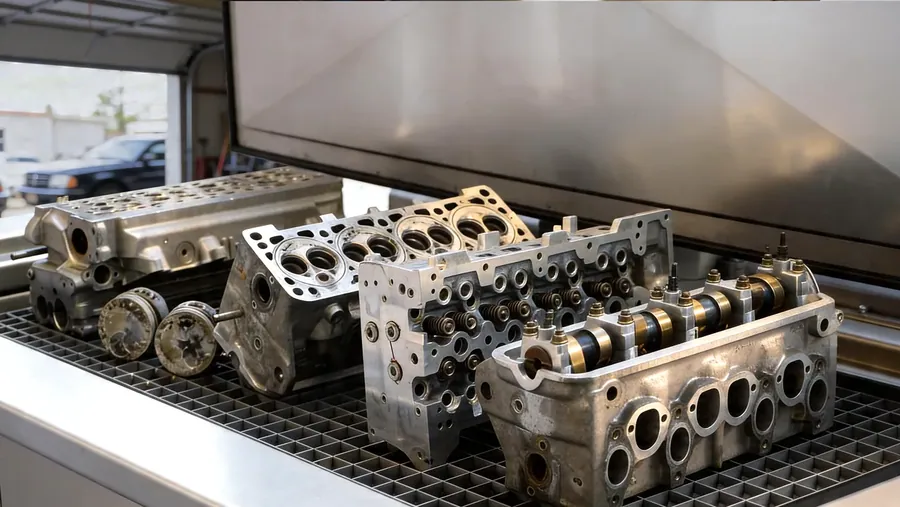 Parts and contaminants · 3 min readRemoving heavy grease and sludge from engine partsCrankshafts, connecting rods, sumps, timing covers and gearbox cases come in coated in oil, sludge and road grime. The hot soak, the ultrasonic cycle and the skimmer that let one bath degrease a week of engine rebuilds instead of a day.
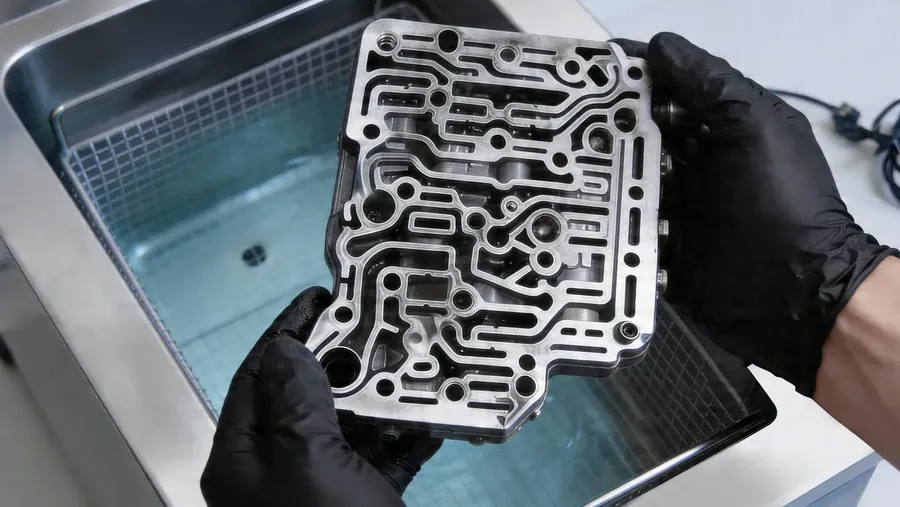 Parts and contaminants · 3 min readCleaning automatic-transmission valve bodiesVarnish from old fluid and friction-material fines stick the spool valves, and the gearbox shifts late, hard or not at all. How rebuilders strip a valve body, keep every spool with its bore, and clean the channels and valves at 40 kHz without harming a single clearance.
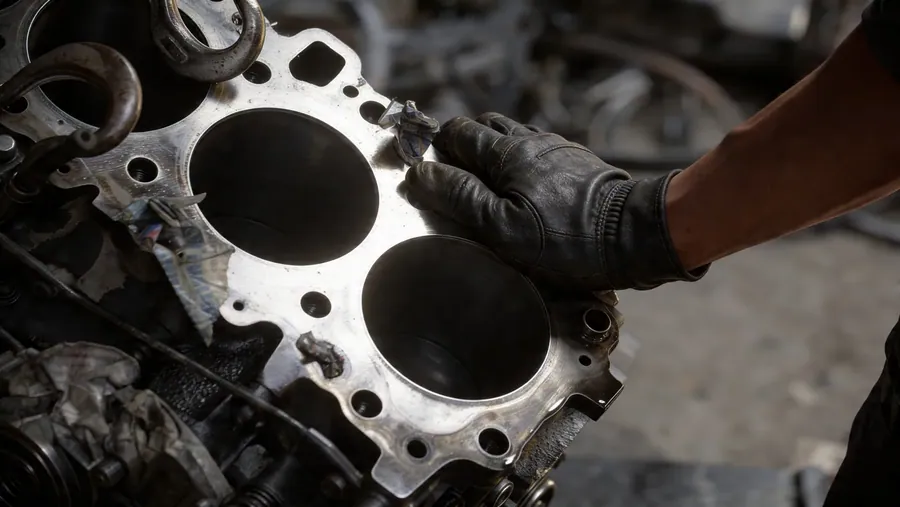 Parts and contaminants · 4 min readCleaning engine blocks after machiningBoring, honing and decking leave chips, abrasive grit and honing oil in bores, galleries and blind holes, and one grain in an oil gallery can wipe a new bearing. How rebuilders and remanufacturers clean a machined block, with the tank sizes and loads that fit car and truck blocks.
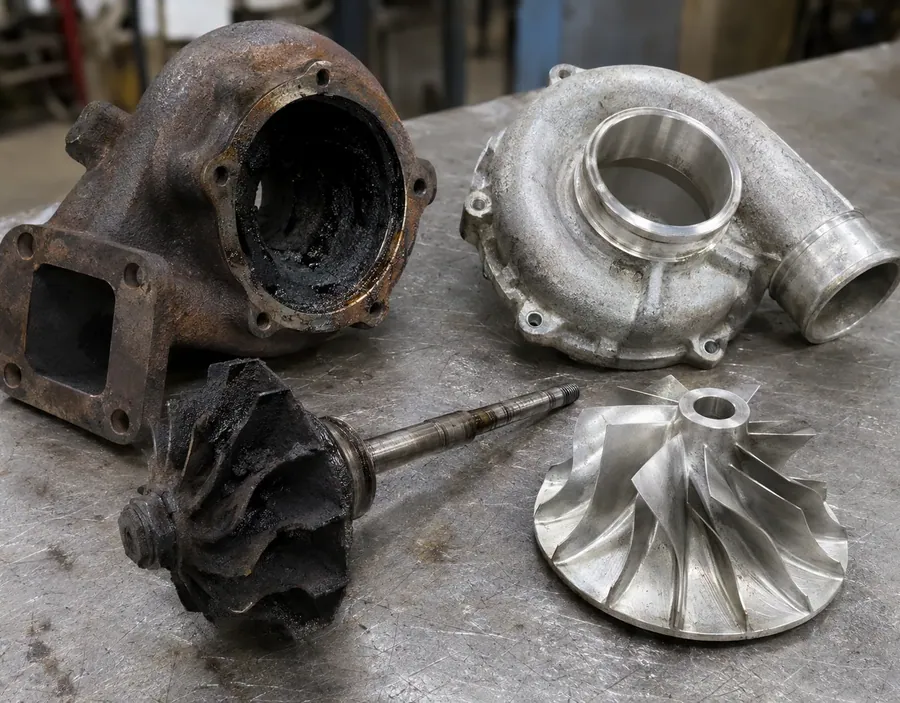 Parts and contaminants · 3 min readUltrasonic cleaning of turbocharger componentsCoked oil in the bearing housing, soot in the turbine housing, sticking vanes in a variable-geometry ring, oil film on the compressor side. How a turbo rebuilder strips and cleans each part, which metals need which bath, and what gets replaced rather than cleaned.
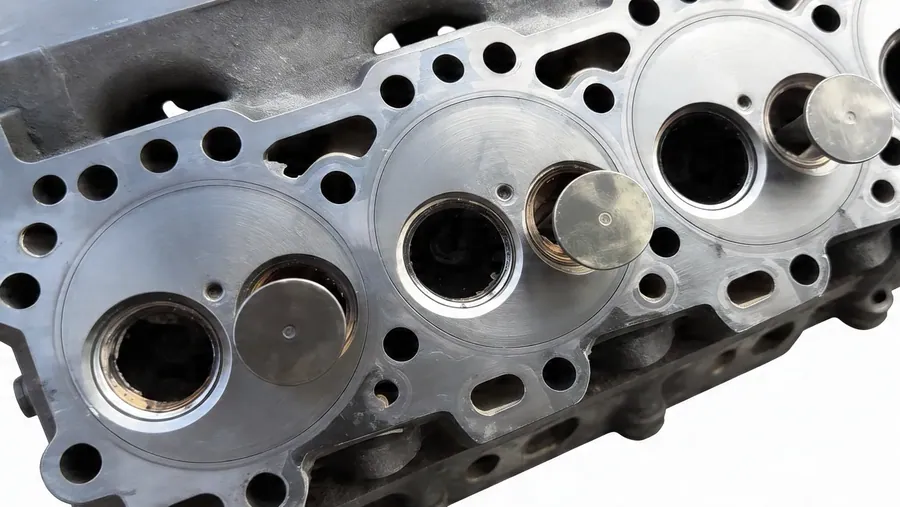 Parts and contaminants · 3 min readUltrasonic cleaning of cylinder heads for automotive repairCarbon in the chambers and ports, oil sludge under the cam covers, scale in the water jacket, gasket remains on the deck. How a head is stripped, which bath suits aluminium and which suits cast iron, and where cleaning sits between crack testing and valve-seat work.
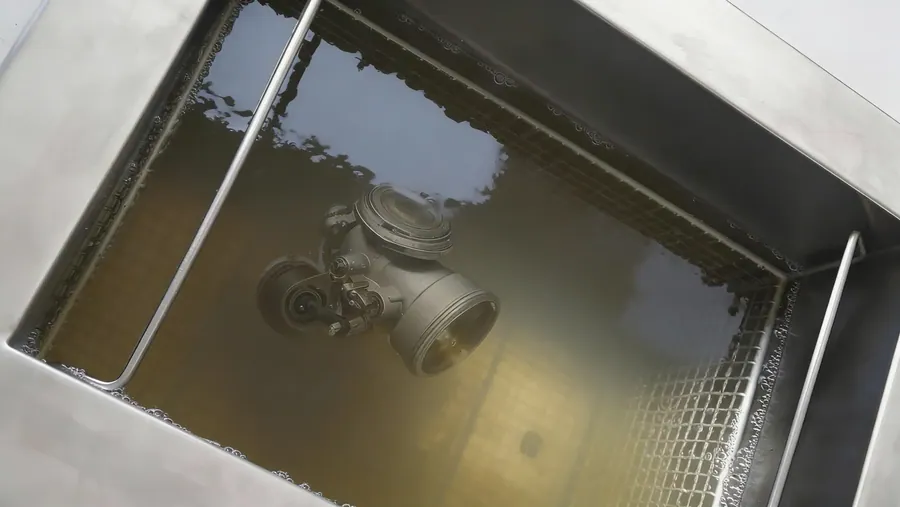 Parts and contaminants · 4 min readCleaning EGR valves in an ultrasonic tankSoot and oil mist bake into a hard cake in the EGR valve and its passages. How to remove the bulk, protect the actuator, which liquid and temperature break the rest, and how to tell a cleaned valve from one that needs replacing.
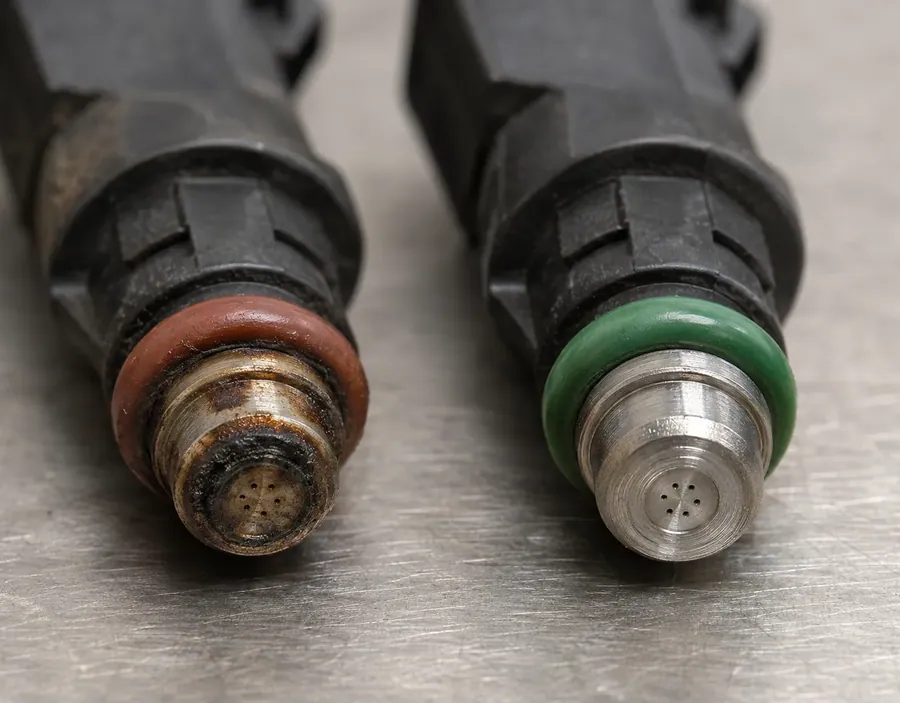 Parts and contaminants · 4 min readHow to clean petrol fuel injectors with ultrasoundPort and direct injectors clog at the filter basket and the nozzle. What an ultrasonic bath cleans, why the injector has to be pulsed for the inside, which parts come off first, and the flow test that proves the result.
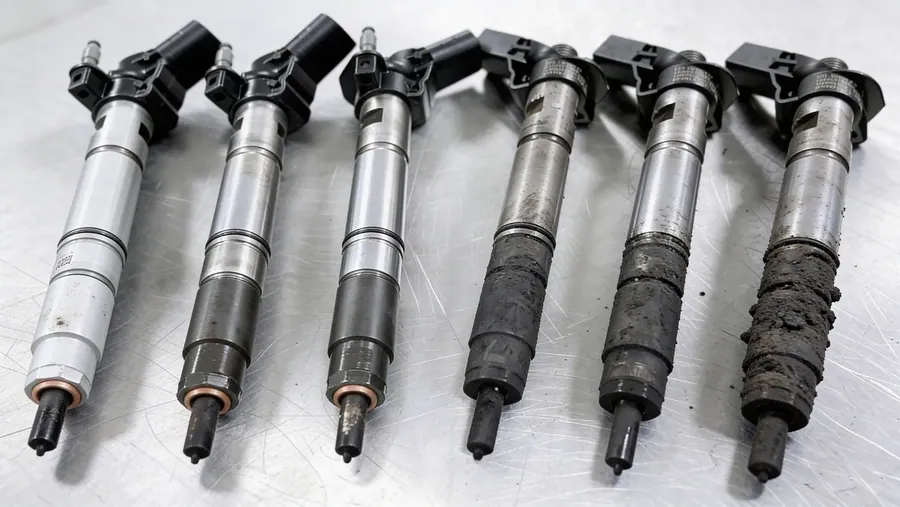 Parts and contaminants · 3 min readUltrasonic cleaning of diesel injectors in the workshopCarbon at the nozzle, tar from blow-by on the body, lacquer inside. How common-rail injectors are prepared, which parts go in the bath and which never do, the liquid, temperature and time, and why the test bench has the last word.
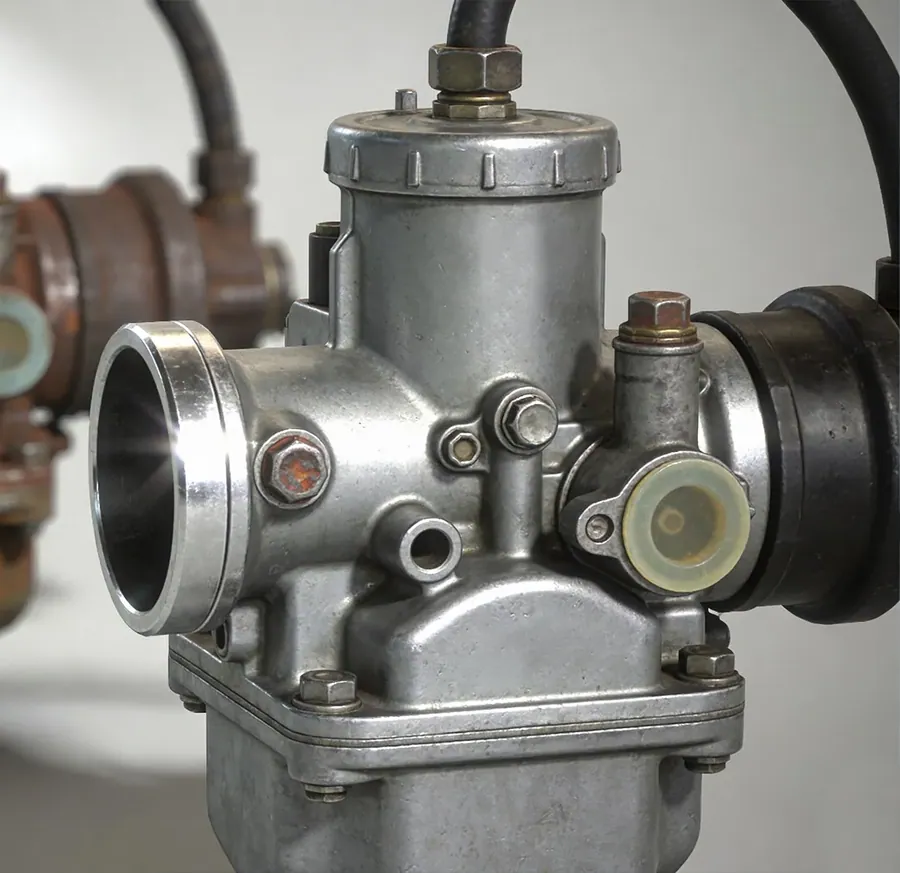 Parts and contaminants · 4 min readUltrasonic cleaning of carburettors: the complete processVarnish, gum and carbon out of jets, emulsion tubes and drillings without hours of wire and spray can. Strip-down, liquid, temperature, frequency and time for aluminium and zinc bodies, and what must never go in the bath.
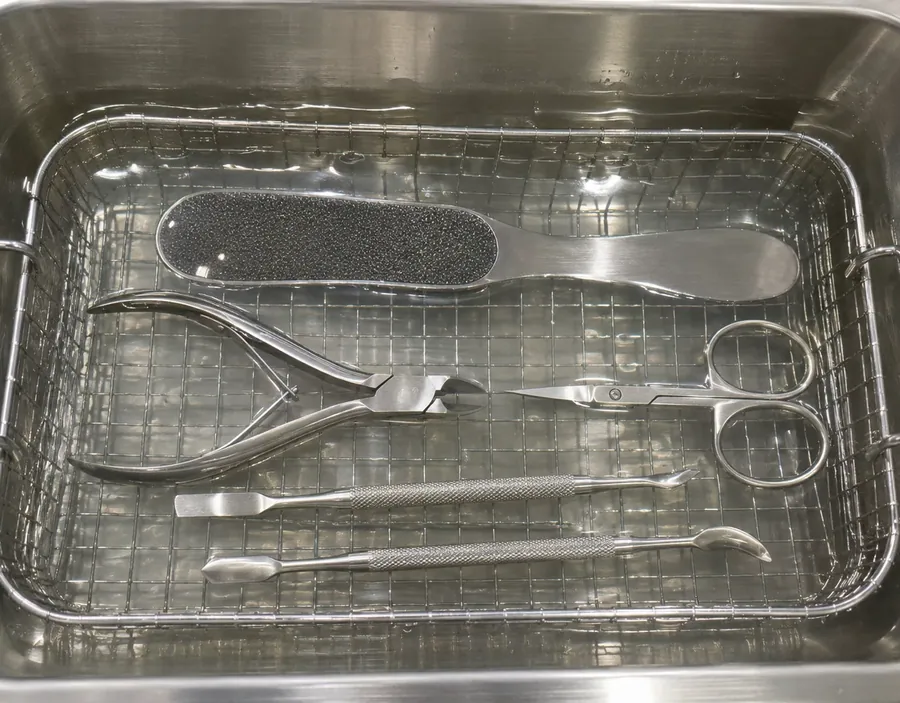 Parts and contaminants · 2 min readCleaning pedicure instruments before disinfectionNippers, files and pushers must be free of soil before a disinfectant or steriliser can work. What an ultrasonic bath removes, how a salon uses it, and the steps that follow it.
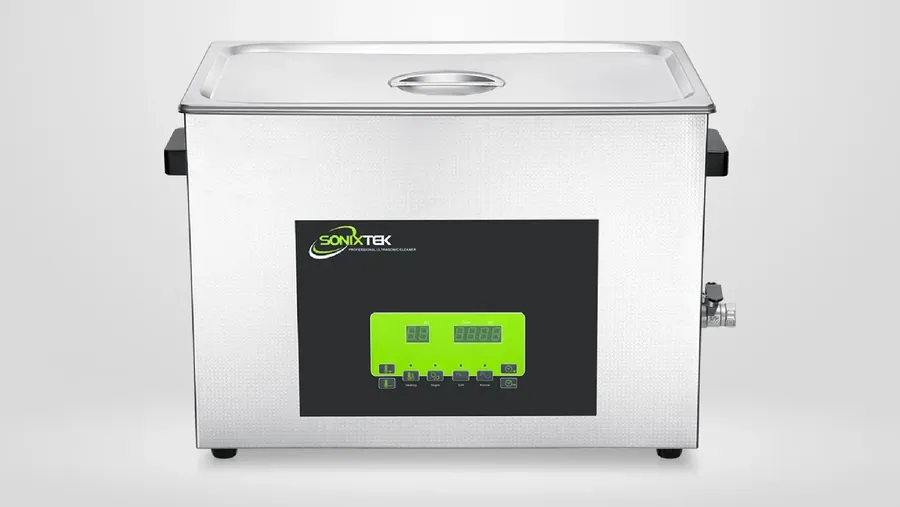 Parts and contaminants · 2 min readCleaning hairstyling tools before disinfectionCombs, clippers and scissors carry hair, product and skin residue that a disinfectant cannot reach through. A benchtop cleaner removes the soil first; disinfection follows as its own step.
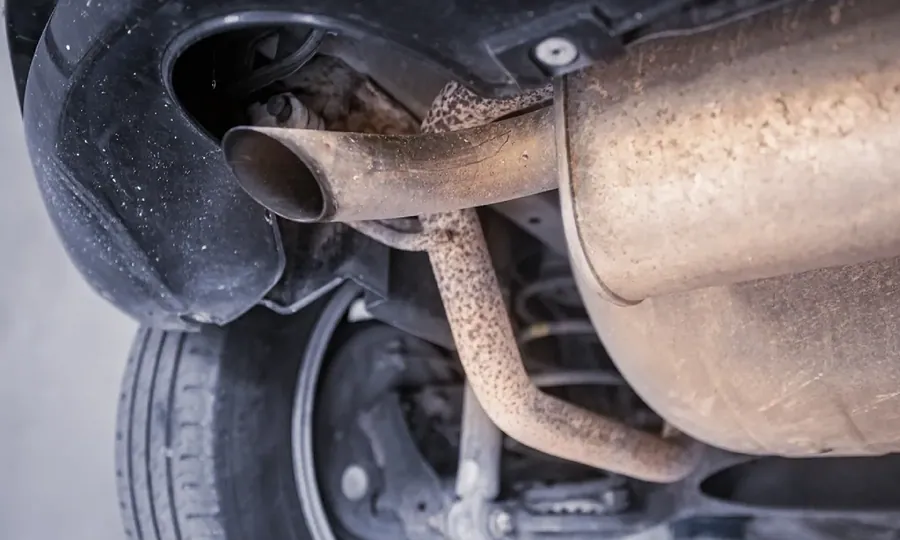 Parts and contaminants · 3 min readRemoving rust, scale and oxideUltrasound alone does not remove rust; the chemistry does, and the ultrasound makes it fast and complete. Which chemistries work on steel, aluminium, brass and copper, why they do not go in a standard tank, and how to protect the bare metal you have just exposed.
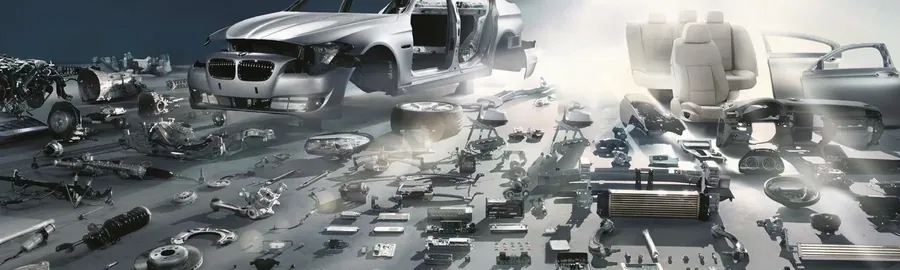 Parts and contaminants · 4 min readRemoving carbon deposits and baked-on oilCarbon on pistons, valves, injectors, turbo housings and EGR valves is oil that has been cooked onto the metal. It needs the hot end of the bath, the strong end of the chemistry, 28 kHz, and time. What works, what does not, and how to avoid damaging aluminium in the process.
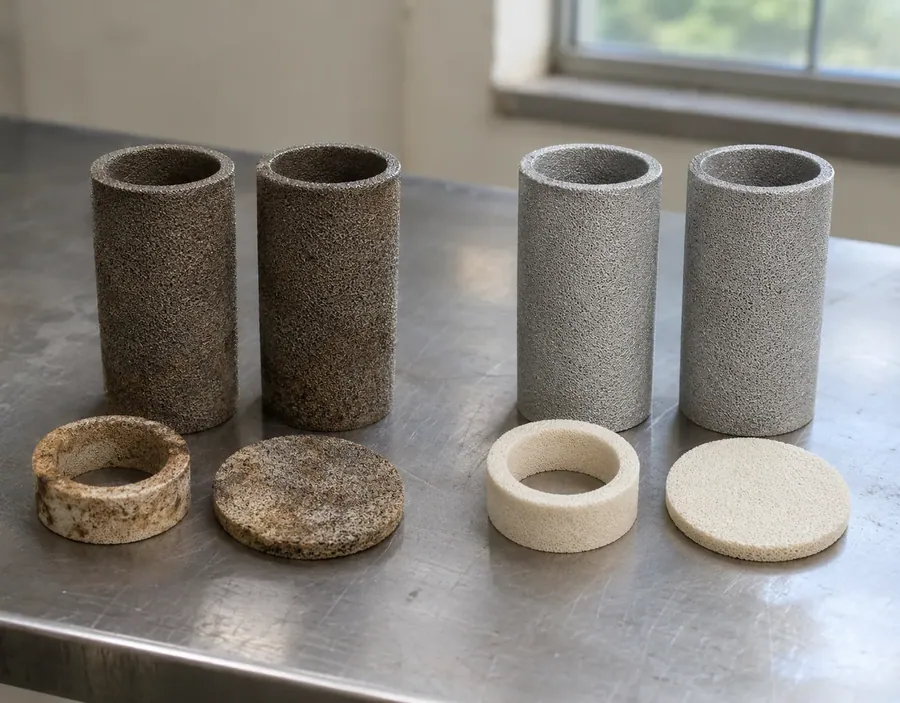 Parts and contaminants · 2 min readCleaning porous materials with an ultrasonic cleanerSintered filters, castings and open-pore materials trap soil where liquids barely flow. How cavitation gets in, and where it cannot.
Let's find the right fit
Not sure which size you need?
Send us the part, the quantity per hour and the soil you are removing. We will size the tank and the frequency with you.