Parts and contaminants · 4 min read · Updated 2026-09-30
Cleaning dental instruments with ultrasound
Burs, files, forceps and hand instruments carry blood, calculus and cement. How the ultrasonic step fits dental reprocessing, and what stays out of the bath.
Technical guide. Figures are taken from our own spec tables; for your process we confirm the settings with a cleaning trial.
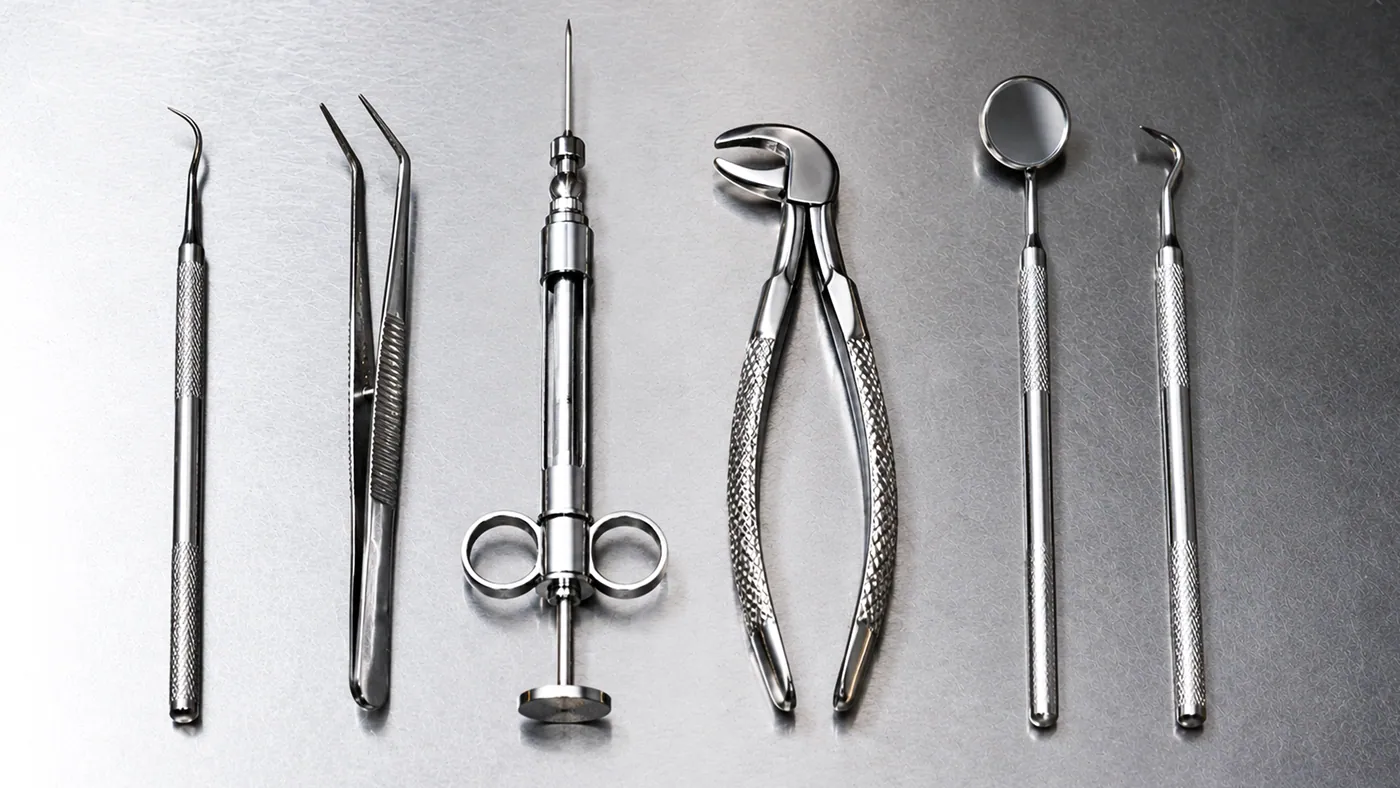
A dental practice reprocesses more instruments per day than most operating theatres, and they are small, sharp and full of detail: the diamond grit of a bur, the flutes of an endodontic file, the serrations of extraction forceps, the hinge of orthodontic pliers. The soil is also particular to dentistry. Next to blood and saliva there is calculus, composite, cement, prophylaxis paste, alginate and gypsum. An ultrasonic bath is common in dental reprocessing because it reaches the places a brush does not, and it reduces the hand scrubbing of sharp instruments, which is where many sharps injuries happen.
Regulatory note. In the EU, products specifically intended for the cleaning, disinfection or sterilisation of medical devices are themselves medical devices under Regulation (EU) 2017/745, Article 2(1). A dental practice reprocesses its instruments with equipment certified for that purpose and follows each instrument maker's reprocessing instructions, which EN ISO 17664 requires the maker to supply. Washer-disinfectors fall under EN ISO 15883. Sonixtek machines are industrial cleaning equipment and are not certified as medical devices, so this article explains the step and does not recommend one of our machines for it.
The instruments and what they carry
| Item | Typical soil | Handling in the bath |
|---|---|---|
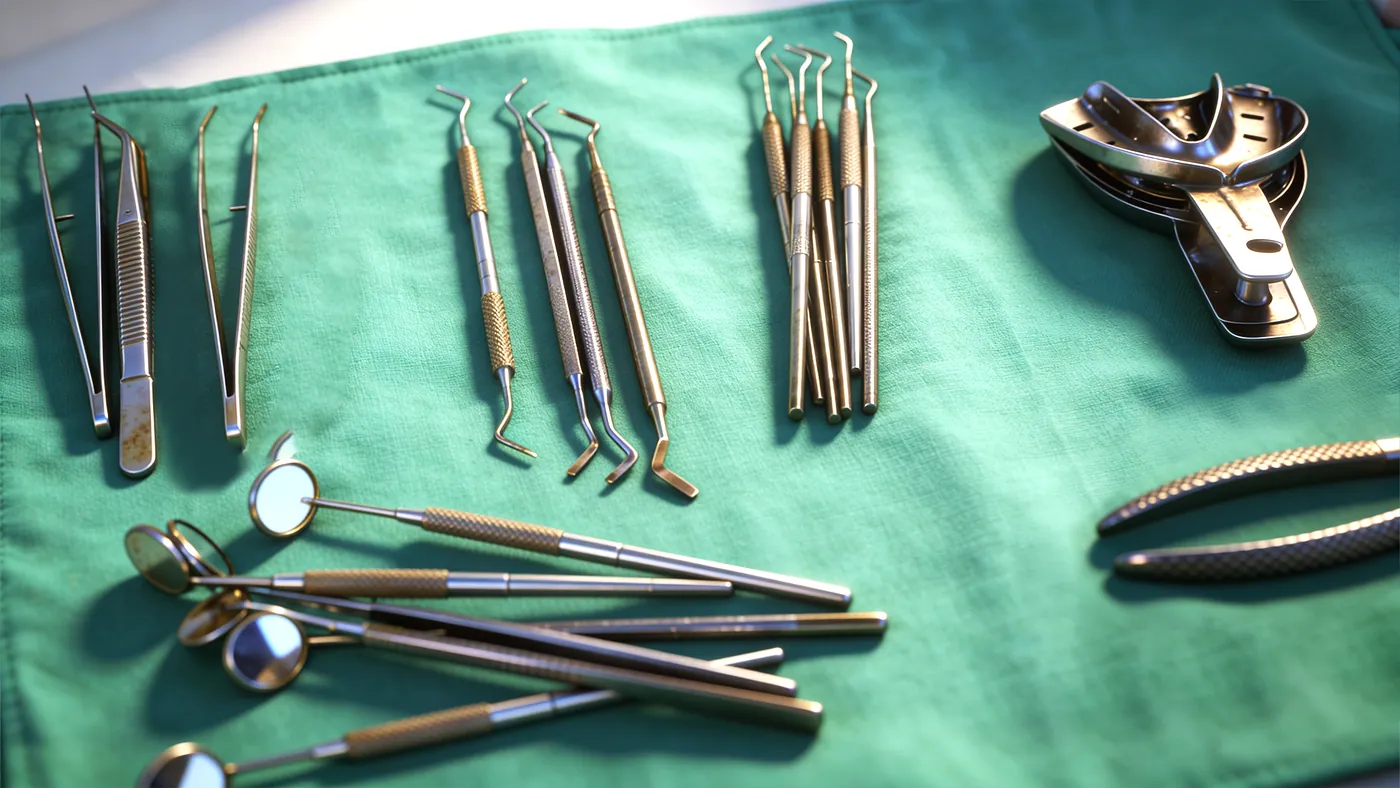
| Hand instruments: probes, scalers, curettes, excavators, pluggers | Blood, saliva, calculus, composite | In a cassette or tray made for ultrasonic cleaning, working ends not touching |
| Burs and diamond instruments | Tooth structure, composite, blood in the grit and flutes | In a bur holder, upright, not loose in the basket |
| Endodontic files and reamers | Dentine debris and pulp tissue in the flutes | In a file holder; many files are sold for single use, and then they are not reprocessed at all |
| Extraction forceps, elevators | Blood, tissue | Joints opened |
| Orthodontic pliers and cutters | Saliva, adhesive, wire particles | Opened, cutting edges protected |
| Reusable impression trays | Alginate, silicone, tray adhesive, gypsum | Separate cycle, often with a remover made for the material |
What stays out of the bath unless its maker says otherwise: handpieces, contra-angles and turbines, which are reprocessed by the methods their makers specify because immersion damages their bearings and internal channels; motors, cables and light guides; and items with bonded or glued parts. Mirror heads and instruments with plastic handles are checked individually against the maker's instructions.
Cement, composite and calculus
Set cement and cured composite do not dissolve in an instrument detergent, and cavitation alone does not break them off quickly. The dependable method is to wipe instruments at the chair before the material sets. Cement removers exist, usually acidic, and they are used only where the instrument maker allows it, since acids attack some instrument steels. They are used in a beaker standing in the bath rather than in the bath itself, so the main solution is not contaminated; see direct and indirect cleaning.
Calculus and prophylaxis paste on scalers and curettes come off with the blood and saliva in a normal cycle, provided they have not been left to dry for hours.
The cycle
- At the chair: wipe off visible soil, remove cement and composite before they set, discard single-use items.
- Transport in a closed container, instruments kept moist.
- Load opened and dismantled instruments in cassettes or trays, one layer, fully immersed; see loading the basket.
- Ultrasonic cleaning in a detergent made for dental instruments, at the concentration on the label, below about 45 °C so protein is not fixed. Dental baths usually run at 35 to 40 kHz. Lid closed.
- Rinse to remove detergent and loosened soil.
- Clean and disinfect in a washer-disinfector, or by the validated method national rules allow.
- Dry, inspect, maintain: magnified inspection, sharpening where needed, lubrication of hinges.
- Package and sterilise, usually by steam.
The bath is made up fresh and degassed at the start of the day, changed at least daily and whenever it is visibly soiled. A bath that has cleaned a morning of instruments carries blood, debris and spent detergent, and cleans less with each load. Ultrasonic cleaning neither disinfects nor sterilises; steps 6 and 8 do that.
Checking the result
- Visual inspection under magnification, with attention to file flutes, bur heads, serrations and hinges. Soil left there after cleaning means the loading, the time or the bath needs attention.
- Protein residue tests at the frequency the practice's procedure sets.
- Bath performance checks, for example with cavitation indicators or a foil test, to show the bath still cavitates evenly.
- Worn instruments out. A blunt scaler or a file with unwound flutes is replaced, not cleaned again.
Where Sonixtek machines fit
Not in dental practice reprocessing. In dentistry our machines belong to manufacturing: makers of dental instruments, burs and implants clean parts during production, before their own final cleaning, packaging and sterilisation. See medical device components before assembly and orthopaedic implants, which covers the same materials and residues. Dental laboratories make custom-made devices, and removing investment material, polishing compound and gypsum from frameworks and lab tools during production is manufacturing work under the laboratory's own procedure. And in veterinary dentistry, which is outside the medical device regulation, an industrial benchtop cleaner is a normal choice. The medical industry overview explains the boundary.