

Knowledge
Process and parameters
Time, temperature, frequency, liquids, rinsing and drying: the settings behind a repeatable cleaning result.
9 articles
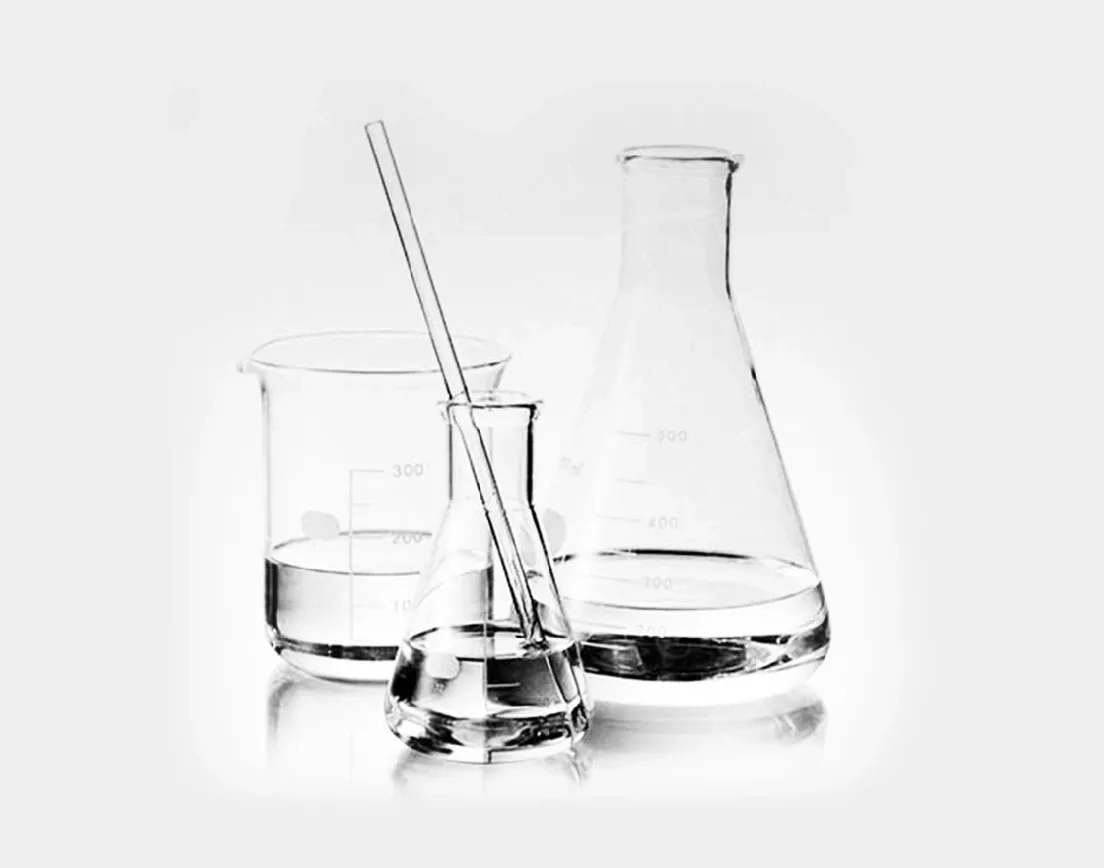 Process and parameters · 4 min readCleaning liquids for ultrasonic cleaningWater with a detergent does most jobs. Which chemistry for oil, carbon, oxide and flux, what never goes in the tank, and why concentration and temperature matter as much as the product.
 Process and parameters · 4 min readRinsing and drying after ultrasonic cleaningThe wash lifts the soil; the rinse takes the wash off the part; the dryer takes the rinse off. Skip either and the part carries a film of detergent, or water in every blind hole. How each stage is done, from a bucket to a DT dryer tank.
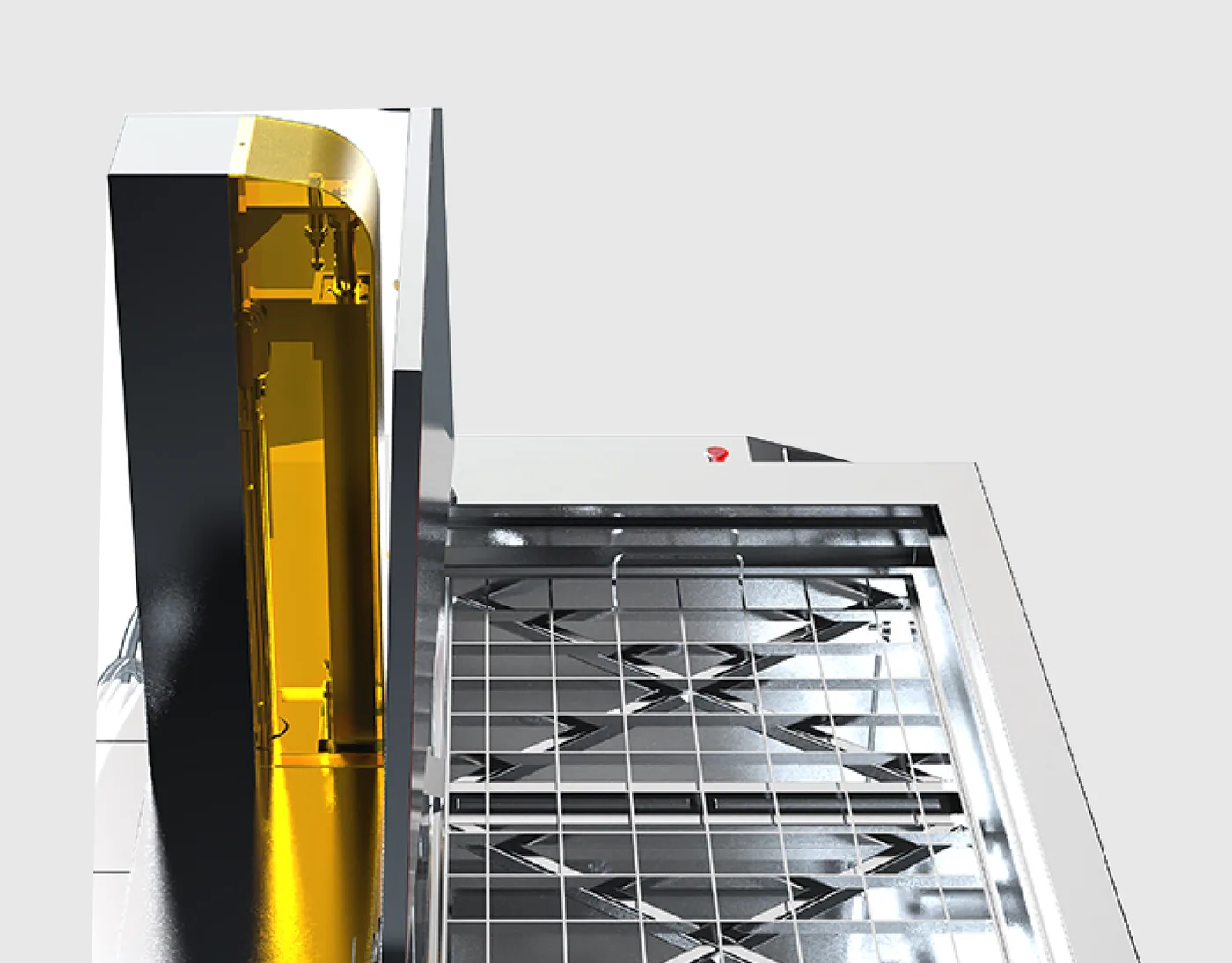 Process and parameters · 4 min readLoading the basket: shadowing, orientation and how much is too muchHalf of all "the machine does not clean" complaints are loading problems. How parts shadow each other, why blind holes go in tilted with the opening upward, what a basket load of 75 or 100 kg really means, and how to lay out a batch so the last part is as clean as the first.
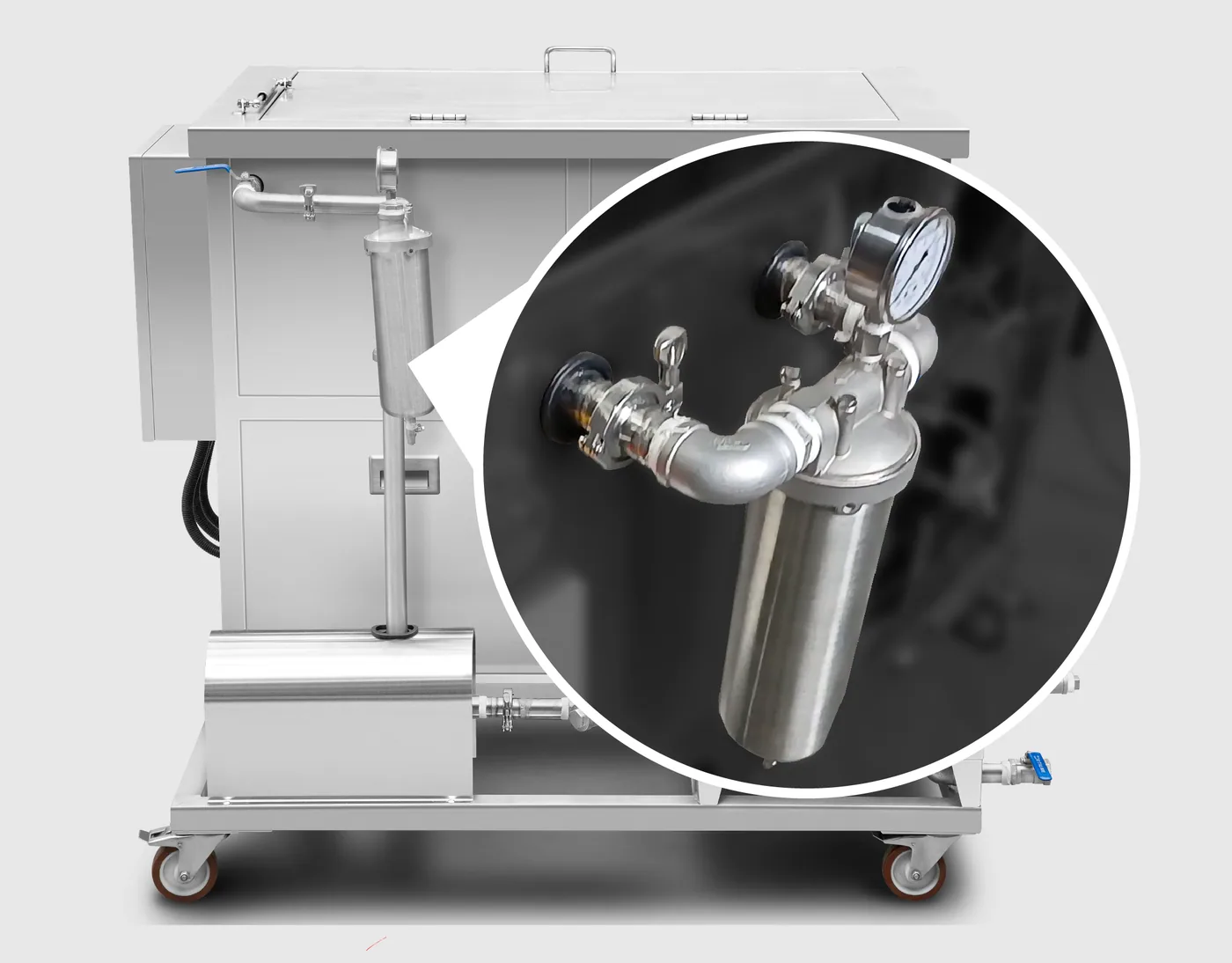 Process and parameters · 4 min readFiltration and bath lifeA cleaning bath fails in three ways: it fills with particles, it saturates with oil, or its chemistry is used up. Filtration handles the first two and stretches the third. What a filtration loop and an oil skimmer do, when a bath needs them, and how to tell when a bath is finished.
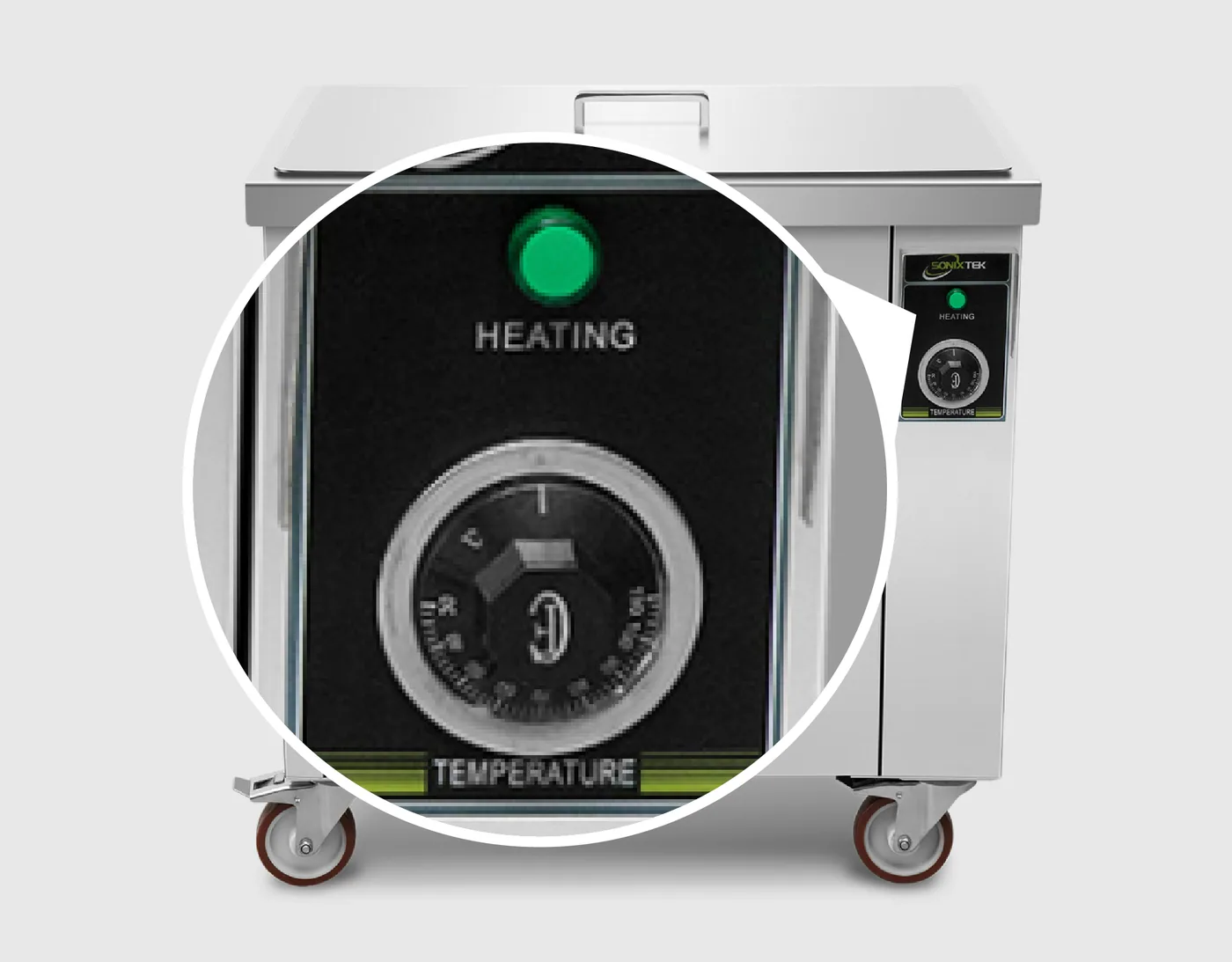 Process and parameters · 4 min readChoosing the cleaning temperatureHeat speeds up the chemistry and thins the oil, but above about 80 °C cavitation weakens. Where to set the bath for oil, carbon, machining residue, flux and biological soil, and why our tanks heat to 100 or 110 °C when most cleaning happens at 50 to 65.
 Process and parameters · 2 min read28 kHz or 40 kHz: which frequency cleans your part?Lower frequency hits harder, higher frequency reaches further. The part, the soil and the surface decide.
 Process and parameters · 2 min readParticle size removal versus ultrasonic frequencyLower frequencies make bigger, more energetic bubbles for heavy soil; higher frequencies make smaller, gentler bubbles that do better on fine particles. How to choose between 28 and 40 kHz.
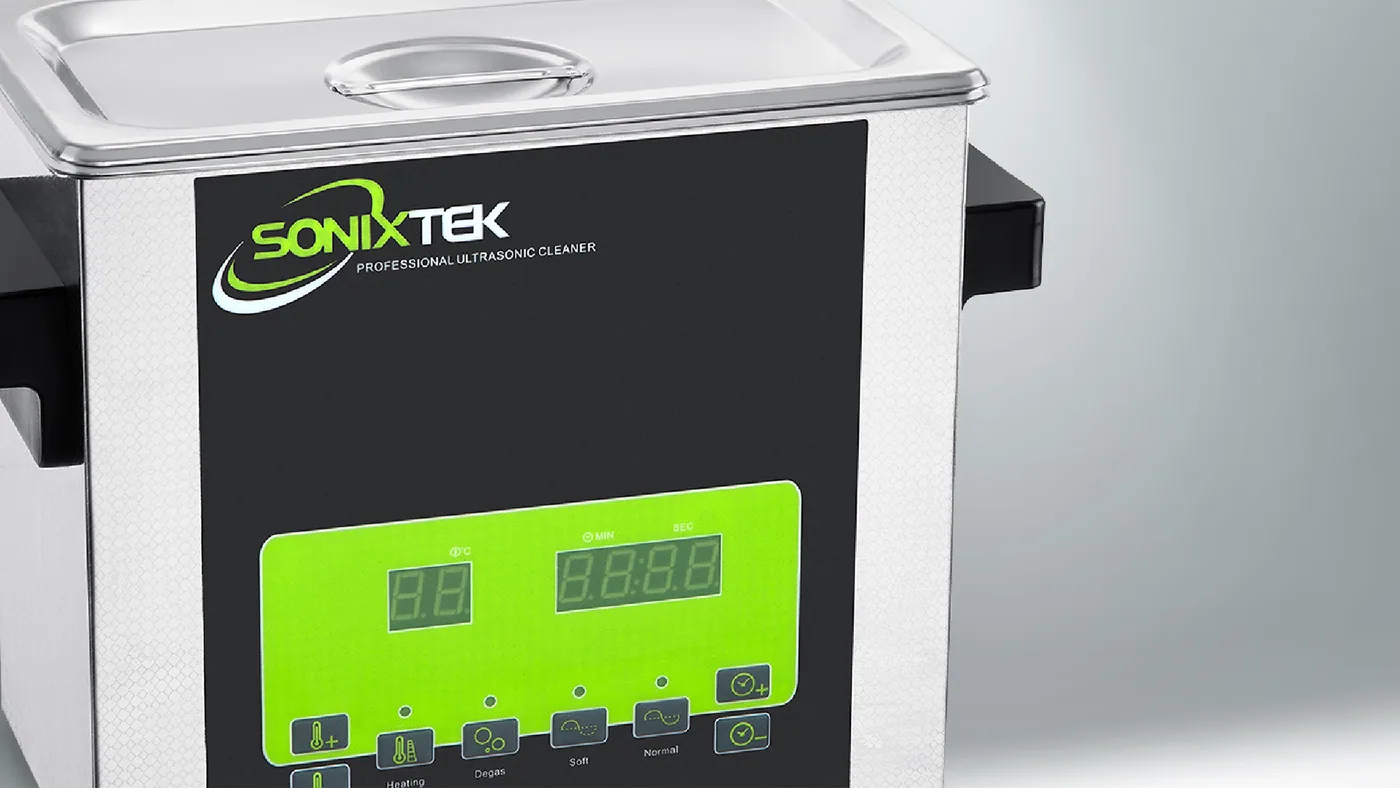 Process and parameters · 2 min readHow long should an ultrasonic cleaning cycle be?Three to thirty minutes covers most parts. What decides the time: contaminant, liquid, temperature, load, and when longer stops helping.Process and parameters · 2 min readAgitation in ultrasonic cleaningMoving the basket while the ultrasound runs exposes every face of the part to fresh cavitation and stops standing-wave shadows. When it helps and how the lift does it.
Let's find the right fit
Not sure which size you need?
Send us the part, the quantity per hour and the soil you are removing. We will size the tank and the frequency with you.