

Topics
Articles about: Aluminium
13 articles
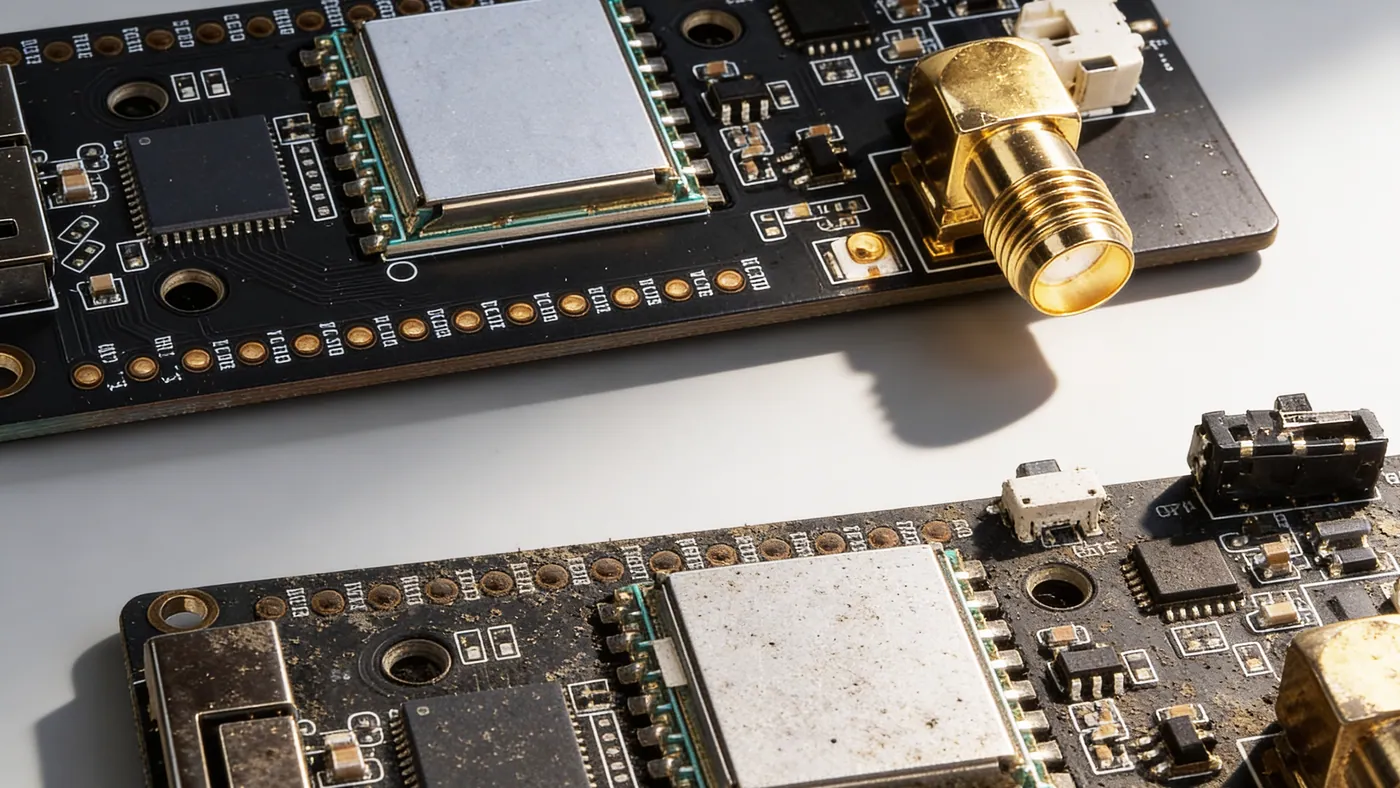 Parts and contaminants · 4 min readUltrasonic cleaning of communication equipment componentsRF housings, cavity filters, waveguides and antenna parts, often plated aluminium: gentle chemistry, no etching, no loose particles, and dry cavities.
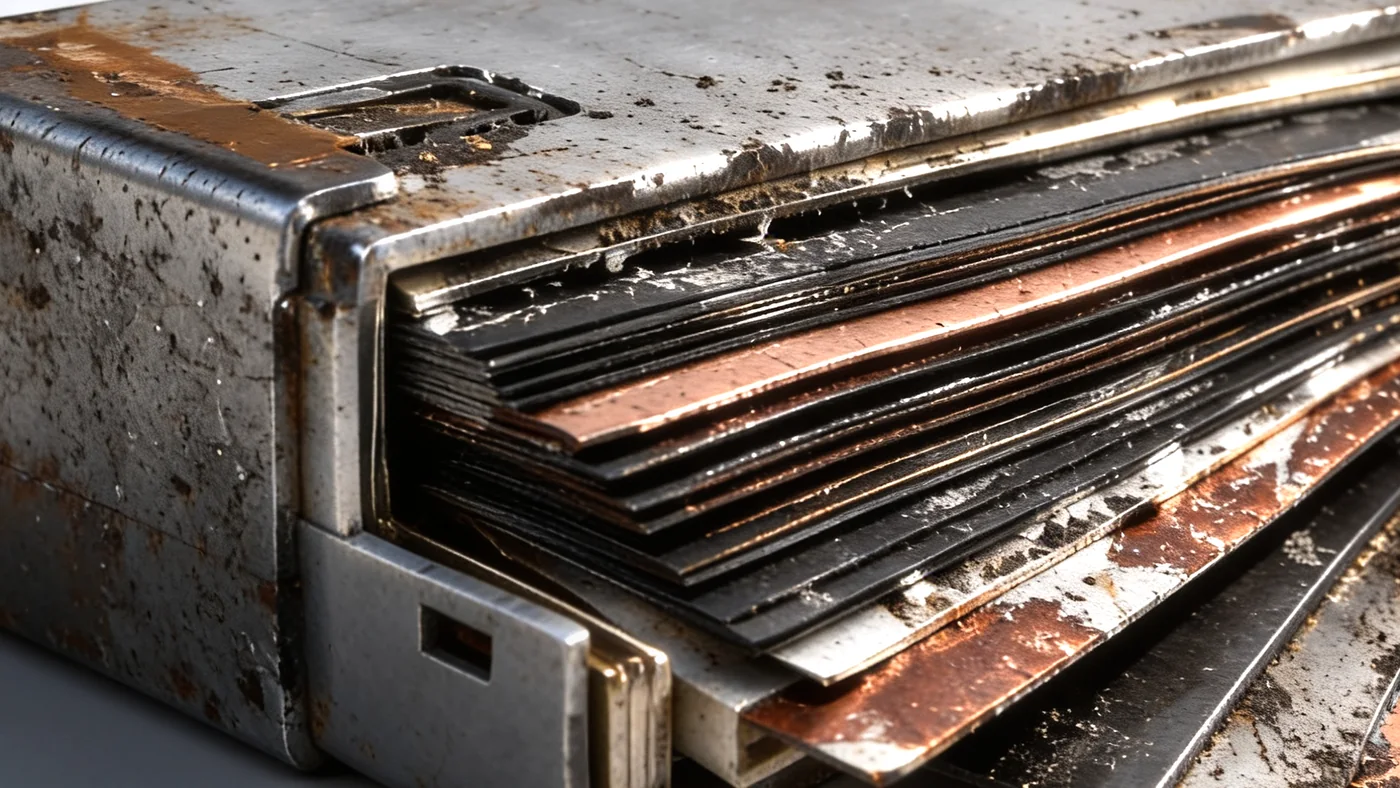 Parts and contaminants · 4 min readUltrasonic cleaning of battery components before assemblyCell cans, lids, tabs, busbars, housings and cooling plates carry oil and particles into welding and bonding. How to clean them; cells never go in a bath.
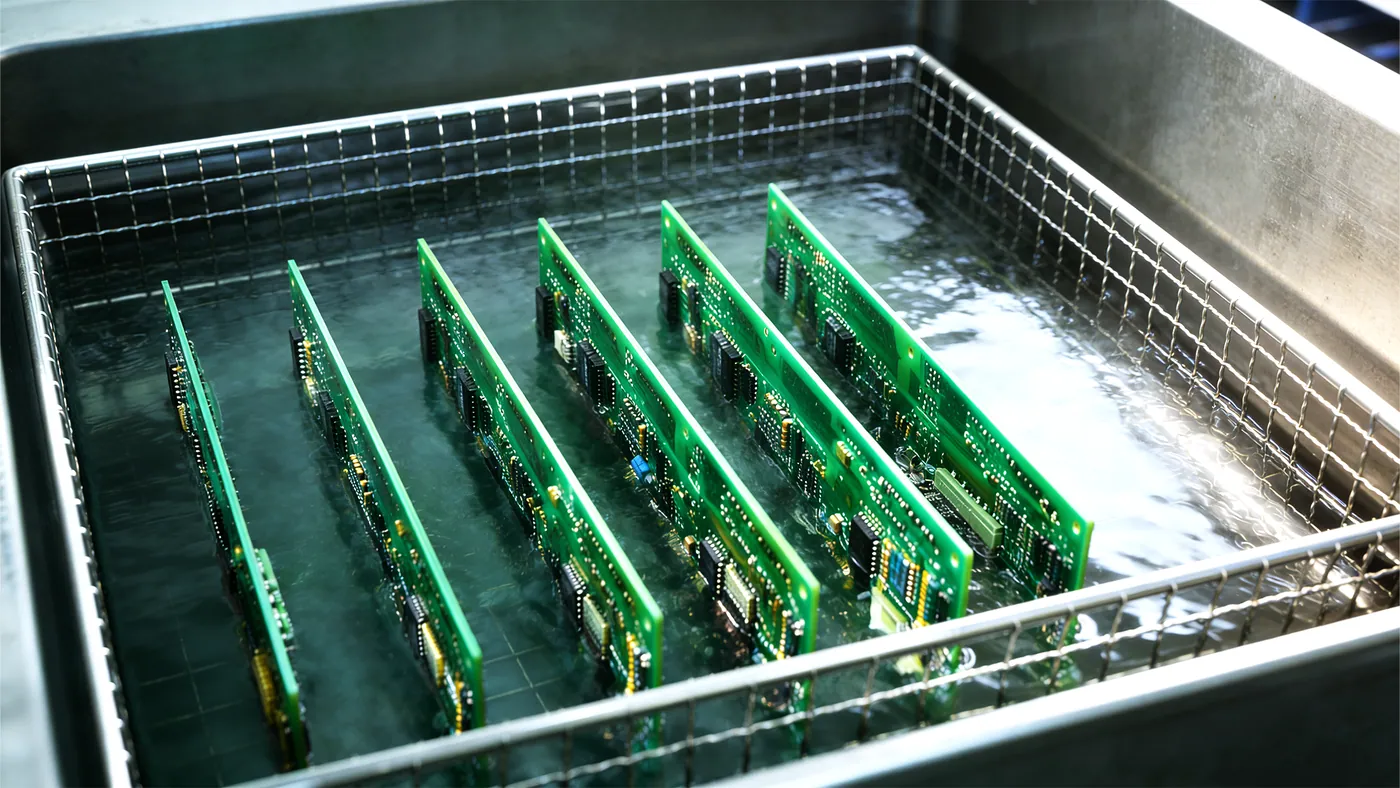 Parts and contaminants · 4 min readCleaning electronic parts before assembly with ultrasoundHousings, heat sinks, shields and frames carry oil, chips and fingerprints into the device. How to clean them first, and why conductive particles matter.
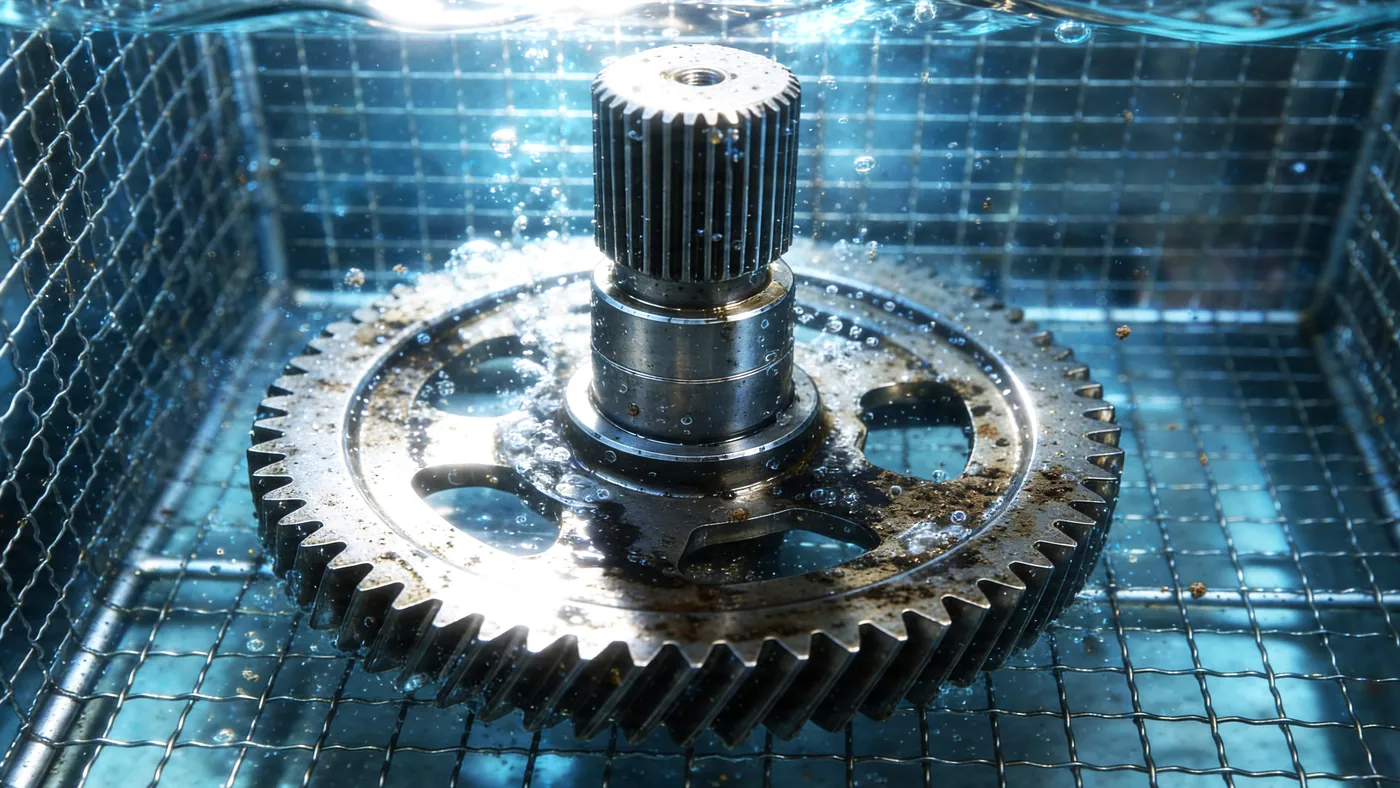 Parts and contaminants · 4 min readUltrasonic cleaning of CNC machined parts before assemblyA machined part that goes into an assembly carries its coolant, chips and burr flakes into the product unless they come off first. What assembly asks of the cleaning step, how to lay out wash, rinse and dry around the machining cell, and how to keep the part clean between the tank and the fitter's bench.
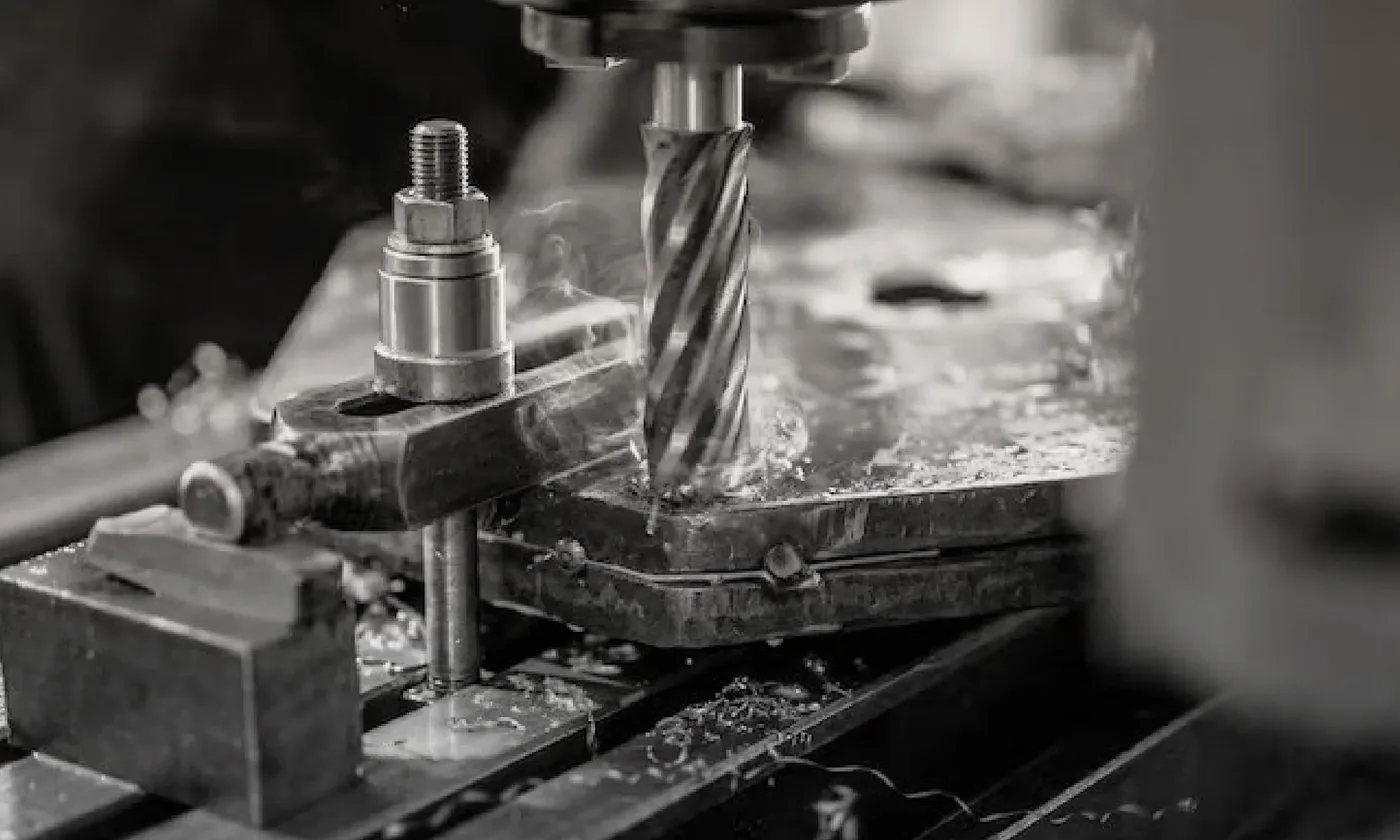 Parts and contaminants · 5 min readRemoving machining swarf, chips and coolantTurned and milled parts carry cutting fluid and fine chips in every pocket, bore, thread and cross-drilling. Ultrasonic cleaning flushes them in one cycle. The bath, what milled parts need in particular, the filtration that makes it last, and the cleanliness checks a machine shop uses.
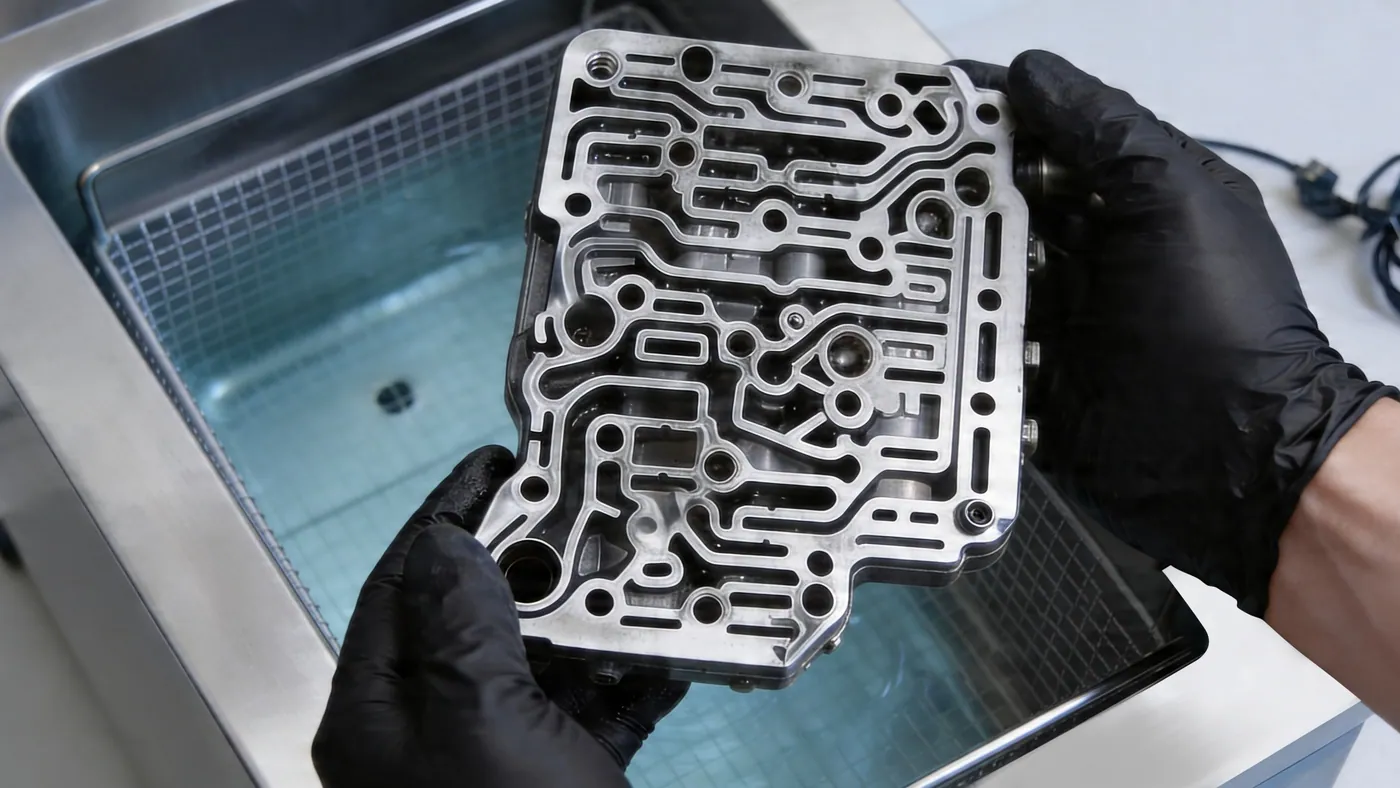 Parts and contaminants · 3 min readCleaning automatic-transmission valve bodiesVarnish from old fluid and friction-material fines stick the spool valves, and the gearbox shifts late, hard or not at all. How rebuilders strip a valve body, keep every spool with its bore, and clean the channels and valves at 40 kHz without harming a single clearance.
 Parts and contaminants · 3 min readUltrasonic cleaning of turbocharger componentsCoked oil in the bearing housing, soot in the turbine housing, sticking vanes in a variable-geometry ring, oil film on the compressor side. How a turbo rebuilder strips and cleans each part, which metals need which bath, and what gets replaced rather than cleaned.
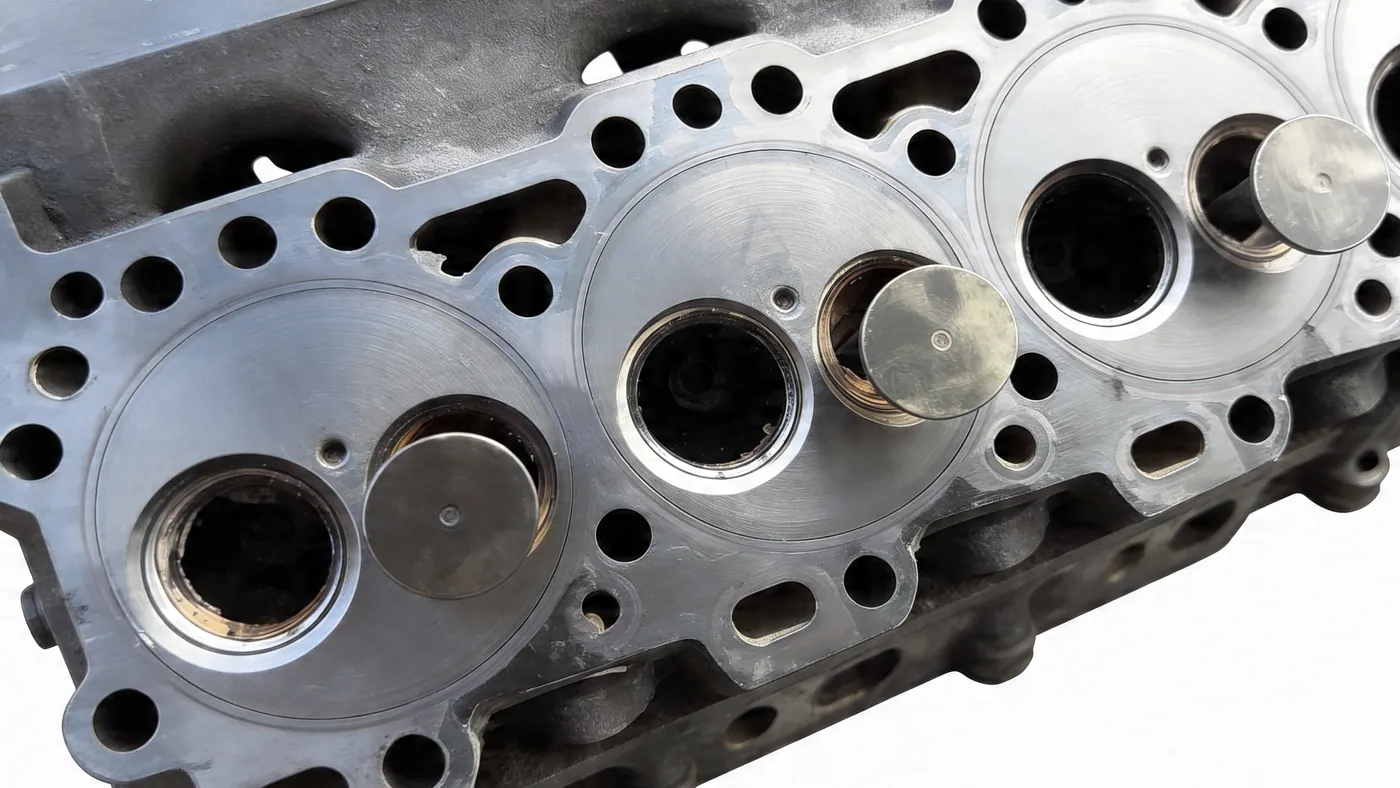 Parts and contaminants · 3 min readUltrasonic cleaning of cylinder heads for automotive repairCarbon in the chambers and ports, oil sludge under the cam covers, scale in the water jacket, gasket remains on the deck. How a head is stripped, which bath suits aluminium and which suits cast iron, and where cleaning sits between crack testing and valve-seat work.
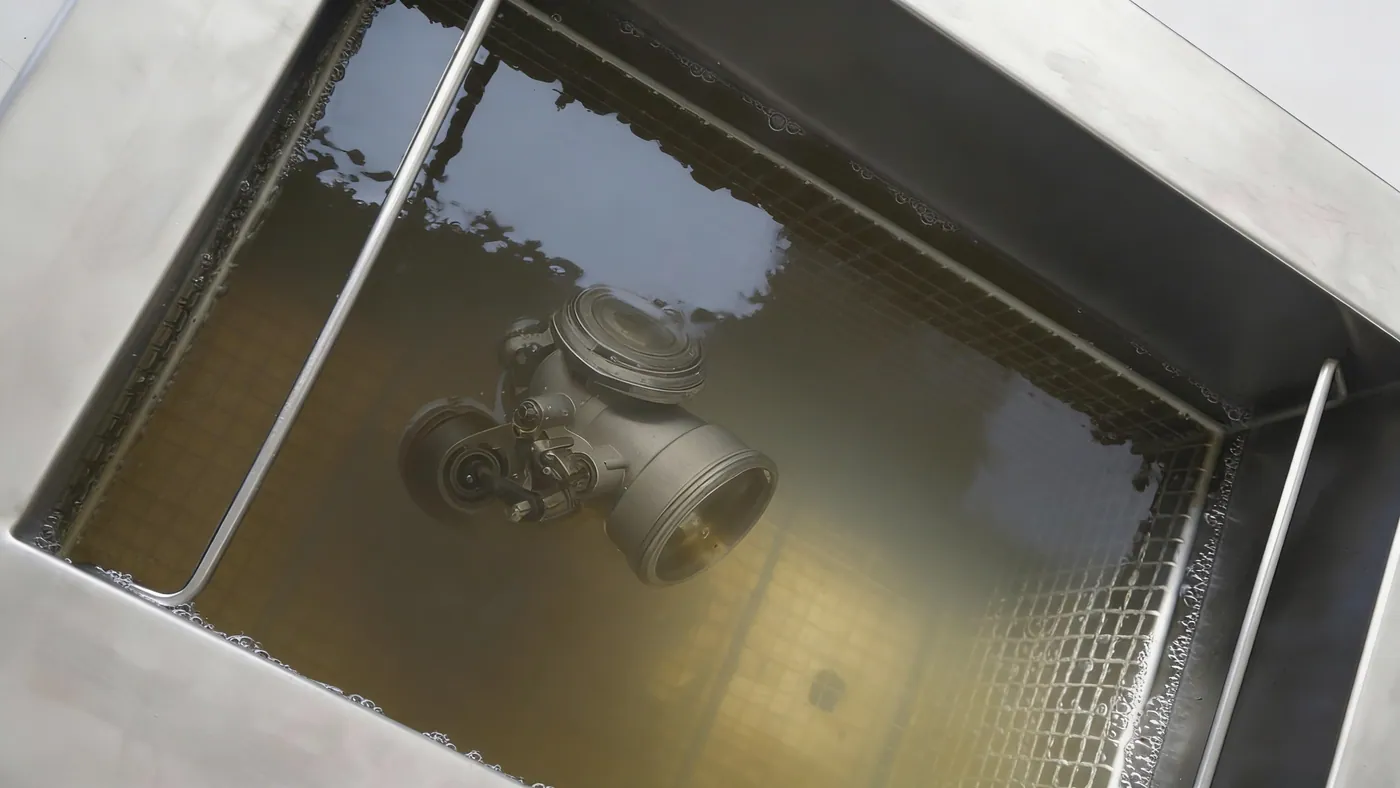 Parts and contaminants · 4 min readCleaning EGR valves in an ultrasonic tankSoot and oil mist bake into a hard cake in the EGR valve and its passages. How to remove the bulk, protect the actuator, which liquid and temperature break the rest, and how to tell a cleaned valve from one that needs replacing.
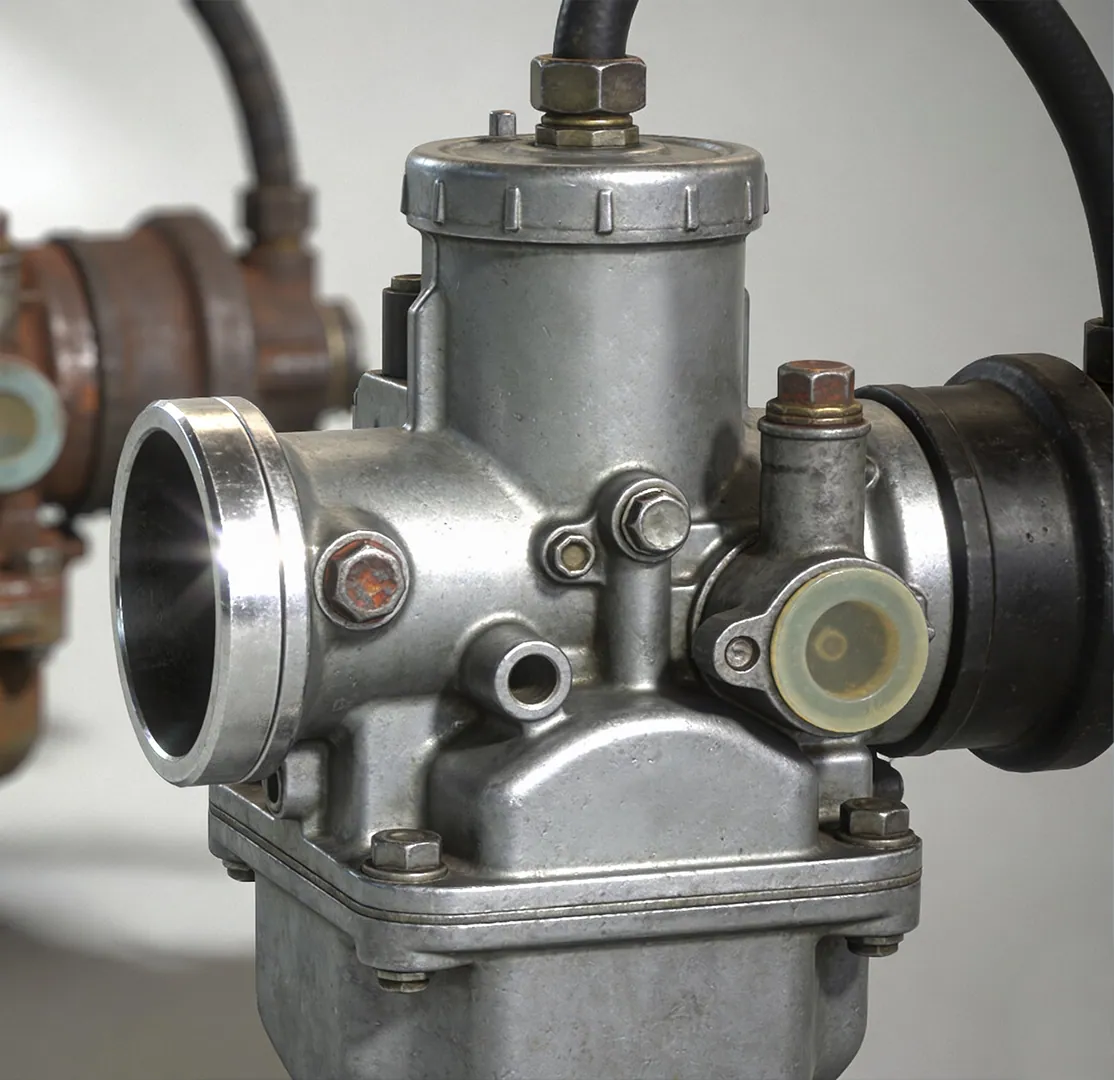 Parts and contaminants · 4 min readUltrasonic cleaning of carburettors: the complete processVarnish, gum and carbon out of jets, emulsion tubes and drillings without hours of wire and spray can. Strip-down, liquid, temperature, frequency and time for aluminium and zinc bodies, and what must never go in the bath.
 Process and parameters · 4 min readCleaning liquids for ultrasonic cleaningWater with a detergent does most jobs. Which chemistry for oil, carbon, oxide and flux, what never goes in the tank, and why concentration and temperature matter as much as the product.
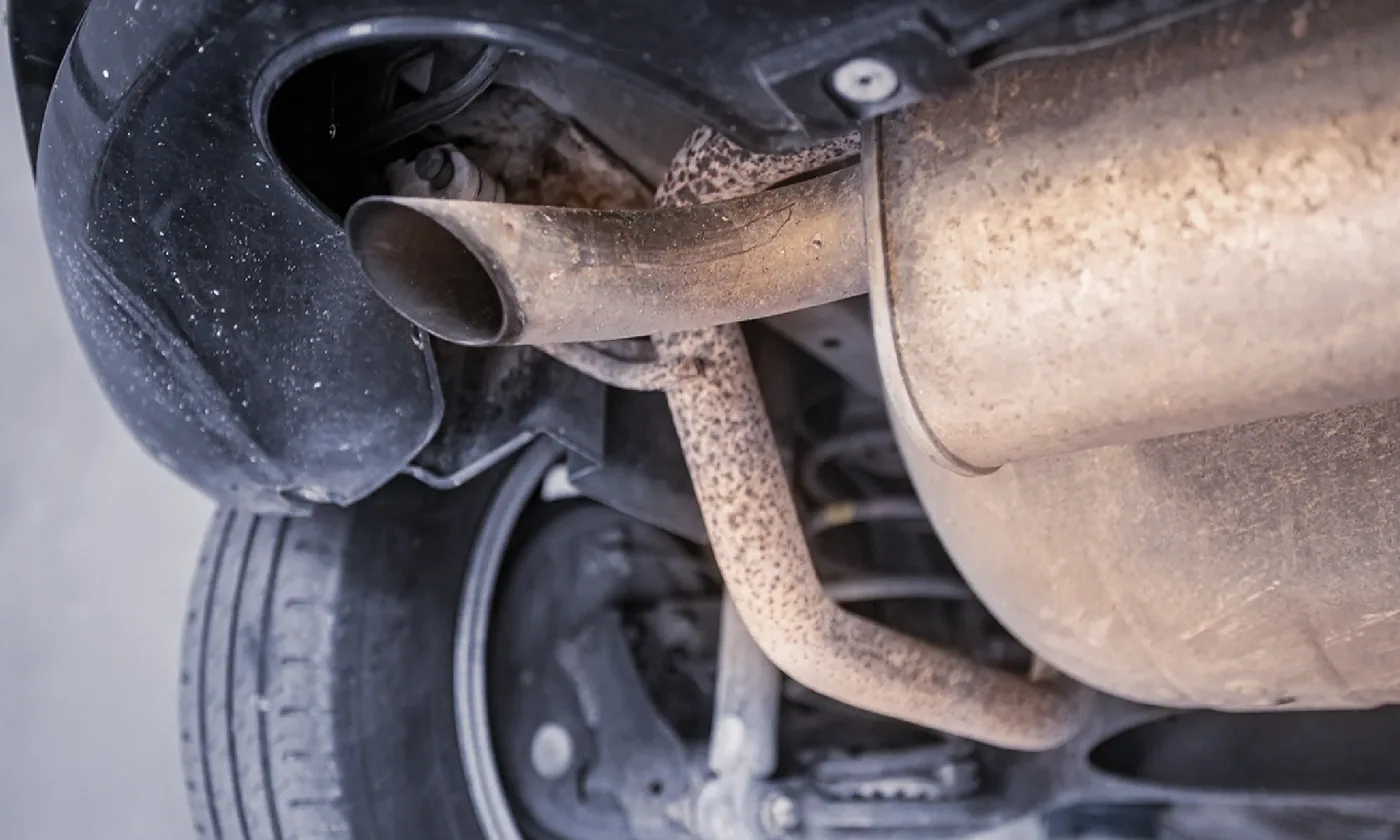 Parts and contaminants · 3 min readRemoving rust, scale and oxideUltrasound alone does not remove rust; the chemistry does, and the ultrasound makes it fast and complete. Which chemistries work on steel, aluminium, brass and copper, why they do not go in a standard tank, and how to protect the bare metal you have just exposed.
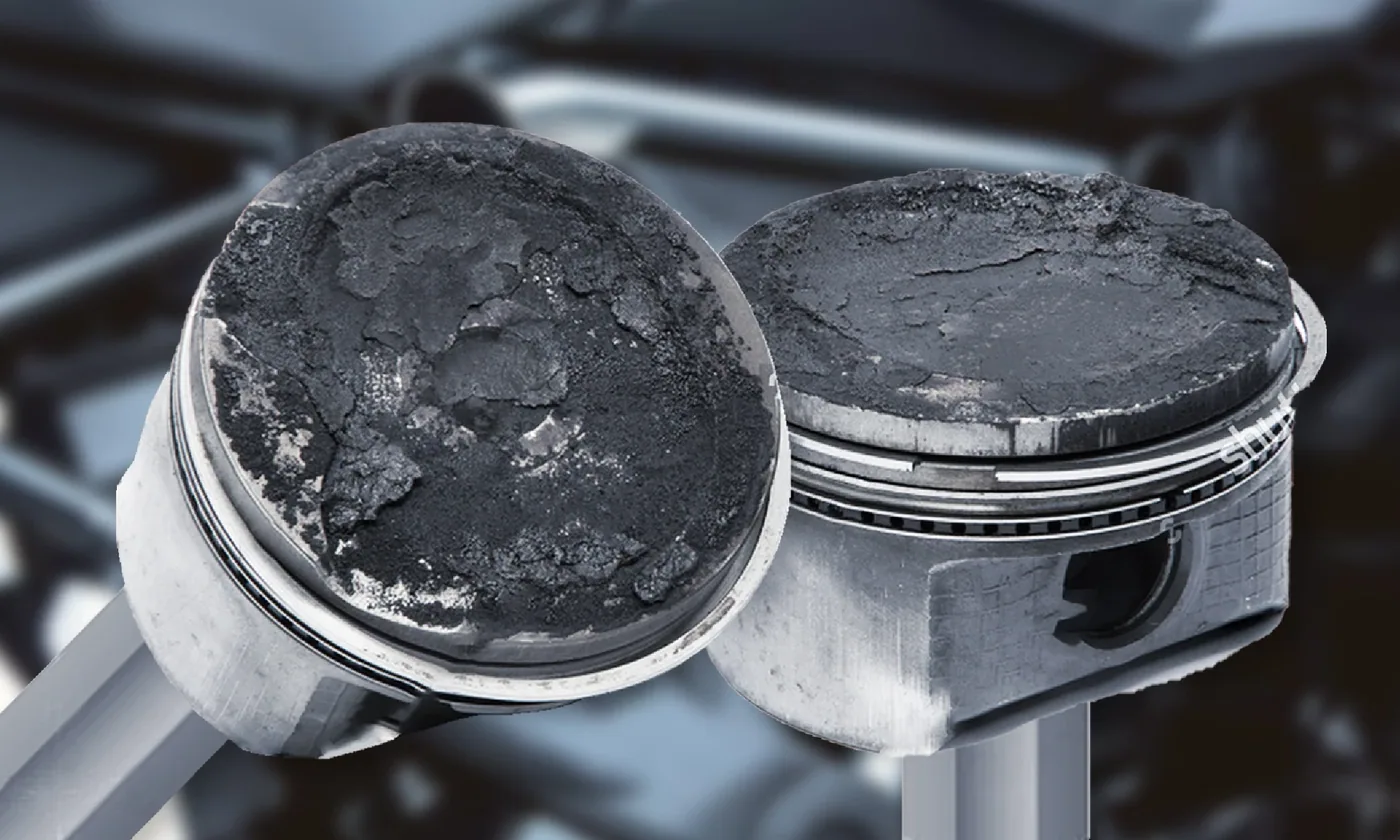 Parts and contaminants · 4 min readRemoving carbon deposits and baked-on oilCarbon on pistons, valves, injectors, turbo housings and EGR valves is oil that has been cooked onto the metal. It needs the hot end of the bath, the strong end of the chemistry, 28 kHz, and time. What works, what does not, and how to avoid damaging aluminium in the process.
Let's find the right fit
Not sure which size you need?
Send us the part, the quantity per hour and the soil you are removing. We will size the tank and the frequency with you.