

Topics
Articles about: Benchtop
13 articles
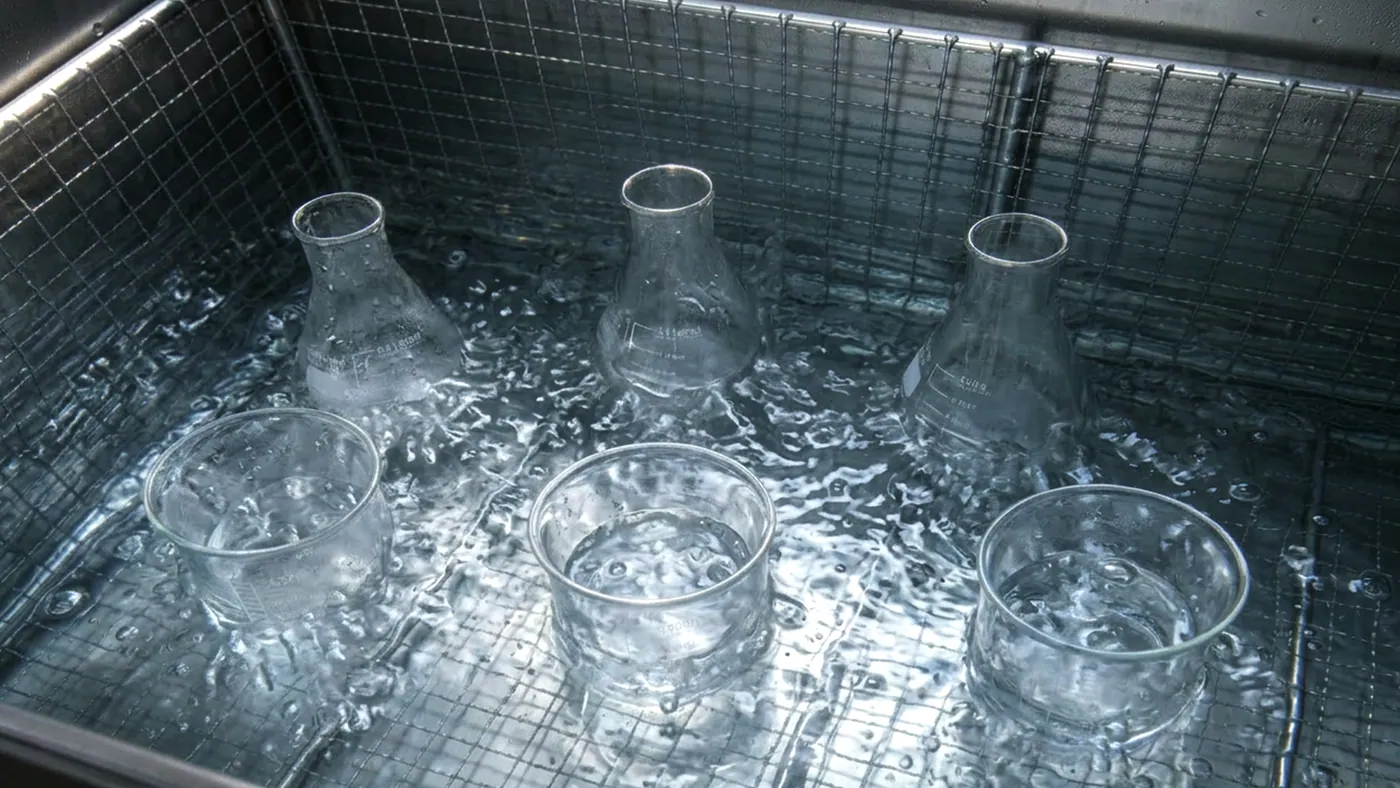 Parts and contaminants · 4 min readUltrasonic cleaning of laboratory glasswareThe detergents, temperatures and rinses that get beakers, flasks, pipettes and sieves clean enough for the next analysis, and the care volumetric glass needs.
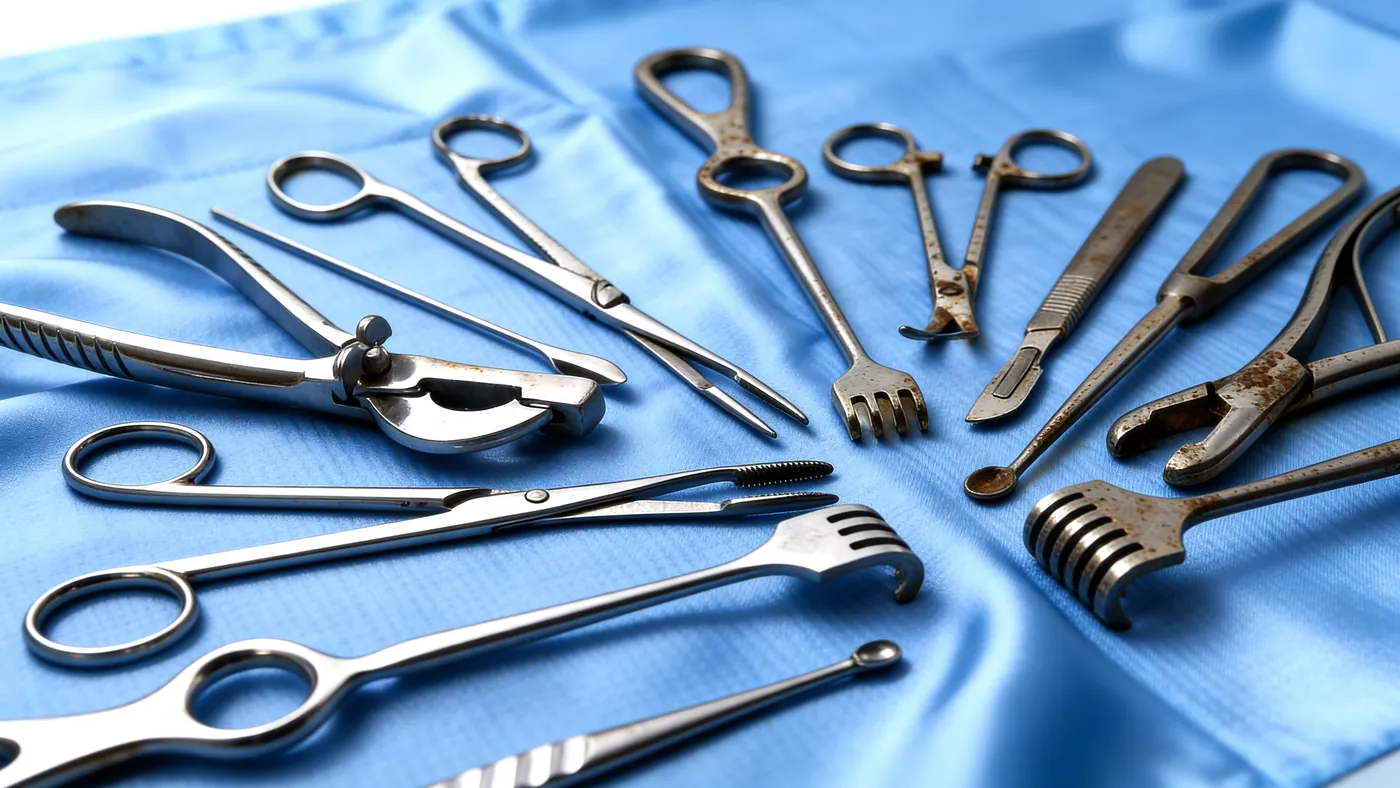 Parts and contaminants · 4 min readUltrasonic cleaning of veterinary surgical instrumentsBlood, hair and bone dust in box locks and serrations: how a veterinary practice cleans instruments before sterilisation, and the machines that fit.
 Parts and contaminants · 4 min readHow to clean petrol fuel injectors with ultrasoundPort and direct injectors clog at the filter basket and the nozzle. What an ultrasonic bath cleans, why the injector has to be pulsed for the inside, which parts come off first, and the flow test that proves the result.
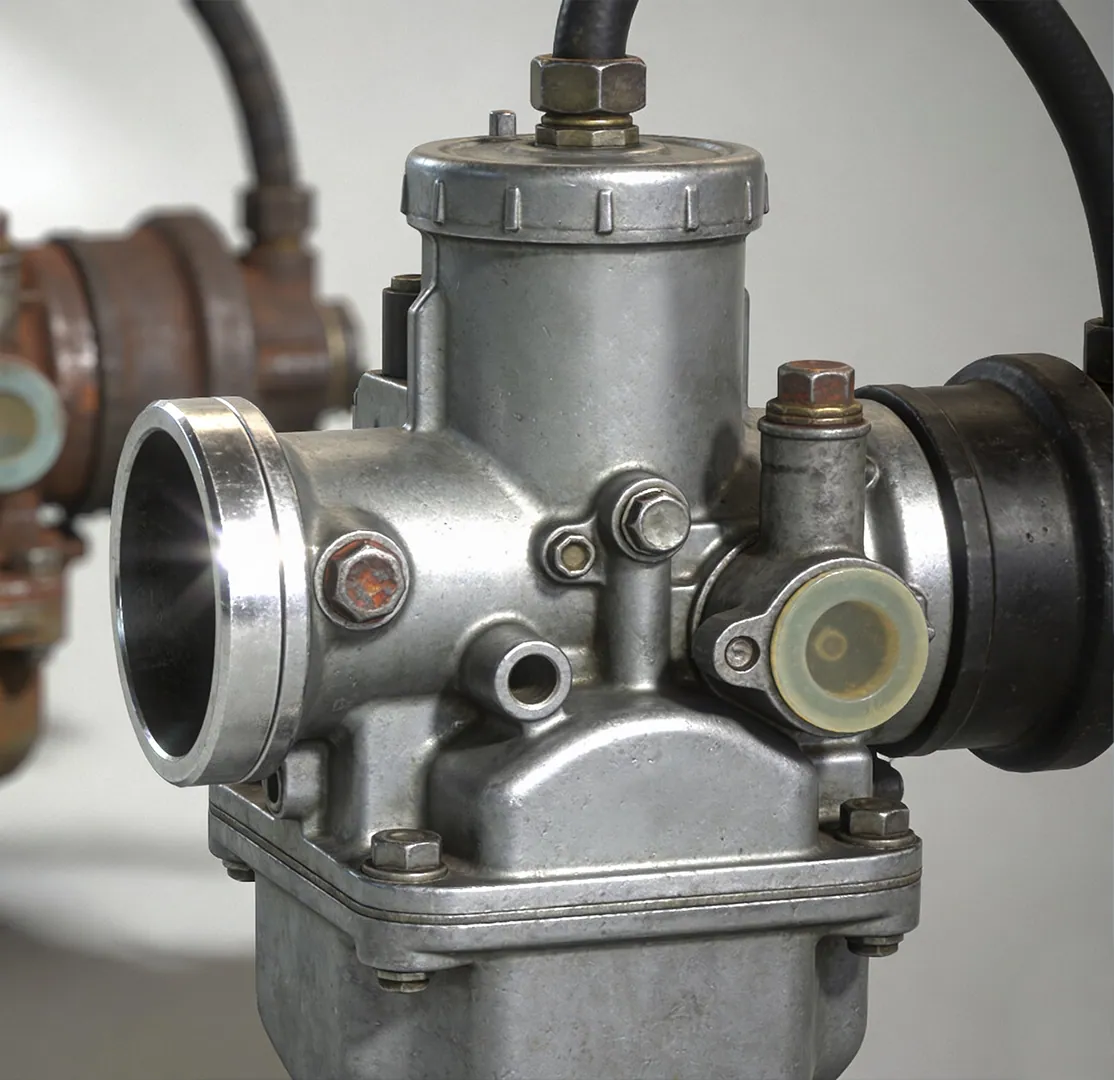 Parts and contaminants · 4 min readUltrasonic cleaning of carburettors: the complete processVarnish, gum and carbon out of jets, emulsion tubes and drillings without hours of wire and spray can. Strip-down, liquid, temperature, frequency and time for aluminium and zinc bodies, and what must never go in the bath.Parts and contaminants · 2 min readCleaning pedicure instruments before disinfectionNippers, files and pushers must be free of soil before a disinfectant or steriliser can work. What an ultrasonic bath removes, how a salon uses it, and the steps that follow it.
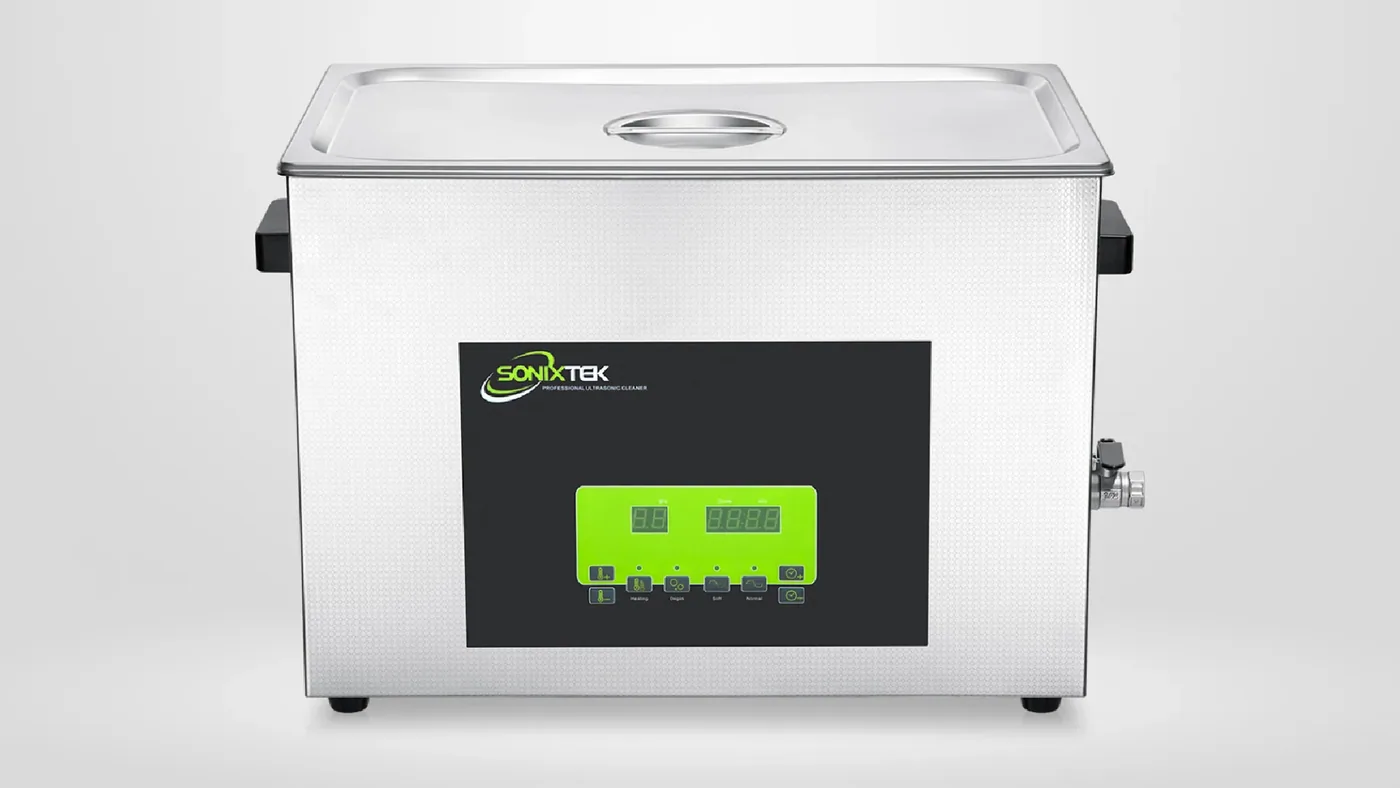 Parts and contaminants · 2 min readCleaning hairstyling tools before disinfectionCombs, clippers and scissors carry hair, product and skin residue that a disinfectant cannot reach through. A benchtop cleaner removes the soil first; disinfection follows as its own step.
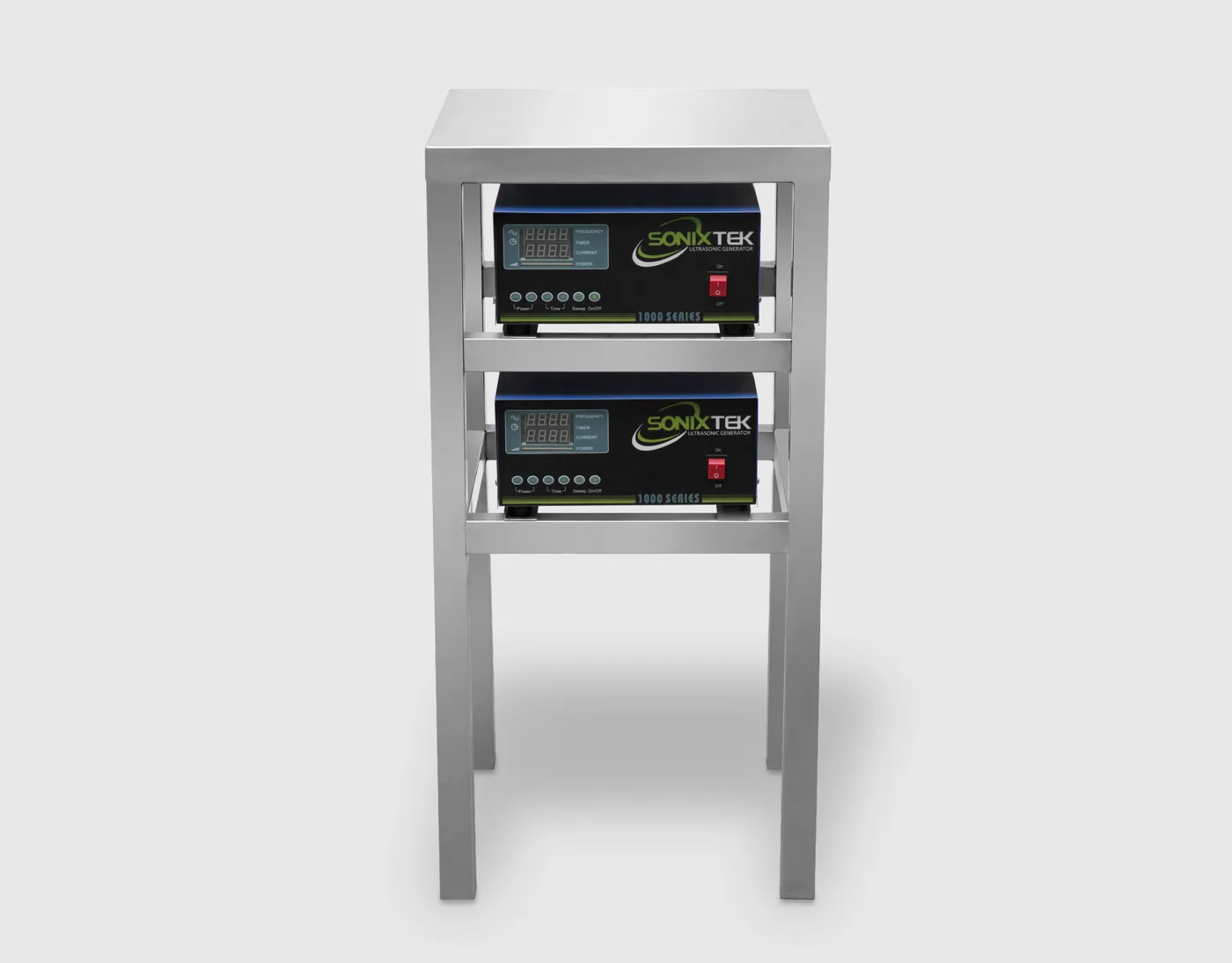 Ultrasonic cleaning basics · 3 min readUltrasonic power density: watts per litre, and why big tanks need fewerDivide the ultrasonic power by the tank volume and you get the figure that predicts how hard a tank cleans. Our range runs from about 9 to 40 W per litre, and the spread is deliberate. How to read the number when comparing machines.
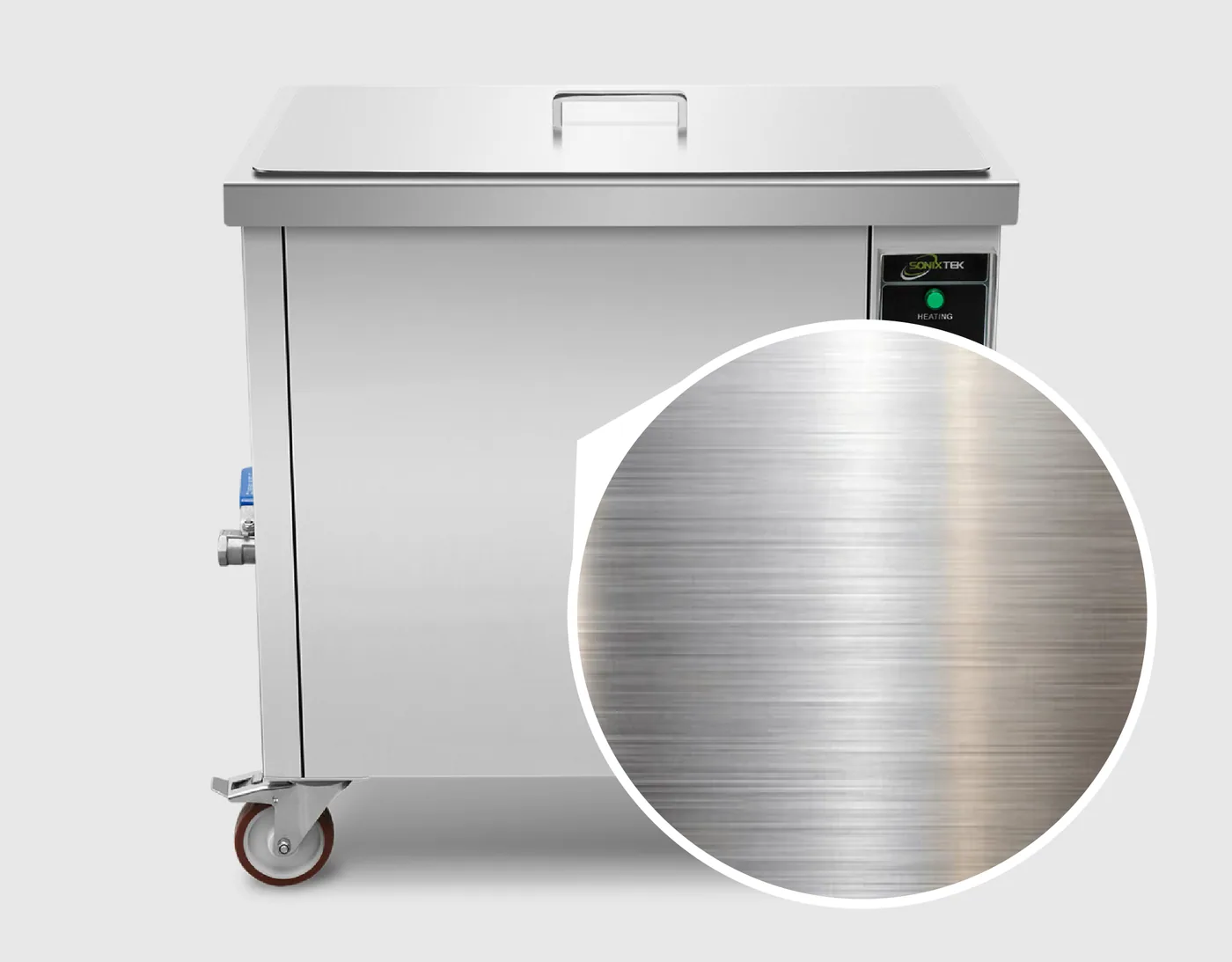 Choosing a machine · 2 min readHow to size an ultrasonic tankStart from the basket, not the litre figure: the part, the clearance, the batch and the heat-up time decide the tank.Ultrasonic cleaning basics · 3 min readDirect and indirect cleaning: parts in the bath, or in a beaker inside itDirect cleaning puts the part in the tank liquid; indirect cleaning puts it in a beaker or tray of its own liquid standing in the tank. Indirect keeps aggressive chemistry and small parts out of the main bath. When each makes sense.
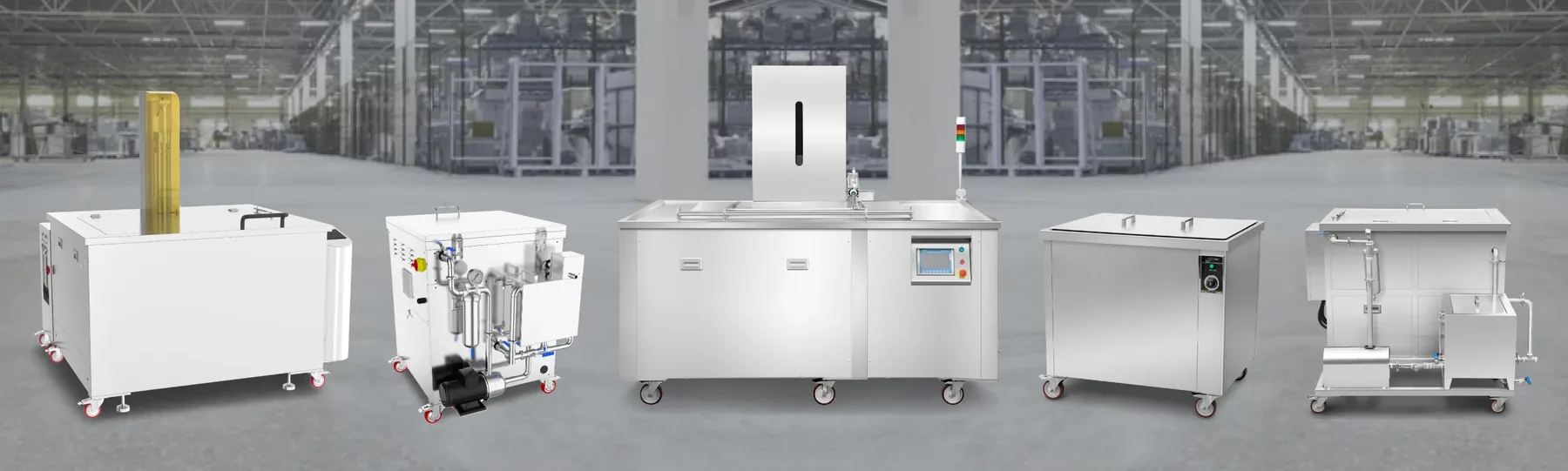 Choosing a machine · 3 min readBenchtop or industrial: where the 30-litre line sits and whyBelow 30 litres a benchtop cleaner on a 230 V socket does the job. Above it, the tank needs a frame, three-phase heating, a drain and a real basket. What changes at the boundary, with the figures from our STS, ST and UMX Pro ranges.Ultrasonic cleaning basics · 2 min readAnalog or digital generator?The same transducers, driven two different ways. What changes in daily use, and which one to specify.
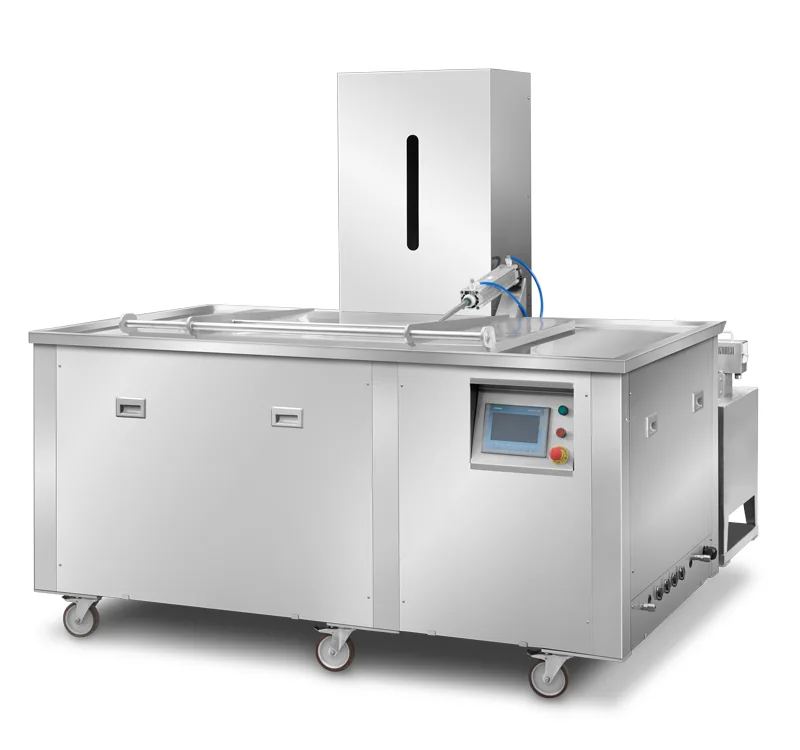 Ultrasonic cleaning basics · 17 min readUltrasonic cleaning explained: waves, cavitation, generators, tanks and featuresThe long version: how ultrasonic waves make cavitation, what frequency and temperature do, how generators and transducers are built, and which features matter in a tank.Choosing a machine · 2 min readChoosing the right ultrasonic cleaner: size, material, power and controlSize, frequency, power, tank material, timer and temperature control, brand and price: seven points to check before you choose a machine for the parts you clean.
Let's find the right fit
Not sure which size you need?
Send us the part, the quantity per hour and the soil you are removing. We will size the tank and the frequency with you.