
Choosing a machine · 3 min read · Updated 2026-09-25
Dryer tanks: the DT series after the wash and rinse
A hot-air drying tank the same size as the wash tank, so the basket goes from one to the other without repacking. What the DT series does, how long a basket takes to dry, and when a dryer is worth its floor space.
Technical guide. Figures are taken from our own spec tables; for your process we confirm the settings with a cleaning trial.
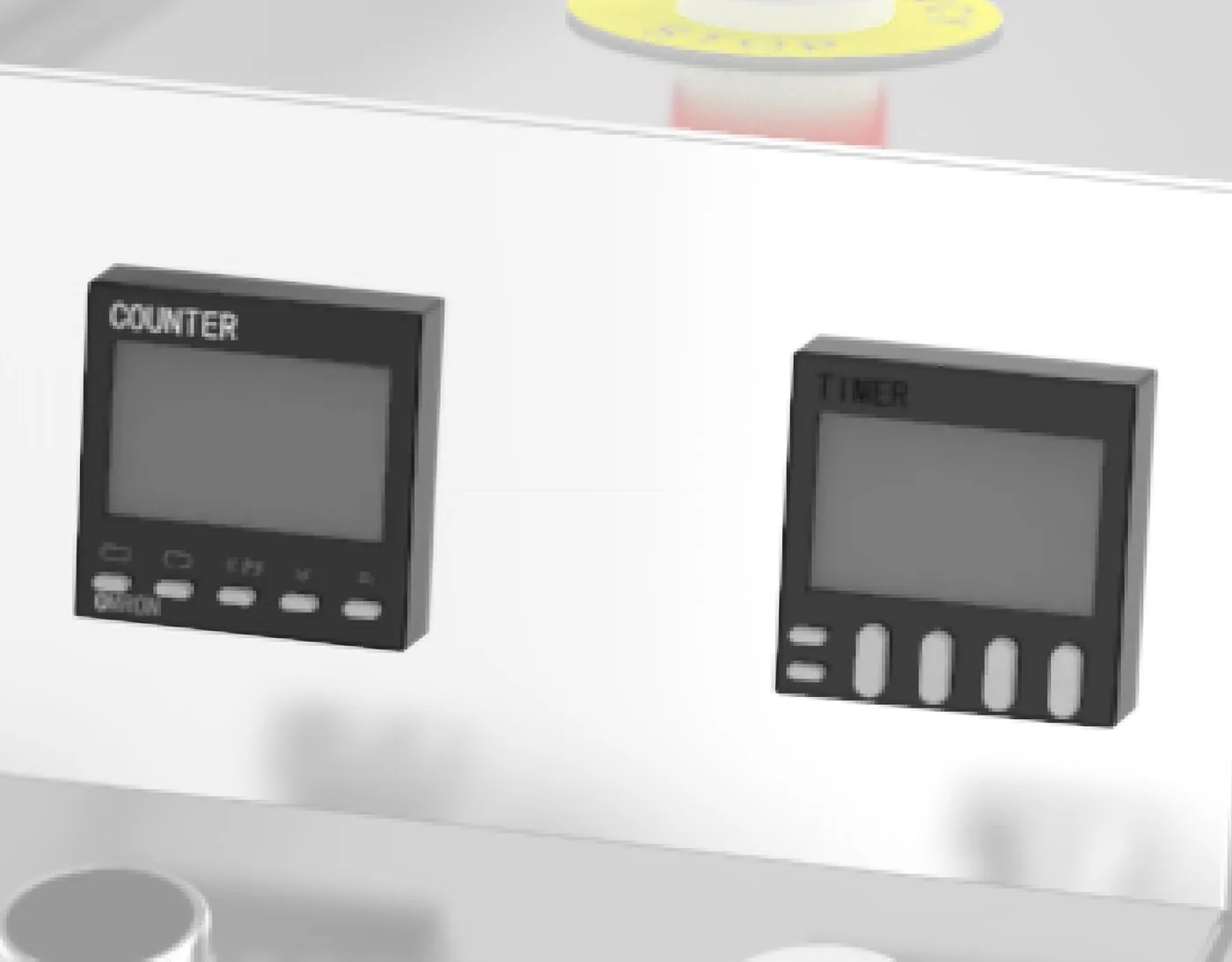
The last stage of a cleaning process is the one most often left out, and its absence shows: water spots, flash rust, a part that cannot be measured or coated until tomorrow. The DT series is a drying tank built to the same inside dimensions as the ST wash tanks, so a basket that came out of an ST-96 drops straight into a DT-96.
The range
| Model | Inside (L × W × D) | Matches | Heating | Load | Outside (L × W × H) |
|---|---|---|---|---|---|
| DT-96 | 600 × 400 × 400 mm | ST-96 | 3 kW | 100 kg | 1050 × 780 × 1050 mm |
| DT-206 | 750 × 550 × 500 mm | ST-206 | 6 kW | 100 kg | 1230 × 940 × 1200 mm |
| DT-300 | 900 × 600 × 560 mm | ST-300 | on request (air to 100 °C) | 125 kg | 1250 × 900 × 1200 mm |
A heating turbine draws air over the elements and drives it through the basket from below; the air leaves through the lid, which has the diamond profile that lets condensate run to the edge rather than drip back onto the parts. A digital thermostat sets the air temperature between 30 and 100 °C, and a timer ends the cycle.
How long a basket takes
Drying is evaporation, and evaporation needs heat delivered to the water and air to carry the vapour away. Three things set the time:
- How much water came in. A basket drained for a minute over the rinse tank carries far less than one lifted straight across. Parts with cups and blind holes facing up carry the most; see loading.
- How hot the parts are. Parts out of a 60 °C rinse dry in half the time of parts out of a cold one, because they bring their own heat.
- Air temperature. 80 °C for steel and cast iron; 60 °C for aluminium assemblies with seals, plastics and electronics.
Typical figures: a basket of steel parts, drained, from a warm rinse, 5 to 10 minutes at 80 °C in a DT-96. Dense loads and deep blind holes, 15 to 20 minutes. Parts with pockets that hold water, turn them at half time.
When a dryer earns its space
- Bare steel. Wet steel in warm air flash-rusts within an hour. Drying within minutes, plus an inhibitor in the rinse, stops it.
- Parts that go to measurement, assembly or coating the same day. A wet part waits; a dry part moves.
- Water spots. A part air-dried from tap water shows every mineral in it. Demineralised rinse plus hot air leaves nothing.
- Throughput. Compressed-air blow-off on a basket of parts takes one person ten minutes; a dryer takes ten minutes of nobody's time.
When the parts are handled or machined again straight after cleaning, or the shop is warm and the parts open, a dryer is not needed and a drip rack does the job.
In a line
The single-tank layout is ST wash, ST or sink rinse, DT dry, with a hoist between them. The three tanks stand in a row with the DT at the end, and the basket passes down the row in 15 to 30 minutes end to end. For higher volume the same stations go under a carriage in an MT multi-tank line, with the dryer as the last station and the carriage doing the moving; the multi-tank article covers it. The MT-75 has wash, rinse and dry for small parts in one frame.
Running it
The heater is the cost; 3 to 6 kW while it runs, on a timer so it stops when the cycle ends. The turbine's inlet filter is cleaned monthly. Condensate that collects at the lid edge is wiped or drains to a tray. And the dryer, like the wash tank, gets a lid when it is idle, or it heats the room.