
Parts and contaminants · 2 min read · Updated 2024-10-31
Ultrasonic cleaning for automotive parts: what it does well
Carbon, grease and road dirt off engine parts without hand scrubbing: where ultrasonic cleaning earns its place in a workshop.
Technical guide. Figures are taken from our own spec tables; for your process we confirm the settings with a cleaning trial.
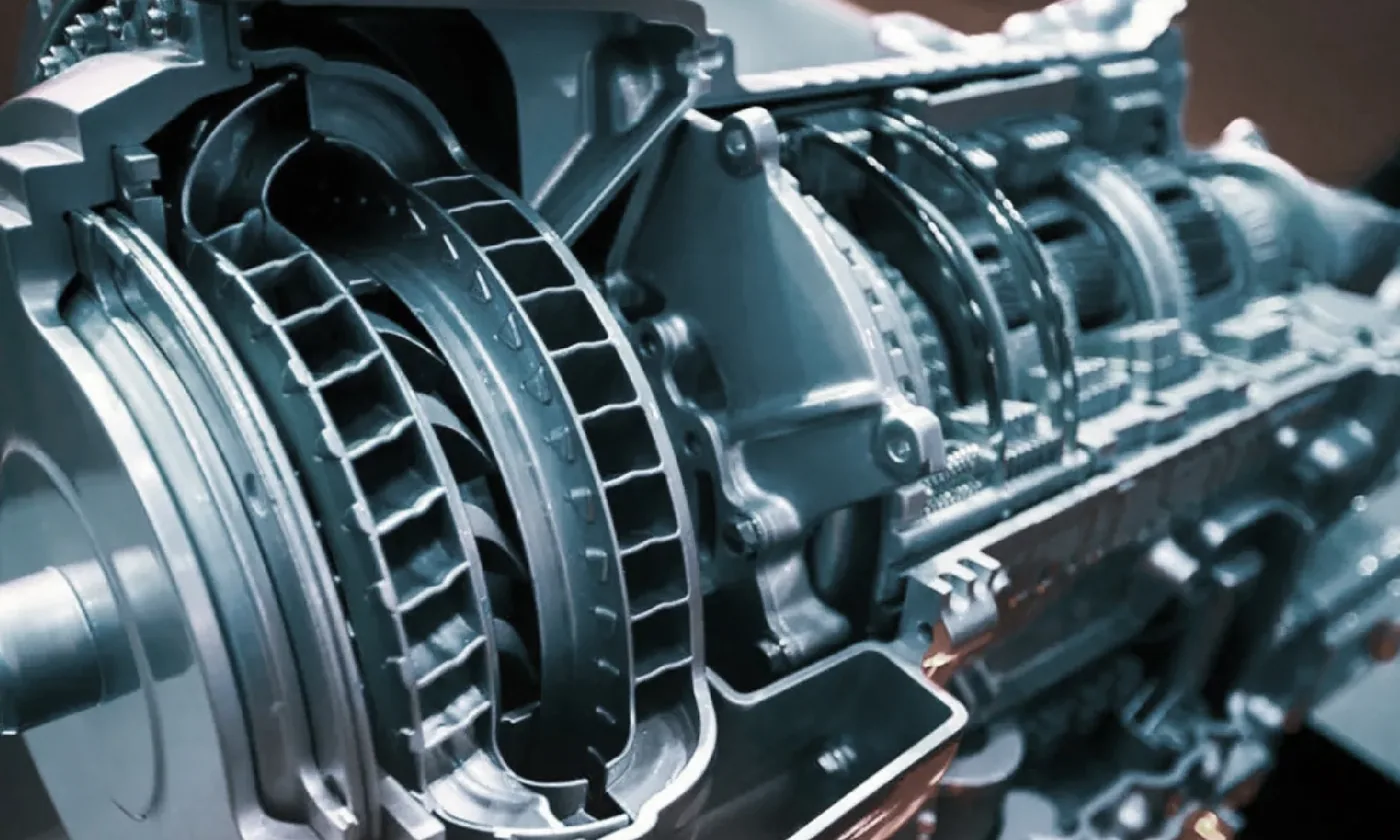
People commonly use ultrasonic cleaning to efficiently and effectively clean various types of parts, including automotive components, in many industries, including the automotive sector. In this article, we will discuss these pros in detail.
Pros of using ultrasonic cleaning for automotive parts
- Efficient Cleaning Ultrasonic cleaning is a highly efficient cleaning method. It uses high-frequency sound waves to create tiny bubbles in the cleaning solution, which then collapse and release energy, creating a scrubbing effect that removes dirt, grease, and other contaminants from the surface of the parts. This process cleans parts thoroughly and quickly, reducing the time required for cleaning.
- Gentle Cleaning Ultrasonic cleaning suits many delicate automotive parts. It needs no abrasive scrubbing, and a mild cleaner is often enough. With the right frequency, time and temperature it cleans without harming the part; soft alloys, polished or coated surfaces and some electronic parts can still be marked, so test a sample part first.
- Consistent Cleaning With the same load, time, temperature and chemistry, every batch gets the same treatment, so results are repeatable. Cavitation reaches crevices, threads and blind holes that a brush misses, provided the liquid can get in and the air can get out. Heavy carbon or baked-on deposits may need a stronger cleaner, a longer cycle or a pre-soak.
- Less Solvent Use Ultrasonic cleaning works with aqueous cleaners, many of them biodegradable, instead of solvent baths, and one bath lasts many cycles when oil is skimmed off and particles are filtered out. The spent bath is still industrial waste: it carries oil, grease and metal particles from the parts and must be disposed of properly, in line with local rules.