

Topics
Articles about: Sweep
8 articles
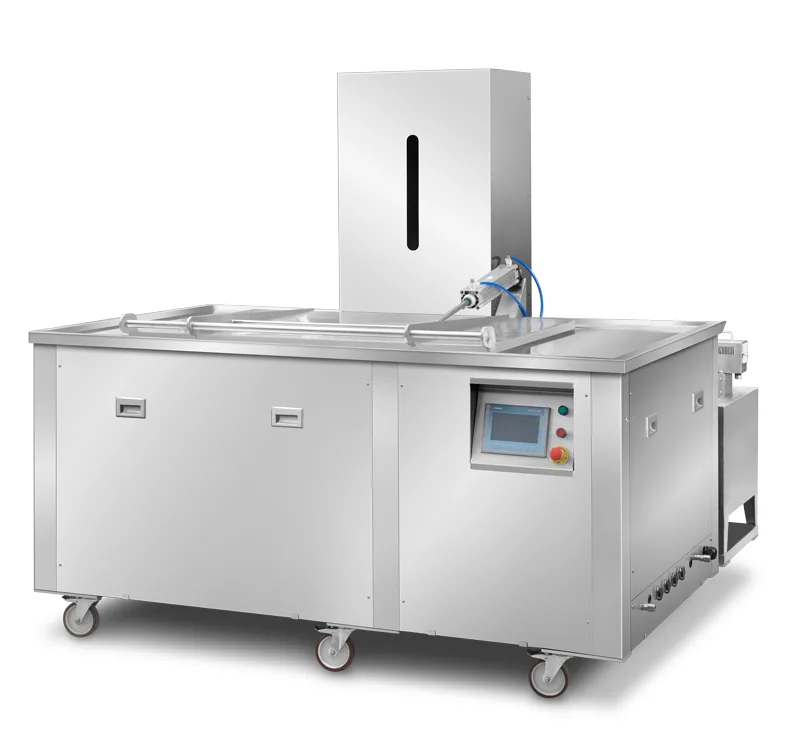 Ultrasonic cleaning basics · 7 min readUltrasonic cleaning explained: cavitation, frequency, temperature and equipmentThe long version. How a sound field makes cavitation, what frequency, power and temperature change, how the cleaner fits in, what the generator, transducers and tank do, which functions matter, and which type of machine suits which work.
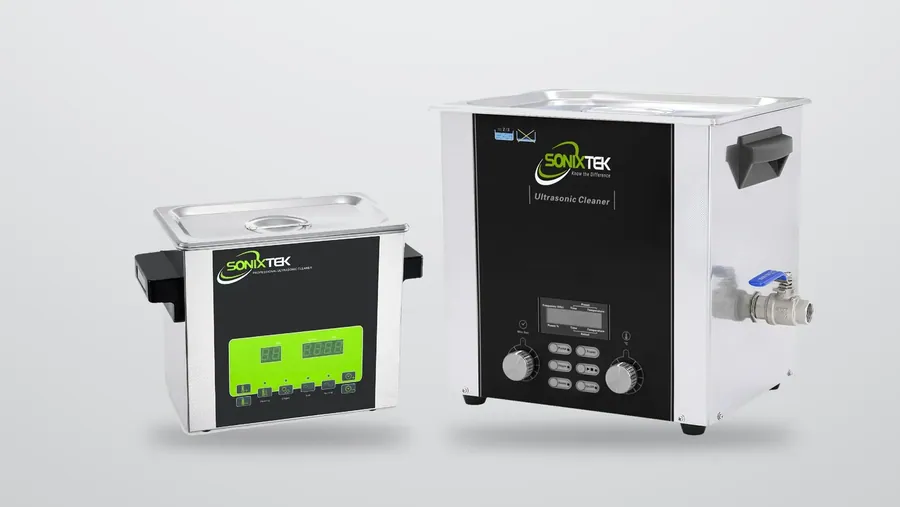 Choosing a machine · 9 min readSTS or SX: which benchtop ultrasonic cleaner for a workshopSTS and SX are both heated benchtop cleaners with degas and sweep. The SX adds power steps, pulse, memory and IP54. How to choose for workshop parts.
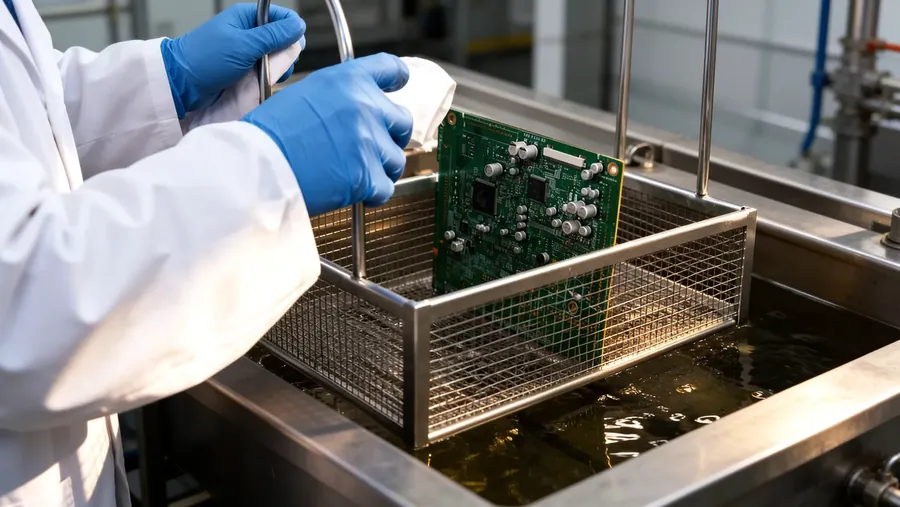 Parts and contaminants · 4 min readCleaning precision electronics without damageWhich electronic components tolerate ultrasound and which do not, and how frequency, power, time, support and a sample test keep a cleaning process safe.
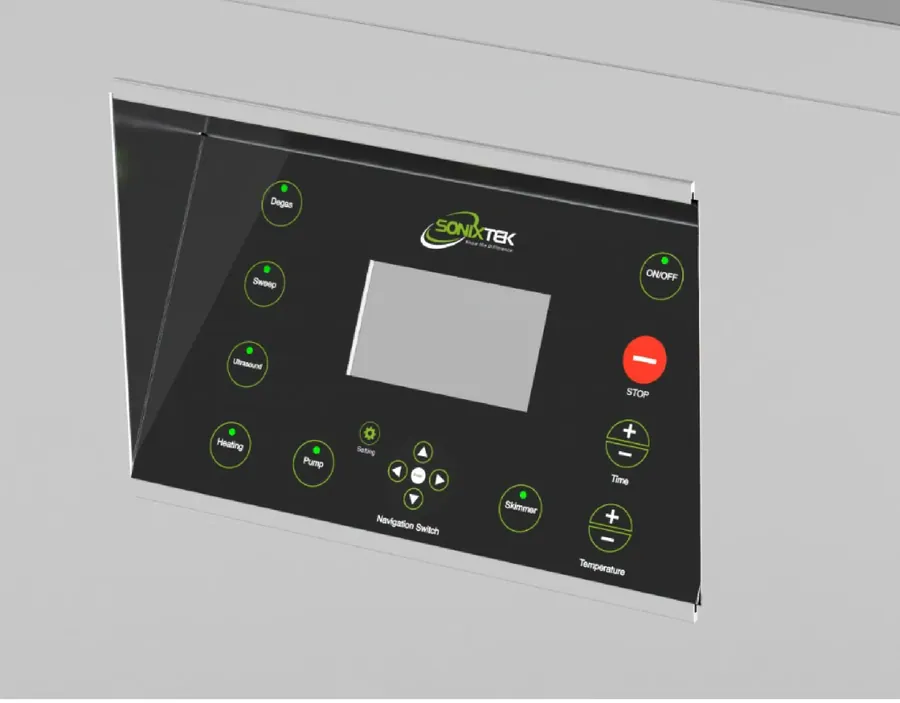 Choosing a machine · 3 min readUMX Pro or ST series: two ways to build a 100-litre cleanerThe ST series is a floor tank with a separate generator cabinet; the UMX Pro is a cabinet with everything inside and a digital control panel. Same physics, different shop. Where each fits, with the overlapping models compared.
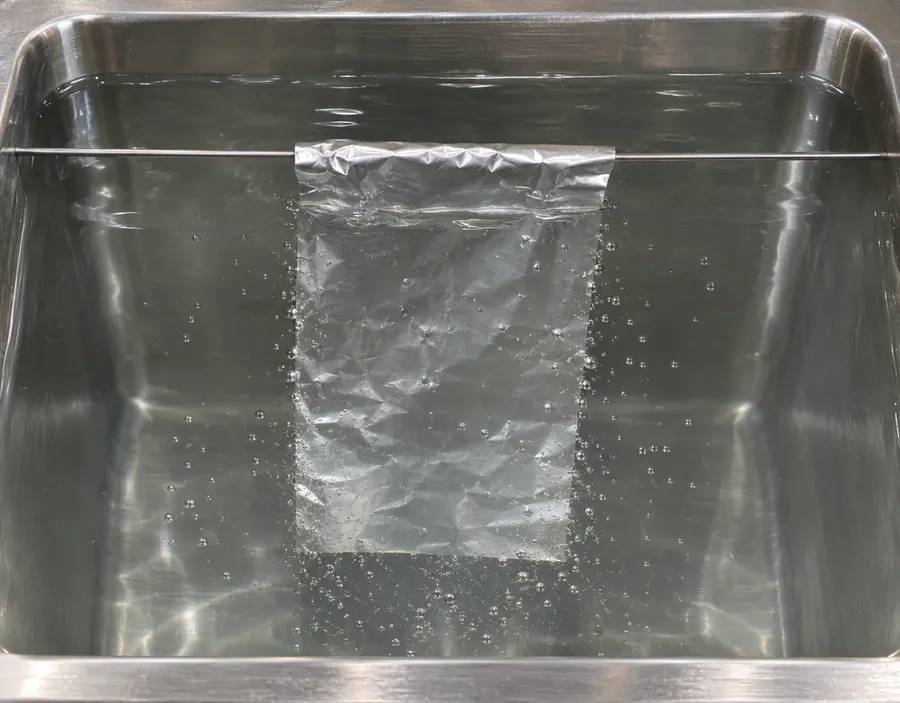 Operation and maintenance · 3 min readThe foil test: a one-minute check of cavitationA sheet of household aluminium foil in the bath for sixty seconds shows where the tank cleans and where it does not. How to run it, what the hole pattern means, and how to use it as the acceptance test for a new machine and the monthly check for an old one.
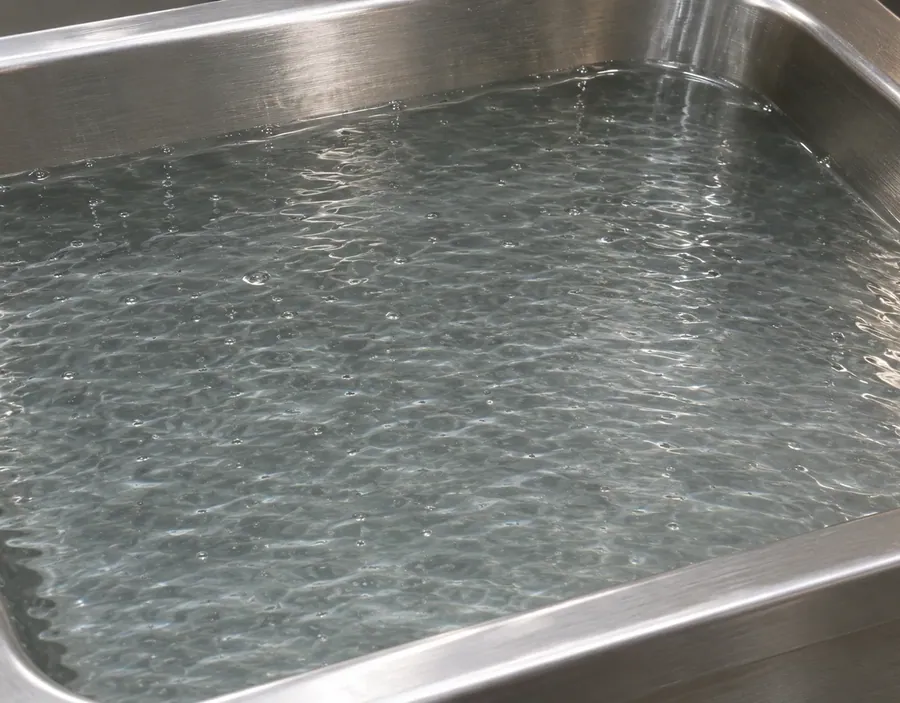 Ultrasonic cleaning basics · 3 min readSweep and degas: what the two buttons on a digital generator doSweep moves the frequency a little either side of nominal so no part sits in a dead spot; degas drives dissolved air out of a fresh bath so cavitation can start. When to use each, and what happens if you do not.
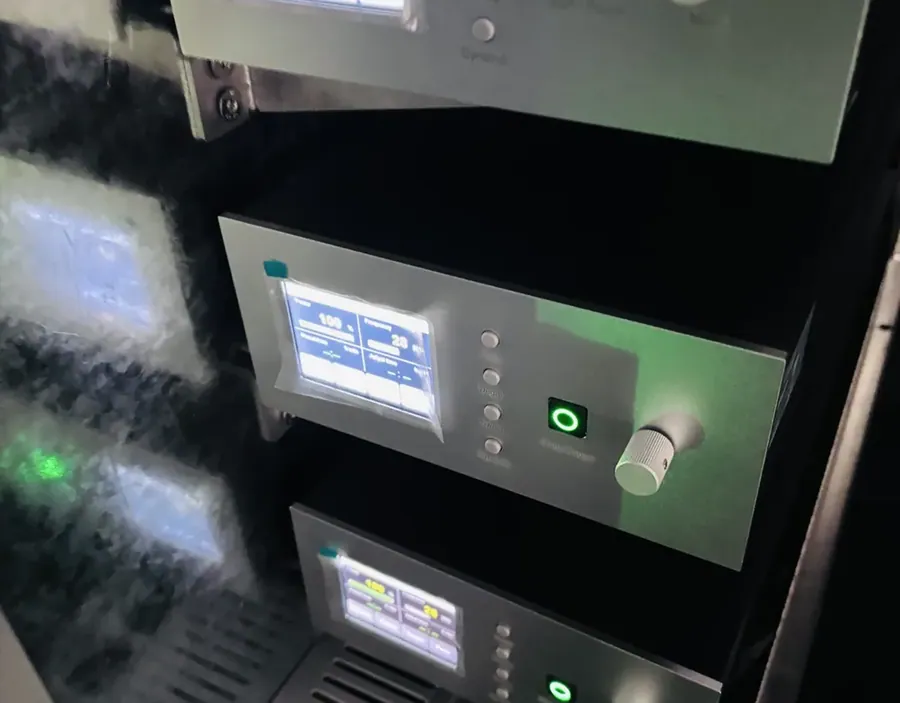 Ultrasonic cleaning basics · 2 min readAnalog or digital generator?The same transducers, driven two different ways. What changes in daily use, and which one to specify.
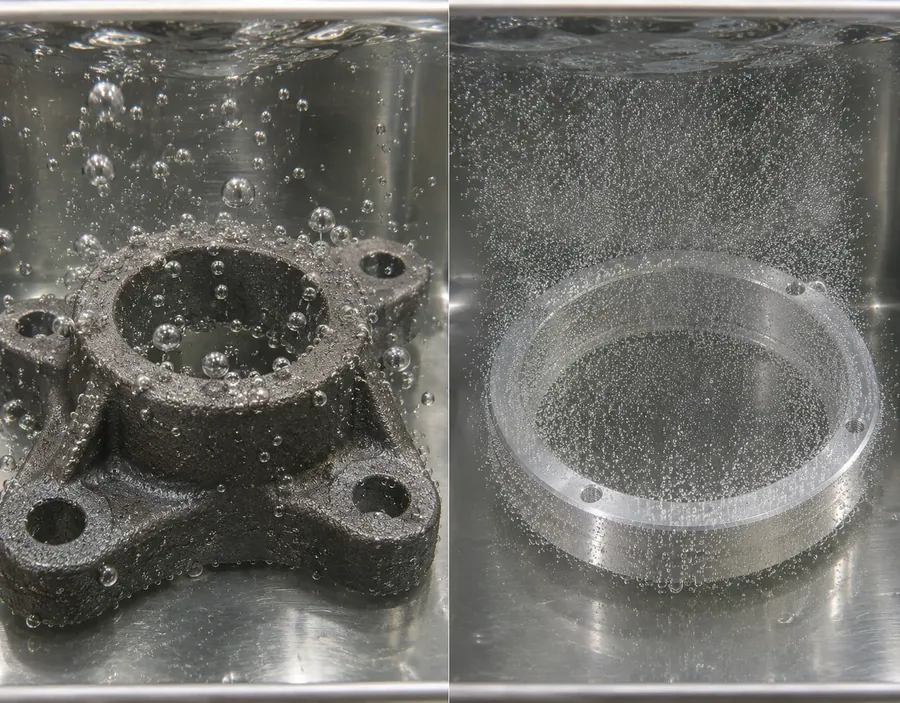 Process and parameters · 2 min read28 kHz or 40 kHz: which frequency cleans your part?Lower frequency hits harder, higher frequency reaches further. The part, the soil and the surface decide.
Let's find the right fit
Not sure which size you need?
Send us the part, the quantity per hour and the soil you are removing. We will size the tank and the frequency with you.