Industries · 5 min read · Updated 2024-10-31
Ultrasonic cleaning in the chemical and laboratory industry
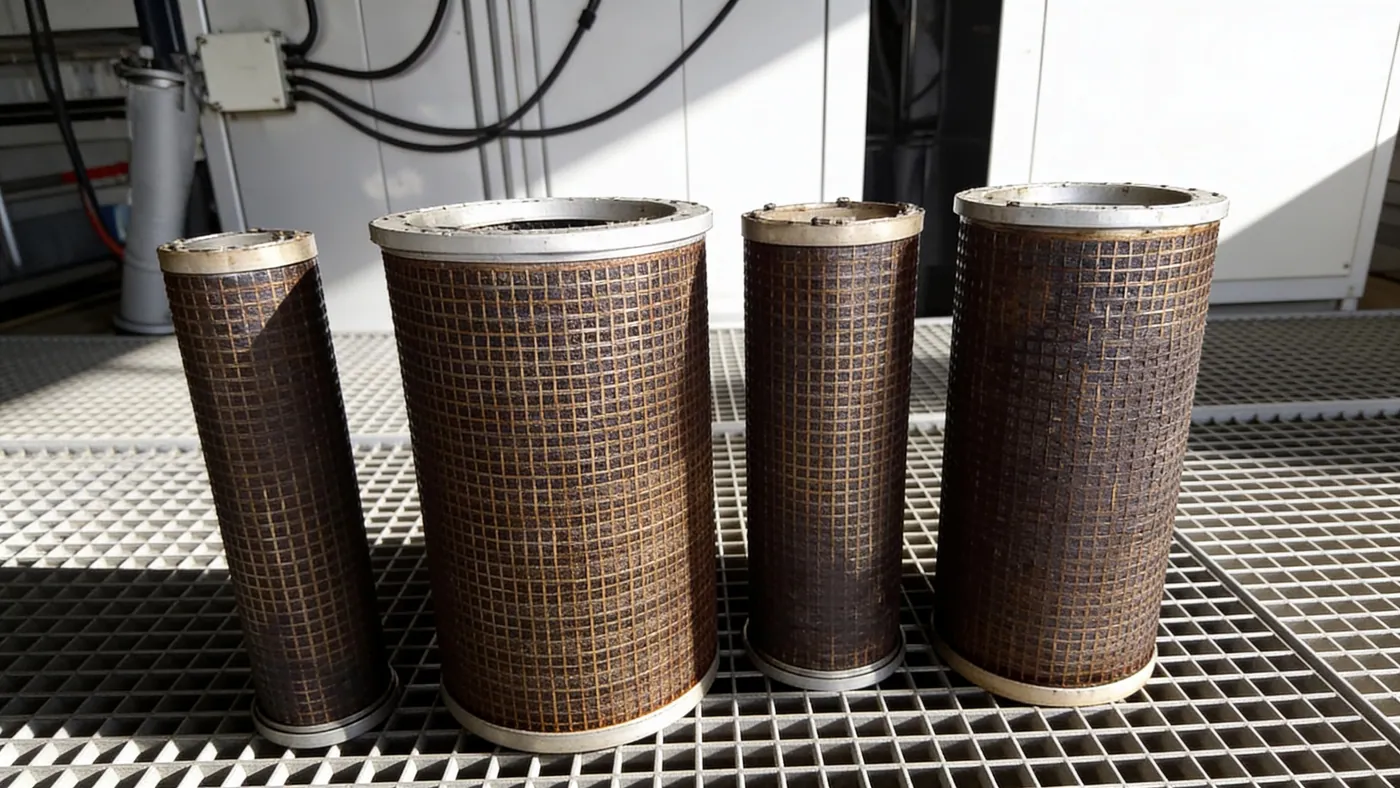
Glassware, reactor and mixing parts, pipettes, filters and membranes: cleaning in the chemical and laboratory industry, with the contaminants that come off.
Technical guide. Figures are taken from our own spec tables; for your process we confirm the settings with a cleaning trial.

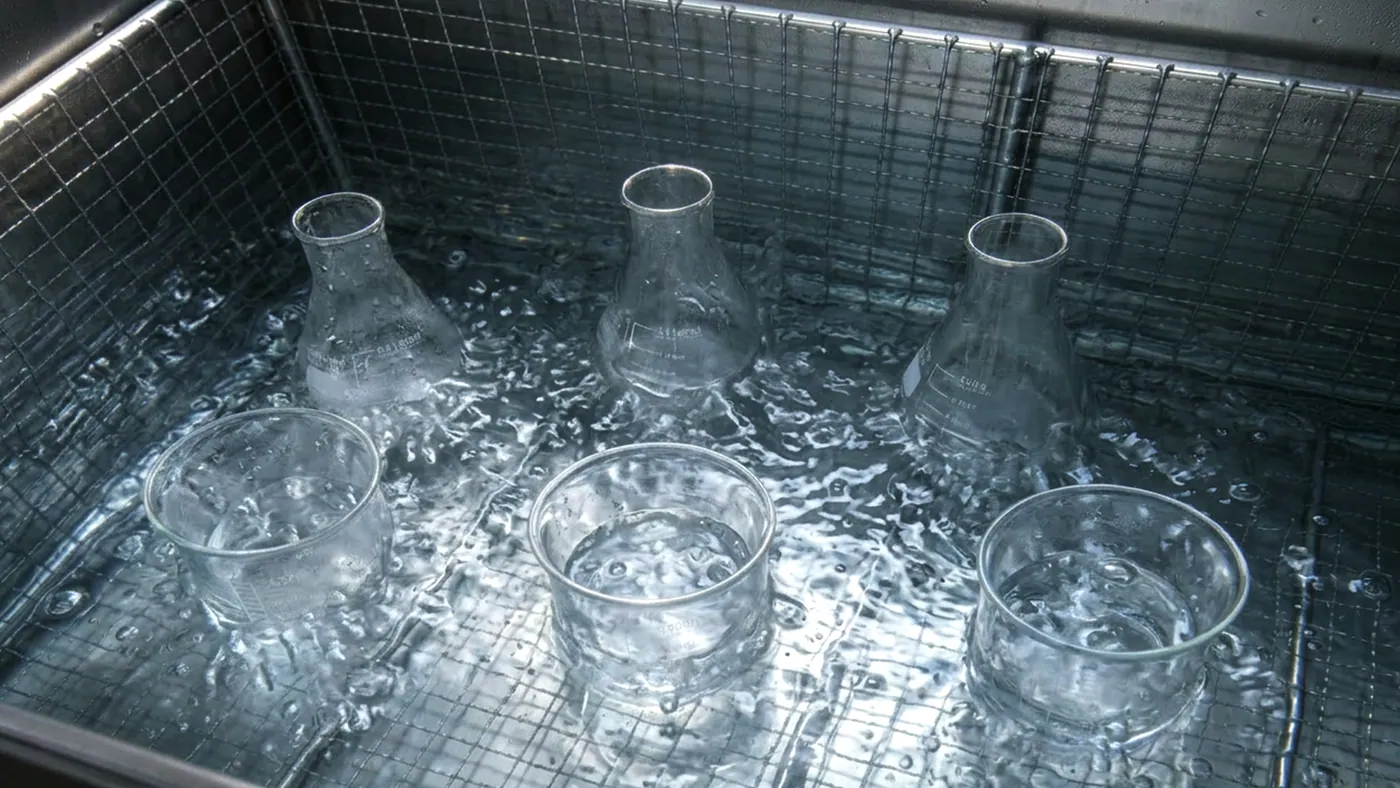
The chemical industry rapidly adopts ultrasonic technology, revolutionizing cleansing and quality assurance procedures. Using high-frequency sound waves, industrial ultrasonic cleaning creates microscopic cavitation bubbles within a cleaning solution, generating powerful cleaning forces upon contracting. These forces facilitate the elimination of contaminants and impurities from various components and apparatus, ensuring that they conform to stringent industry standards.
Ultrasonic technology has become indispensable in the chemical industry for maintaining the cleanliness and integrity of critical apparatus such as reactors, pipelines, and laboratory glassware. It contributes to product quality and safety by reducing the risk of cross-contamination and enhancing operational efficiency.
Moreover, this technology's adaptability extends to various chemical substances, ranging from corrosive acids to delicate pharmaceutical compounds, making it an ideal option for many applications. Furthermore, as the chemical sector evolves, industrial ultrasonic cleansing continues to be a key driver of enhanced efficiency, product quality, and regulatory compliance.
Applications and comparison of traditional methods vs ultrasonic cleaning

Laboratory glassware
Traditional Cleaning: Involves manual scrubbing and rinsing with detergents and brushes.
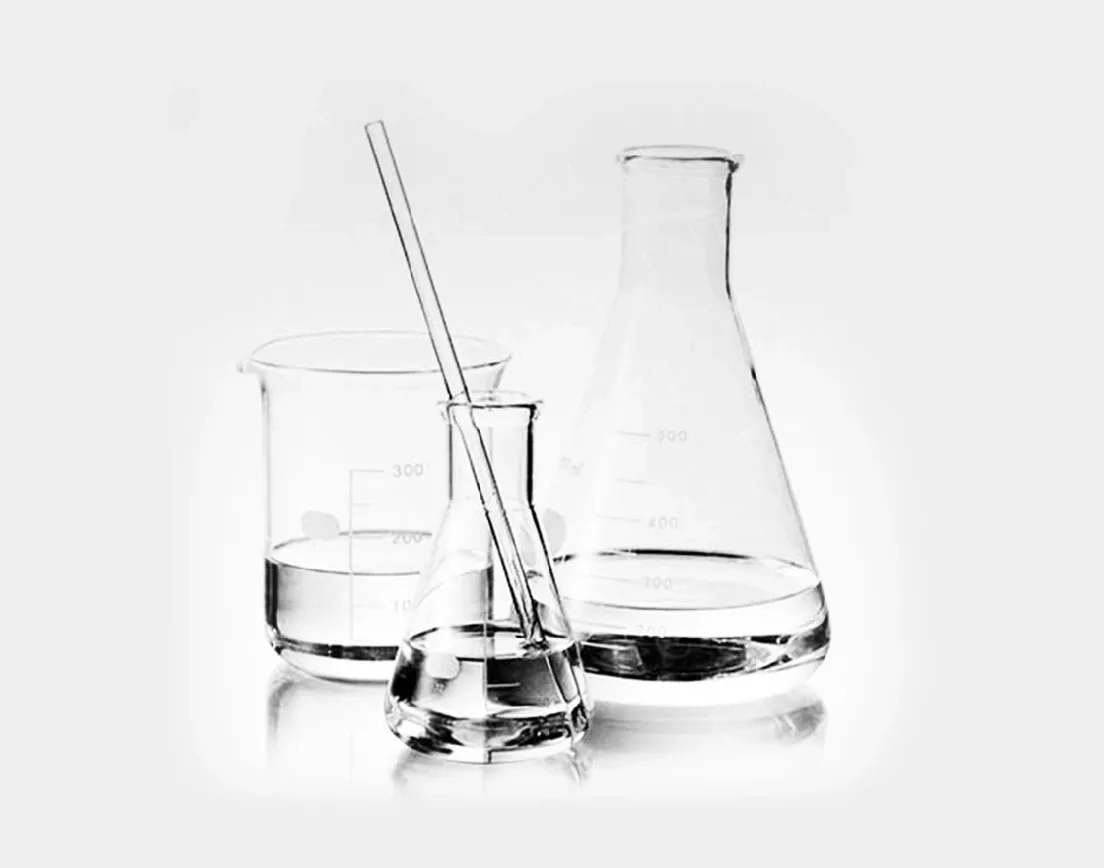
Ultrasonic Cleaning: Furthermore, it employs high-frequency sound waves to create cavitation bubbles that thoroughly remove contaminants from glass surfaces, ensuring superior cleanliness and precision.
Pharmaceutical manufacturing
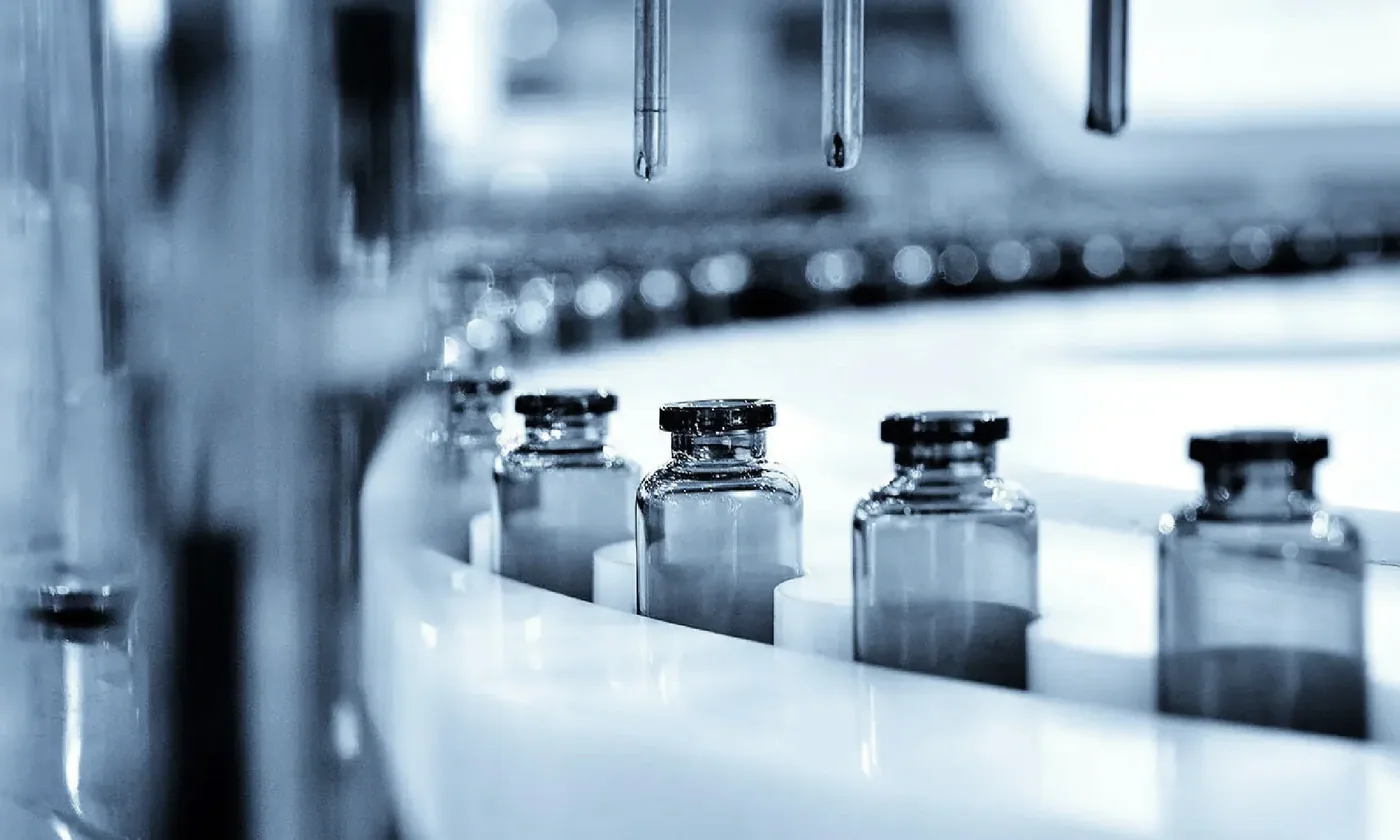
Traditional cleaning in pharmaceutical manufacturing often involves manual or automated processes that rely on chemical detergents and mechanical scrubbing to remove contaminants from equipment and components.
Ultrasonic cleaning in pharmaceutical manufacturing employs high-frequency sound waves in a cleaning solution to create microscopic cavitation bubbles, effectively and thoroughly removing contaminants from critical equipment, vials, and other components with minimal physical contact.
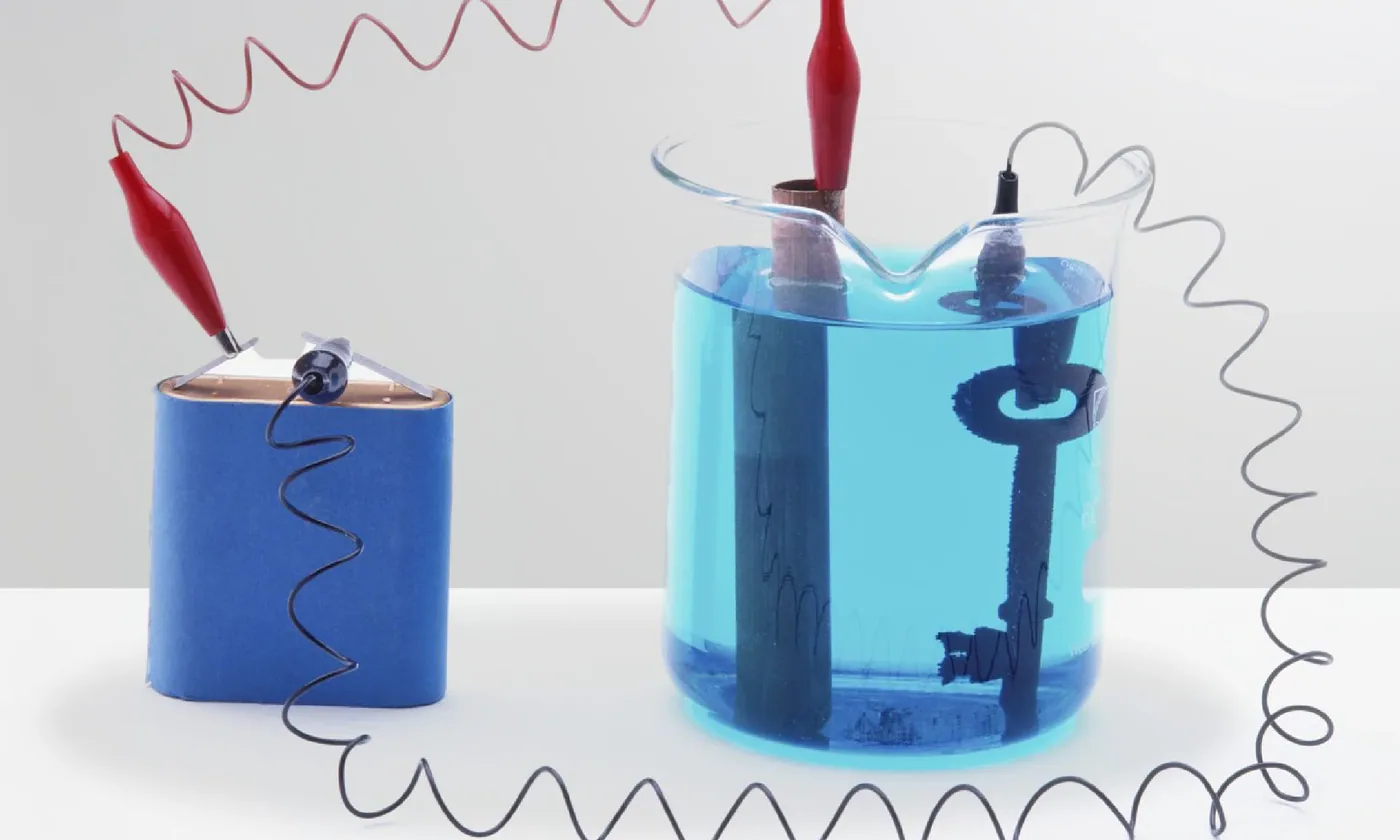
Electroplating and surface treatment
Traditional Cleaning: Chemical baths or abrasive methods are employed to manually remove contaminants from substrates.
Ultrasonic Cleaning: Ultrasonic technology, in addition, employs high-frequency sound waves to generate cavitation bubbles in a cleaning solution, effectively and thoroughly removing contaminants from intricate and fragile parts.

Mixing and reaction vessels
Traditional Cleaning: Manual scrubbing and chemical solvent application to remove residues from mixing and reaction vessels.
Ultrasonic Cleaning: Using high-frequency sound waves in a cleaning solution to efficiently and thoroughly remove contaminants from mixing and reaction vessels.

Pipettes and dispensers
Traditional Cleaning: Manual scrubbing with brushes and chemical solutions.
Ultrasonic Cleaning: Submerging in an ultrasonic bath, thus utilizing specialized cleaning agents, leads to thorough and efficient cleaning.

Filters and membranes
Traditional cleaning for filters and membranes often involves manual scrubbing, backwashing, or chemical soaking.
Ultrasonic cleaning, on the other hand, utilizes high-frequency sound waves to create microscopic cavitation bubbles, thus effectively and thoroughly removing contaminants from filter surfaces.
Overview of contaminants affecting chemical components: causes, effects, and solutions
Microbial growth
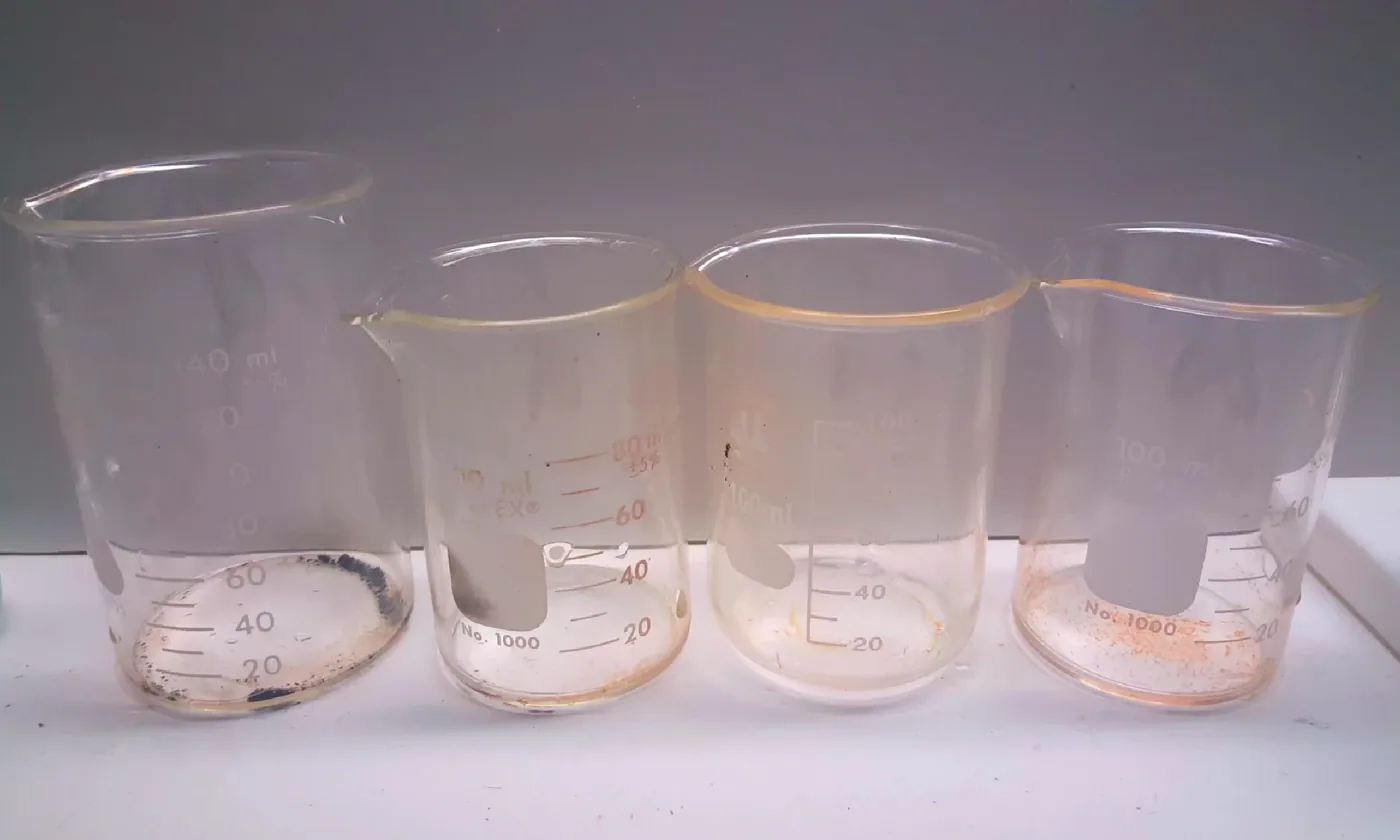
Microorganisms grow where moisture and organic residue remain, for example in rinse water left standing in a vessel or in residues that were not fully removed. Ultrasonic cleaning removes the residue they live on, but it does not disinfect: where the process requires it, add a separate disinfection step after cleaning, with a suitable antimicrobial agent or disinfectant.

Particulate matter
During manufacturing or handling, dust, fibers, and other particles can infiltrate components. Prior to ultrasonic cleaning, components should be meticulously cleaned to reduce the presence of loose particulates.
Chemical residues
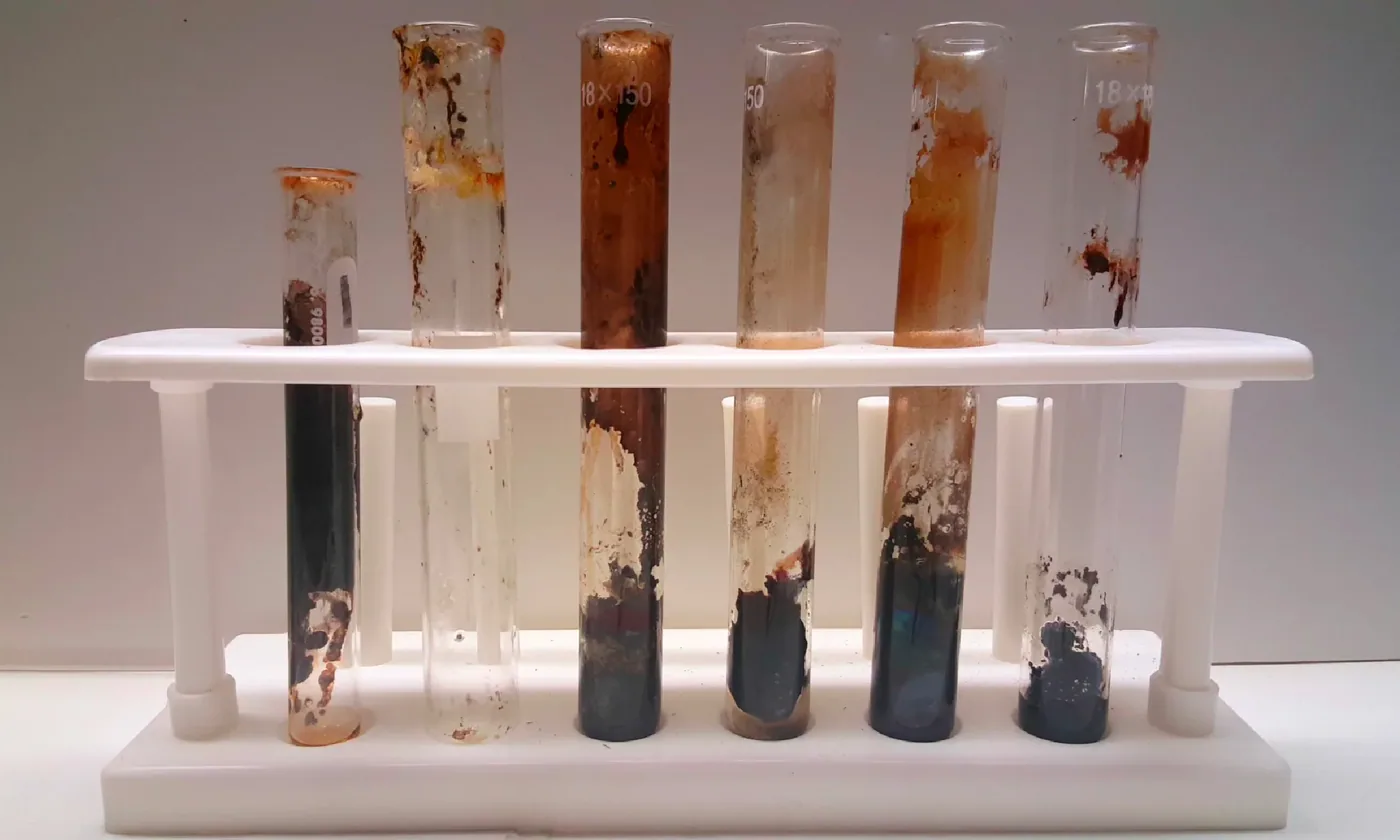
Components may contain chemical residues from cleansing agents, solvents, or manufacturing processes. However, with thorough post-cleaning validation and rinsing processes, these residues can be effectively eliminated.

Biological materials
Proteins, fats, starches and other organic residues stick to food-contact parts such as nozzles, filling valves and moulds, and to laboratory parts such as sample holders, fittings and fermentation hardware. An alkaline or enzymatic cleaner suited to the residue, with ultrasound, removes them from surfaces, threads and crevices. Cleaning does not disinfect: where the process requires it, disinfection is a separate step after cleaning and rinsing.
Effects of contamination on chemical components
- Product contamination: Microbial growth in a vessel or line can spoil a batch or carry over into the next one.
- Reduced functionality: Particulate matter and chemical residues can block filters, pipettes and dispensers and upset dosing accuracy.
- Cross-contamination: Residues of a previous product or cleaning agent can react with or contaminate the next batch.
- Equipment faults: Deposits can make valves, sensors and dispensers malfunction, which stops the process or produces off-specification batches.
Advantages of using industrial ultrasonic cleaners in the chemical industry
- Precision Cleaning: Ultrasonic cleaners effectively eliminate contaminants from intricate and complex components, ensuring their precise purity. Additionally, they provide a reliable and efficient solution for achieving optimal cleanliness.
- Reduced Manual Labor: They automate the cleansing procedure, consequently reducing the need for extensive manual labor and saving time.
- Versatility: Ultrasonic cleaning, in addition to its wide material compatibility, excels at removing various contaminants, including oils, greases, and residues.
- Enhanced Productivity: Faster cleansing cycles result in increased production productivity and decreased downtime.
- Consistency: With the same time, temperature and chemistry, every batch gets the same cleaning, which supports consistent product quality.
- Environmental Safety: Many ultrasonic cleaning solutions are eco-friendly and reduce the use of harmful chemicals, thereby supporting environmental sustainability objectives.
- Cost Savings: Reduced labor, chemical consumption, and remedial expenses contribute to overall cost savings.
- Safety and Compliance: A defined, repeatable cleaning step is easier to document against industry cleanliness and safety requirements.
- Enhanced Product Lifespan: Ultrasonic cleaning can increase the durability of vital components and equipment.
- Innovative Technology: Continuous innovations in ultrasonic technology continue to provide new features and enhanced cleaning capabilities.
In conclusion, the purpose of the chemical industry in the ultrasonic cleaning sector is to provide the necessary chemical solutions and knowledge to optimize cleaning procedures. These solutions facilitate a vast array of applications across industries, thereby contributing to enhanced productivity, product quality, and adherence to industry-specific regulations.