

Topics
Articles about: Transducers
6 articles
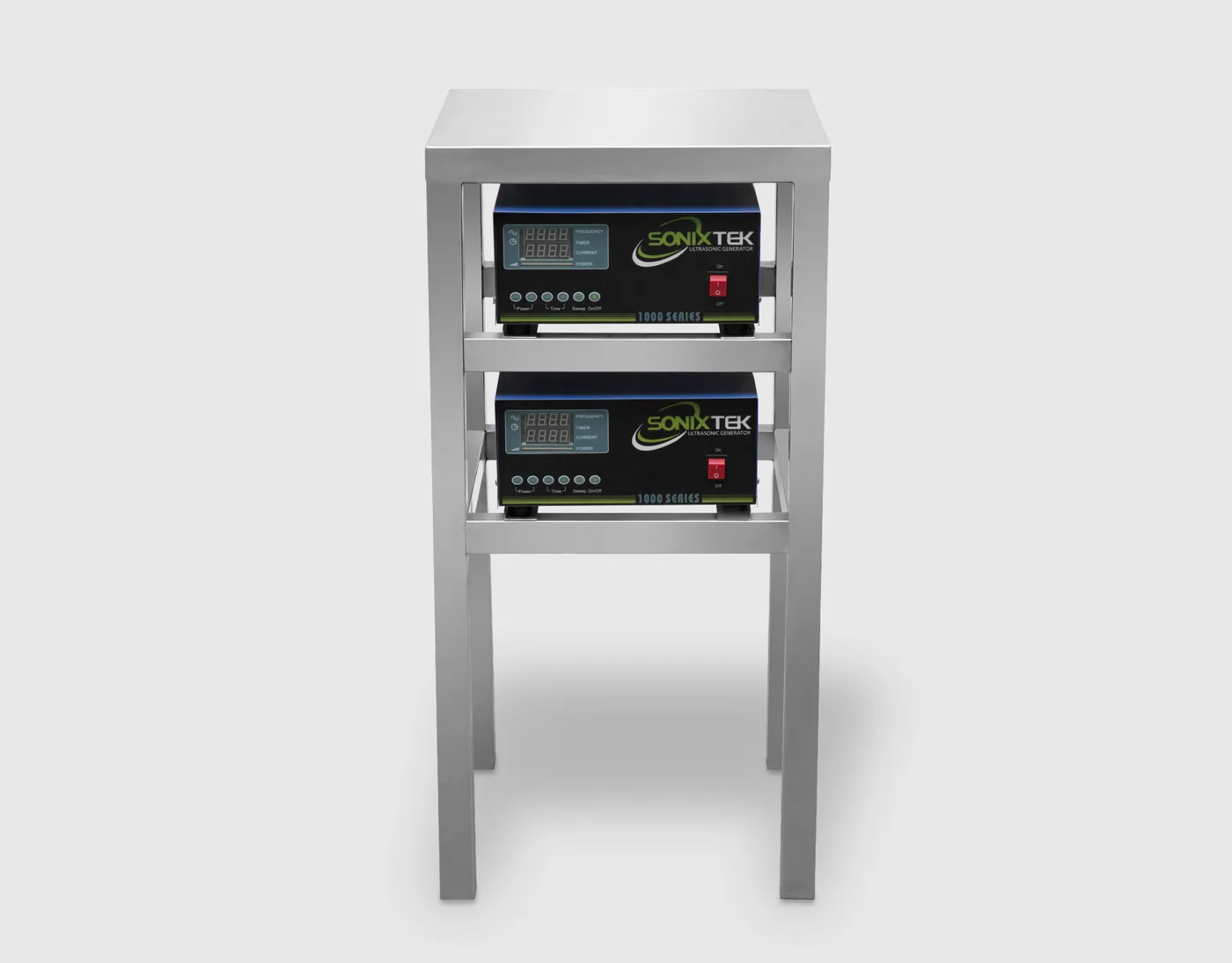 Ultrasonic cleaning basics · 3 min readUltrasonic power density: watts per litre, and why big tanks need fewerDivide the ultrasonic power by the tank volume and you get the figure that predicts how hard a tank cleans. Our range runs from about 9 to 40 W per litre, and the spread is deliberate. How to read the number when comparing machines.
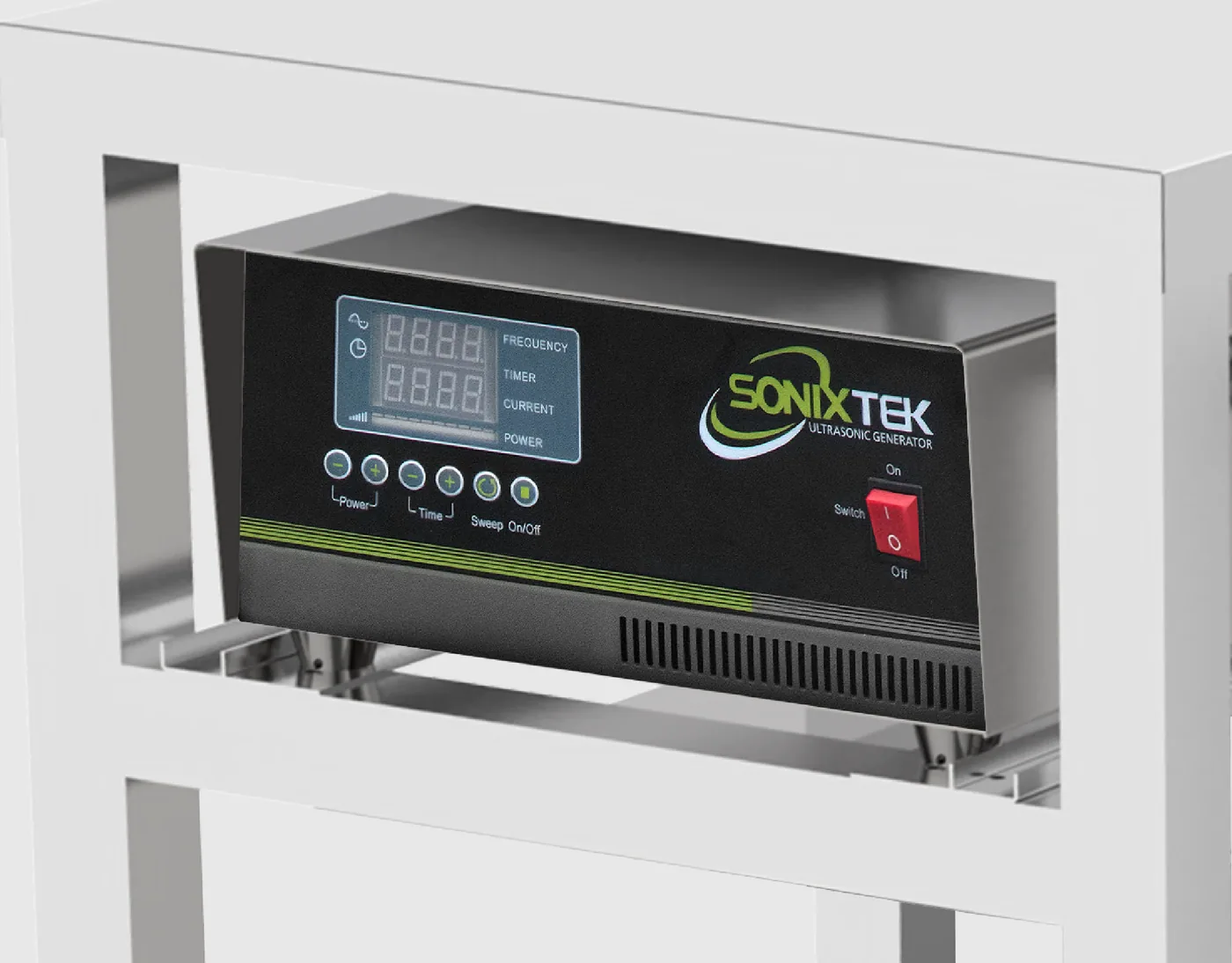 Operation and maintenance · 4 min readTroubleshooting: the machine runs but the parts are not cleanNine causes cover almost every case, and seven of them are the bath or the loading, not the machine. A checklist in the order that finds the fault fastest, from the sound of the tank to the generator display.
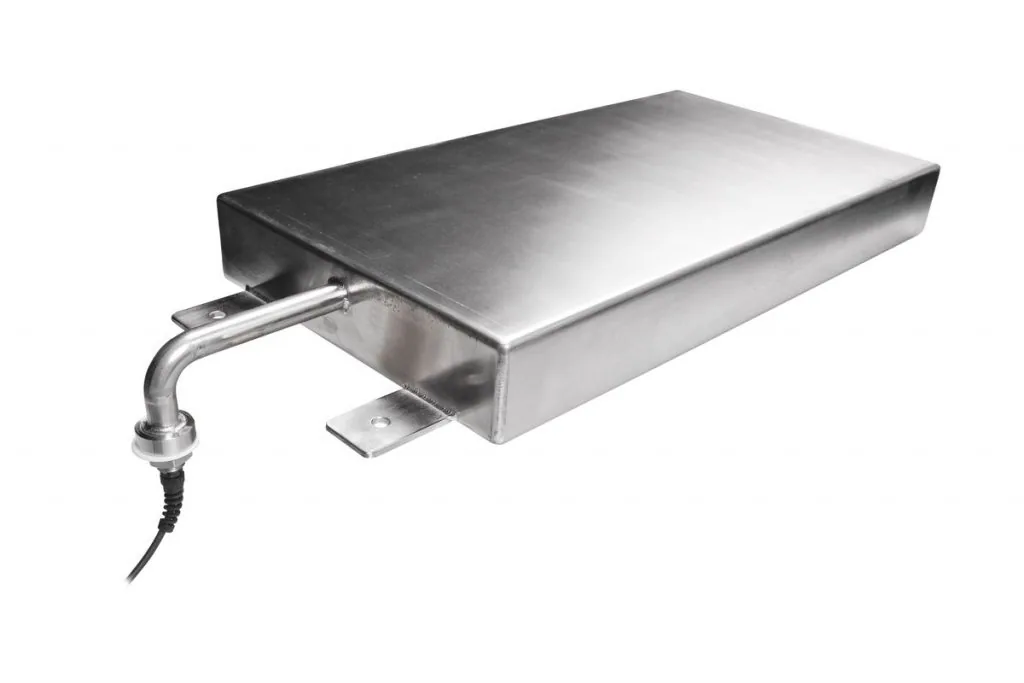 Ultrasonic cleaning basics · 3 min readTransducers and generators: what drives the tankThe generator makes the electrical signal, the transducers turn it into motion of the tank wall. How the two are matched, why the transducer count grows with tank size, and when an immersible box beats bonded transducers.
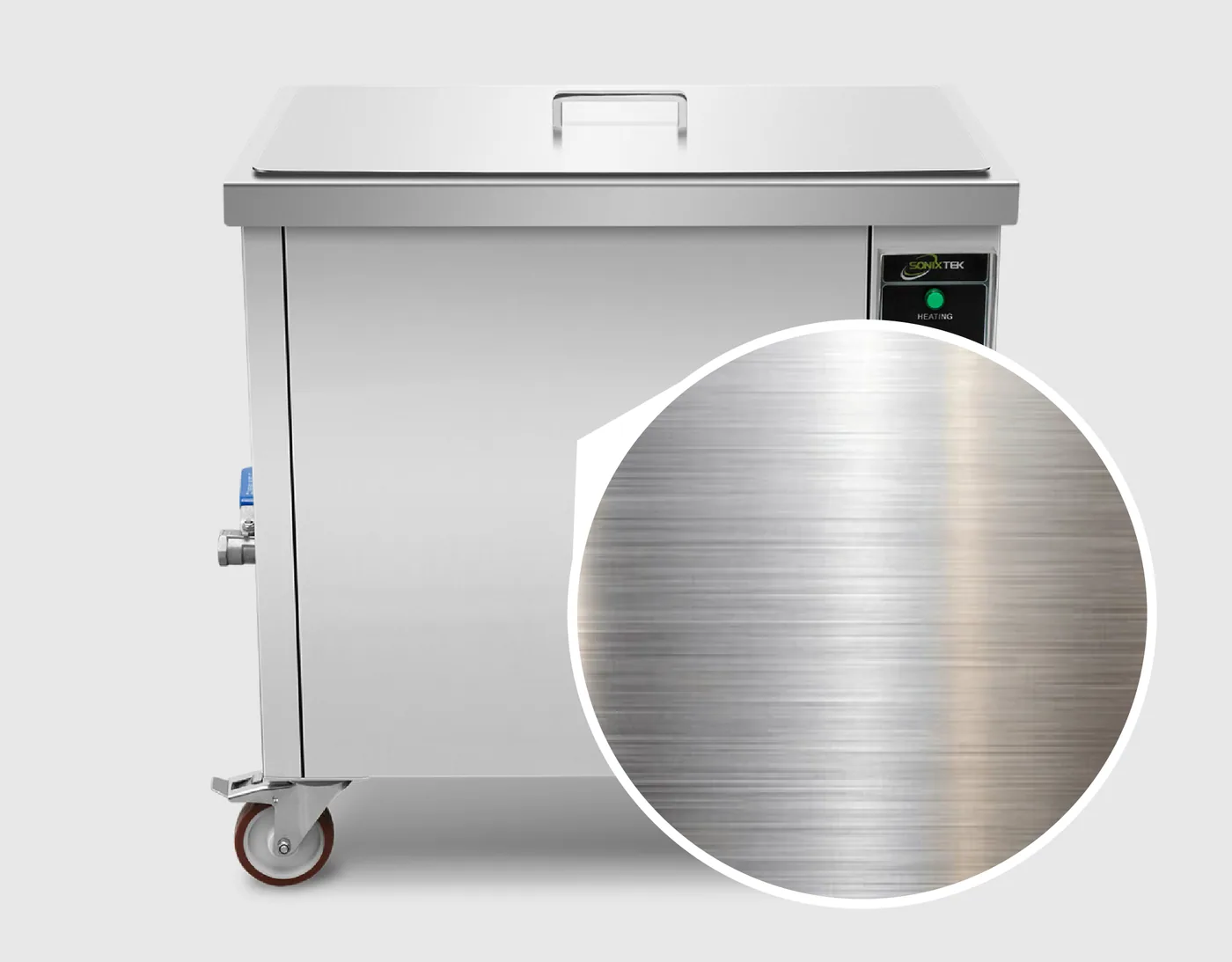 Operation and maintenance · 3 min readThe foil test: a one-minute check of cavitationA sheet of household aluminium foil in the bath for sixty seconds shows where the tank cleans and where it does not. How to run it, what the hole pattern means, and how to use it as the acceptance test for a new machine and the monthly check for an old one.
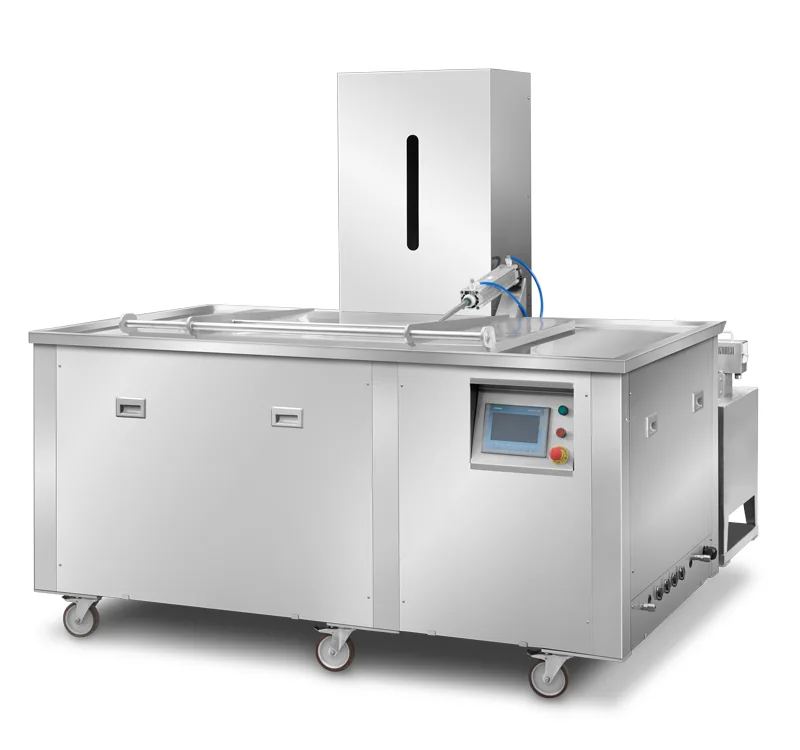 Ultrasonic cleaning basics · 17 min readUltrasonic cleaning explained: waves, cavitation, generators, tanks and featuresThe long version: how ultrasonic waves make cavitation, what frequency and temperature do, how generators and transducers are built, and which features matter in a tank.
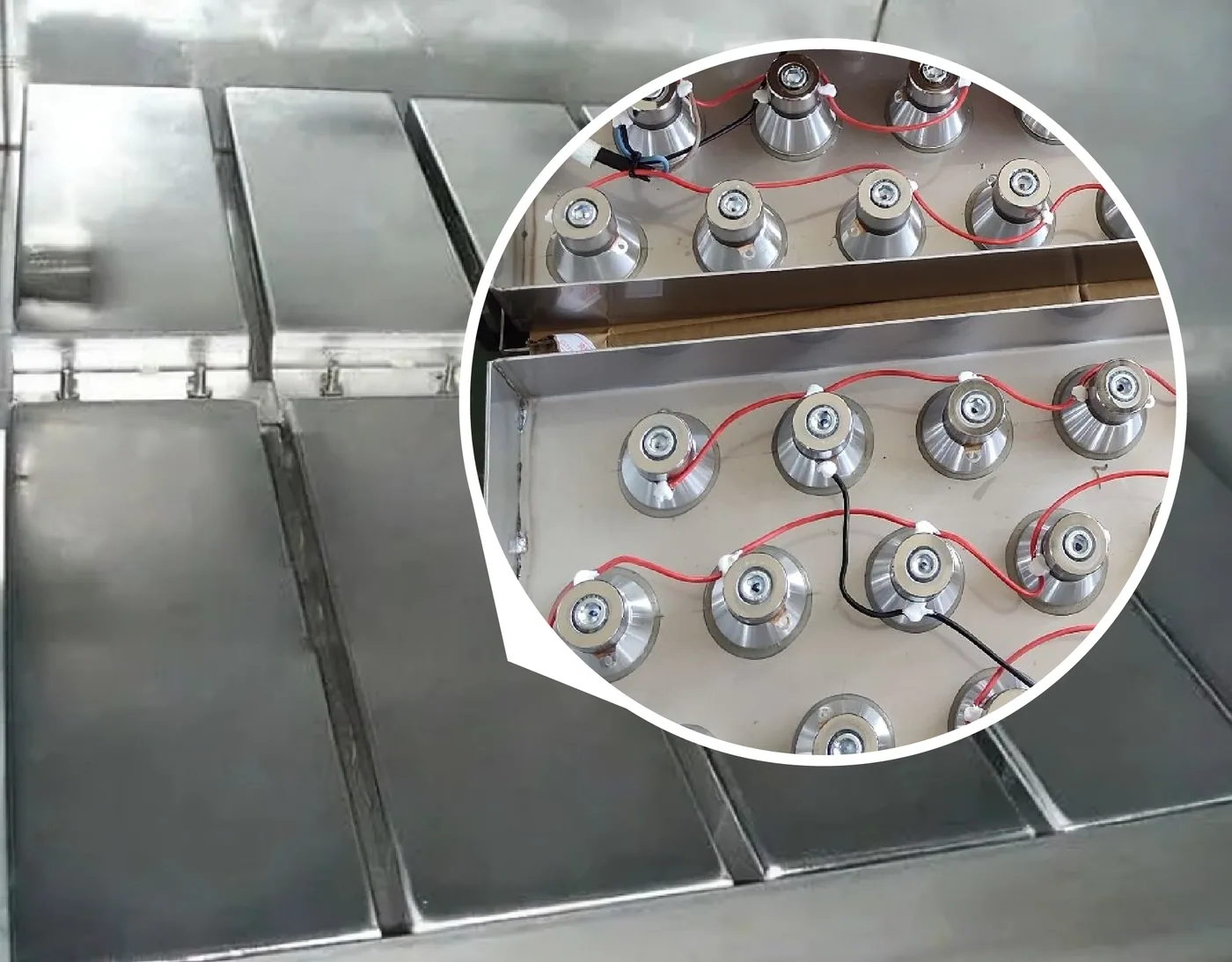 Ultrasonic cleaning basics · 2 min readHow ultrasonic cleaning actually worksTransducers turn electrical energy into pressure waves, the waves make cavitation bubbles, the bubbles collapse against the part. Step by step.
Let's find the right fit
Not sure which size you need?
Send us the part, the quantity per hour and the soil you are removing. We will size the tank and the frequency with you.