

Topics
Articles about: Cleaning time
5 articles
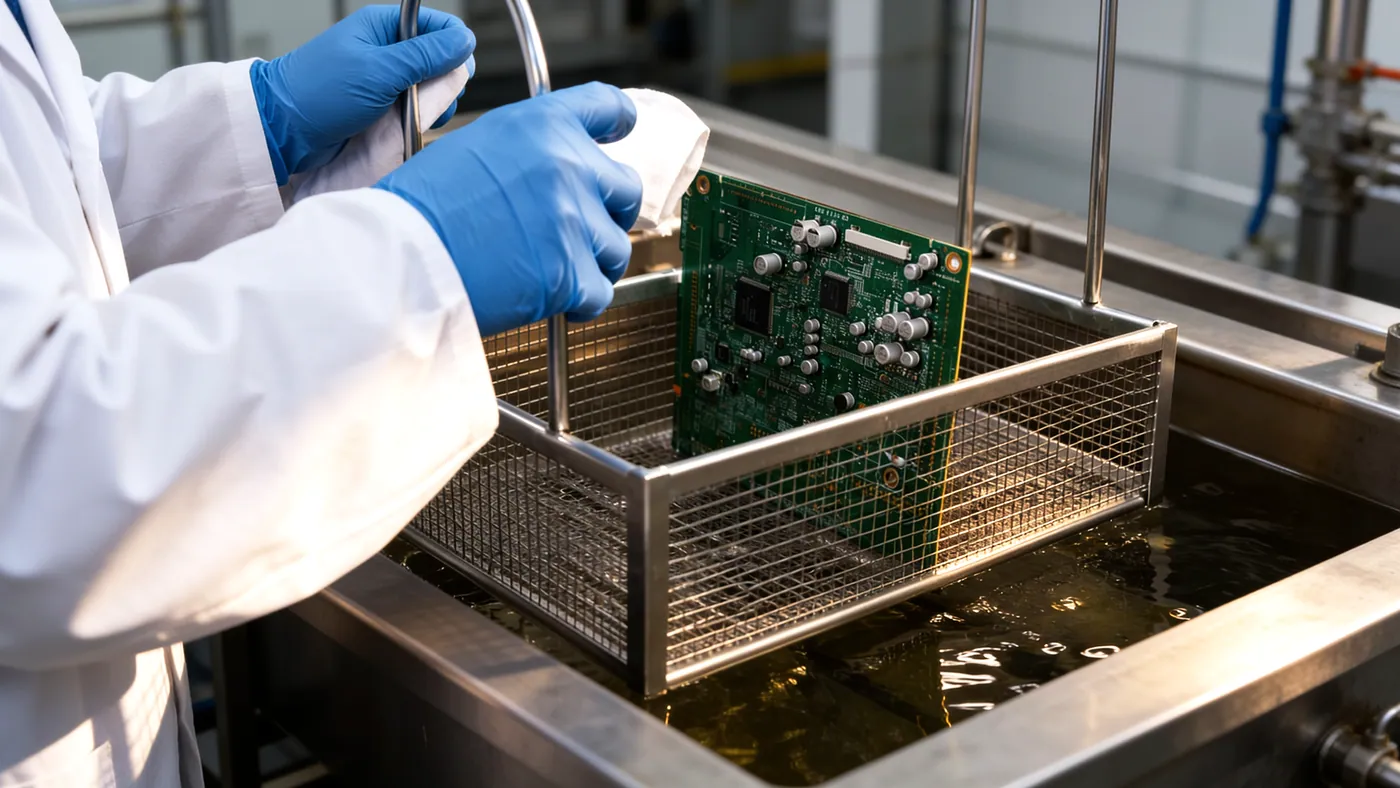 Parts and contaminants · 4 min readCleaning precision electronics without damageWhich electronic components tolerate ultrasound and which do not, and how frequency, power, time, support and a sample test keep a cleaning process safe.
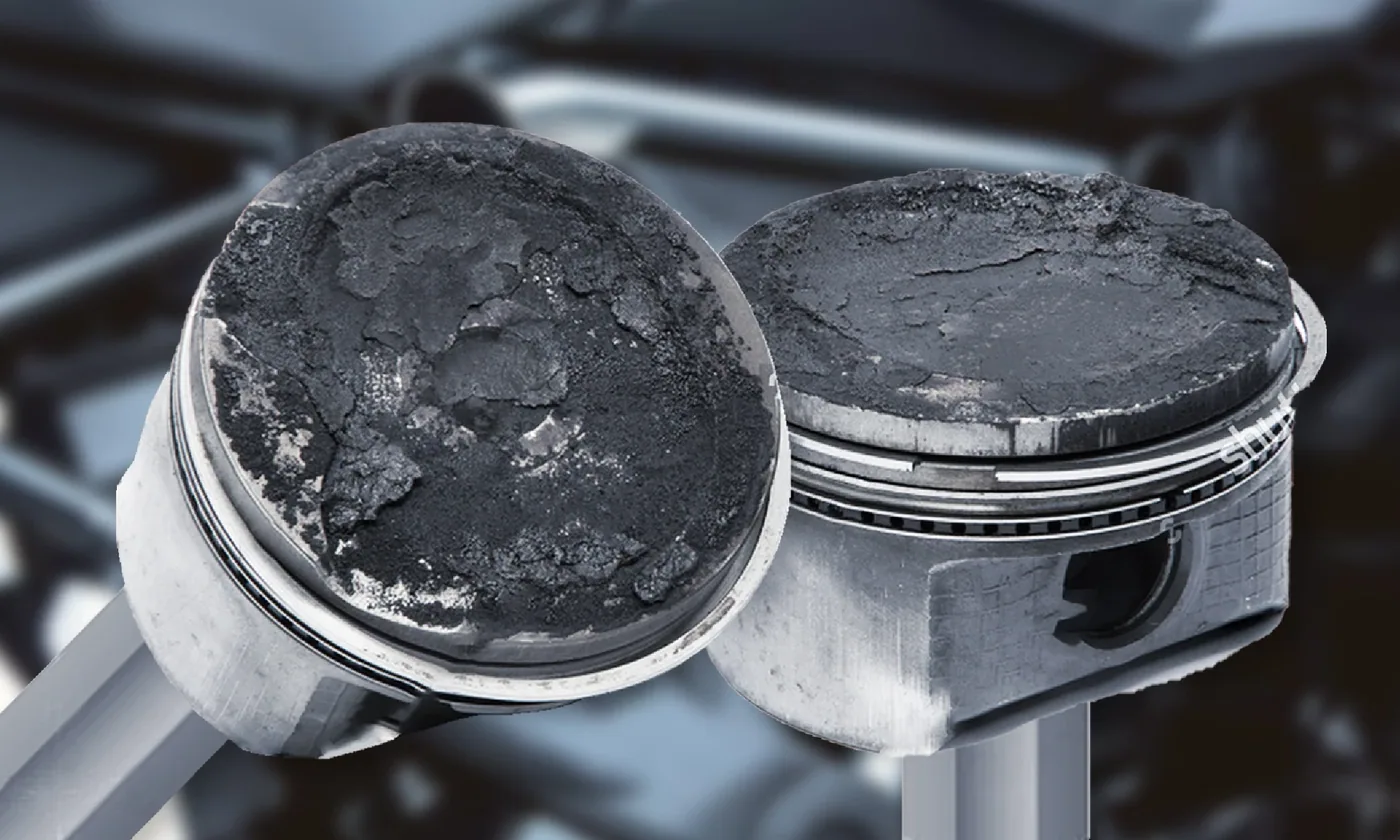 Parts and contaminants · 4 min readRemoving carbon deposits and baked-on oilCarbon on pistons, valves, injectors, turbo housings and EGR valves is oil that has been cooked onto the metal. It needs the hot end of the bath, the strong end of the chemistry, 28 kHz, and time. What works, what does not, and how to avoid damaging aluminium in the process.
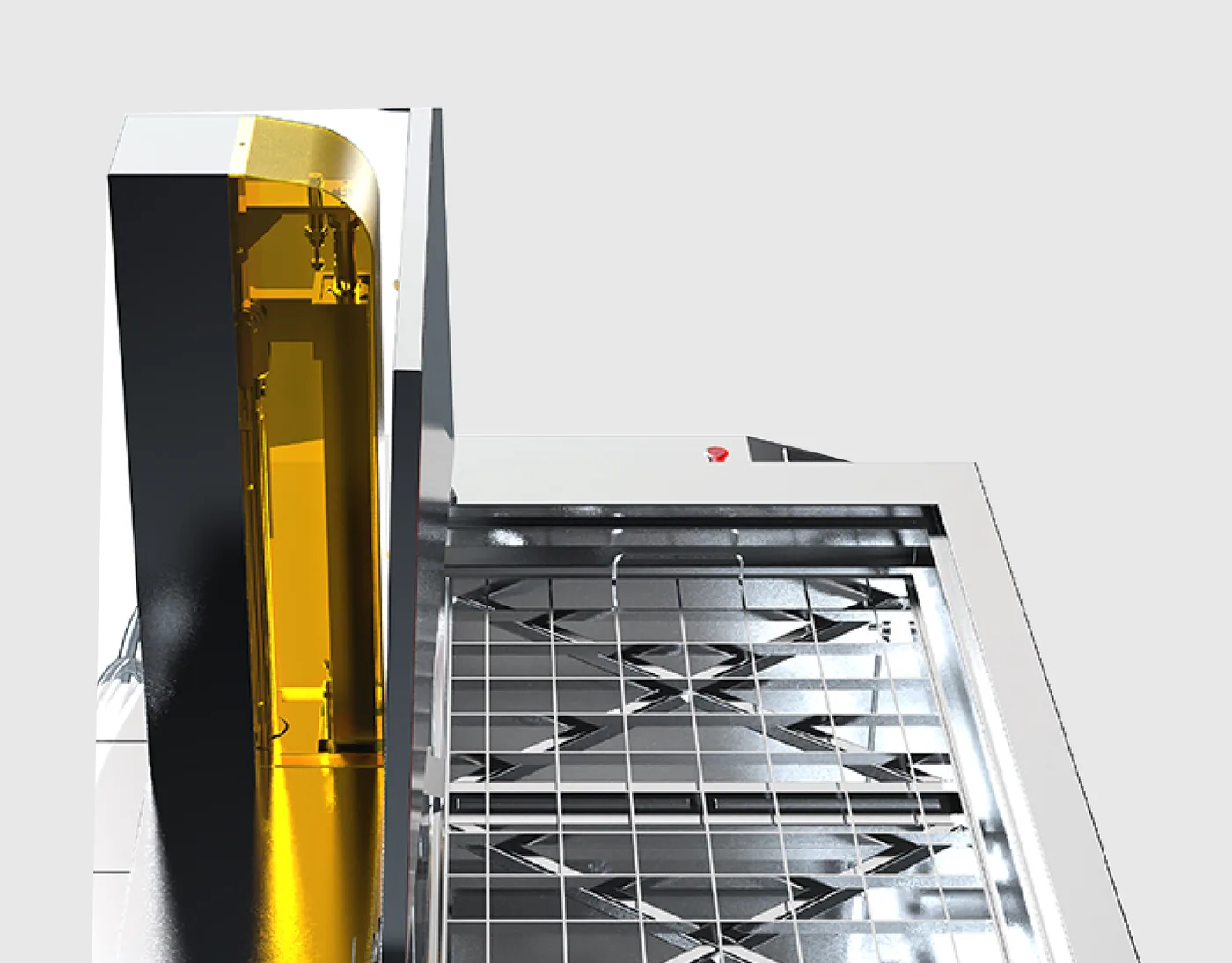 Process and parameters · 4 min readLoading the basket: shadowing, orientation and how much is too muchHalf of all "the machine does not clean" complaints are loading problems. How parts shadow each other, why blind holes go in tilted with the opening upward, what a basket load of 75 or 100 kg really means, and how to lay out a batch so the last part is as clean as the first.
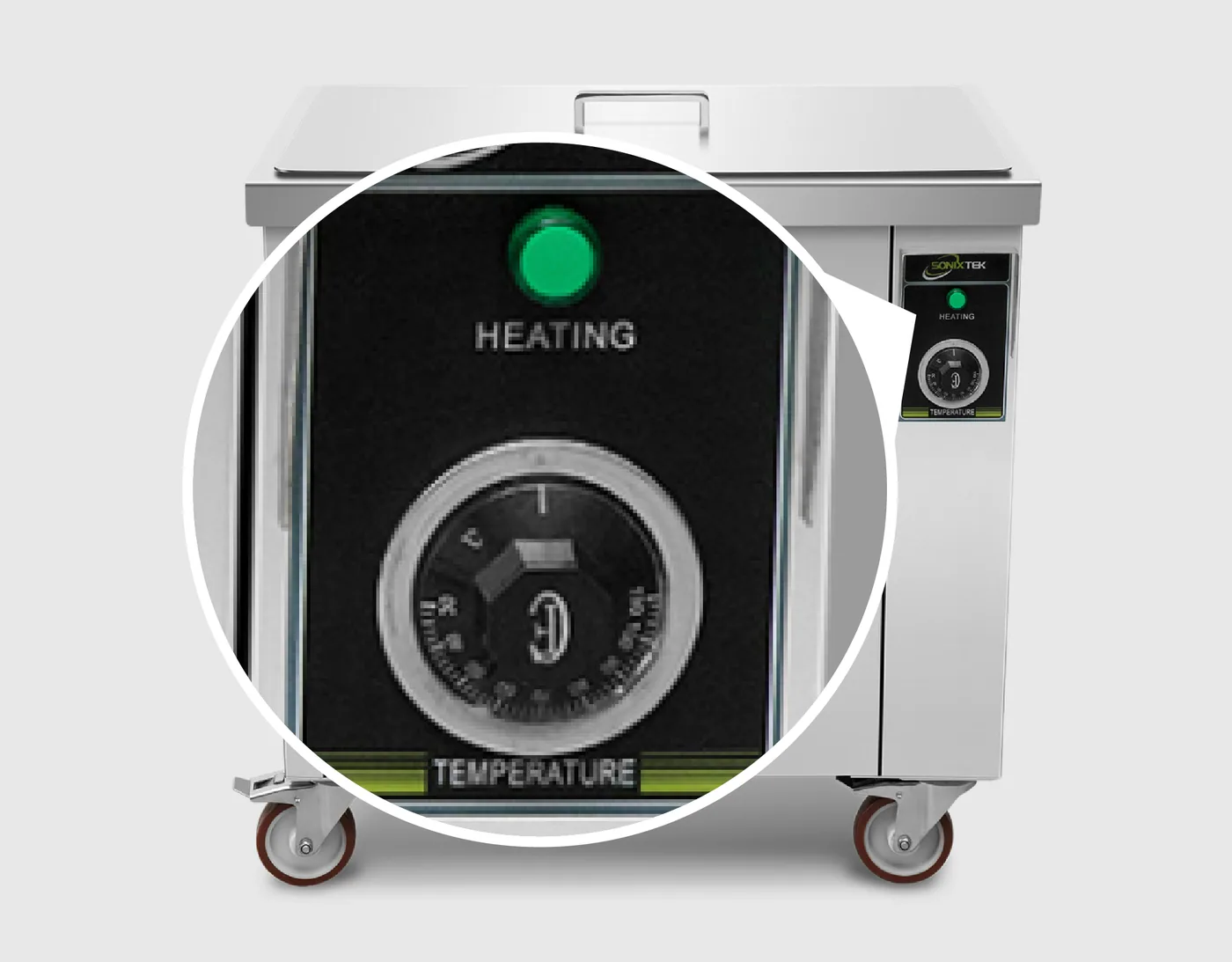 Process and parameters · 4 min readChoosing the cleaning temperatureHeat speeds up the chemistry and thins the oil, but above about 80 °C cavitation weakens. Where to set the bath for oil, carbon, machining residue, flux and biological soil, and why our tanks heat to 100 or 110 °C when most cleaning happens at 50 to 65.
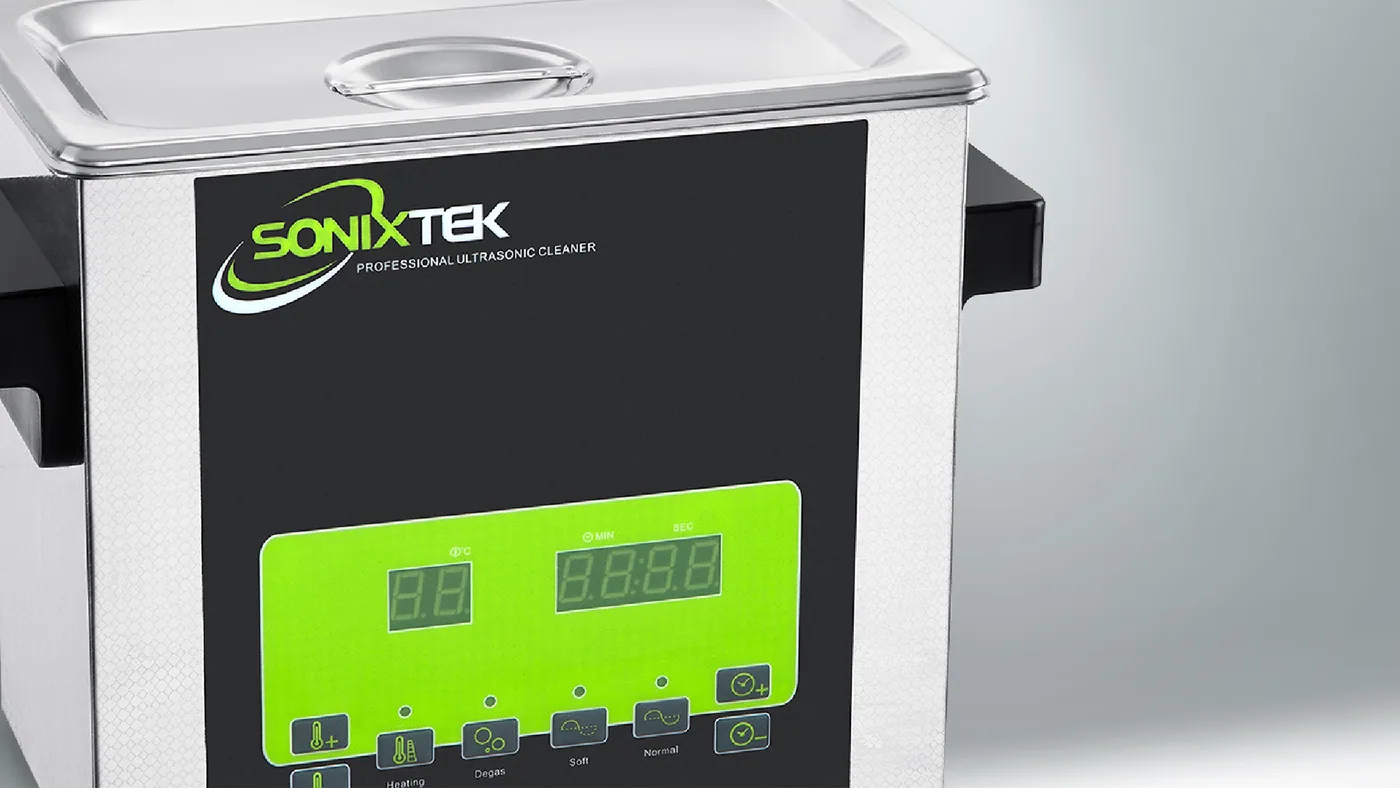 Process and parameters · 2 min readHow long should an ultrasonic cleaning cycle be?Three to thirty minutes covers most parts. What decides the time: contaminant, liquid, temperature, load, and when longer stops helping.
Let's find the right fit
Not sure which size you need?
Send us the part, the quantity per hour and the soil you are removing. We will size the tank and the frequency with you.